

Remember when town squares meant more than just a quick stop for coffee? When shopkeepers knew your name, and the most exciting entertainment was sitting on a porch swing watching thunderstorms roll in? These American small towns didn’t just preserve their buildings – they kept the soul of a slower, quirkier America alive. No actors in period costume here; just real places where history refuses to be rushed.
Mineral Point, WI: Where Cornish Miners Still Haunt the Pasty Shops
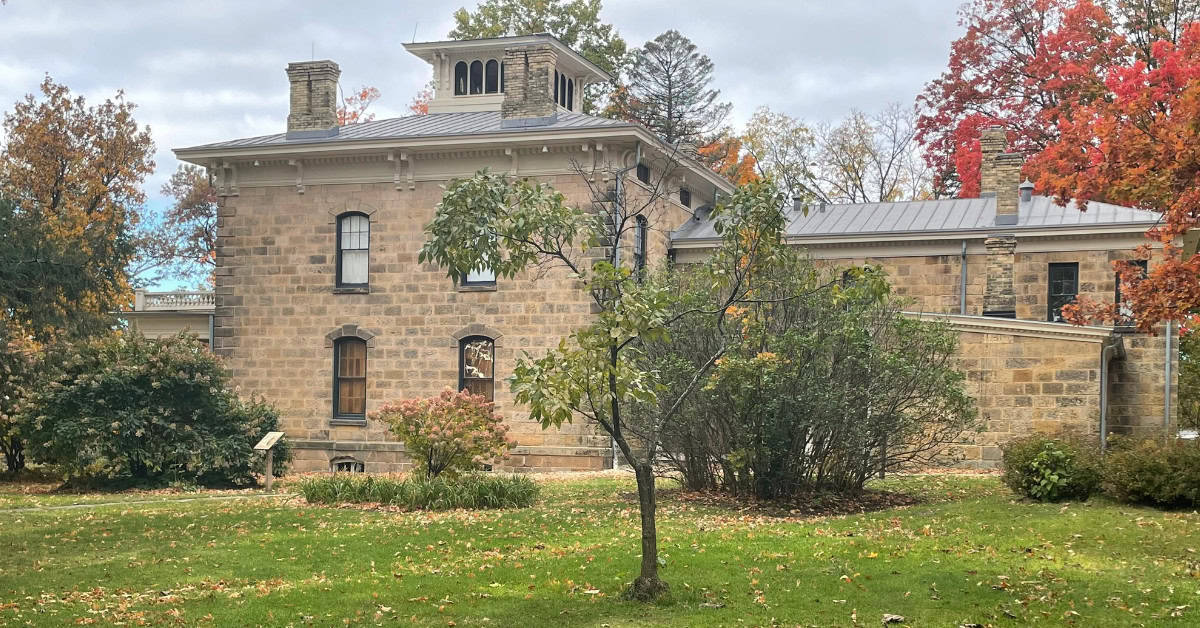
Wisconsin’s third-oldest city looks more like a village in Cornwall than a Midwest town. The limestone cottages, built by Cornish miners in the 1830s, still house artisan workshops where potters and blacksmiths work in centuries-old traditions. Stop by Red Rooster Café, where they’ve been serving authentic Cornish pasties since before anyone had to explain what they were, and the recipe hasn’t changed since your great-grandmother’s time.
Bisbee, AZ: The Mile-High Time Capsule Where Hippies Saved History
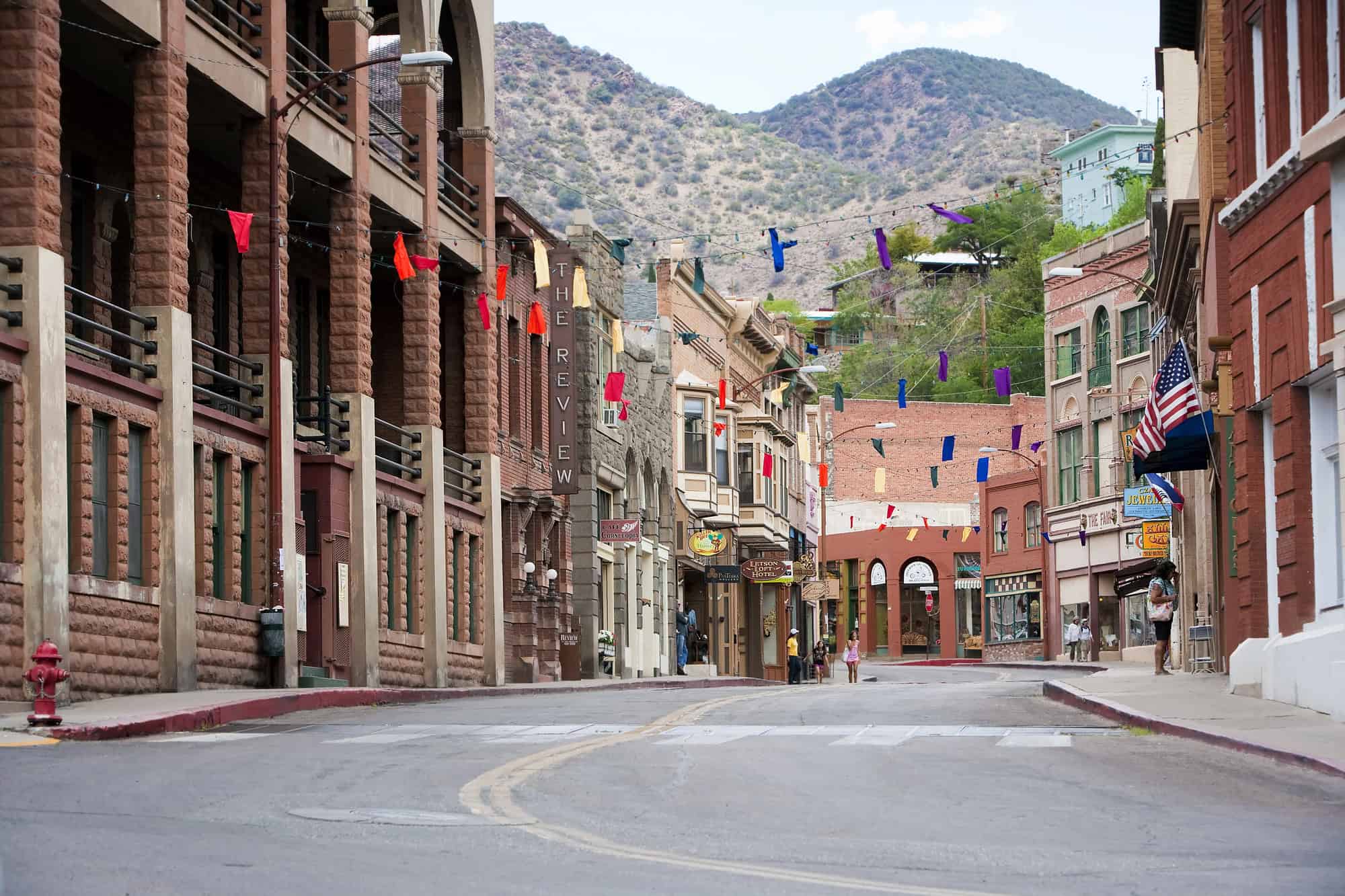
When the copper mines closed in the 1970s, artists moved into the Victorian mansions and saved them from demolition. Today, you can climb the thousand hand-carved steps of the public stairways, each with its own name and personality, past houses clinging to hillsides like mountain goats. The Copper Queen Hotel still keeps its guest register from 1902, and yes, you can still see John Wayne’s signature.
Jim Thorpe, PA: The Switzerland of America Keeps Its Victorian Secrets
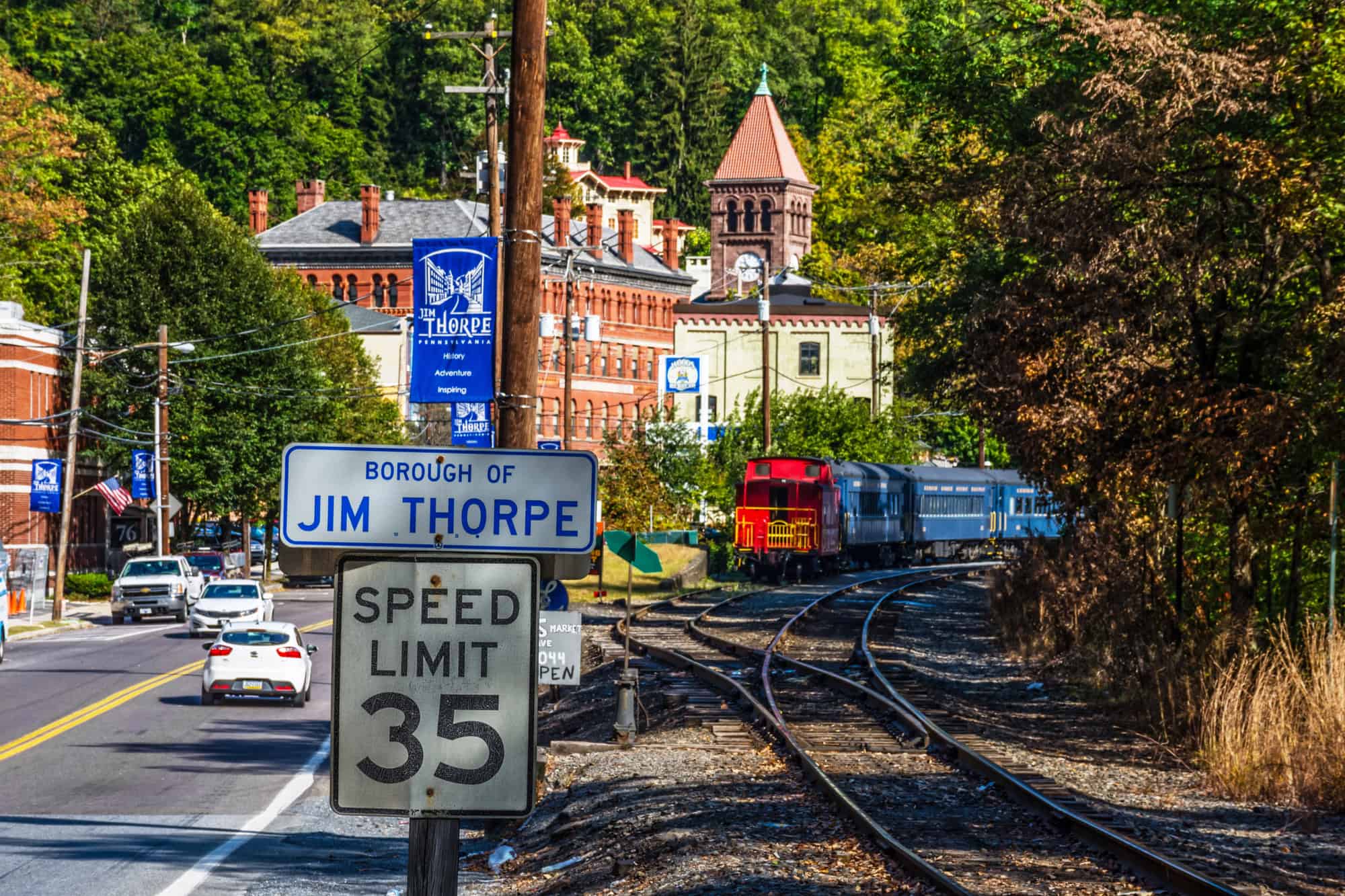
Nestled in the Lehigh Gorge like a Victorian jewelry box, this former coal town changed its name to honor an Olympic legend who never lived here – and that’s just the start of its quirky story. The Old Jail Museum still shows you the mysterious handprint of a wrongly hanged man that refuses to be washed away, while the Mauch Chunk Opera House echoes with vaudeville ghosts and modern blues.
Jacksonville, OR: Gold Rush Dreams Preserved in Perfect Detail
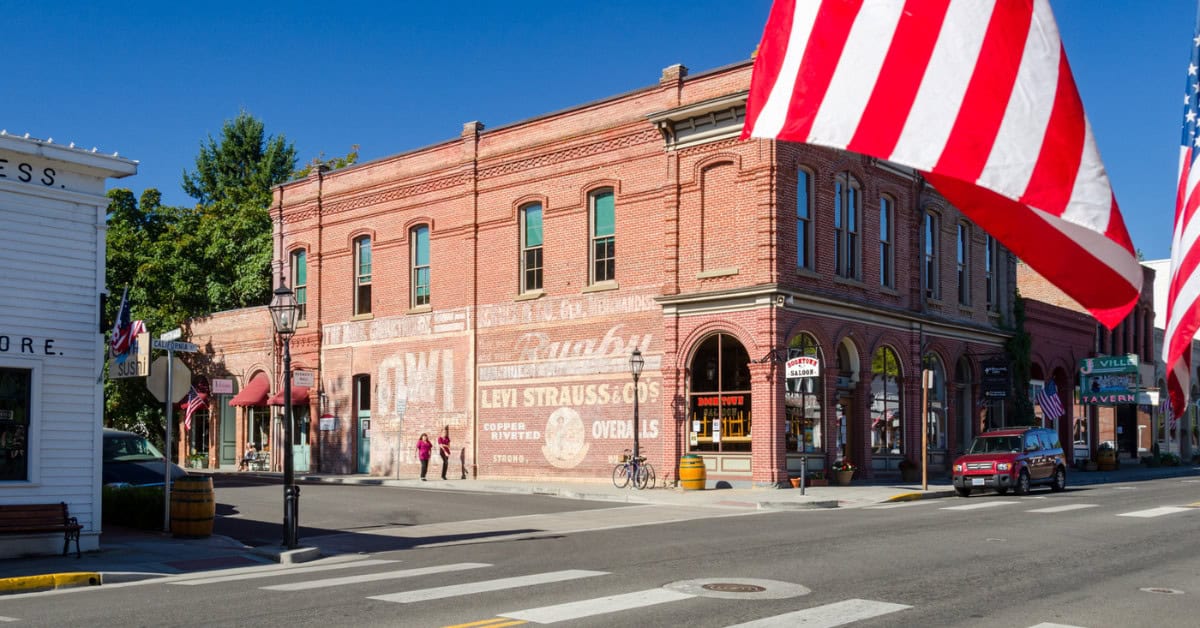
When Interstate 5 bypassed this gold rush town in the 1960s, it accidentally preserved a perfect slice of 1856. The whole town is a National Historic Landmark, where you can still bank in an original Wells Fargo building and catch a concert in an 1881 Presbyterian Church. Stop by the Jacksonville Inn’s wine shop, housed in a former tobacco store where the original gold scales still sit on the counter.
Eureka Springs, AR: Where Victorian Bath Houses Still Promise Miracles
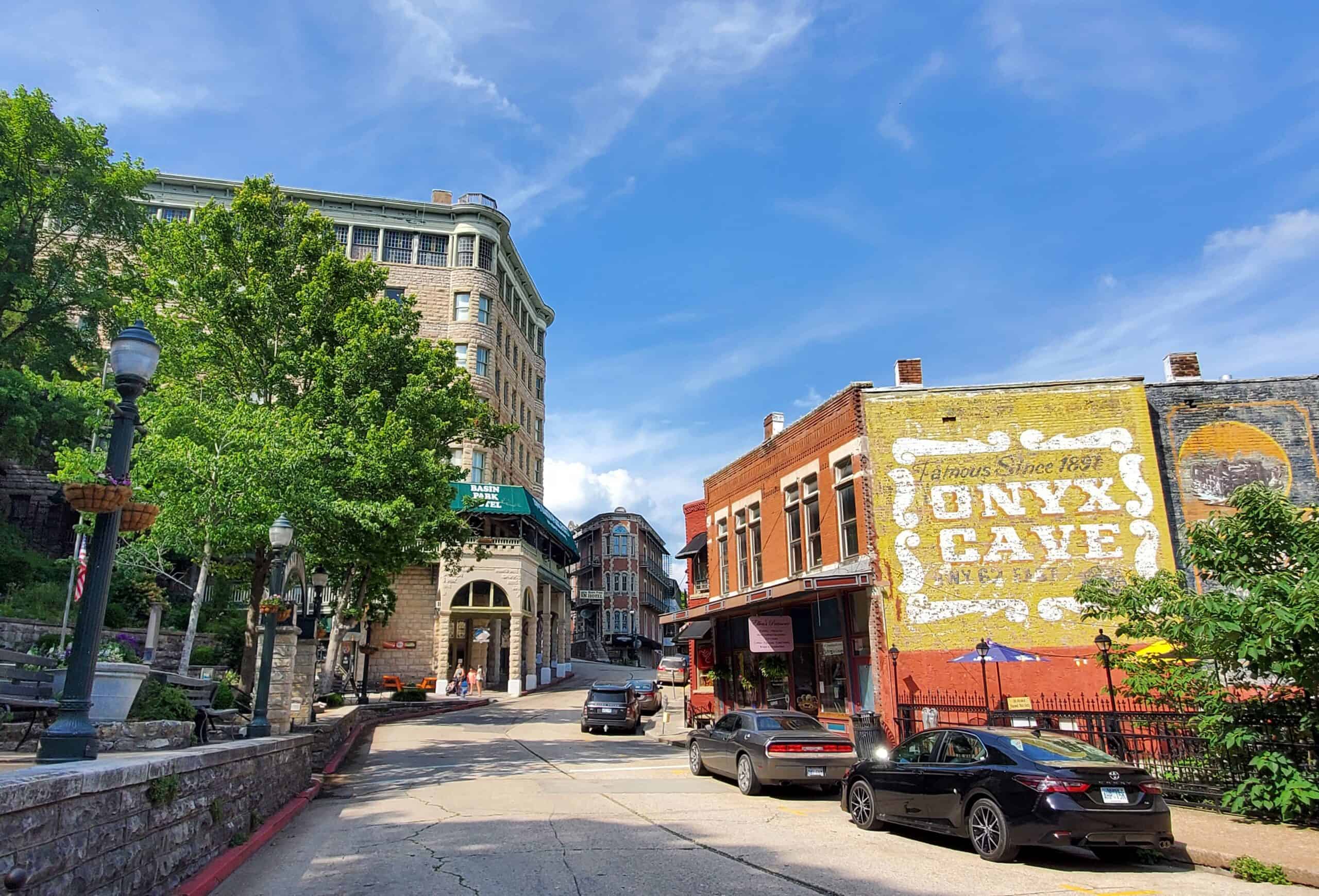
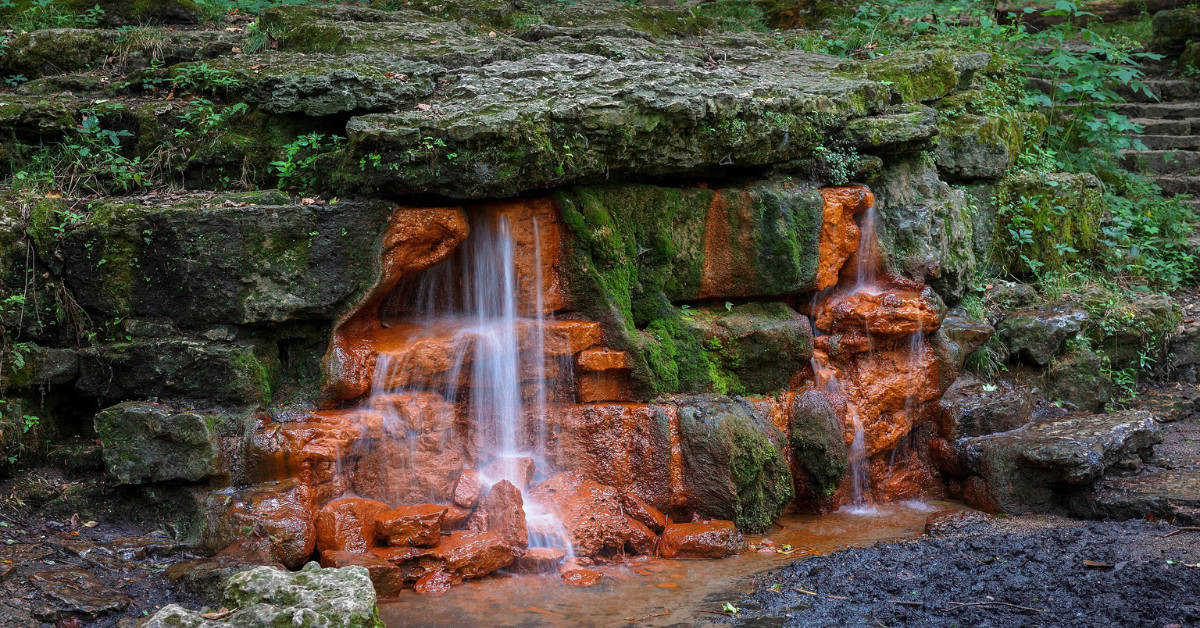
Built on healing springs where Native Americans and Victorian health-seekers once sought cures, this Ozark town doesn’t have a single straight street. The 1886 Crescent Hotel, often referred to as “America’s Most Haunted Hotel,” still displays bottles from the fraudulent cancer clinic that once operated in its basement. Take the trolley past gingerbread-trimmed houses that seem to defy gravity on the steep hillsides.
New Castle, DE: America’s Most Complete Colonial Town (That Nobody Knows About)
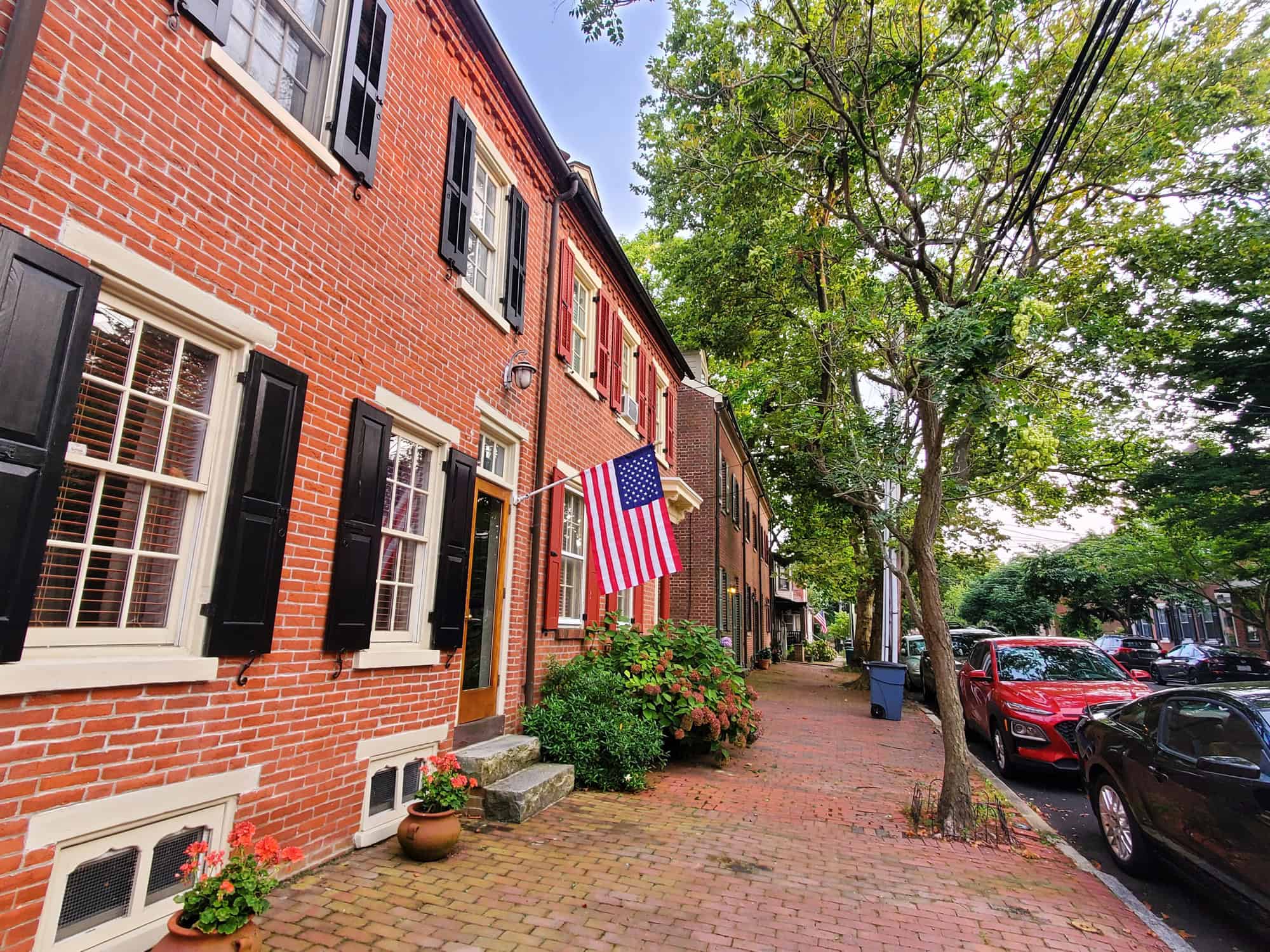
While Williamsburg recreates colonial life, New Castle simply never stopped living it. William Penn first stepped onto American soil here, and the courthouse where he was given ownership of Pennsylvania still stands. Stroll cobblestone streets where Georgian townhouses have hosted continuous Sunday suppers since before the Revolution, and don’t miss Jessop’s Tavern, where the servers dress colonial but the beer list is thankfully modern.
Silverton, CO: The Mining Town Where the Mayor Is Still a Dog
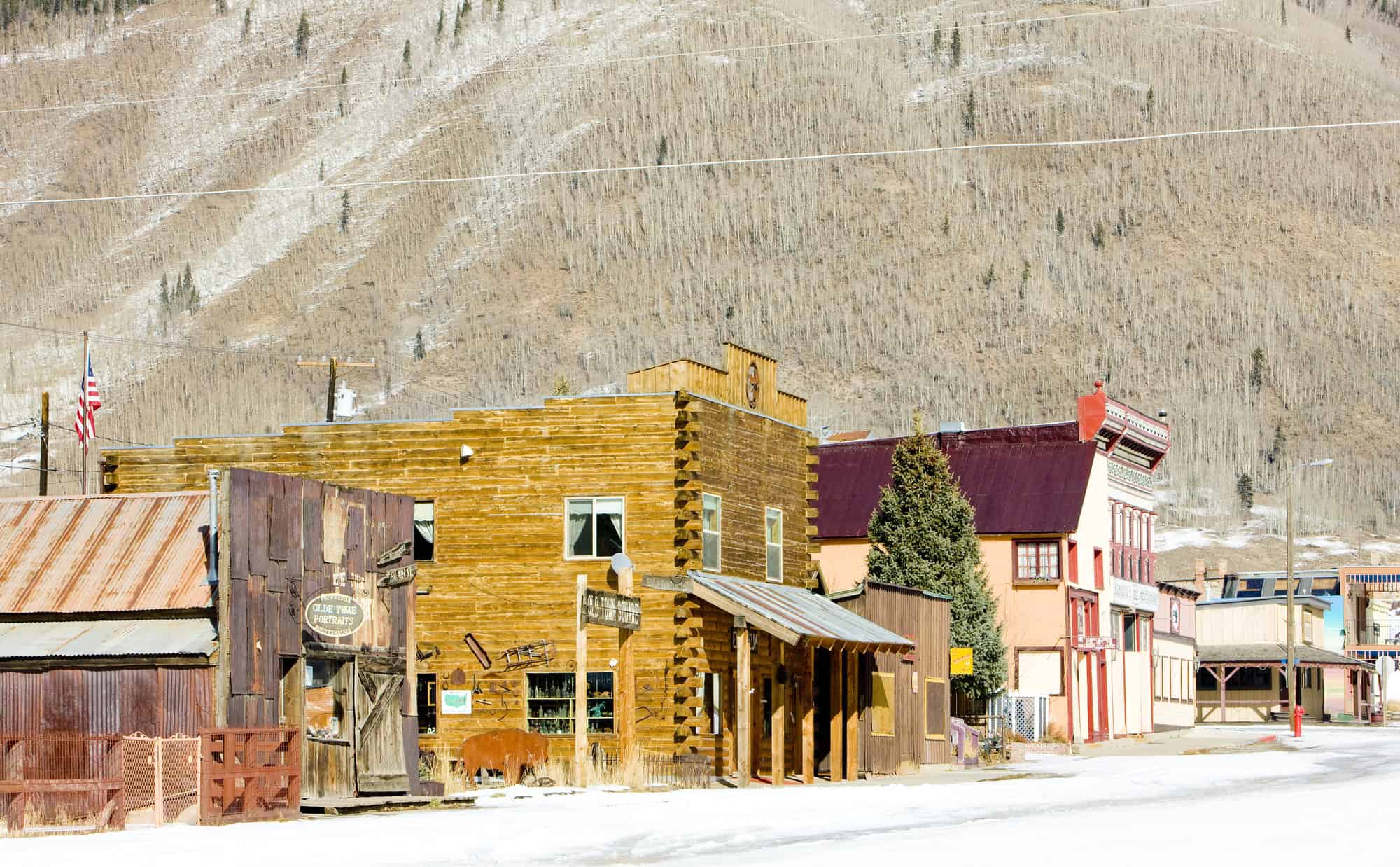
Tucked into a box canyon at 9,318 feet, Silverton takes pride in doing things differently. The Durango & Silverton Narrow Gauge Railroad still puffs into town daily, just as it has since 1882. The Handlebars Saloon serves drinks with their original 1880s back bar, and locals still tell tales of Mayoral Dog Pee Wee, who succeeded a cat in office and helped put the town on the national map.
Yellow Springs, OH: Dave Chappelle’s Hideout Where Antioch College Never Dies
This hippie haven hasn’t changed its tune since the 1960s when Antioch College students first mixed with local farmers at the weekly street fair. Young’s Jersey Dairy still serves ice cream from their own cows, and the Little Art Theatre has been showing independent films since before they were called “indie.” Stop by Ha Ha Pizza, where the recipe hasn’t changed since 1975 and the wall art still includes original protest posters.
Port Townsend, WA: The Victorian Seaport That Refused to Grow Up
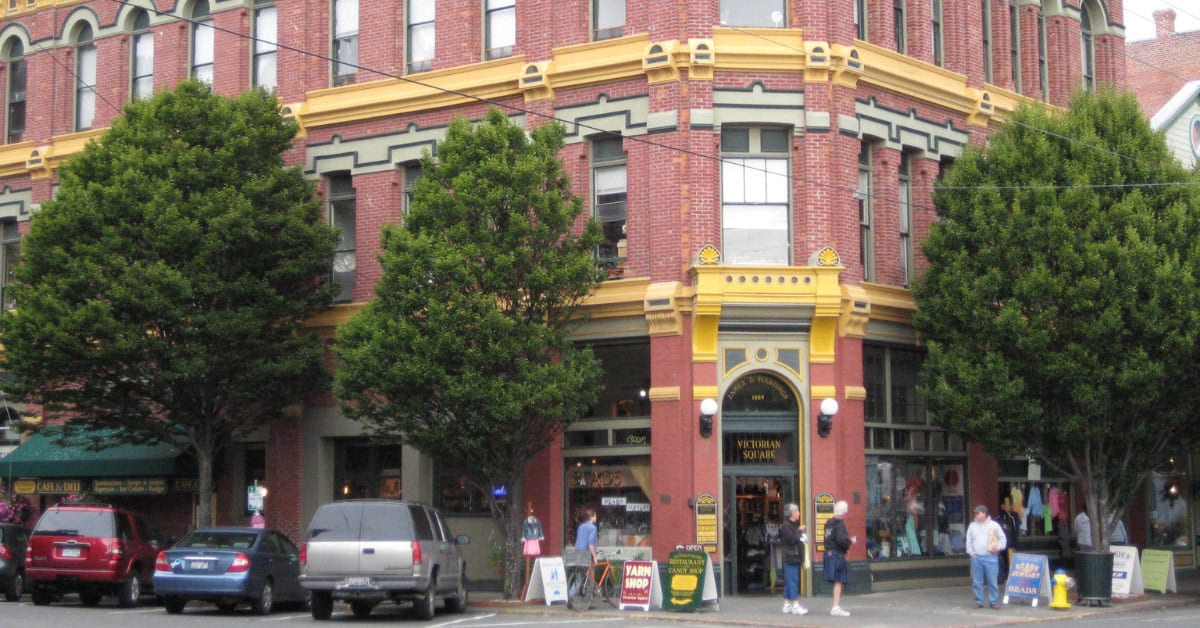
Once slated to be the “New York of the West,” Port Townsend’s dreams of glory faded when the railroad chose Seattle instead – accidentally preserving a perfect Victorian seaport. The Palace Hotel, a former brothel, still rents rooms named after its original “employees,” while the Rose Theatre shows first-run movies in a building where sailors once danced with local ladies in 1907.
Galena, IL: Ulysses S. Grant’s Hometown Frozen in 1869
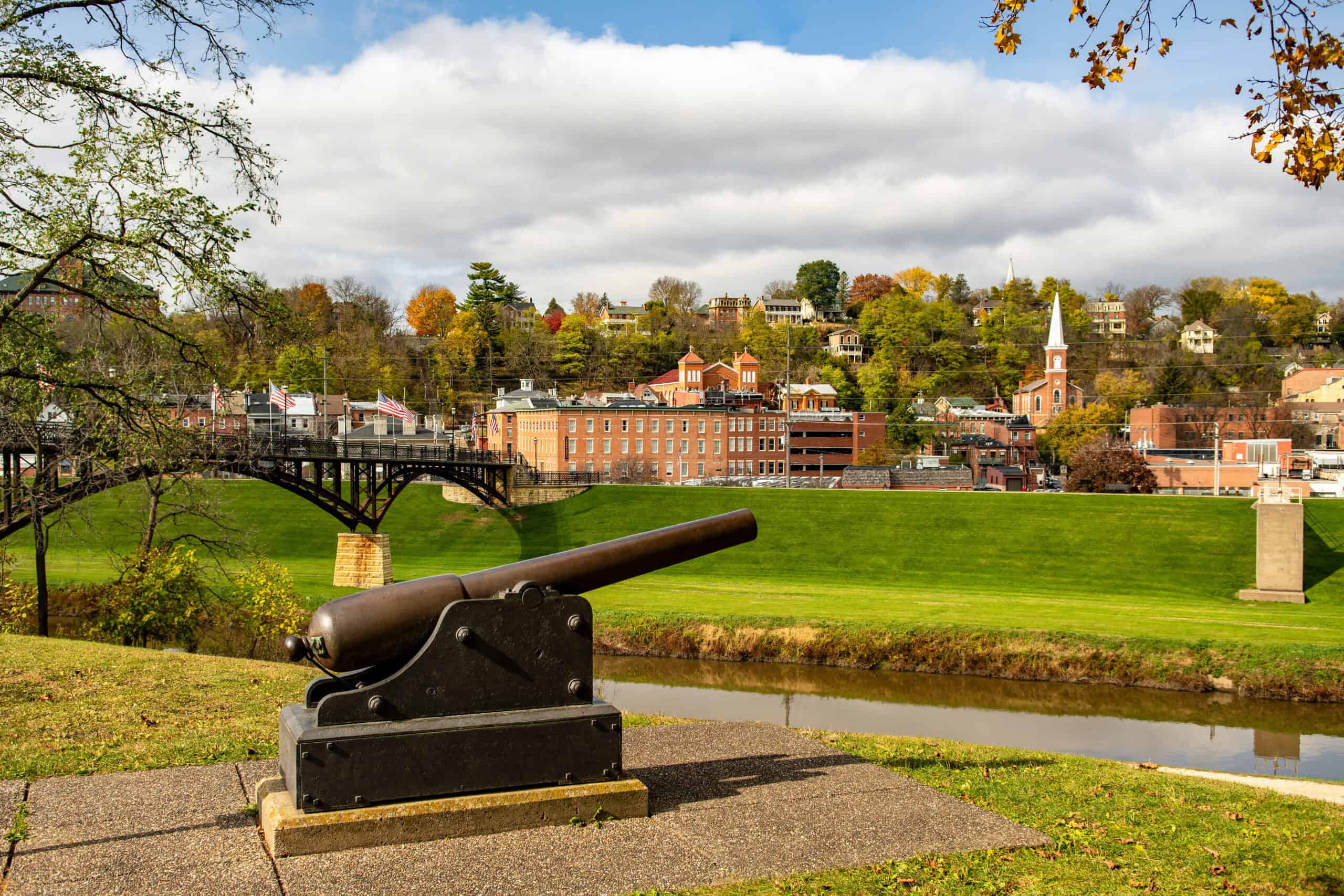
Main Street curves like a Victorian gentleman’s pocket watch chain, lined with 19th-century storefronts that once outshone Chicago’s. The DeSoto House Hotel, Illinois’ oldest operating hotel, still displays the balcony where Lincoln and Douglas debated, and Grant’s leather goods store survives as a museum. Duck into the Dowling House, built in 1826, where the limestone walls still hold the chill of centuries.
Madrid, NM: The Ghost Town Where Christmas Lights Never Stopped Burning
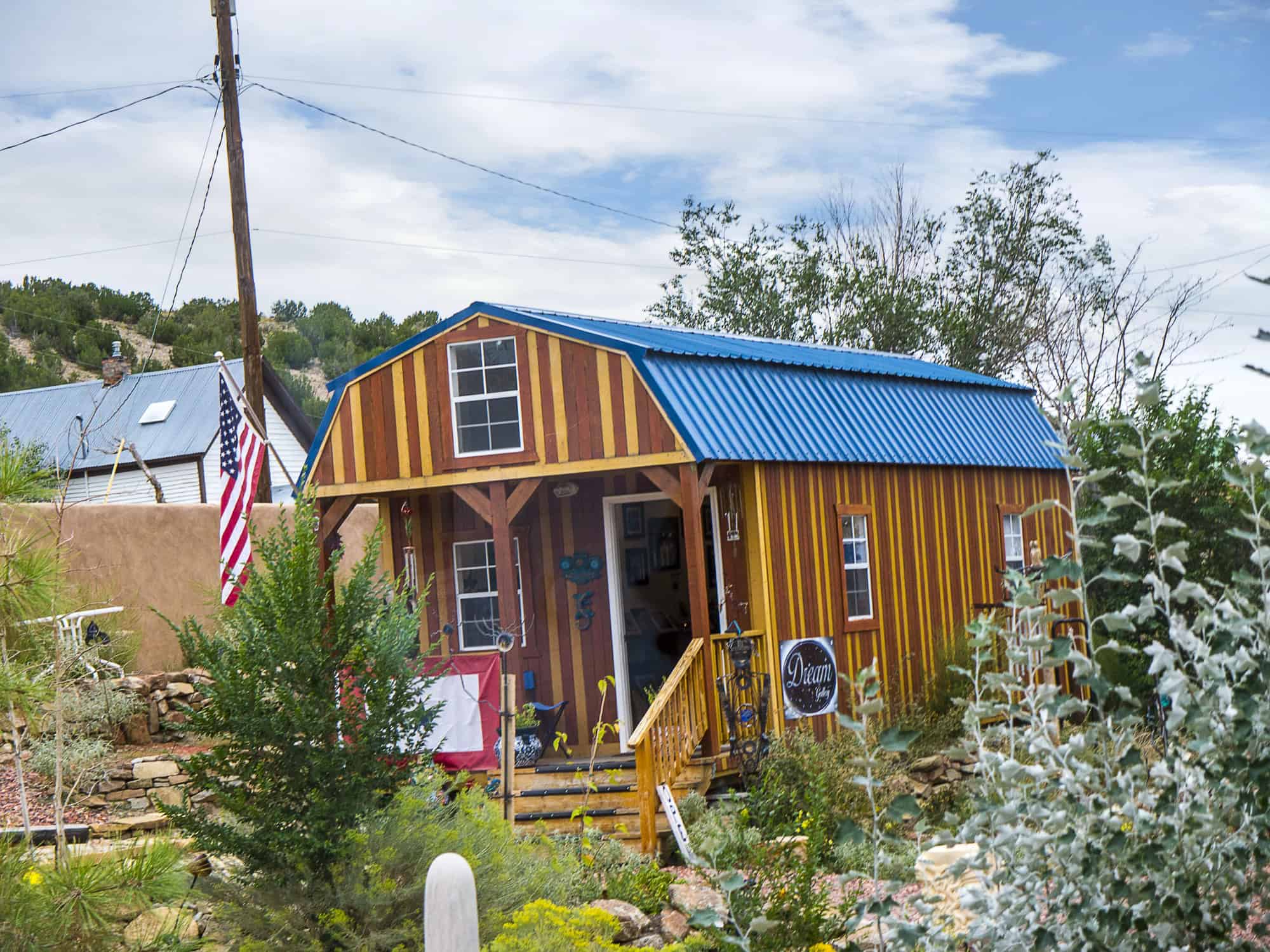
This former coal mining town once boasted the most dazzling Christmas light display between New York and Los Angeles, powered by its own power plant. Today, artists live in restored company houses, and the Mine Shaft Tavern serves green chile burgers beneath the longest stand-up bar in New Mexico. The Christmas lights still glow year-round, a tradition kept alive since the 1920s when miners strung the first bulbs.
Ferndale, CA: The Dairy Town Where Victorian Carpentry Went Wild
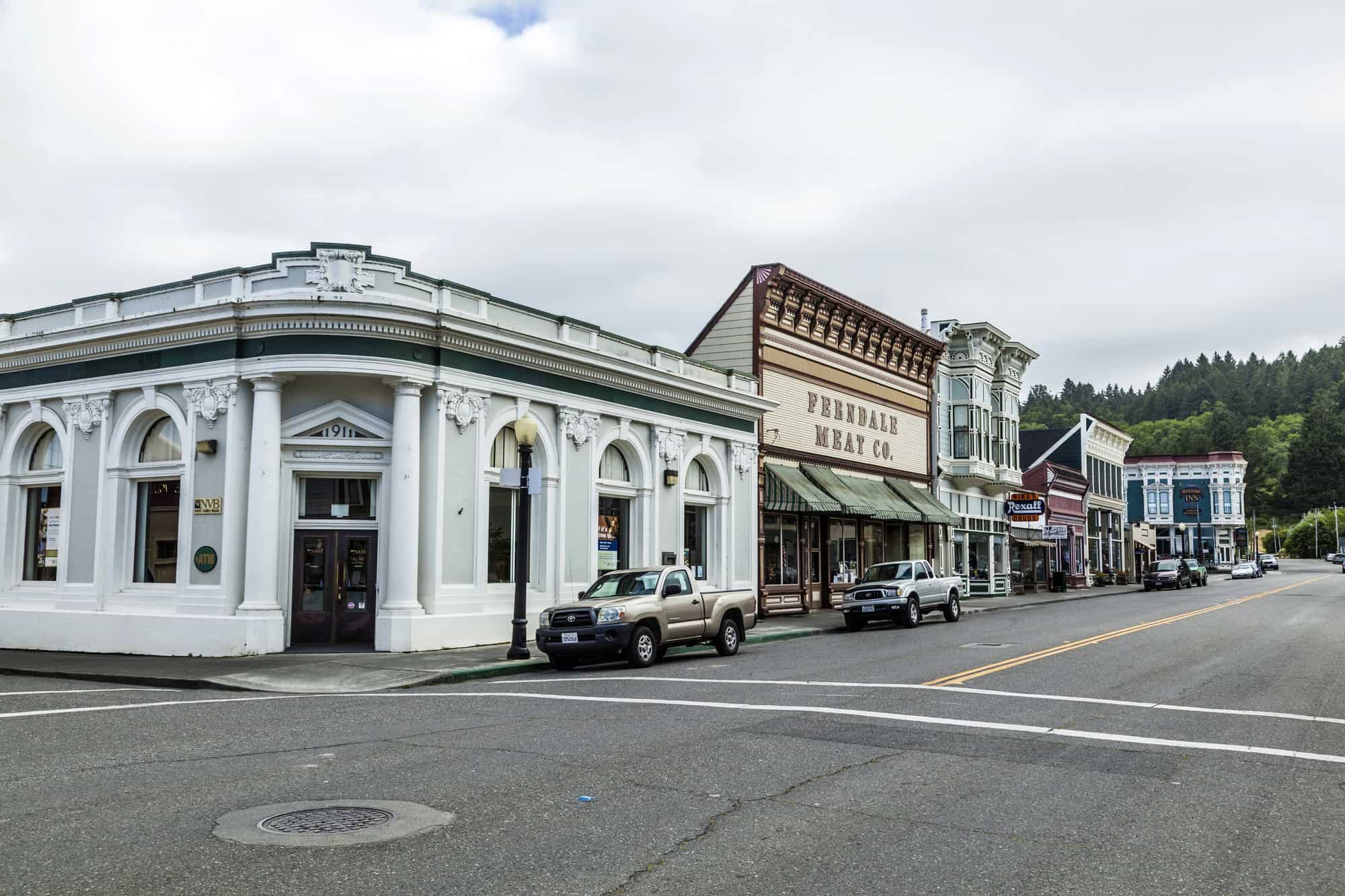
Dairy farmers struck it rich here in the 1880s and celebrated by building elaborate Victorian mansions known as “Butterfat Palaces.” The Ferndale Cemetery still maintains its original hand-carved wooden headstones, while the Ferndale Museum showcases a perfectly preserved 1890s dentist’s office, complete with a foot-powered drill. Stop by the Golden Gait Mercantile, where they still wrap purchases in paper and string, just as they did when the store opened in 1876.