

Remember when the world moved a little slower and the sound of footsteps on wooden boardwalks and the gentle clip-clop of horse hooves meant you were somewhere special? These car-free American islands aren’t just preserving a simpler way of life—they’re proving that sometimes, the best adventures happen at walking speed.
Fire Island, New York
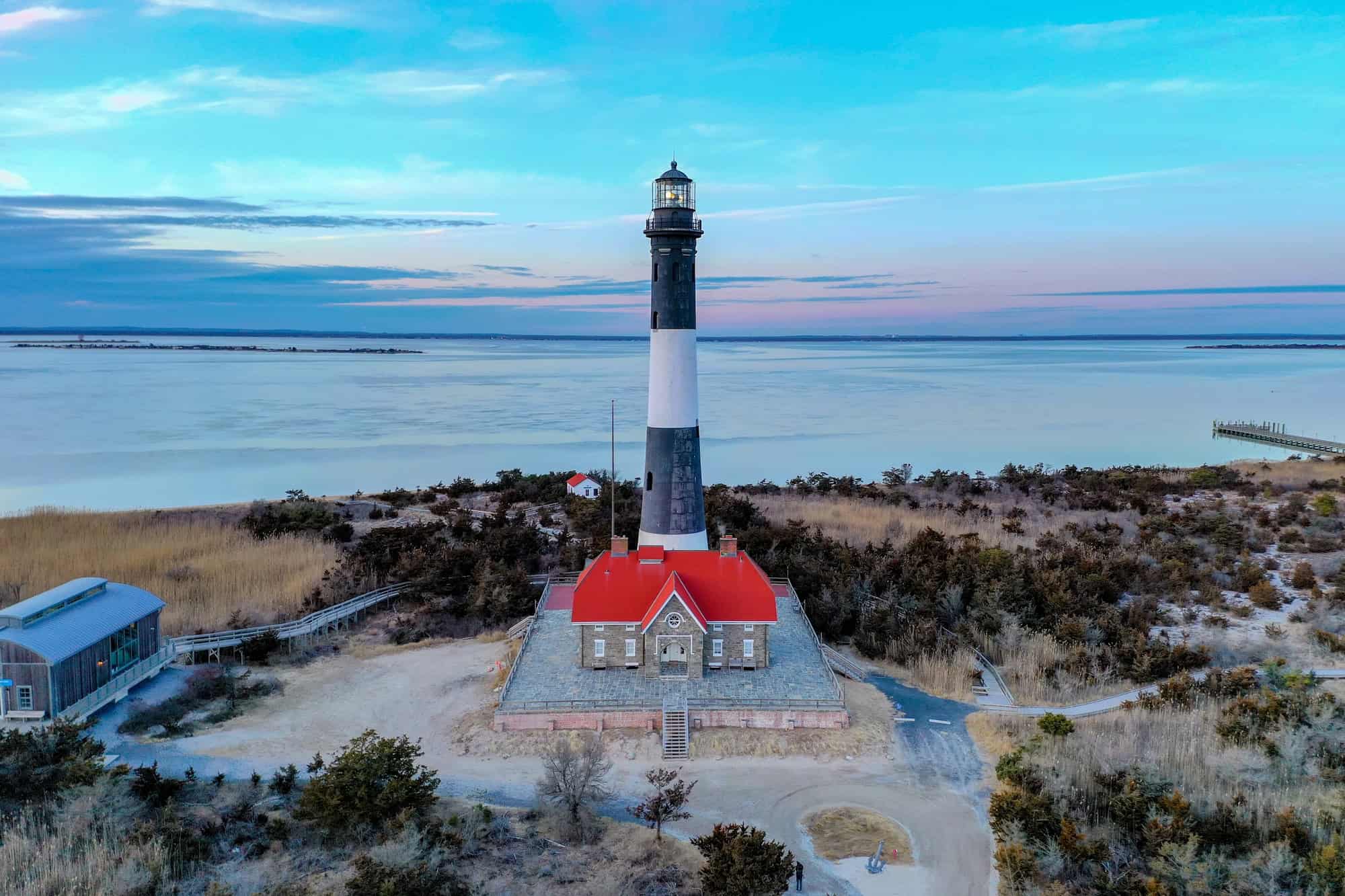
Just 60 miles from Manhattan lies a sliver of paradise where wooden boardwalks replace concrete sidewalks and beach wagons are the preferred mode of transportation. Fire Island’s 32 miles of car-free serenity have been a refuge for generations of New Yorkers seeking to trade their horns for seagull calls. Here, kids still sell seashells from red Radio Flyer wagons, and the biggest traffic jam you’ll encounter is a family of deer crossing the boardwalk at sunset.
Mackinac Island, Michigan
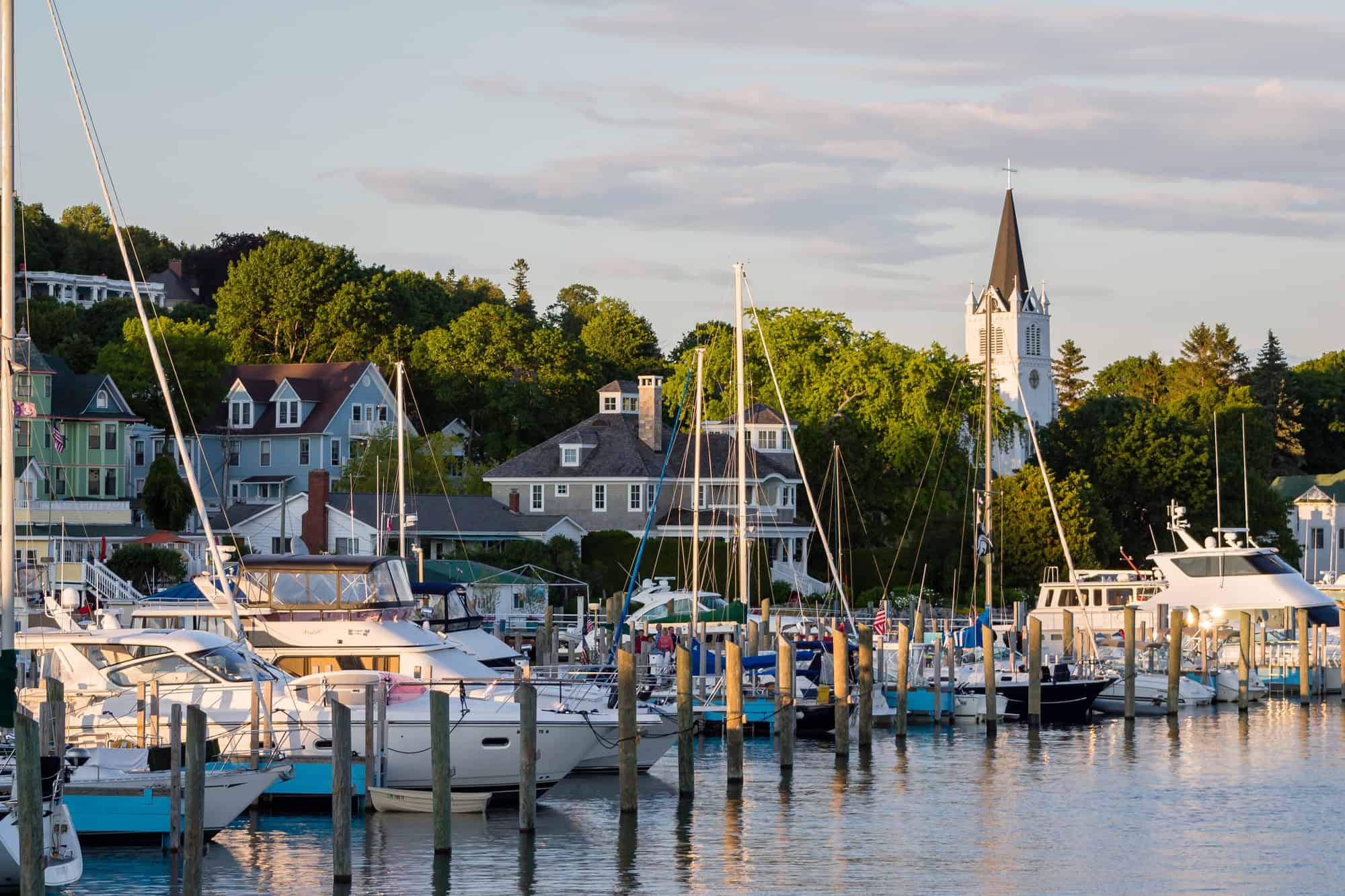
Since 1898, this Victorian-era gem has banned automobiles, making it home to America’s largest horse-and-buggy fleet. The clip-clop of hooves on limestone streets provides the soundtrack to days filled with world-famous fudge and afternoons on the Grand Hotel’s sweeping porch. Even the UPS deliveries arrive by horse-drawn dray, and winter mail sometimes comes by ski mobile.
Tangier Island, Virginia
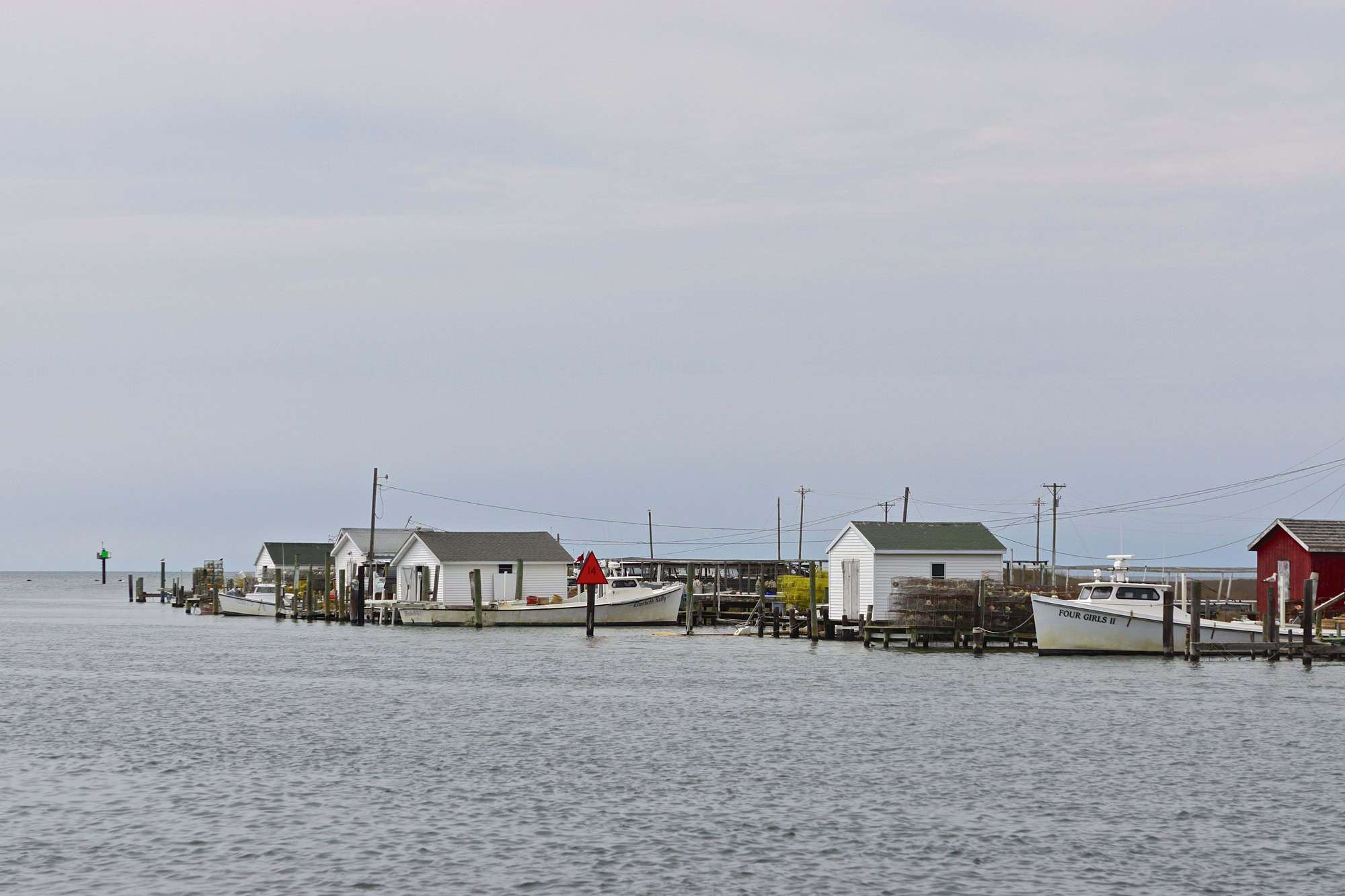
Often called the ‘soft shell crab capital of the world,’ Tangier Island feels like stepping into a time machine. Golf carts and bicycles share narrow paths with wheelbarrows full of fresh-caught blue crabs, while watermen speak in a unique dialect that traces back to Colonial times. The island’s 400 residents navigate their three-mile kingdom via golf cart, bicycle, or simply on foot.
Daufuskie Island, South Carolina
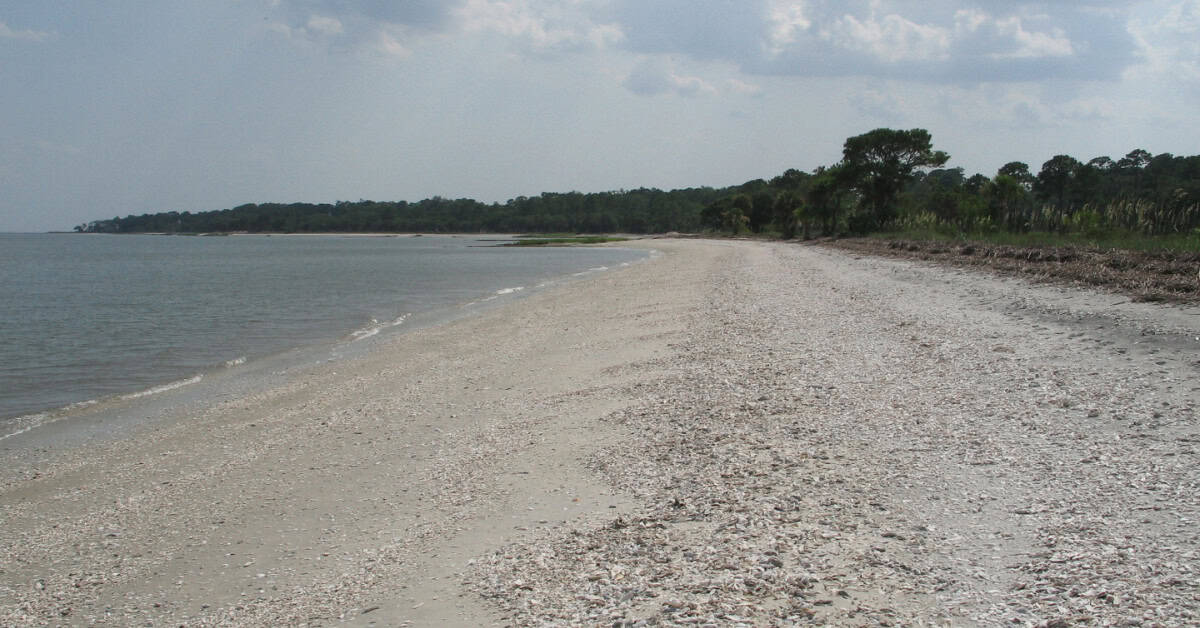
Between Hilton Head and Savannah lies this Spanish moss-draped sanctuary where dirt roads lead to artisan studios housed in historic Gullah homes. Golf carts meander past ancient oak trees and historic ruins, while locals swap stories at the Mary Fields School, where Pat Conroy once taught. The island’s rich Gullah heritage lives on in sweet grass baskets and deviled crab recipes passed down through generations.
Monhegan Island, Maine
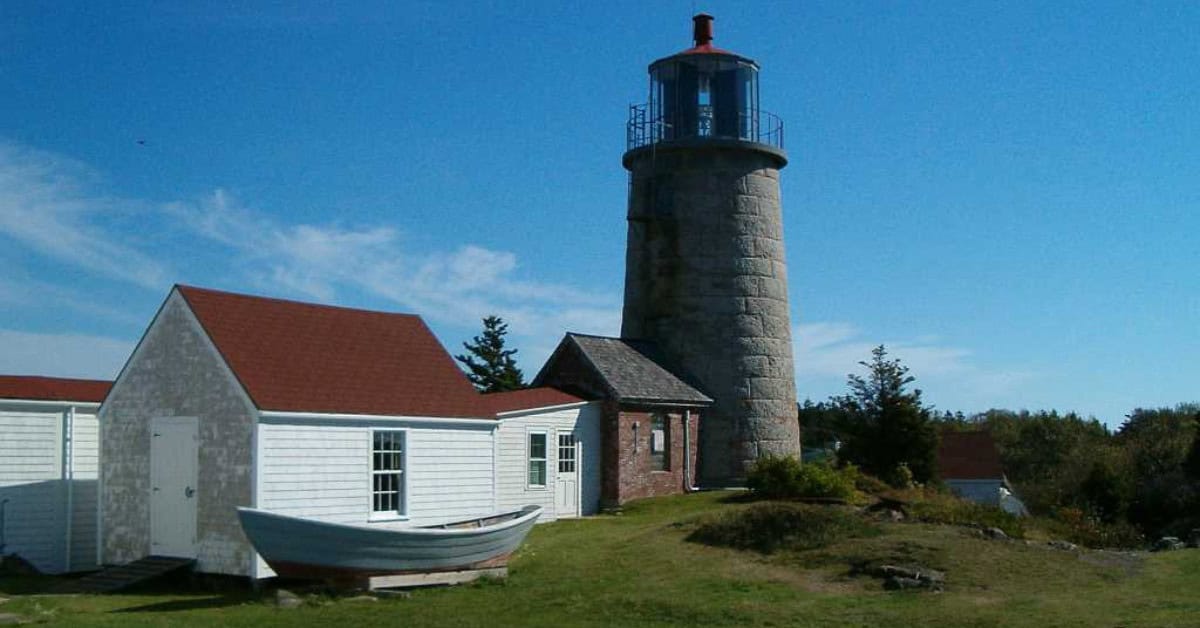
Ten miles off Maine’s coast, this rugged artist colony has inspired painters for over a century. The island’s 17 miles of hiking trails wind through spruce forests to dramatic cliff overlooks, where the only sounds are crashing waves and crying gulls. Residents use rustic wheelbarrows to transport everything from groceries to art supplies along the unpaved village paths.
Bald Head Island, North Carolina
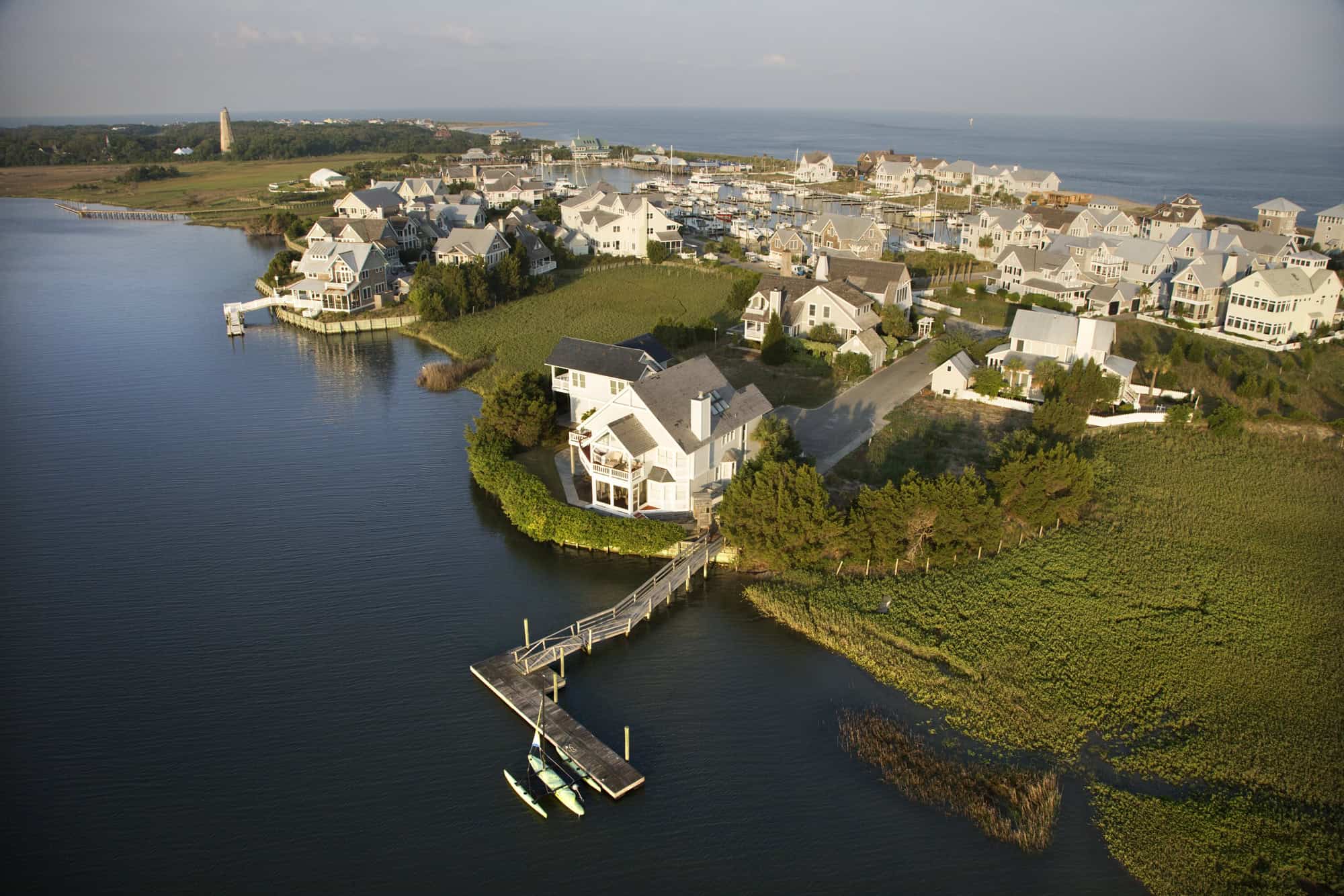
Electric golf carts whir past maritime forests and pristine beaches on this sophisticated Southern escape. Old Baldy, the state’s oldest lighthouse, watches over a community where sea turtles nest undisturbed and kids still catch fireflies in mason jars. The island’s 14 miles of beaches are best explored by bicycle, with plenty of stops to collect sand dollars along the way.
Channel Islands, California
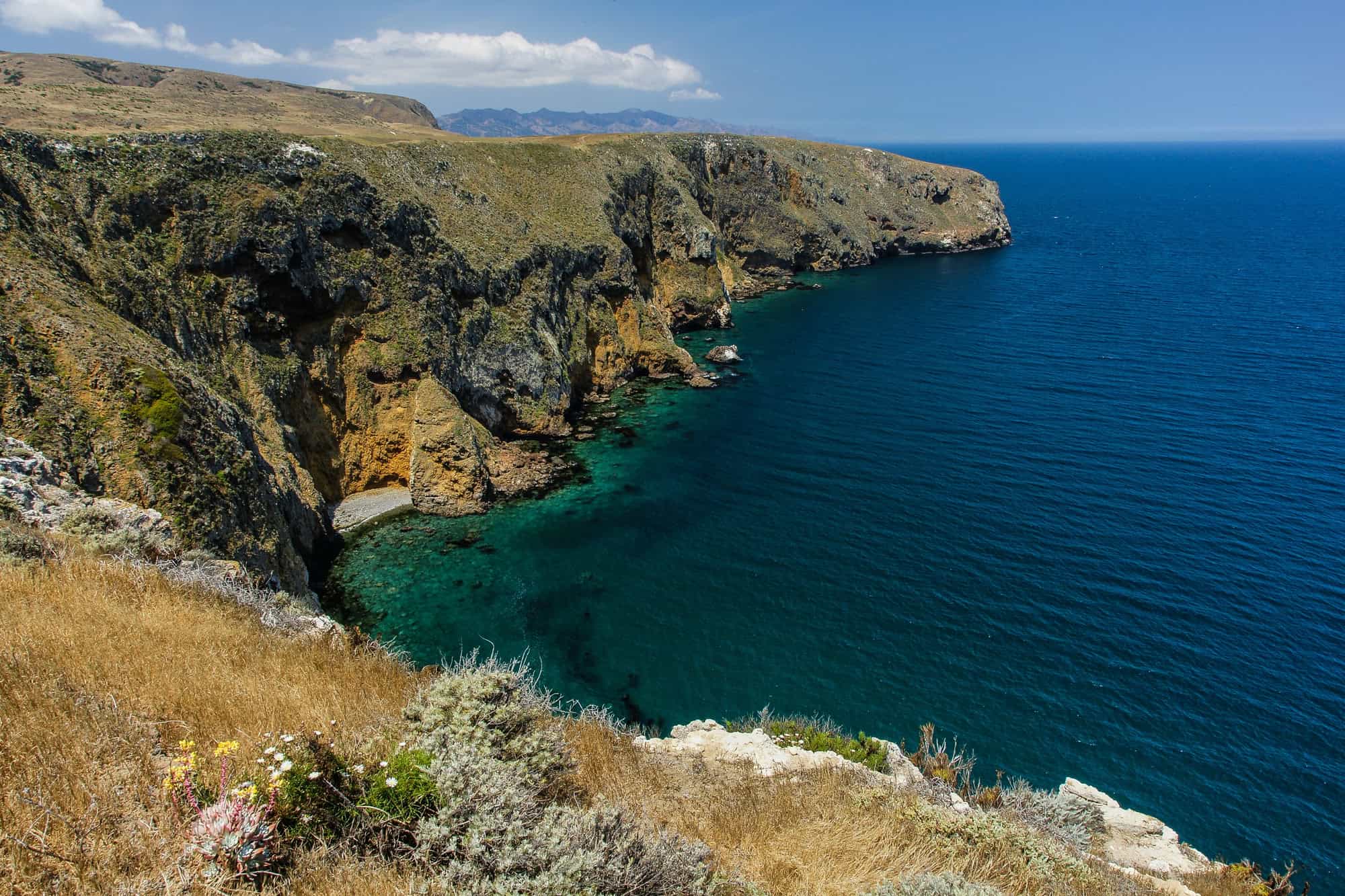
Known as North America’s Galápagos, these five islands offer a glimpse of California as it was centuries ago. Hiking trails crisscross landscapes where island foxes roam freely and ancient pygmy mammoth fossils still emerge from coastal cliffs. The only wheels you’ll find here are on the researchers’ equipment studying the islands’ unique ecosystems.
Sapelo Island, Georgia
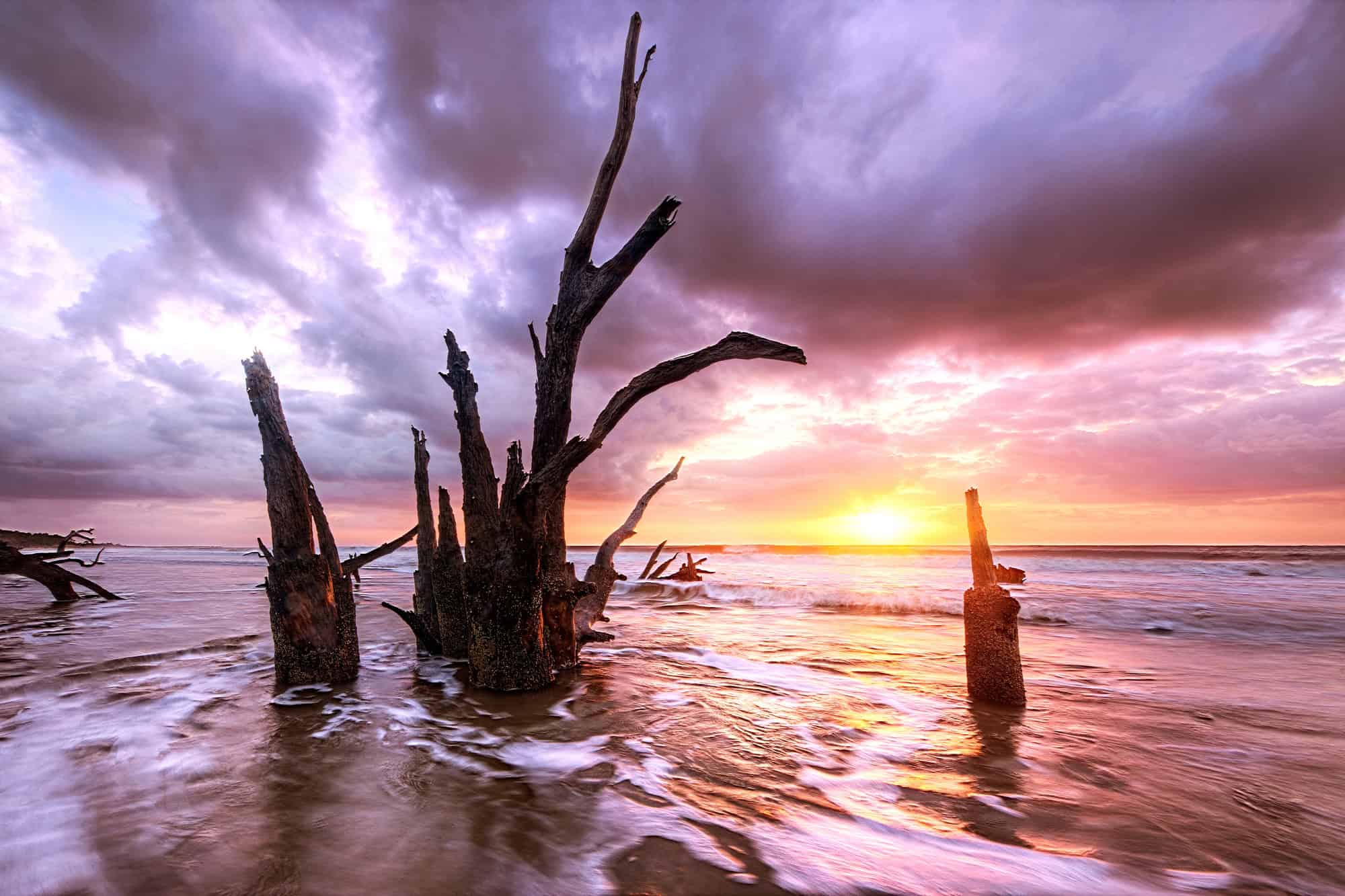
One of the last intact Gullah-Geechee communities in America calls this barrier island home. Descendants of enslaved people still preserve their unique culture, language, and traditions here, where dirt roads lead to hidden beaches and ancient shell rings. The Reynolds Mansion stands as a grand reminder of the island’s complex history, while residents navigate their quiet paradise on foot or by bicycle.
Halibut Cove, Alaska
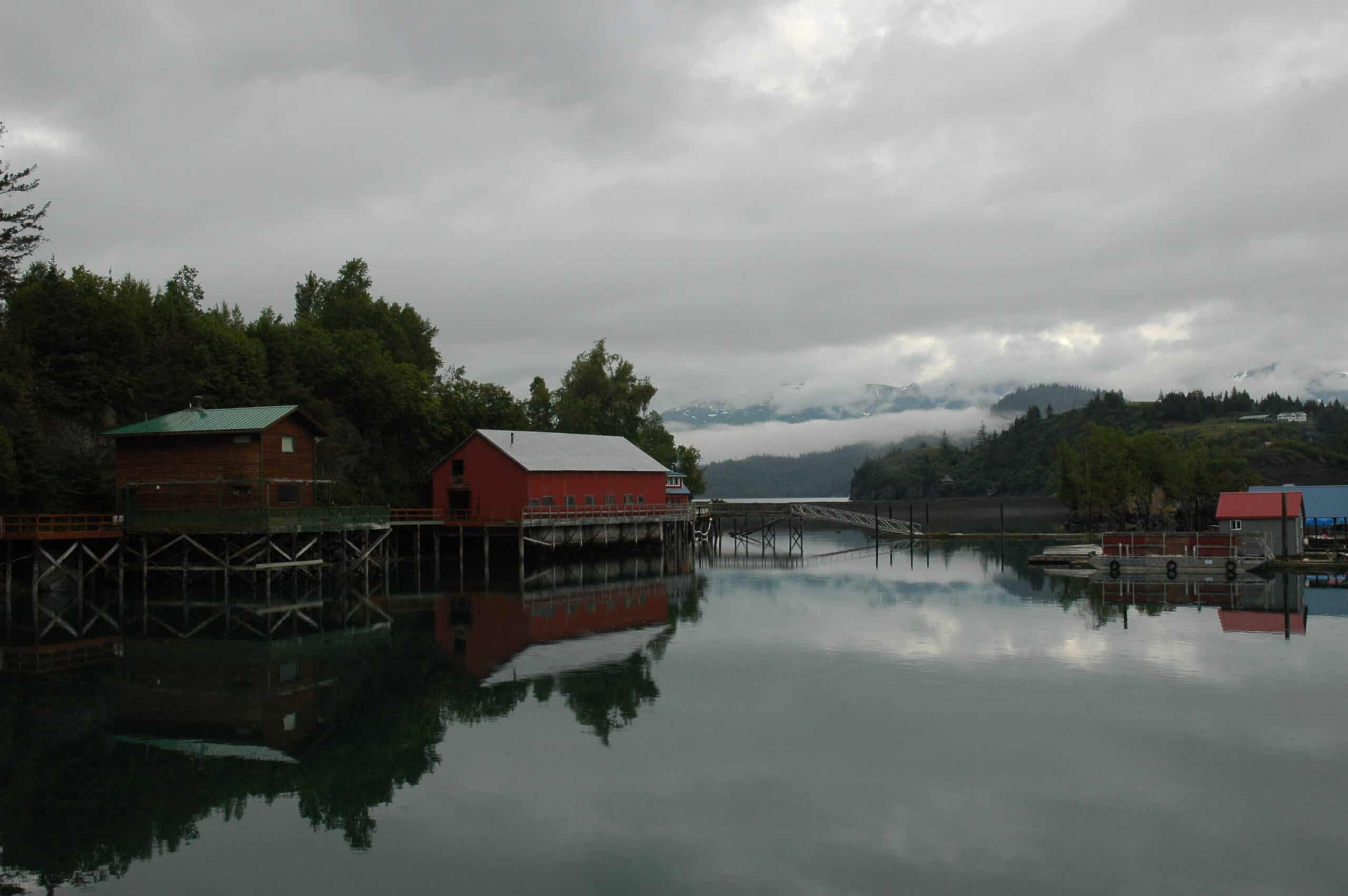
Tucked into Alaska’s Kachemak Bay, this enchanting community of about 90 residents lives life on the water—literally. Houses and galleries perch on stilts above the tide, connected by floating boardwalks that rise and fall with the sea. The only traffic here is the steady parade of fishing boats and water taxis, while residents navigate their vertical village by foot, watching for otters and whales from their doorsteps.
Block Island, Rhode Island

Nicknamed “The Bermuda of the North,” this Victorian-era summer colony sits 13 miles off Rhode Island’s coast, where mopeds and bicycles rule the rolling hills. The dramatic Mohegan Bluffs drop 200 feet to the Atlantic, while two historic lighthouses stand watch over waters where the Block Island Ferry has carried visitors since 1896. Many summer residents still prefer to explore the 17 miles of pristine beaches and hidden coves the old-fashioned way – on foot.
Madeline Island, Wisconsin
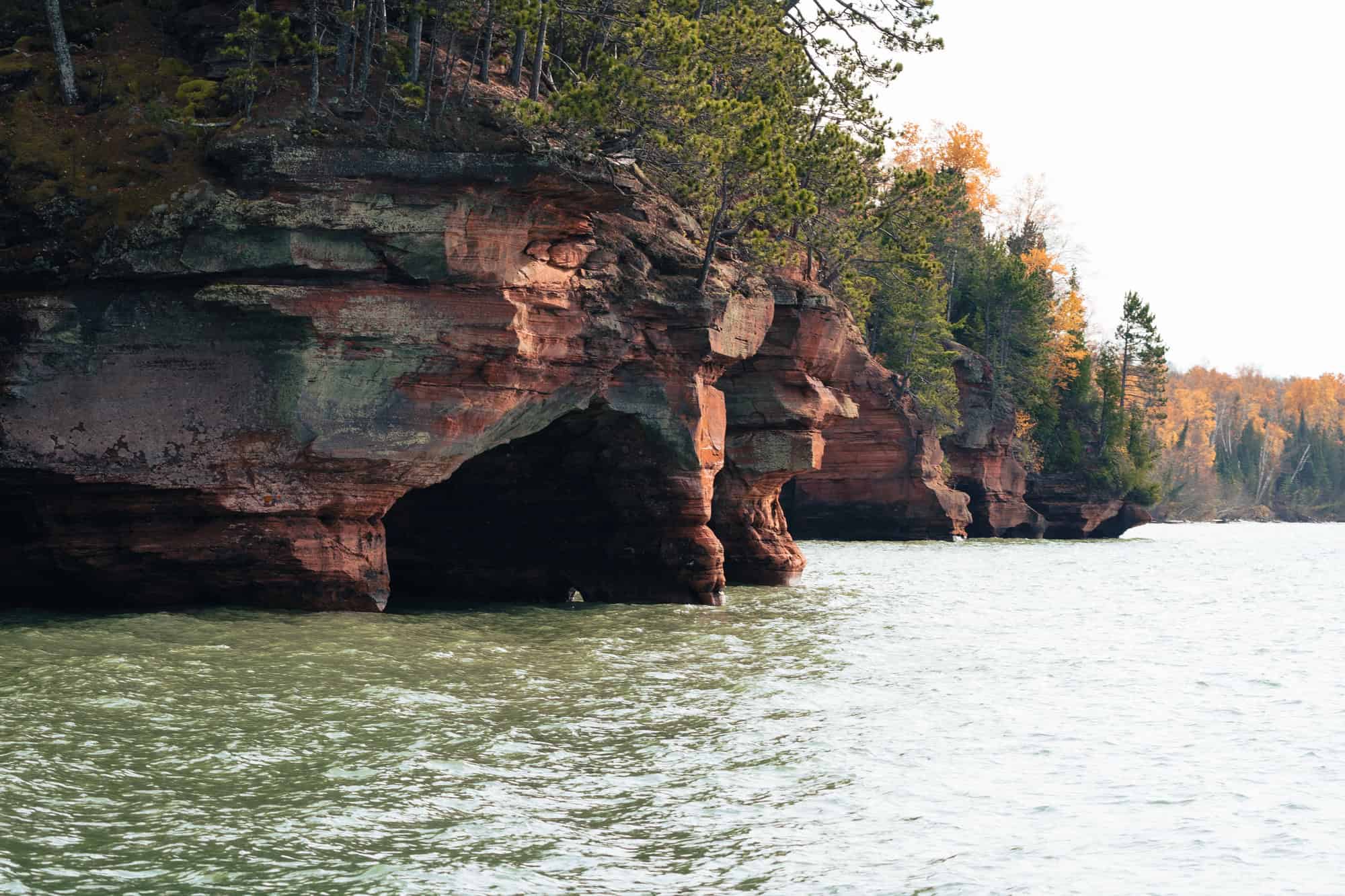
The largest of Lake Superior’s Apostle Islands transforms from a summer haven of bicycles and golf carts to a winter wonderland where the “ice road” becomes the world’s most unique Main Street. Named after an Ojibwe chief’s daughter, the island embraces its slow pace, with locals and visitors alike exploring Big Bay State Park’s red sandstone cliffs by bicycle or kayak. In winter, the island’s 250-year-round residents sometimes travel by windsled across the frozen lake, proving that life without cars breeds innovation.
Cumberland Island, Georgia
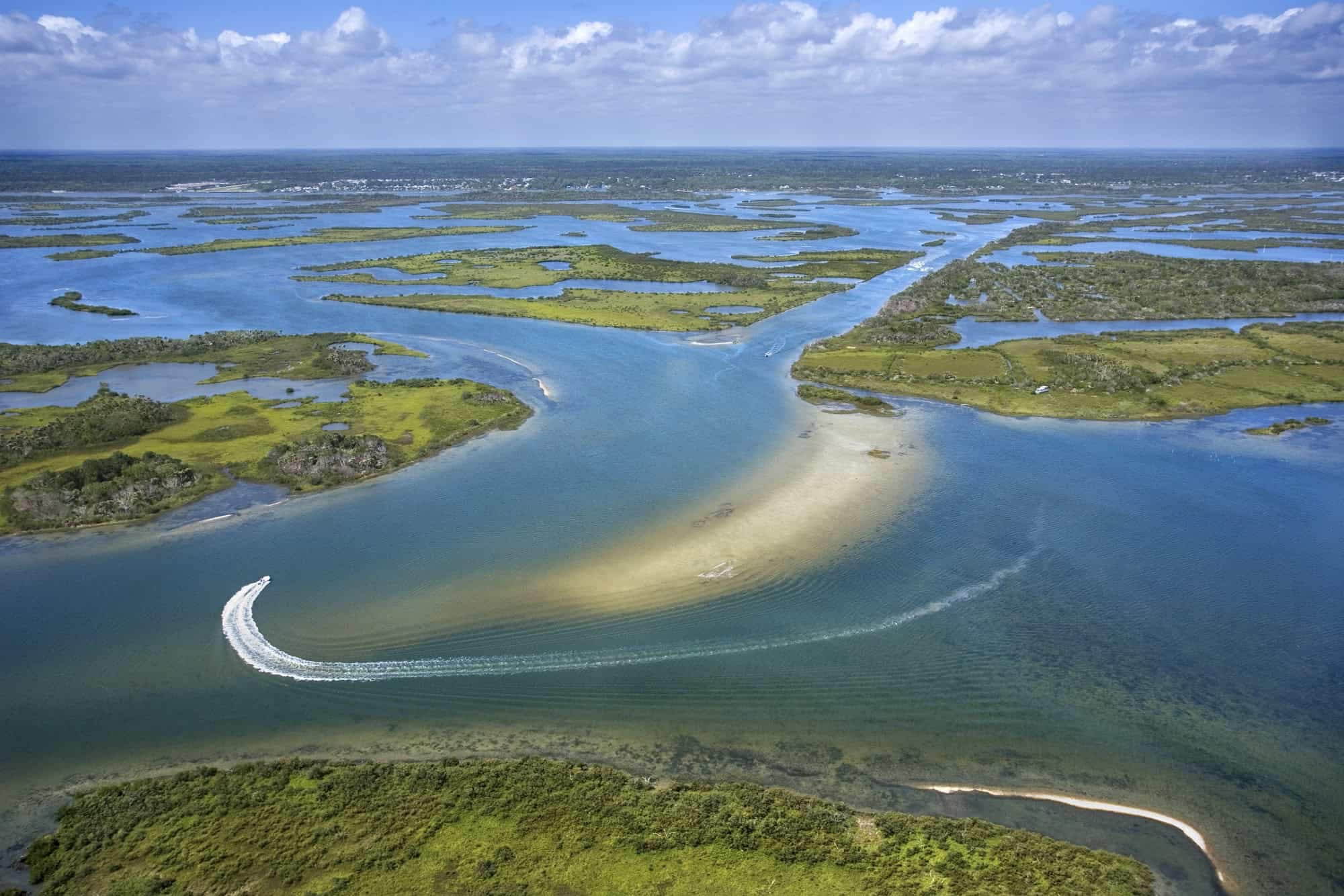
Georgia’s largest barrier island is a wilderness where wild horses roam free among moss-draped oaks and crumbling Carnegie mansions. Accessible only by ferry, this National Seashore offers 17.5 miles of pristine beach where your only company might be grazing horses or nesting sea turtles. The remnants of Dungeness mansion stand as a haunting reminder of the Gilded Age, while today’s visitors explore the maritime forests and dunes on foot, just as nature intended.