

In a city where ancient saguaros stand sentinel over streets lined with vibrant murals, Tucson is writing its next chapter as the Southwest’s most compelling cultural destination. This isn’t just another desert town trading on turquoise and tourists – it’s a place where centuries-old traditions collide with contemporary creativity, creating something entirely new under the Sonoran sun.
A Barrio’s Beautiful Evolution
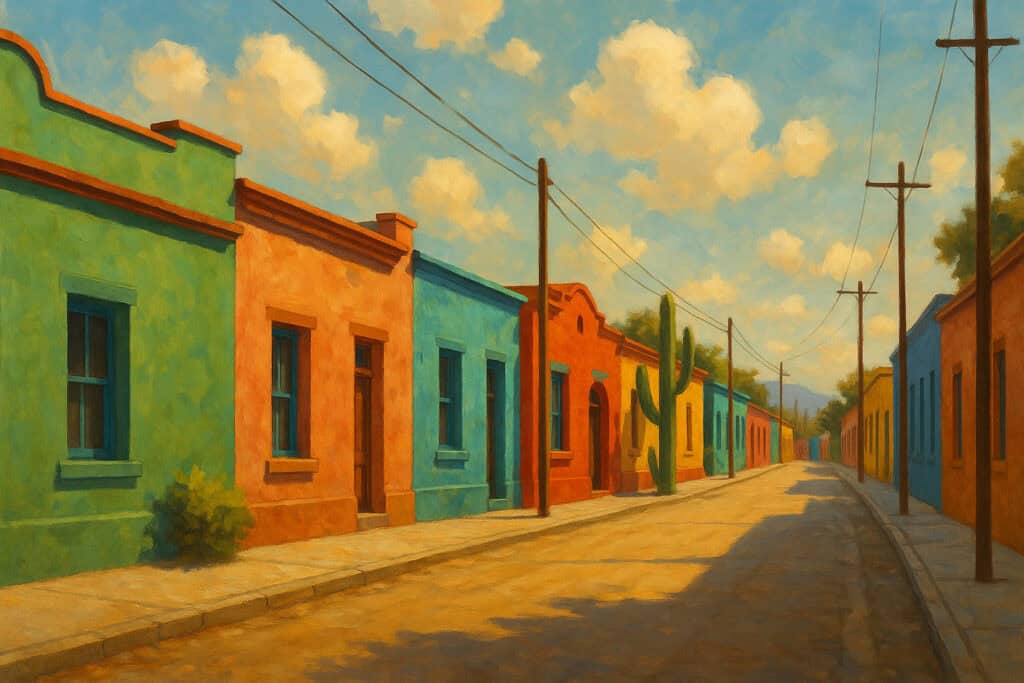
The heart of Tucson’s cultural renaissance beats strongest in Barrio Viejo, recently named one of the “Best Places to Go in 2024” by Condé Nast Traveler. This historic neighborhood, with its colorful adobe homes and narrow streets, isn’t just preserving history – it’s actively reimagining it. According to Tucson.com, the barrio is set to receive National Historic Landmark designation this year, recognizing its unique blend of Mexican, Chinese, and American influences. But what makes this neighborhood truly special isn’t just its past – it’s how it’s evolving into a contemporary arts hub, with five new fine art galleries recently opening along Convent Avenue.
A Taste of Time and Place
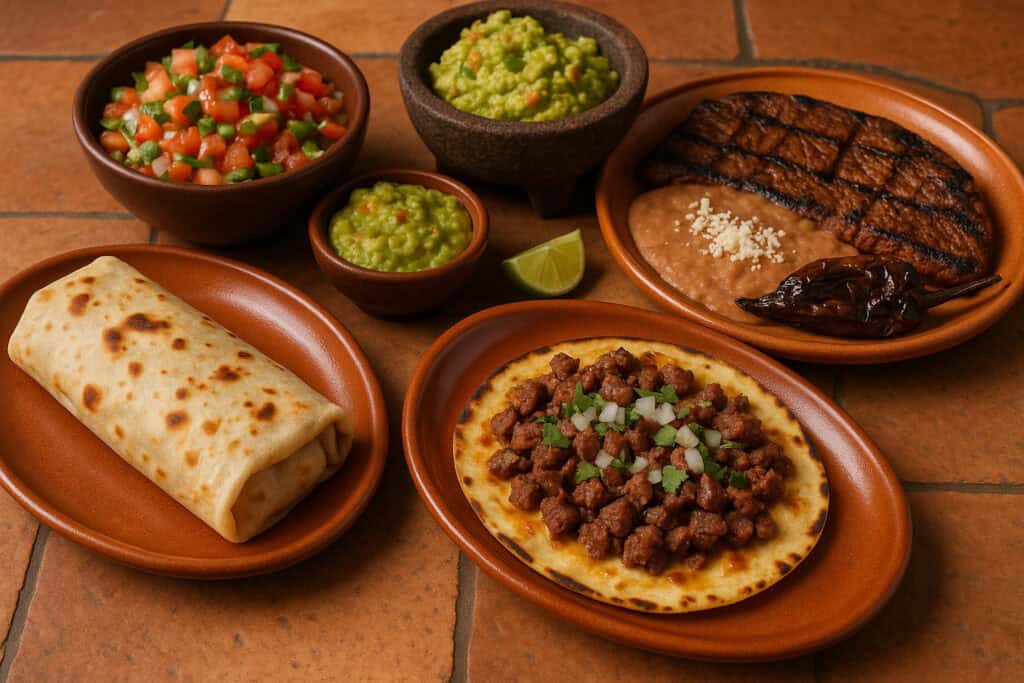
Tucson’s food scene tells a story 4,000 years in the making. The BBC recently highlighted the city’s distinction as home to the oldest continuously cultivated soil in North America, but it’s what local chefs are doing with that heritage that’s turning heads. The city’s innovative restaurateurs are reimagining Sonoran Desert cuisine, combining indigenous ingredients with modern techniques. Think prickly pear glazed duck tacos, cholla bud ceviche, and mesquite flour pasta – dishes that could only exist here.
Where Desert Meets Design
The Warehouse Arts District represents Tucson’s industrial past transformed into creative future. In converted railway buildings and former produce warehouses, you’ll find everything from experimental theater companies to contemporary dance studios. The district’s monthly Second Saturdays have become a proving ground for emerging artists, where the lines between high art and street art blur beautifully under string lights and desert stars.
Natural Canvas
What sets Tucson apart from other cultural hubs is its integration with the surrounding desert landscape. Gates Pass at sunset isn’t just a photo opportunity – it’s a daily art installation that rivals anything you’ll find in a gallery. Saguaro National Park’s twin districts embrace the city like parentheses, reminding visitors that this is a place where culture grows from the ground up, nourished by monsoon rains and desert light.
A New Cultural Crossroads
Unlike the polished scenes of Santa Fe or Sedona, Tucson maintains a refreshing rawness. Here, James Beard-nominated chefs serve up innovative cuisine in former gas stations. World-class musicians perform in restored movie houses. Indigenous artists showcase contemporary works in spaces where their ancestors once gathered. It’s this authentic blend of high and low, old and new, that makes Tucson’s cultural renaissance feel both genuine and sustainable.
The city’s transformation isn’t happening by accident. It’s the result of conscious efforts to preserve what makes Tucson unique while embracing change that enhances rather than erases its character. As other Southwestern cities race to reinvent themselves, Tucson is proving that sometimes the slowest transformations are the most lasting.
For visitors and residents alike, this moment in Tucson’s evolution offers something special: a chance to experience a cultural scene that’s both deeply rooted and wildly innovative, where every sunset feels like an invitation to discover something new in something very, very old.