

Discover the world’s hidden gems with our curated list of 24 astonishing UNESCO World Heritage Sites that fly under the radar. From the windswept ruins of ancient cities to tranquil landscapes that have inspired poets and painters, these lesser-known destinations offer a glimpse into the world’s diverse cultural and natural heritage.
Whether you’re a history buff, nature lover, or simply in search of your next adventure, this gallery is your gateway to the extraordinary.
Val d’Orcia, Italy
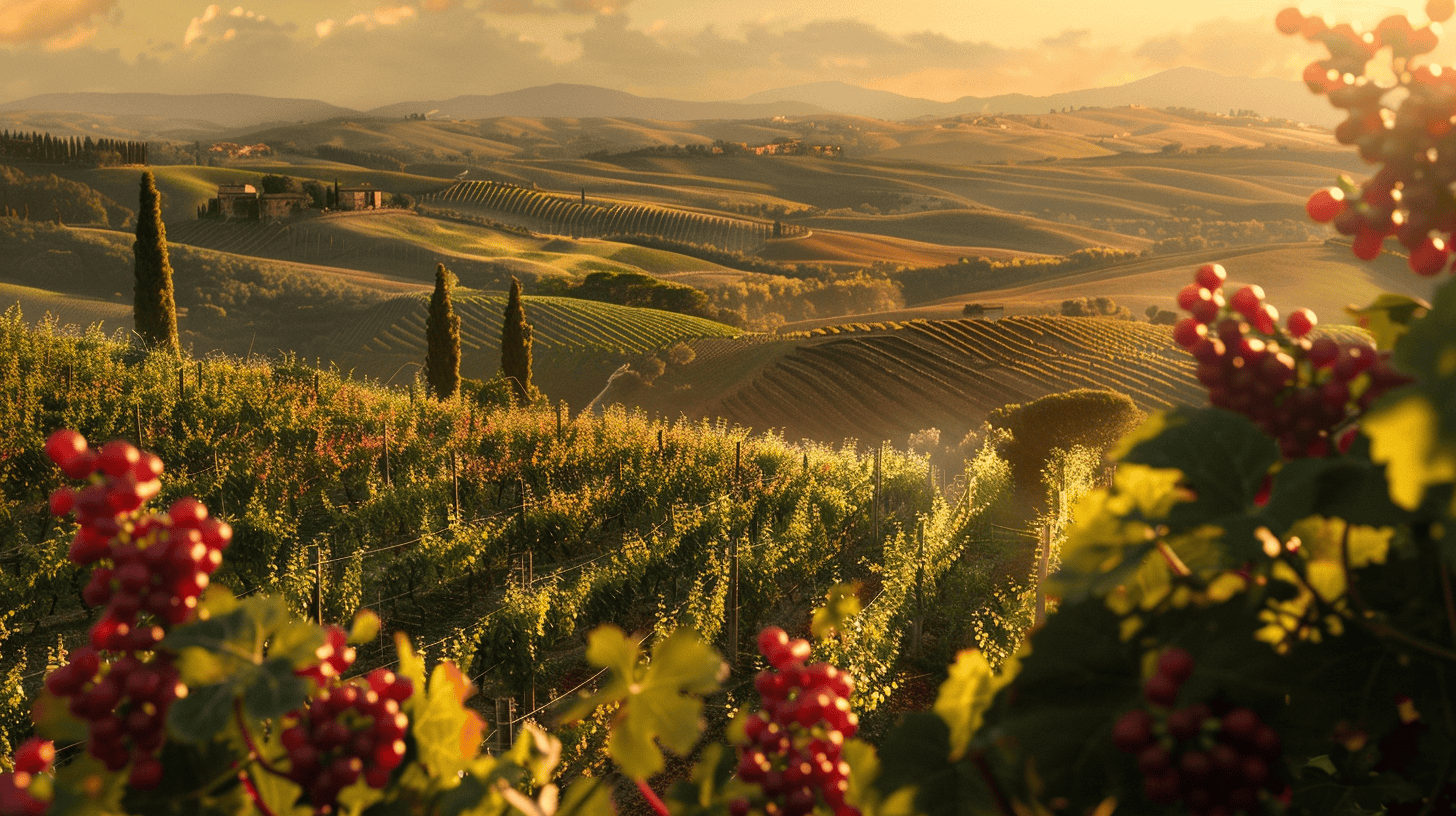
Nestled in the heart of Tuscany, Italy, Val d’Orcia is a breathtaking UNESCO World Heritage Site celebrated for its sweeping vistas of rolling hills, dotted with cypress trees and encircled by vineyards. This region embodies the harmony between human cultivation and nature’s beauty, perfected during the Renaissance under the influence of the Sienese patrons who transformed it into an artful, productive landscape.
Today, Val d’Orcia not only continues to inspire with its idyllic settings—which influenced Renaissance painters like Ambrogio Lorenzetti—but also thrives with its renowned wine production, including Brunello di Montalcino. A visit here offers a journey through a landscape where historical cultivation and natural allure blend seamlessly, providing a timeless testament to Tuscany’s soul.
The Gondwana Rainforests, Australia

Spanning across New South Wales and Queensland, the Gondwana Rainforests of Australia are a remarkable UNESCO World Heritage Site that offers a window into the past, to a time when the ancient supercontinent of Gondwana thrived. These extensive rainforests are divided into several types, including subtropical, warm temperate, and cool temperate, each hosting an array of unique and often ancient plant species like the Antarctic Beech trees—silent witnesses to a bygone era.
As one of the world’s most significant subtropical rainforest reserves, this site not only captivates with its lush, primeval beauty but also plays a crucial role in preserving a plethora of endemic wildlife, including the elusive Albert’s Lyrebird and the endangered Giant Barred Frog. A visit here is a journey through evolutionary history, surrounded by the sounds and sights of a biodiversity hotspot that remains largely uncharted by the average traveler.
Kuk Early Agricultural Site, Papua New Guinea

In Papua New Guinea’s Wahgi Valley, the Kuk Early Agricultural Site offers a distinctive window into the dawn of farming, tracing back over 7,000 years. This UNESCO World Heritage Site boasts remarkably preserved archaeological finds, including ancient drainage systems and the earliest evidence of crop cultivation in the region.
As one of the world’s few locations where the evolution from foraging to farming can be meticulously studied, Kuk reveals how early inhabitants adapted their practices to thrive within the lush highlands. The site not only underscores the ingenuity of early agricultural methods but also highlights its profound influence on societal structures and land management, making it an essential but often overlooked gem in the tapestry of human history.
Antequera Dolmens Site, Spain
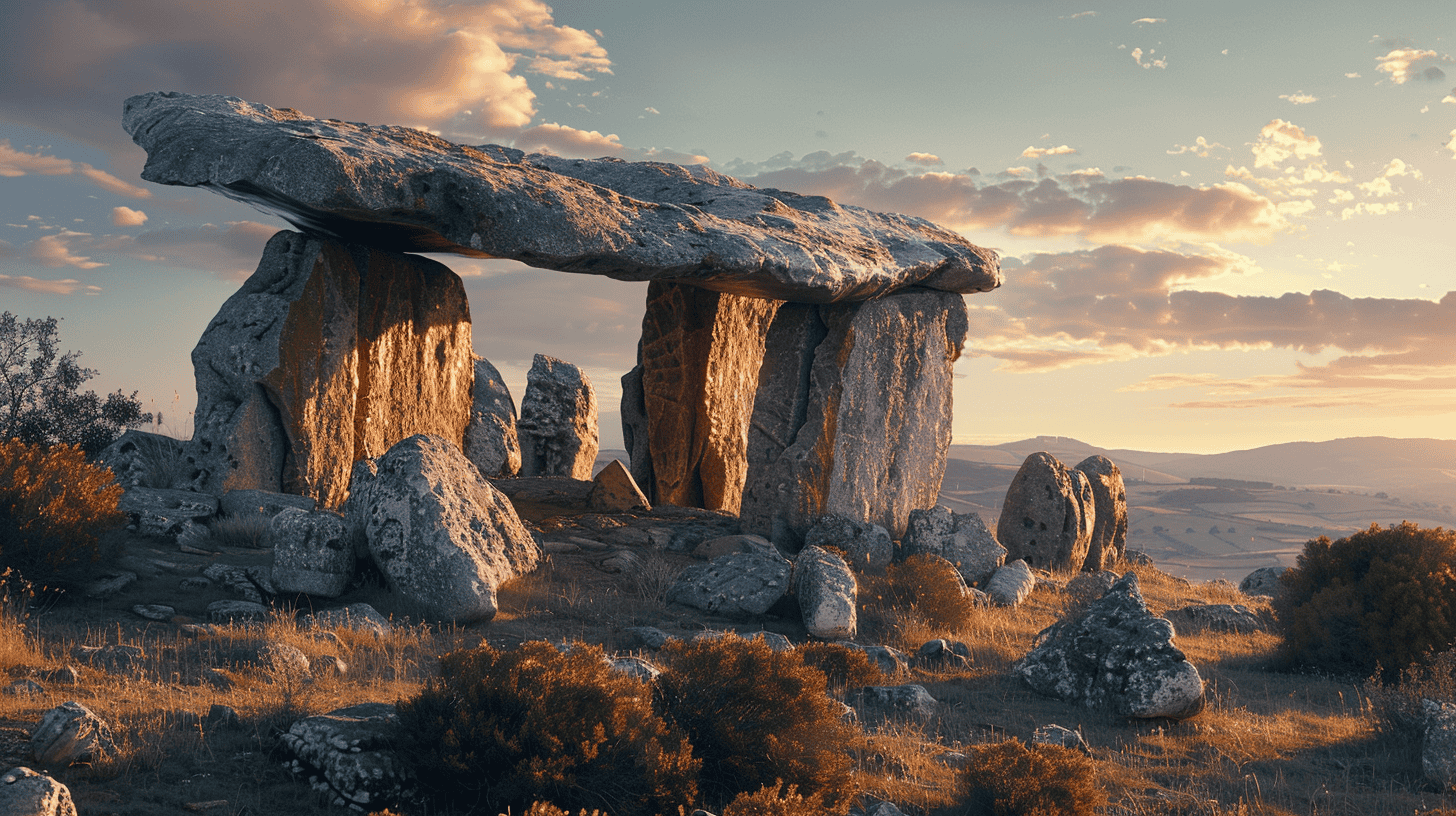
Tucked away in the province of Málaga, Andalusia, the Antequera Dolmens Site houses some of Europe’s most impressive megalithic structures, dating back to between the 4th and 3rd millennia BCE. This UNESCO World Heritage Site includes three monumental dolmens: Menga, Viera, and the Tholos of El Romeral, each serving historically as burial chambers and ceremonial sites.
Particularly striking is the Menga Dolmen, renowned for its massive capstone weighing about 180 tons and its alignment with the nearby La Peña de los Enamorados mountain, hinting at its astronomical or symbolic significance. These dolmens not only showcase the architectural prowess and sophisticated celestial understanding of their creators but also offer a profound glimpse into the spiritual and communal lives of prehistoric societies.
Chankillo Archaeoastronomical Complex, Peru

Peru’s Chankillo Archaeoastronomical Complex is a stunning testament to the astronomical prowess of ancient civilizations, dating back to around 300 BCE. Nestled in the coastal desert of the Ancash Region, this site is anchored by the “Thirteen Towers,” which span approximately 300 meters along a ridge, meticulously aligned to chart the sun’s position throughout the year.
These structures enabled the precise determination of solstices, equinoxes, and other crucial solar events, forming the backbone of a solar calendar essential for agriculture and ceremonial purposes. As a lesser-known UNESCO World Heritage Site, Chankillo not only showcases a sophisticated understanding of solar cycles but also offers a profound insight into the interplay between architecture, science, and spirituality in ancient Peru.
Sulaiman-Too Sacred Mountain, Kyrgyzstan

In the heart of Osh, Sulaiman-Too Sacred Mountain rises dramatically from the plains of Kyrgyzstan, earning its place as a spiritual beacon for over 1,500 years. Designated as a UNESCO World Heritage Site in 2009, this storied peak, also known as Solomon’s Throne, has served as a pilgrimage site for a myriad of faiths, including Zoroastrianism, Buddhism, and Islam.
The slopes of Sulaiman-Too are adorned with ancient petroglyphs and sacred sites, offering a profound glimpse into the spiritual and cultural tapestry of Central Asia. Whether drawn by faith or curiosity, visitors to this less-charted heritage site are rewarded with rich historical insights and serene panoramic vistas.
Tongariro National Park, New Zealand

Tongariro National Park, New Zealand’s oldest national park, is a spectacle of natural wonder and cultural reverence. Declared a UNESCO World Heritage Site for its intertwining of dramatic volcanic formations and Maori traditions, the park is dominated by three sacred peaks: Mount Tongariro, Mount Ngauruhoe, and Mount Ruapehu.
Visitors are captivated by its dramatic landscapes, from rugged volcanic terrains and serene alpine meadows to the vivid Emerald Lakes. This park not only preserves the natural environment but also honors the spiritual heritage of the Ngati Tuwharetoa tribe, making it a must-visit for those who appreciate the deep connections between culture and nature.
Nan Madol, Micronesia
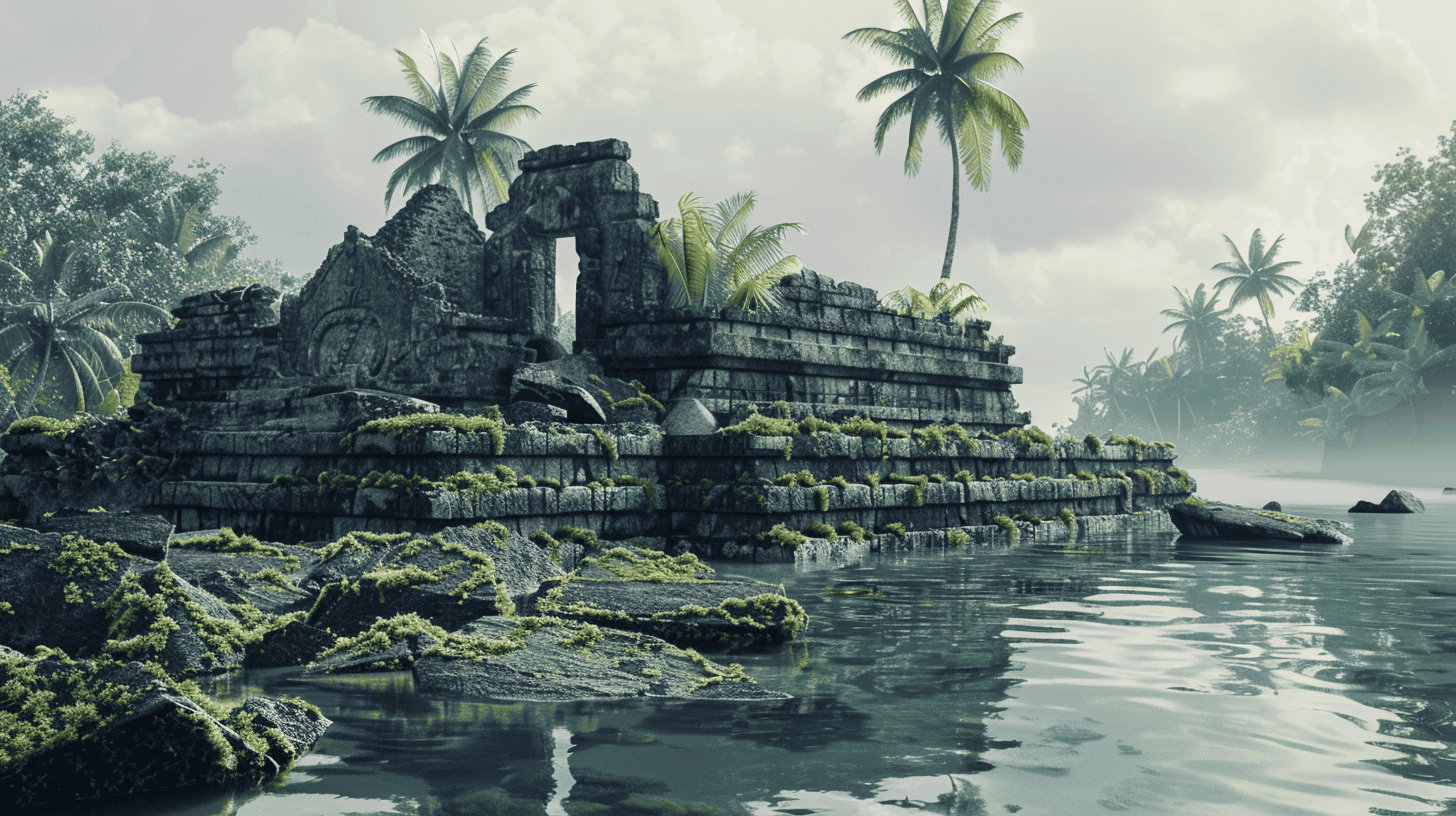
Nan Madol, often dubbed the “Venice of the Pacific,” is a remarkable archaeological site located off the eastern coast of Pohnpei in Micronesia. This sprawling complex, recognized as a UNESCO World Heritage Site, consists of nearly 100 artificial islets linked by a network of man-made canals, sprawling over an area of about 1.5 square kilometers.
Constructed between the 8th and 17th centuries from massive basalt stones and coral boulders, Nan Madol served as the ceremonial and political hub of the Saudeleur Dynasty. The intricacy of its design and the sheer scale of its stone structures reveal the advanced engineering skills and social organization of its creators, continuing to captivate visitors and scholars alike with its mysterious grandeur and cultural significance.
Tsodilo Hills, Botswana
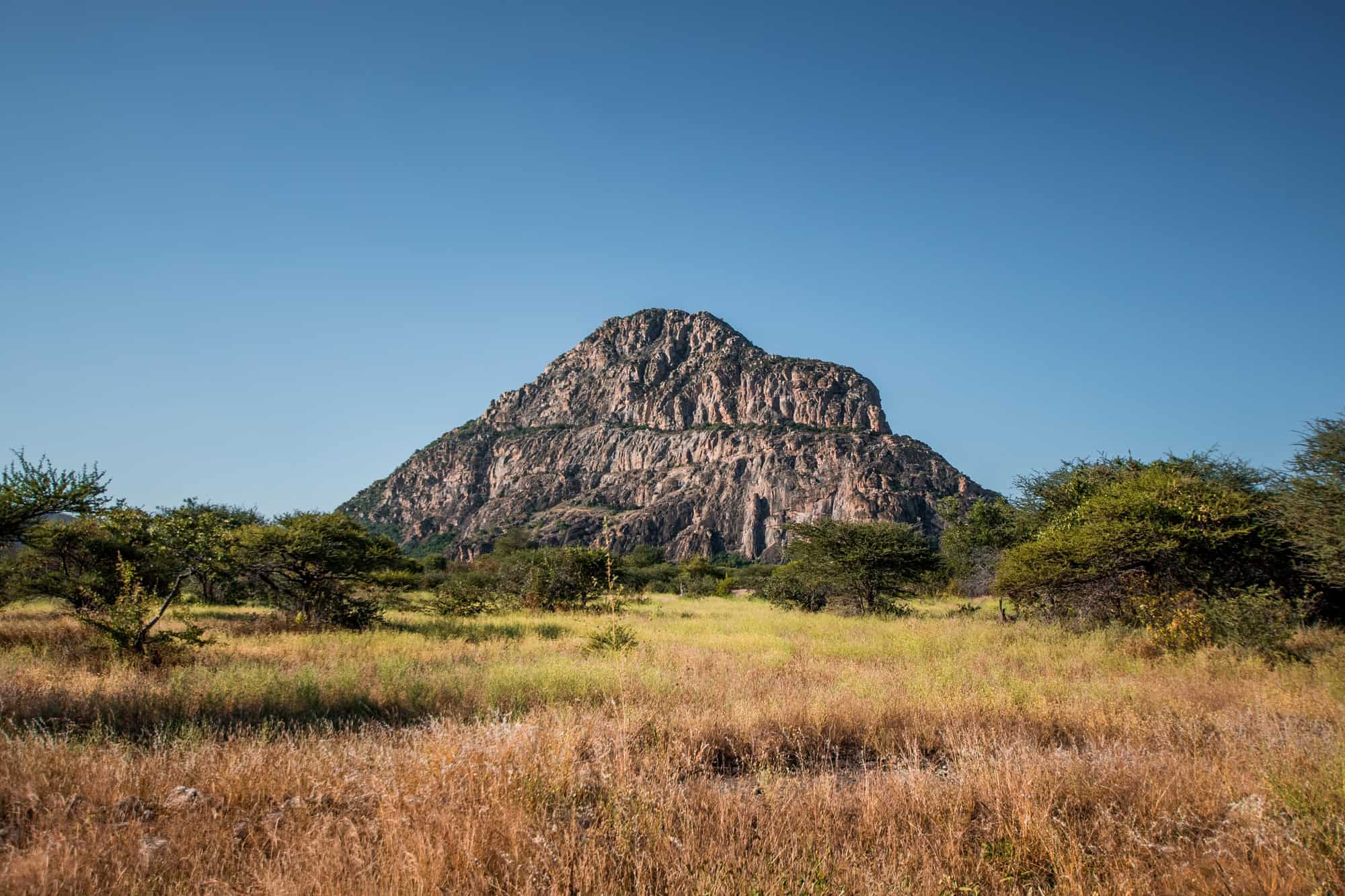
Tsodilo Hills in Botswana stands as a profound testament to the intertwining of human history and spirituality, rightfully earning its place as a UNESCO World Heritage Site. Home to over 4,500 ancient rock paintings, these hills trace the cultural and spiritual narrative of the San people across millennia, illustrating everything from daily life to deep religious rituals.
Revered by local indigenous communities as a sacred landscape, Tsodilo is more than just an archaeological site; it is considered the birthplace of creation, holding the spirits of ancestors within its dramatic rock formations. For those enchanted by the deep history and enduring mystique of lesser-known cultural sanctuaries, Tsodilo offers a uniquely spiritual journey through the heart of the Kalahari Desert.
The Painted Churches in the Troödos Region, Cyprus

In the scenic Troödos Mountains of Cyprus, the Painted Churches stand as a captivating UNESCO World Heritage Site, famous for their Byzantine frescoes painted between the 11th and 16th centuries. Each of these ten churches showcases vibrant, detailed frescoes that bring biblical scenes and saintly narratives to life, blending Eastern Orthodox iconography with distinct local styles.
Among these, the Church of Asinou and the Church of Archangel Michael at Pedoulas are particularly renowned for their superb and intricate wall paintings. Set against the island’s tranquil, remote mountain backdrops, these churches offer not just artistic and historical insights but a peaceful retreat into the spiritual heritage of Cyprus.
Galápagos Islands, Ecuador
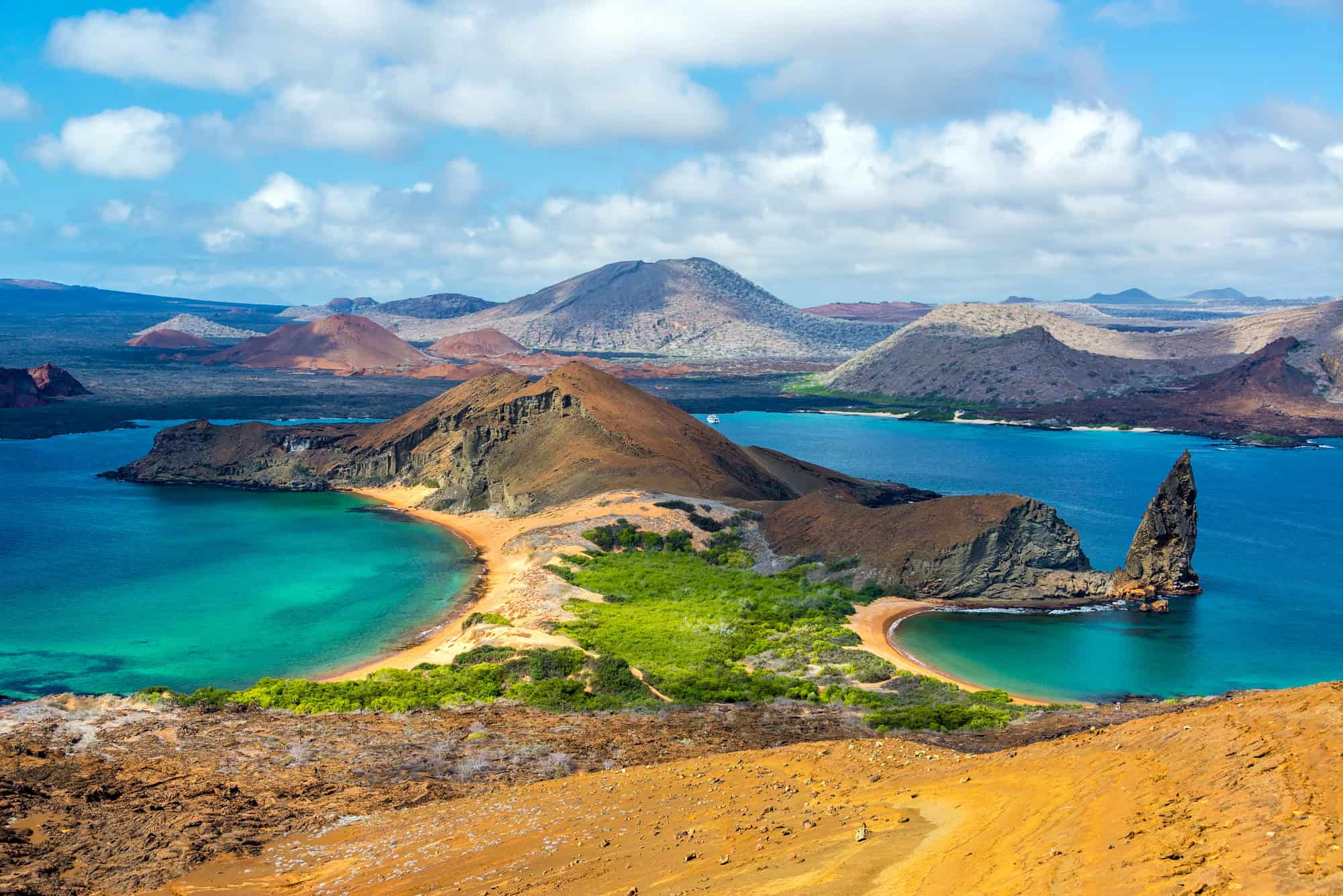
The Galápagos Islands, a secluded archipelago off the coast of Ecuador, are celebrated not only for their profound impact on Charles Darwin’s theory of evolution but also as a UNESCO World Heritage Site since 1978, recognized for unparalleled biodiversity. This ecosystem hosts an array of astonishing species, from the iconic Galápagos tortoises to the variously adapted “Darwin’s finches,” each evolved to thrive in specific niches across the islands.
These islands provided Darwin with critical insights into natural selection during his exploration in 1835, observing the subtle variations among species isolated on different islands. Today, the Galápagos continue to fascinate with their diverse habitats, from stark volcanic landscapes to lush highlands, supporting creatures as unusual as the equatorial penguins and flightless cormorants.
Rapa Nui National Park, Easter Island, Chile

Rapa Nui National Park on Easter Island, Chile, is an archaeological treasure trove famous for its enigmatic Moai statues, massive stone figures carved by the Rapa Nui people between the 10th and 16th centuries. This UNESCO World Heritage Site since 1995 captures the imagination with around 900 of these statues, standing as silent guardians of the island’s rich history.
The Moai are strategically placed on stone platforms called ahu, with most facing inland across various sites, including the quarry at Rano Raraku where they were sculpted, revealing the sophisticated craftsmanship of their creators. The park’s rugged landscapes, from volcanic craters to rolling hills, not only enhance the mystical allure of these iconic figures but also help preserve the cultural heritage and natural environment of this remote island.
Tchogha Zanbil, Iran
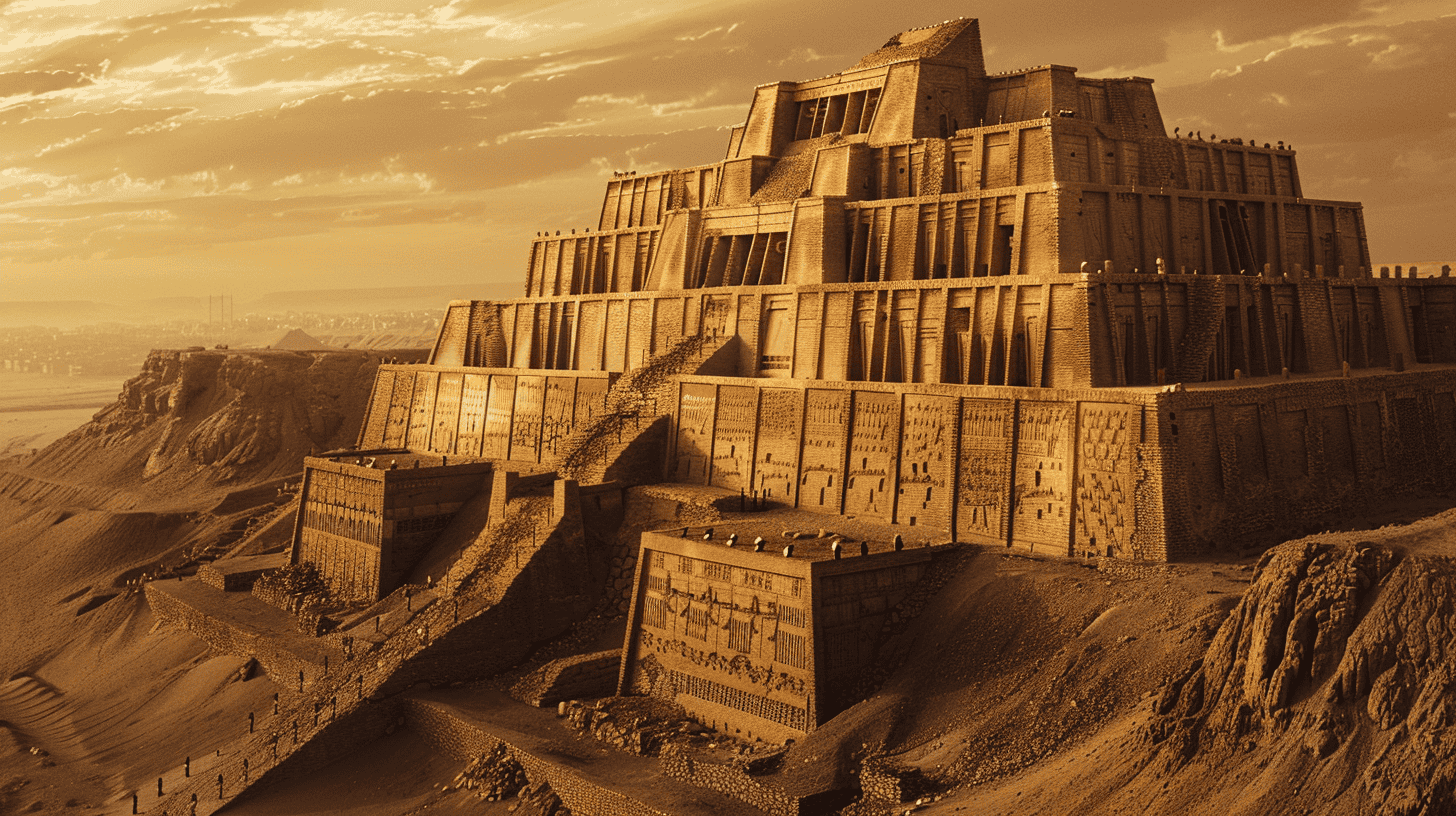
Tchogha Zanbil, nestled in Iran’s Khuzestan province, is a stunning representation of the ancient Elamite civilization’s architectural genius, distinguished by its well-preserved ziggurat, originally erected in the 13th century BCE. This UNESCO World Heritage Site, recognized since 1979, showcases a massive ziggurat dedicated to Inshushinak, reflecting the Elamites’ sophisticated urban planning and religious devotion.
Constructed from mud bricks with an enduring baked brick exterior, the ziggurat’s design features a terraced structure that highlights the Elamites’ mastery of creating monumental buildings adapted to the arid environment. Tchogha Zanbil stands as a rare example outside of Mesopotamia and offers a unique glimpse into the spiritual and daily lives of its ancient builders.
Aflaj Irrigation Systems of Oman

The Aflaj Irrigation Systems of Oman, a marvel of ancient engineering and hydrology, highlight the ingenuity of Omani ancestors to sustain life in the harsh desert environments. Recognized by UNESCO in 2006, these sophisticated networks of channels have facilitated agriculture in the Arabian Peninsula for over 1,500 years.
The systems, which include notable ones like Falaj Al-Khatmeen and Falaj Daris, ingeniously utilize gravity to channel water from underground sources across vast arid landscapes to farms and communities. This sustainable method of water management not only underscores Oman’s rich cultural heritage but also demonstrates a profound understanding of natural resource stewardship, making the Aflaj systems a vital, yet under-appreciated, part of global heritage.
Serra da Capivara National Park, Brazil
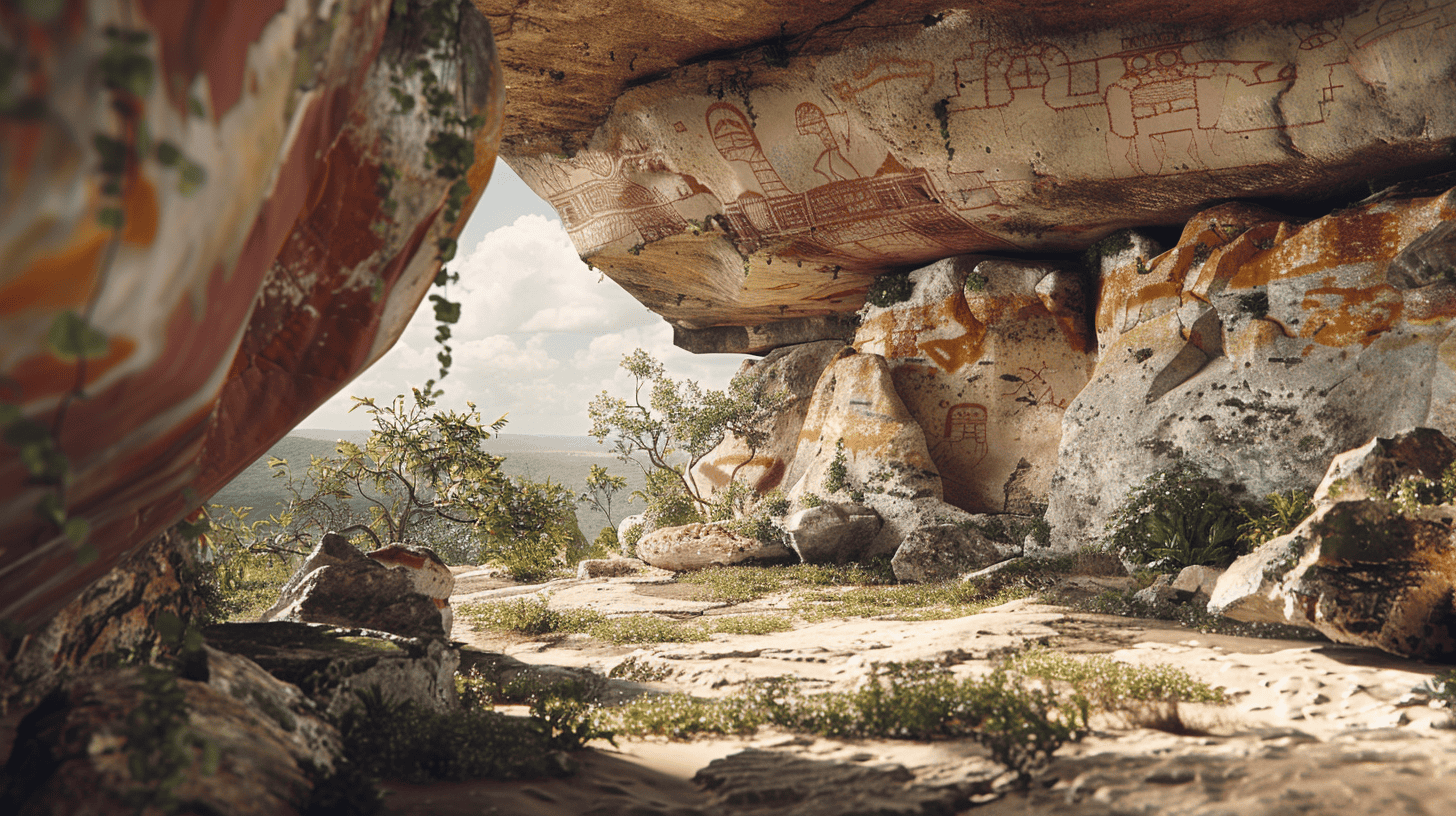
Serra da Capivara National Park in Piauí, Brazil, is a captivating UNESCO World Heritage Site renowned for its vast collection of prehistoric rock art and dramatic landscapes. Established in 1991, this park spans over 129,000 hectares and features more than 1,000 archaeological sites, making it a treasure trove of ancient artistic expressions dating back over 25,000 years.
The captivating rock paintings, depicting human figures, animals, and various daily scenes, offer profound insights into the lives and beliefs of early human societies. Complementing its rich historical tapestry, the park’s rugged terrain—marked by cliffs, canyons, and plateaus—creates an amazing backdrop that not only enriches the experience for visitors but also underscores the enduring relationship between humans and the natural world.
Humberstone and Santa Laura Saltpeter Works, Chile
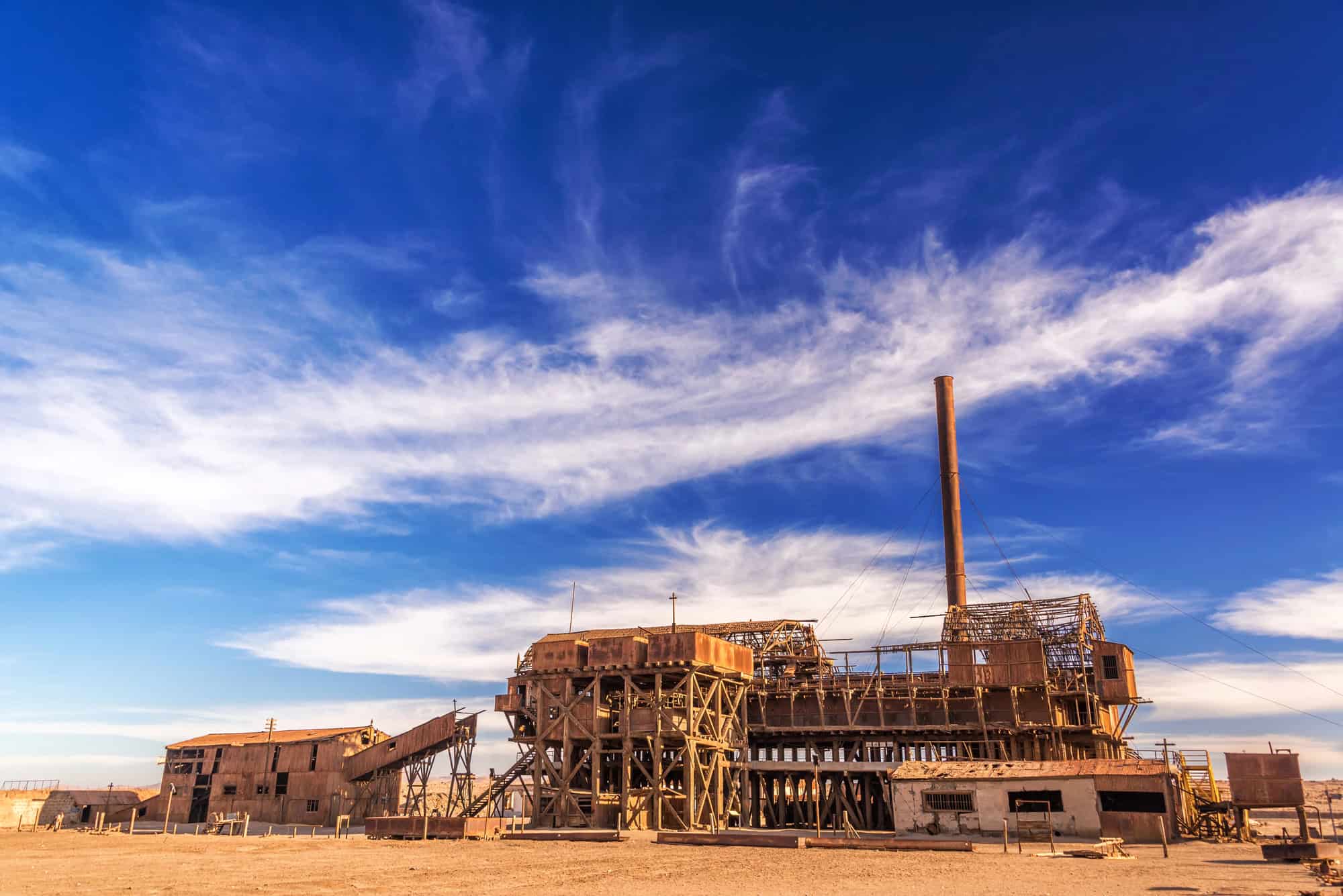
Venture into the haunting landscapes of Humberstone and Santa Laura Saltpeter Works in Chile’s stark Atacama Desert, sites that tell the gritty story of the saltpeter mining boom. Declared UNESCO World Heritage Sites in 2005, these ghost towns were once bustling hubs of activity, crucial to global agriculture and warfare before the advent of synthetic fertilizers.
Today, visitors can explore the well-preserved remains of schools, theaters, and factories—a poignant testament to the daily lives of the workers who toiled in this harsh environment. Humberstone and Santa Laura not only offer a glimpse into the past but also serve as a reminder of the transient nature of industrial surges and their lasting impacts on communities and landscapes.
Konso Cultural Landscape, Ethiopia

Step into the remarkable world of the Konso Cultural Landscape in Ethiopia, a UNESCO World Heritage Site since 2011 that epitomizes the creativity and endurance of the Konso people. This extraordinary area is celebrated for its extensive stone-walled terraces and well-fortified settlements, ingeniously crafted to adapt to the demanding highlands of southern Ethiopia.
These agricultural innovations not only combat soil erosion but also effectively manage water resources, enabling the cultivation of essential crops in a region where arable land is scarce. The Konso’s intricate social structures and robust cultural traditions are vividly embodied in their compact, hilltop villages, protected by towering dry stone walls and marked by iconic wooden totems—silent sentinels of their rich heritage and communal spirit.
Ningaloo Coast, Australia
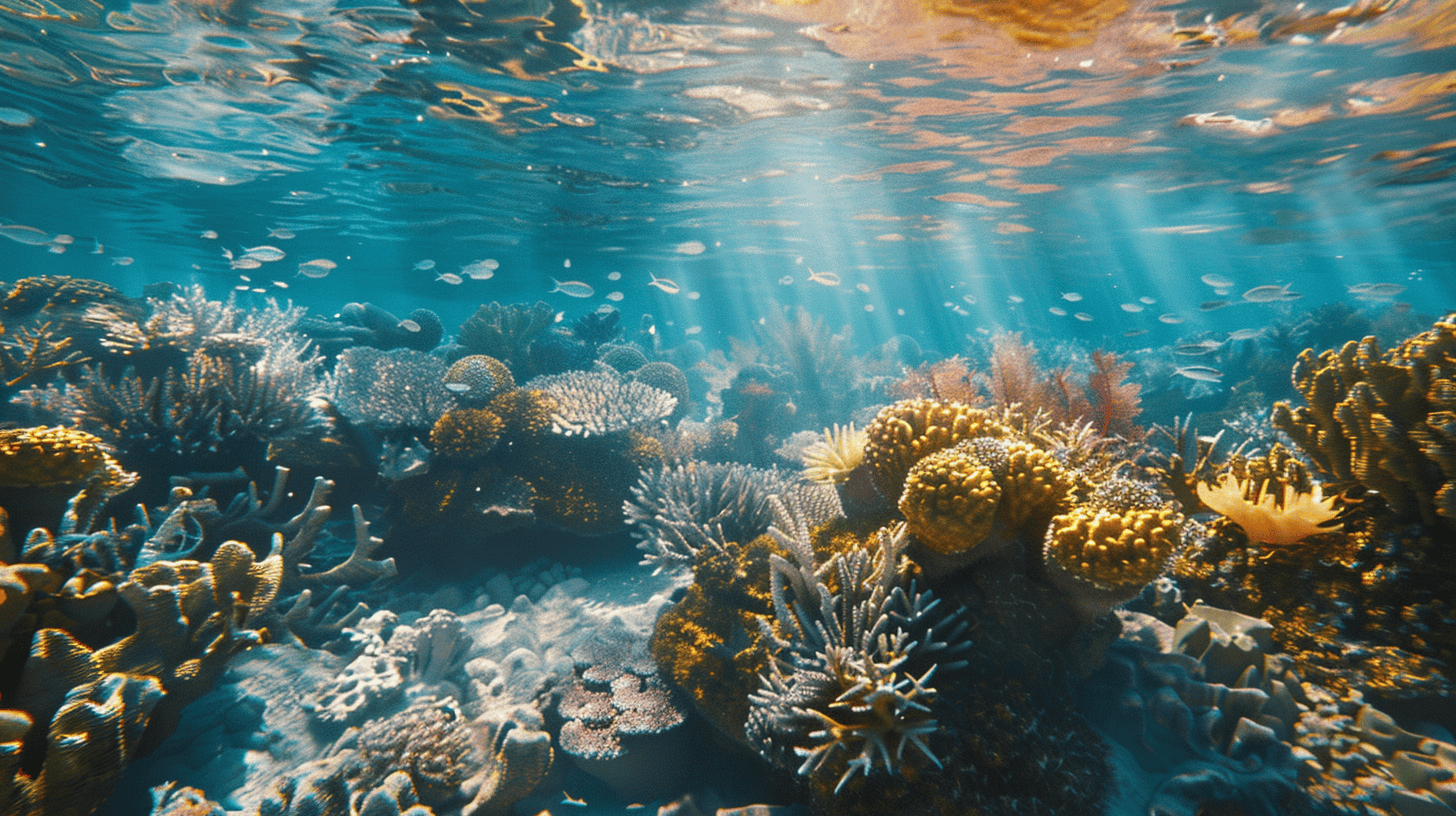
Discover the underwater marvel of Ningaloo Coast in Western Australia, a lesser-known UNESCO World Heritage Site famed for its vibrant coral reefs and rich marine life. Stretching approximately 300 kilometers, Ningaloo Reef offers easy shore access, making it one of the rare places in the world where you can simply walk from the beach right into an underwater wonderland.
This pristine reef is a sanctuary for over 500 fish species and 300 coral types, providing spectacular snorkeling and diving experiences. Beyond its aquatic allure, Ningaloo is also the go-to spot for swimming with the majestic whale sharks, adding an unforgettable adventure to its roster of activities.
Ancient City of Tauric Chersonese and its Chora, Ukraine
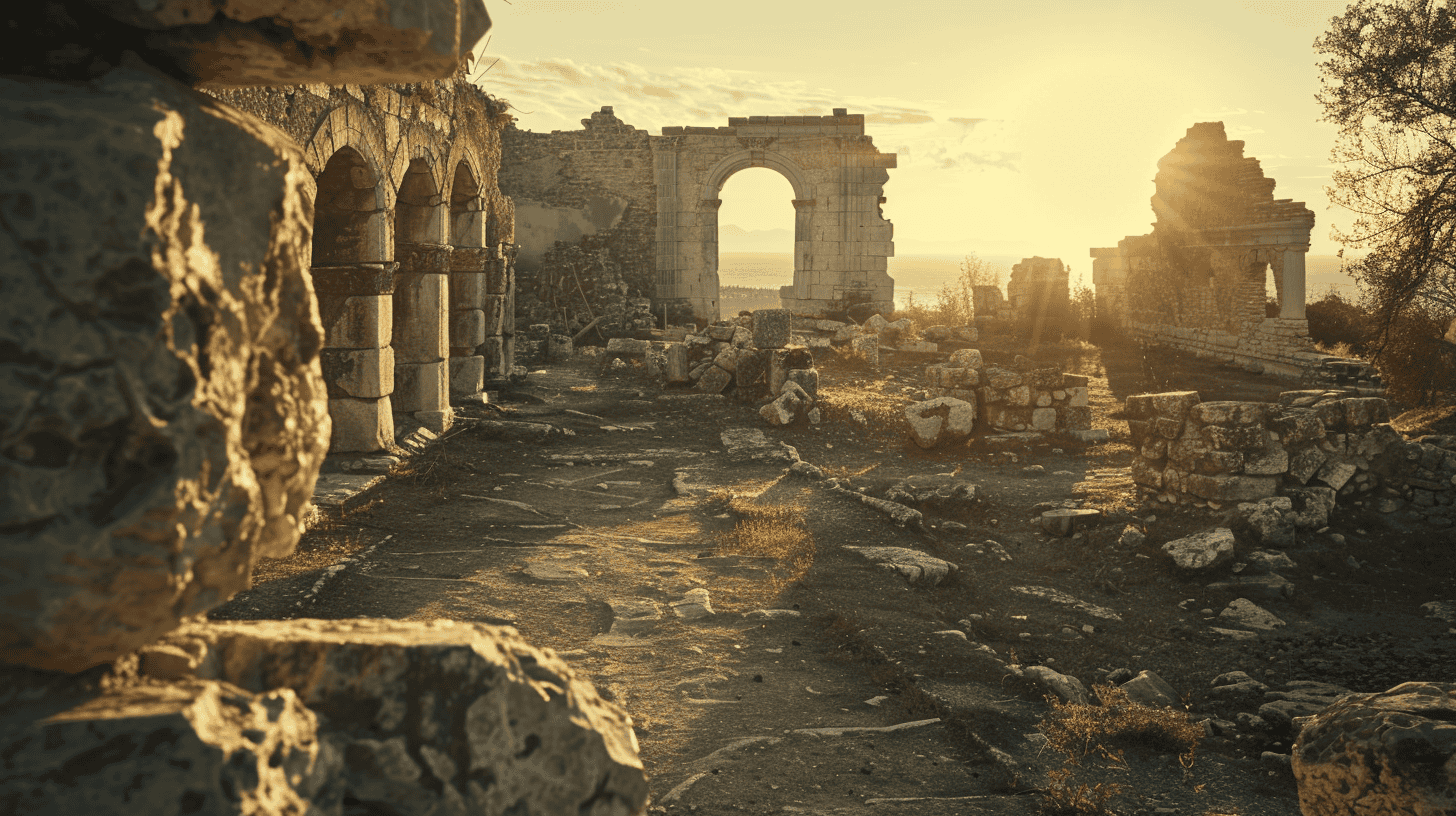
Step back in time to the Ancient City of Tauric Chersonese and its Chora, an archaeological treasure on Ukraine’s Crimean Peninsula. Founded in the 5th century BCE by Greek settlers, this UNESCO World Heritage Site, recognized in 2013, showcases the remnants of a once-thriving trade and cultural hub on the Black Sea.
Visitors can explore extensive ruins, from a large ancient theater and basilica with stunning mosaics to the well-organized agricultural plots of the chora, which underline the advanced urban and agrarian planning of its inhabitants. Hidden from the typical tourist paths, Tauric Chersonese offers a profound glimpse into ancient Greek, Roman, and Byzantine eras, making it a must-see for history enthusiasts.
Sangay National Park, Ecuador
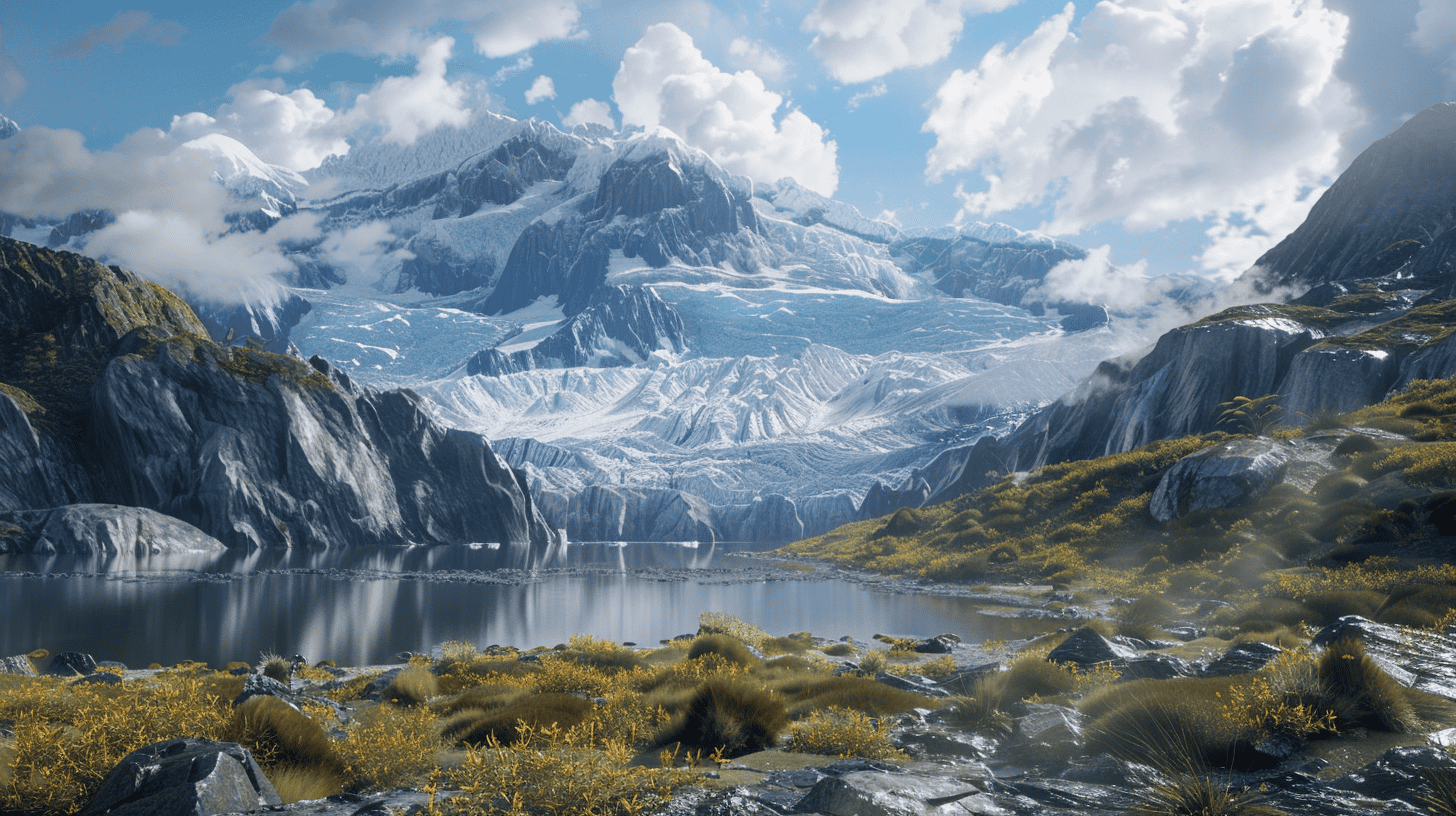
Delve into the wild beauty of Sangay National Park in Ecuador, an imposing expanse designated as a UNESCO World Heritage Site in 1983. Spanning more than 5,000 square kilometers, this park features a blend of active volcanoes, icy glaciers, and an array of unique ecosystems from high-altitude paramo grasslands to lush Amazonian rainforests.
Home to three major volcanoes—including the highly active Sangay Volcano—the park offers a dynamic landscape that continually reshapes itself. Whether you’re exploring its cloud-enshrouded forests teeming with biodiversity or the rugged volcanic terrain, Sangay National Park presents a vivid tableau of nature’s power and diversity, making it an extraordinary destination for adventurous travelers.
Mount Nimba Strict Nature Reserve, Ivory Coast and Guinea
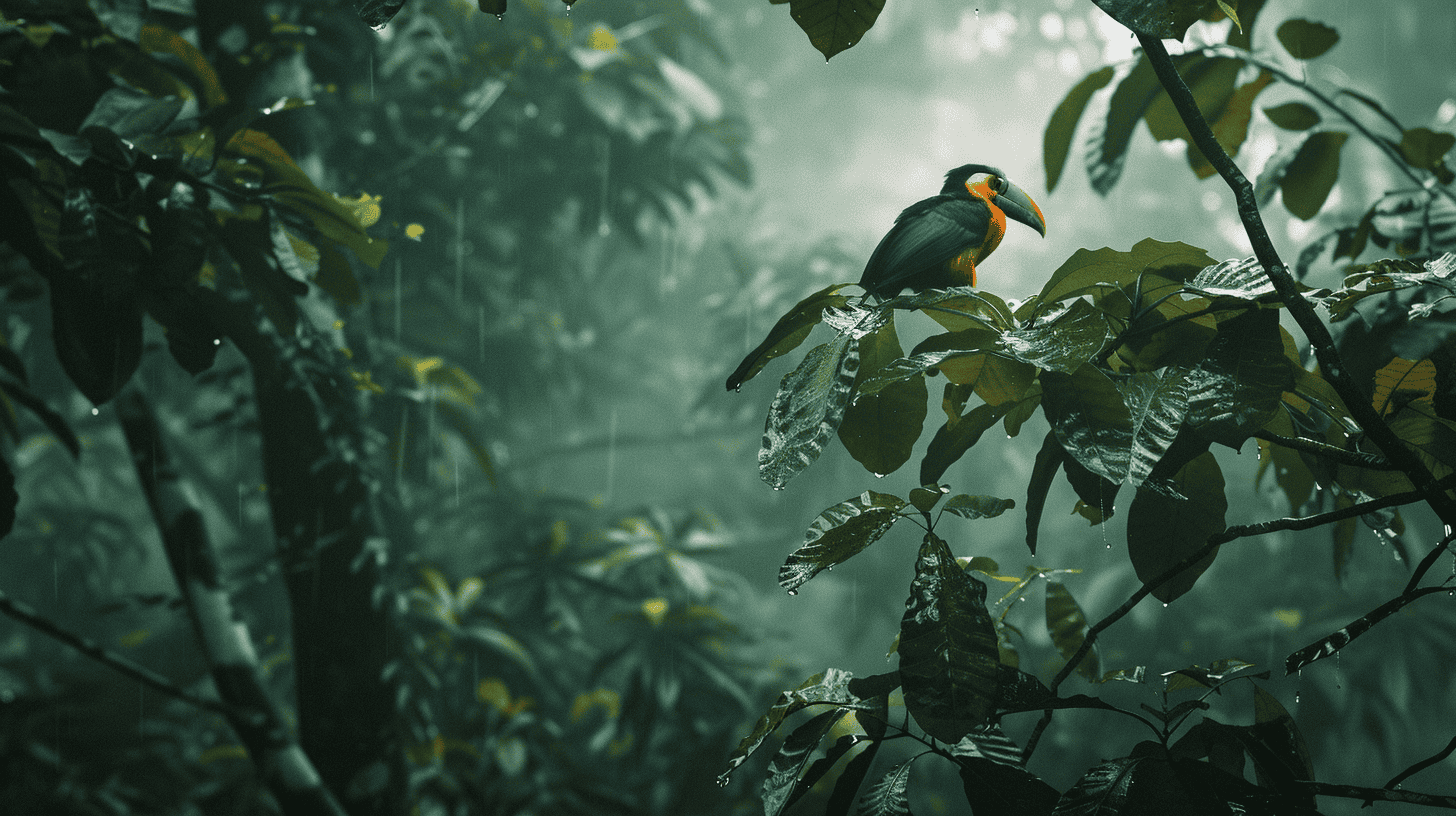
Nestled on the borders of Ivory Coast and Guinea, Mount Nimba Strict Nature Reserve stands as a testament to nature’s splendor, featuring the highest peak in both countries at 1,752 meters. This UNESCO World Heritage Site, recognized since 1981, spans over 17,540 hectares and is a haven for conservationists due to its diverse ecosystems and numerous endangered species.
The reserve boasts an astonishing array of plant and animal life, including the Nimba viviparous toad, known for its rare reproductive habits. As a critical sanctuary for both biodiversity and scientific research, Mount Nimba offers a compelling blend of natural beauty and ecological significance, making it a true hidden gem among global conservation sites.
The Sundarbans, Bangladesh
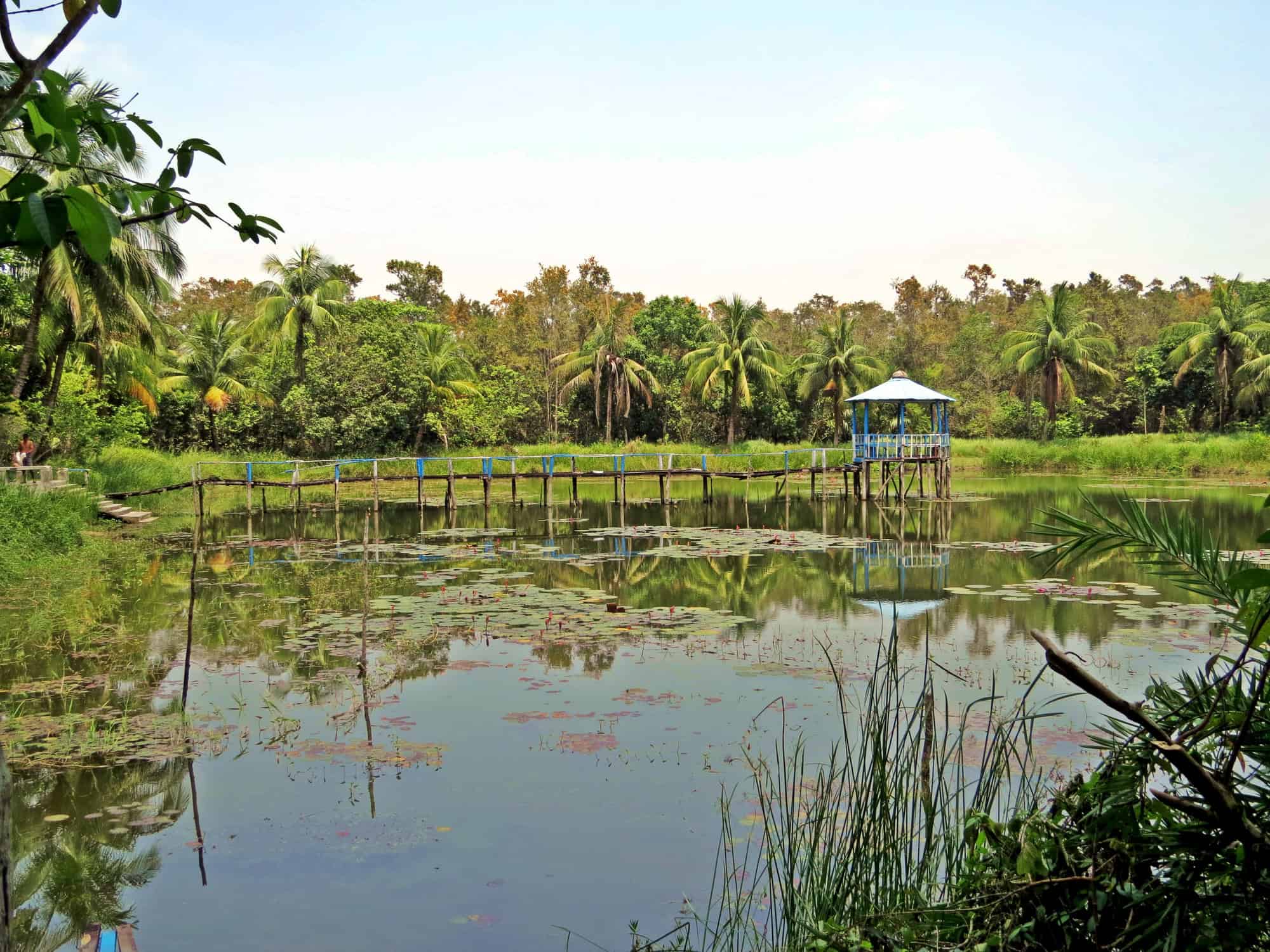
Explore the Sundarbans in Bangladesh, the world’s largest mangrove forest and a hidden gem among UNESCO World Heritage Sites. Spanning approximately 10,000 square kilometers across a delta region where freshwater blends with the Bay of Bengal, this ecological marvel boasts an intricate network of tidal waterways and diverse mangrove species.
The Sundarbans is not only critical for coastline stabilization and protection against natural disasters but is also a vital sanctuary for the elusive Bengal tiger, adapted uniquely to this watery landscape. Rich in biodiversity, the forest supports an array of wildlife, including several endangered species, making it an essential haven for environmental conservation and a fascinating destination for nature enthusiasts.
Archipiélago de Revillagigedo, Mexico
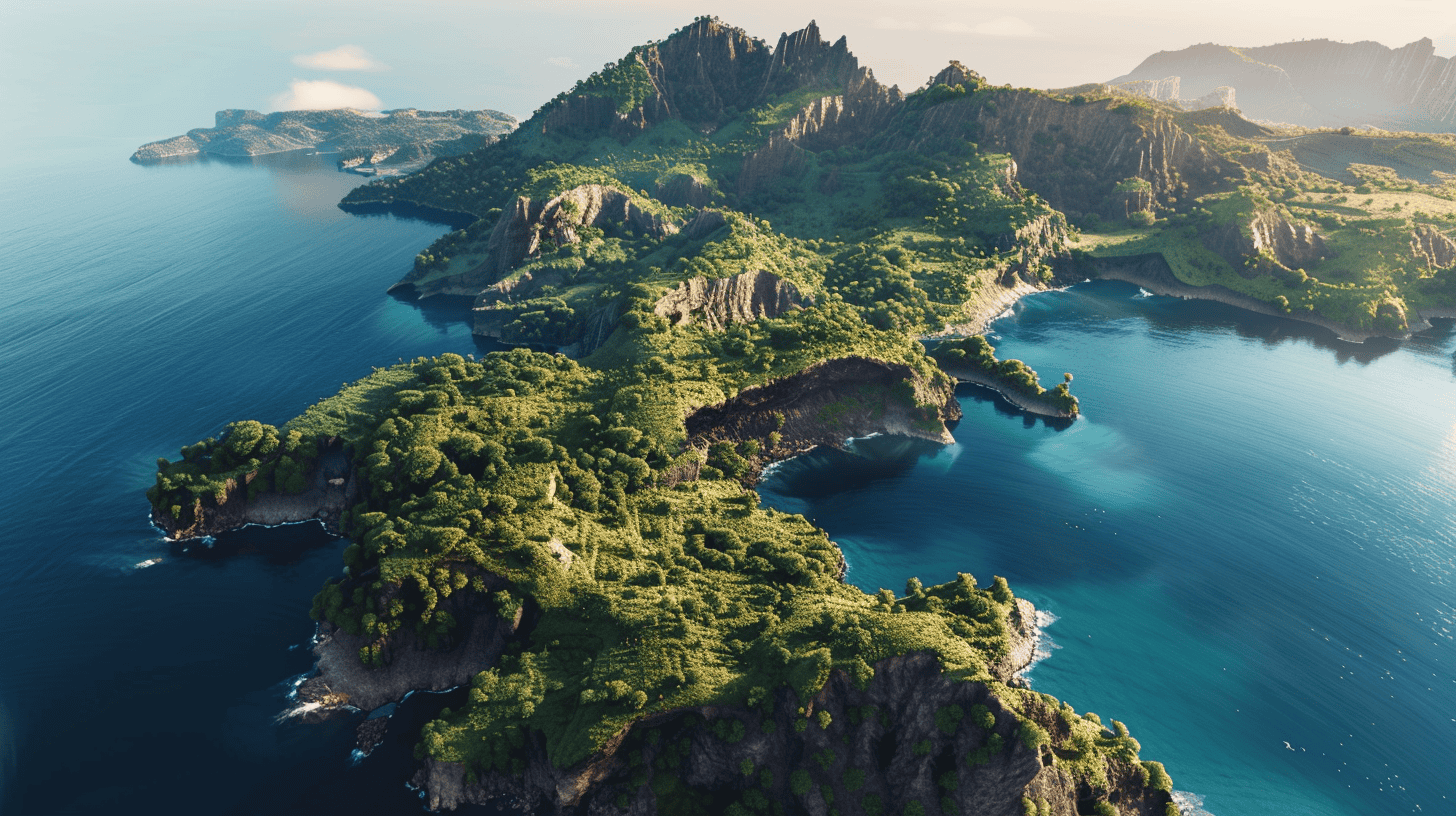
Discover the Archipiélago de Revillagigedo, a UNESCO World Heritage Site off Mexico’s Pacific coast, often hailed as the “Mexican Galápagos” for its enthralling ecosystems and rich biodiversity. Comprising four volcanic islands including Socorro and Clarión, this remote archipelago features dramatic landscapes from towering cliffs to crater lakes, providing sanctuary to an array of endemic species.
Renowned for its exceptional marine biodiversity, the surrounding waters offer one of the world’s most pristine oceanic environments, teeming with sharks, giant manta rays, and vibrant coral species, making it a diver’s paradise. This hidden natural wonder encapsulates the untamed beauty and ecological significance of isolated island ecosystems.
Valparaíso, Chile
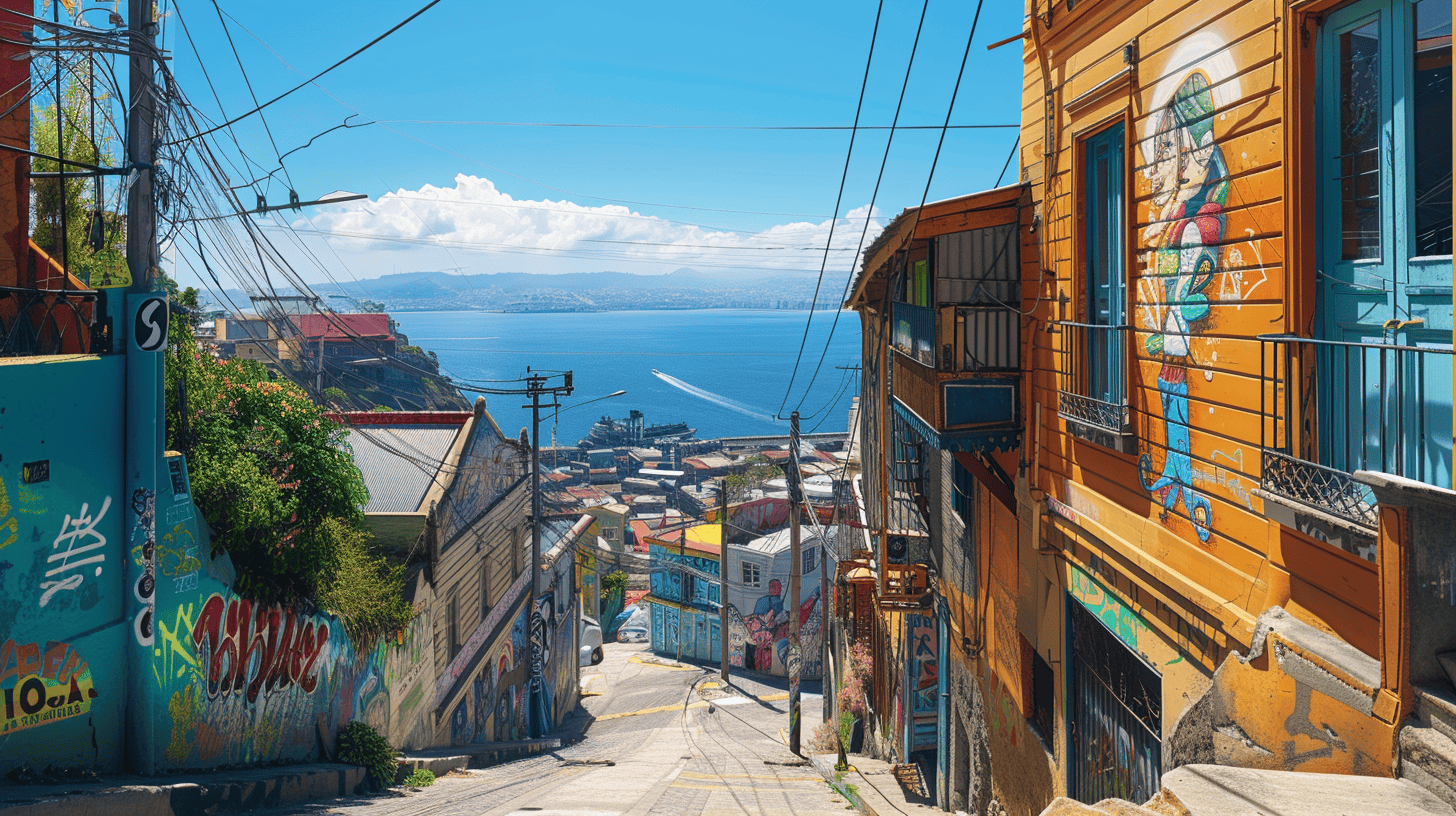
Valparaíso, Chile, affectionately dubbed “The Jewel of the Pacific,” captivates visitors with its maze of brightly colored houses and a unique urban layout that sprawls across steep hillsides. This vivacious city, declared a UNESCO World Heritage Site in 2003, is celebrated for its intricate blend of Victorian, Art Nouveau, and neoclassical architecture, reflecting its blossoming as a crucial 19th-century port.
The steep, labyrinthine streets lead explorers through an open-air gallery of vivid murals and street art, enhancing its reputation as a cultural hub. Whether riding one of its iconic funiculars or wandering through the historic “Zona Típica,” Valparaíso offers a rich tapestry of cultural and historical experiences, making it a truly hidden gem on the Pacific coast.