

Ready to have your mind blown with some of the most jaw-dropping travel myths that turn out to be true? We’ve scoured the globe to bring you this exclusive list of unbelievable stories and places that sound too amazing to be real, yet they are!
From hidden underwater cities to rainbows that appear at night, get ready to pack your bags and expand your world with these true travel wonders.
The Gates of Hell in Turkmenistan
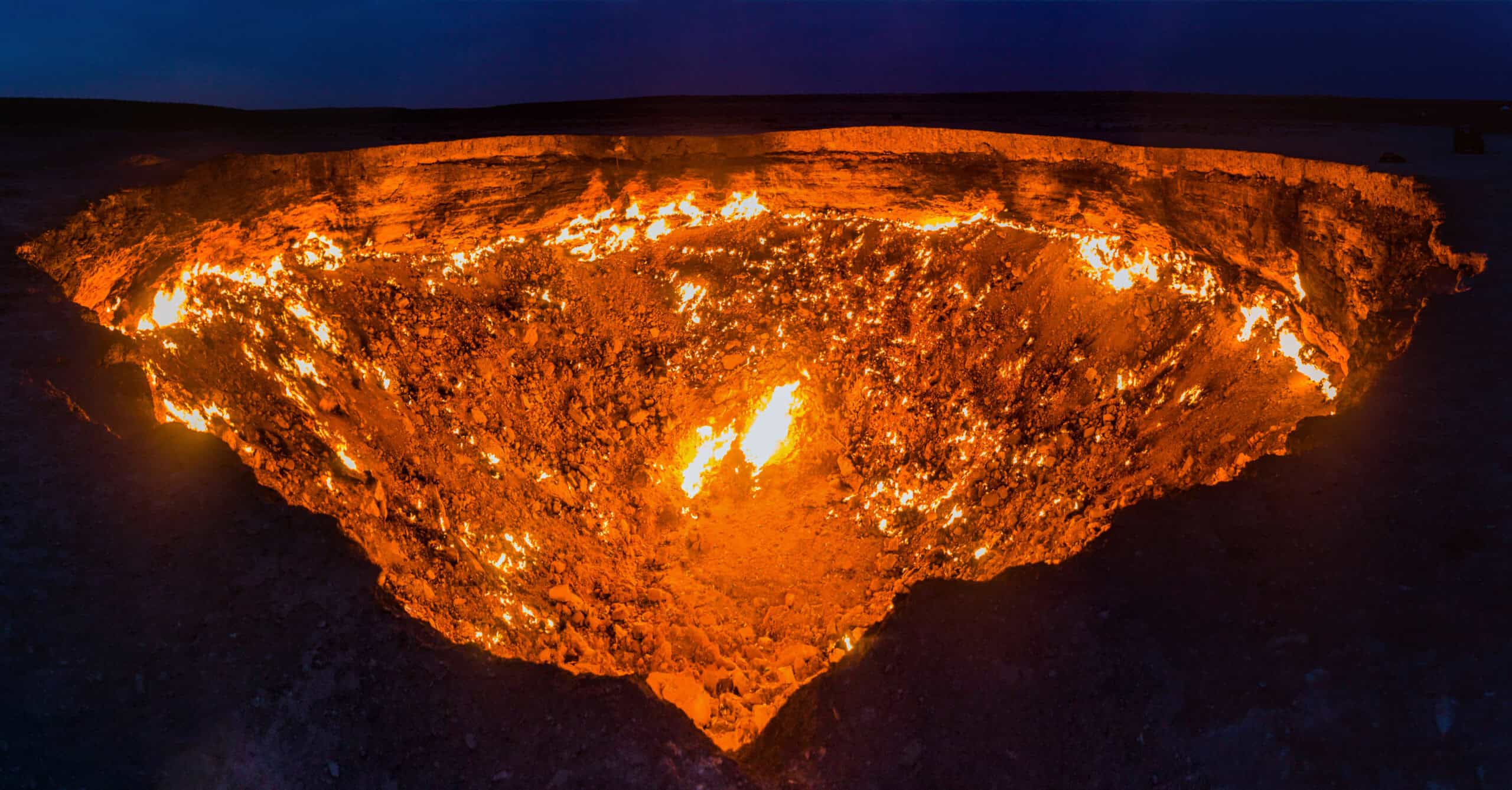
Step into the surreal as you encounter the Gates of Hell in Turkmenistan, a fiery spectacle that sounds like a myth but is blazingly real. Officially known as the Darvaza gas crater, this phenomenon has been alight since 1971 when Soviet geologists accidentally ignited a natural gas pocket while drilling.
The crater, measuring about 70 meters wide and 20 meters deep, glows day and night, surrounded by the stark expanse of the Karakum Desert. Drawn by its eerie beauty and intense heat, travelers venture here to gaze into what feels like the earth’s own inferno — a mesmerizing, almost apocalyptic experience that has to be seen to be believed.
Banana Plantations Are Circular in Iceland
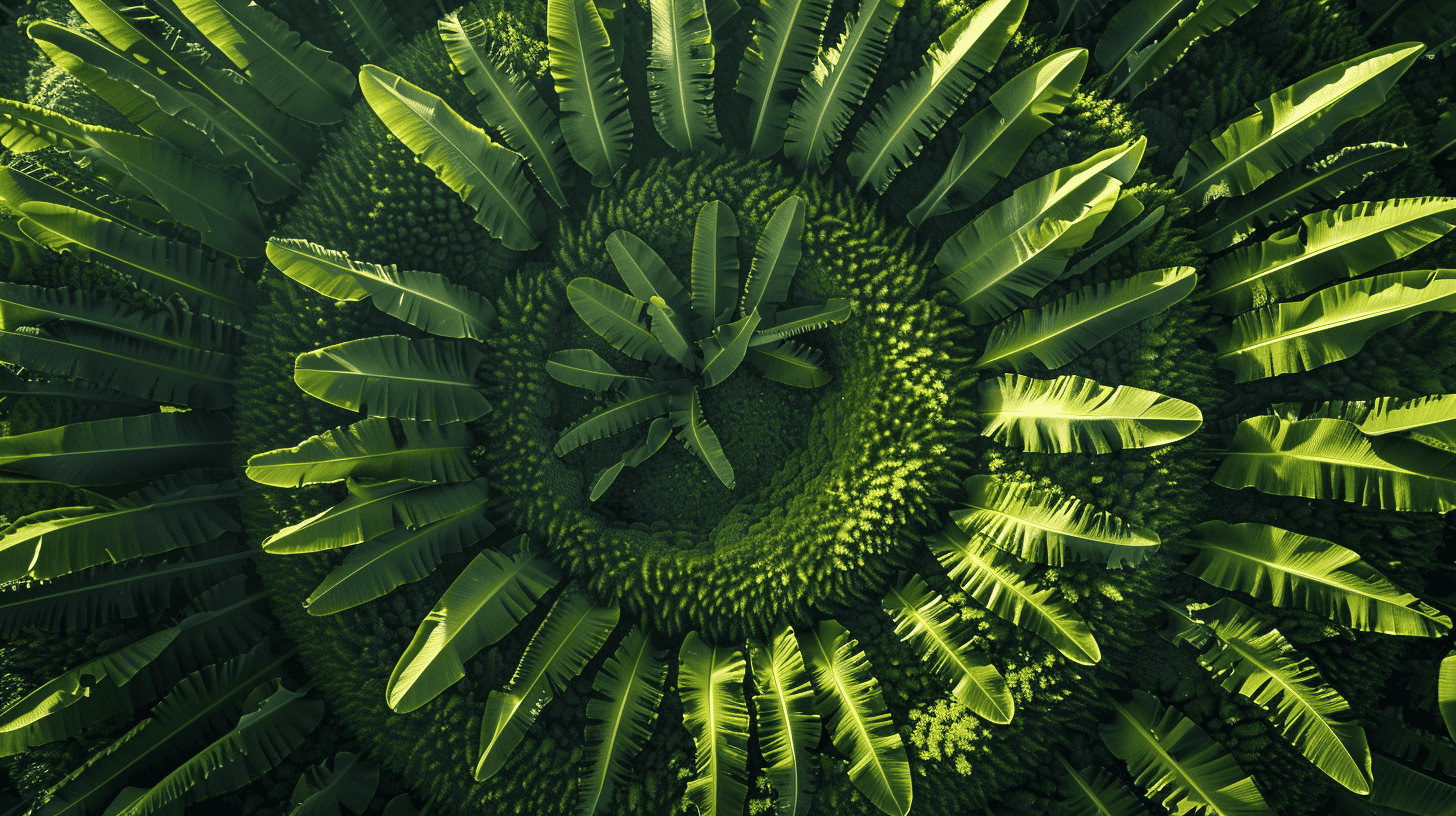
Believe it or not, in the chilly reaches near the Arctic Circle, Icelanders are growing tropical bananas! Using their innovative circular greenhouses heated by the island’s abundant geothermal energy, these plantations create a slice of the tropics in the frosty north.
The design of these greenhouses optimizes the distribution of heat and light, allowing banana plants to thrive despite the cold exterior. This quirky yet brilliant adaptation not only showcases Iceland’s clever use of sustainable energy but also highlights how technology can overcome nature’s limitations.
Rainbow Mountains, China
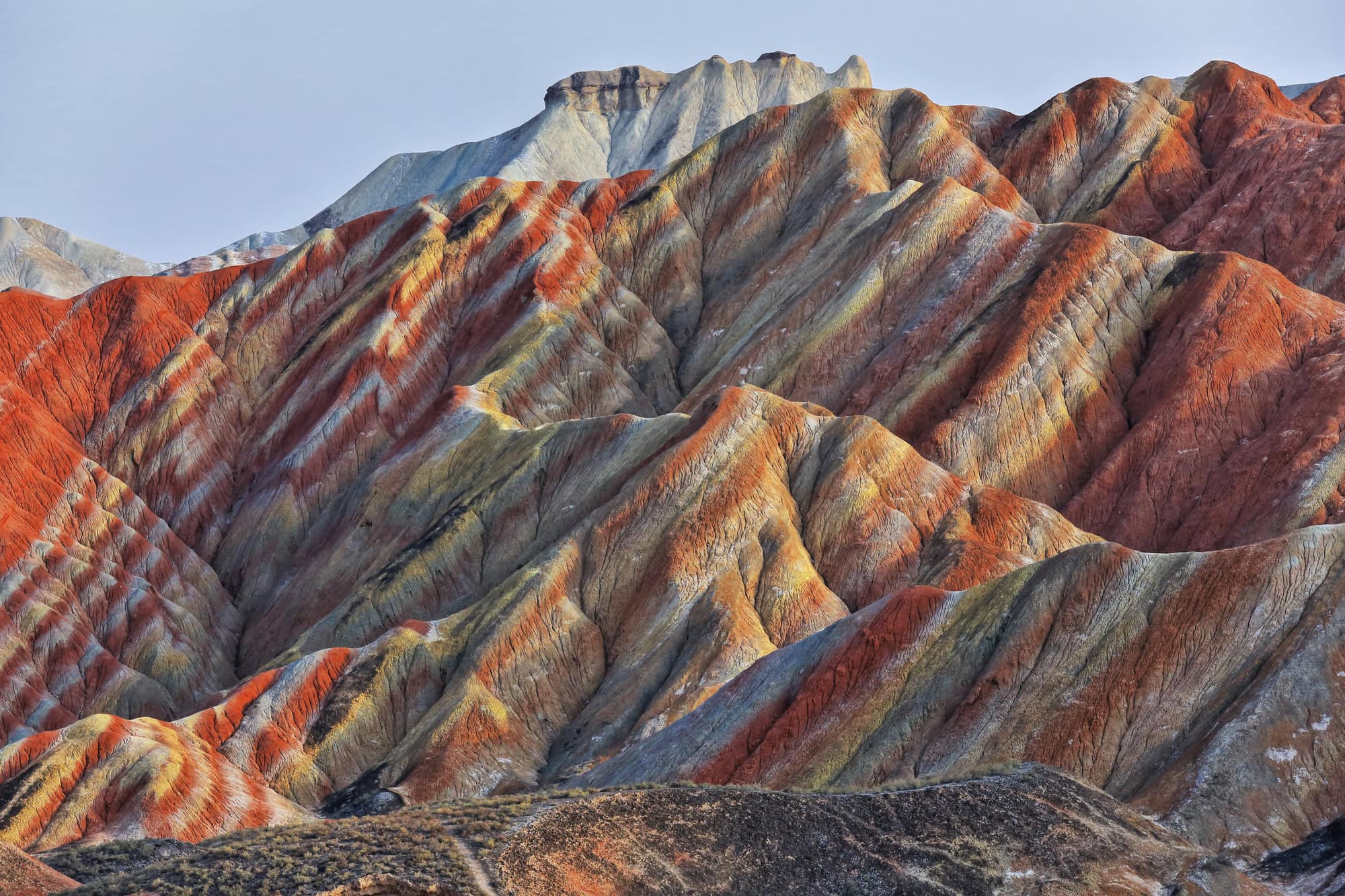
Nestled in China’s Gansu Province, the Rainbow Mountains truly live up to their name with their incredibly vivid, multicolored slopes. Part of the Zhangye Danxia Landform Geological Park, these mountains display a breathtaking palette created by layers of mineral-rich sandstone and other minerals shaped over millions of years through tectonic movements and erosion.
Best seen after a rain, when their colors deepen and dazzle, these peaks provide not just a stunning visual feast but also a striking example of Earth’s geological artistry. Recognized as a UNESCO World Heritage site, the Rainbow Mountains attract both eager tourists and serious geologists alike, each drawn by the promise of witnessing one of nature’s most spectacular and colorful displays.
Village Without Roads, Giethoorn, Netherlands
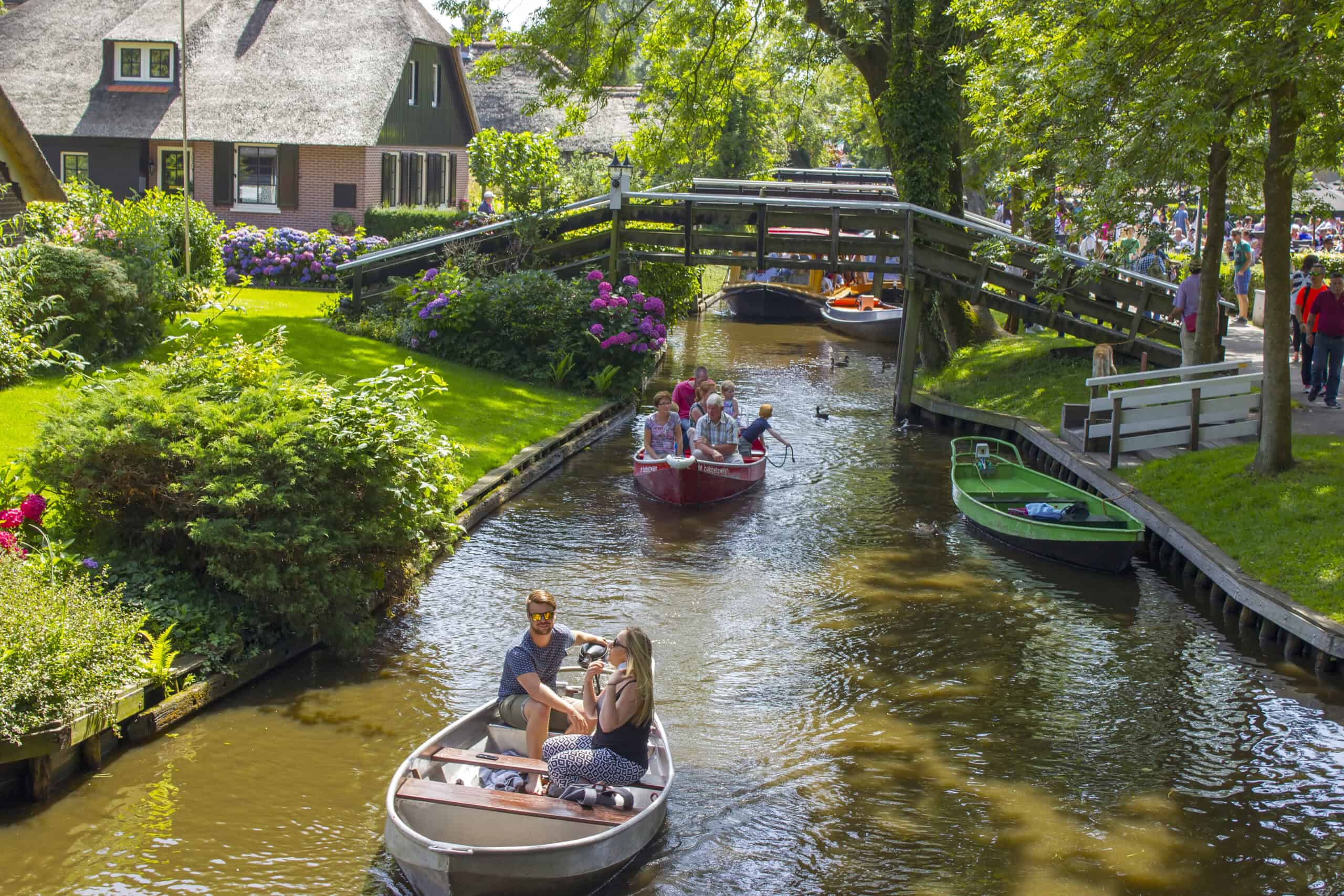
Imagine a village where roads are replaced by canals and transportation is overseen by boats, not cars—welcome to Giethoorn, the “Venice of the North,” located in the Netherlands. This enchanting village charms visitors with its quiet canals, thatched-roof cottages, and picturesque wooden bridges, creating a peaceful, almost storybook setting.
Founded in the 13th century, Giethoorn’s unique landscape was shaped by peat extraction, leading to the creation of its extensive network of waterways. Today, this roadless wonder attracts travelers from all over the globe, offering a tranquil escape and a glimpse into a life led at the gentle pace of a drifting boat.
Bolivia’s Salar de Uyuni
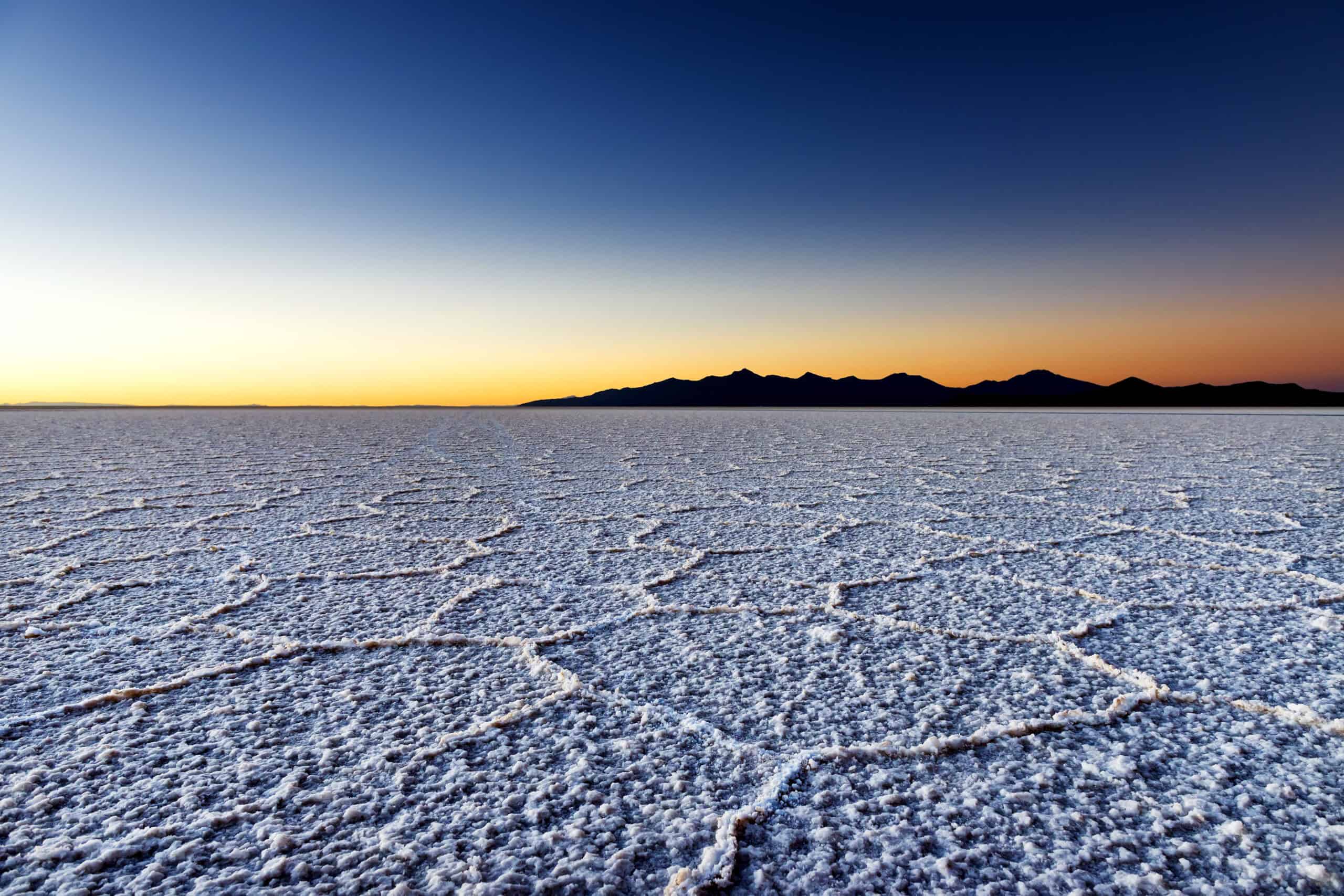
Step onto Bolivia’s Salar de Uyuni and you might just think you’ve walked into the sky. This vast salt flat, the largest in the world, covers over 10,000 square kilometers and is known for its incredible mirror effect, which occurs post-rainfall, creating the illusion of walking on clouds.
Formed from prehistoric lakes, this expansive area is not only a photographer’s dream for its ethereal beauty but also holds significant ecological and economic value due to its extensive lithium reserves. Between December and April, visitors flock here to witness and capture the surreal scenes where the sky and ground merge in endless reflection, offering a truly otherworldly experience.
Cat Island in Japan (Tashirojima)
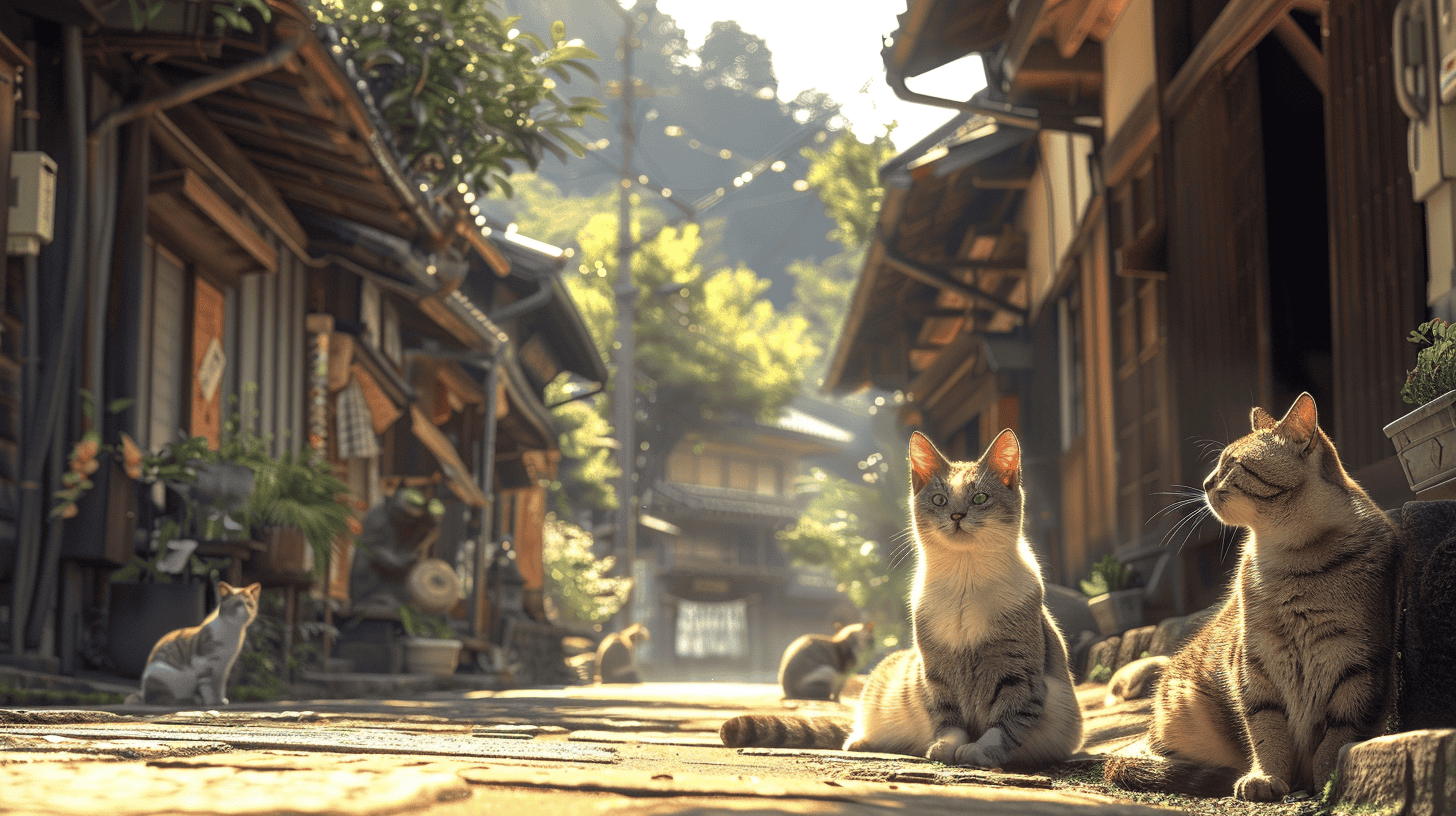
Tashirojima, known affectionately as Cat Island, is a whimsical paradise located in Ishinomaki, Miyagi Prefecture, Japan, where the feline residents significantly outnumber the human inhabitants. Originating from the Edo period, these cats were originally introduced to protect silkworm operations from mice, and over time, they have become symbols of good luck and prosperity to the islanders.
The local community, now mainly elderly, maintains a deep respect and care for these cats, viewing them as guardians of the island. As you stroll through Tashirojima, expect to be greeted by friendly cats against a backdrop of cat-shaped lodgings and serene coastal landscapes, making it a dream destination for cat lovers and travelers seeking a truly distinctive cultural experience.
A Sunken City in Greece (Pavlopetri)

Dive into history at Pavlopetri, the world’s oldest known submerged city off the coast of Laconia, Greece, dating back to 3,000 BC. Discovered in 1967 and mapped a year later, this ancient underwater marvel spans approximately 9 acres, showcasing well-preserved ruins of buildings, streets, and an advanced drainage system that highlights the city’s sophisticated urban planning.
Lying beneath the clear waters near Elafonisos, Pavlopetri offers a rare peek into the Bronze Age, revealing insights into early urban life and the bustling maritime trade of the Mycenaean period. Remarkably intact due to its submerged state, this archaeological site provides a fascinating, tangible connection to ancient Greek civilization, preserved beneath the sea.
Lake Hillier, Australia
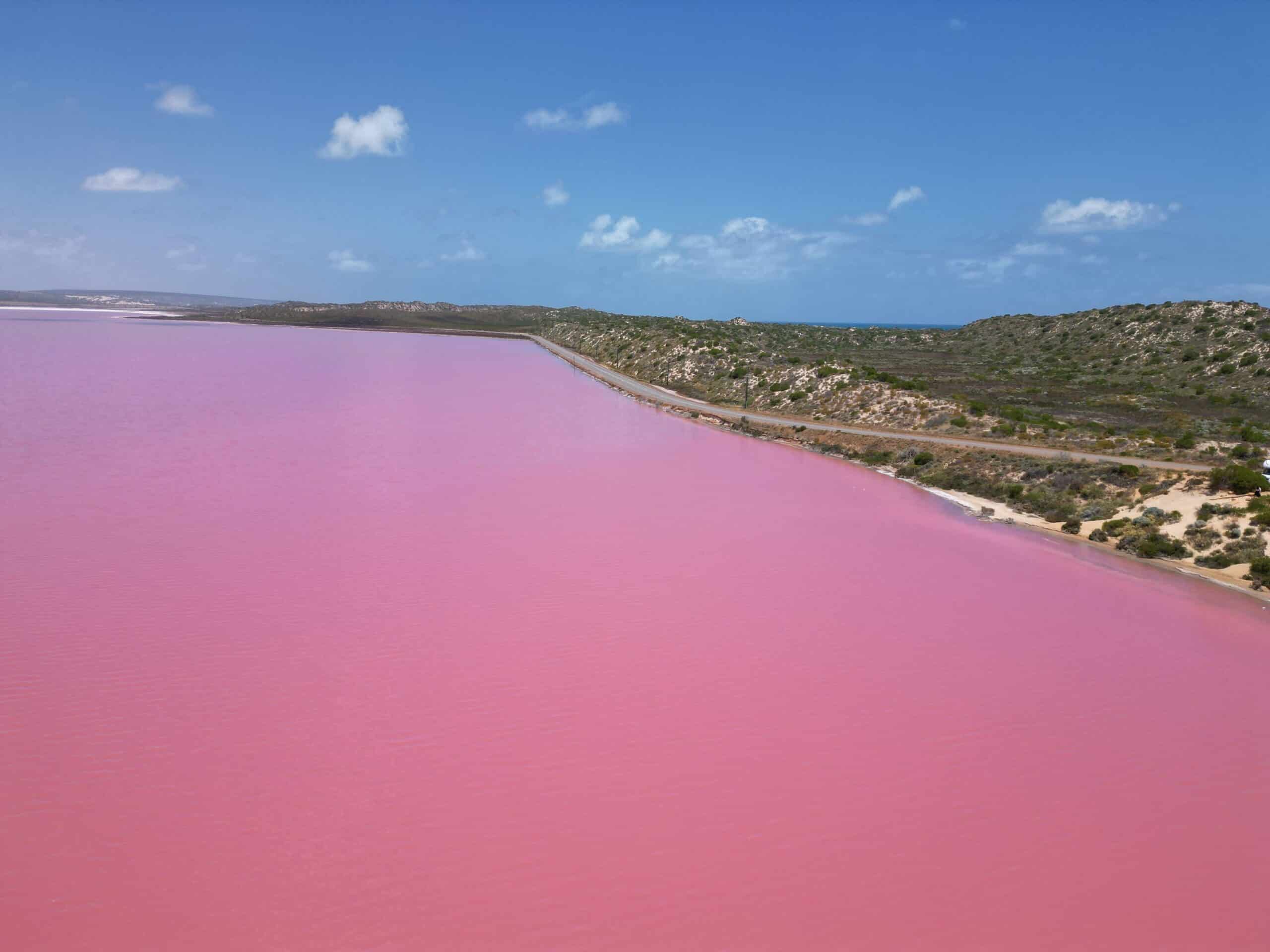
Lake Hillier, a bubblegum-pink lake located on Middle Island off the coast of Western Australia, offers one of the most surreal natural landscapes on the planet. Discovered in 1802 by explorer Matthew Flinders, this vibrant body of water is colored by the presence of Dunaliella salina algae, which thrives in its saline environment and produces a pigment that tints the lake.
Surrounded by a rim of white salt and contrasting eucalyptus trees, the lake’s stunning pink hue is most striking when viewed from above, making it a glorious sight against the backdrop of the blue ocean. Despite its high salinity, Lake Hillier remains safe for swimming, though its remote location within a protected nature reserve limits access, preserving its unique beauty and ecological value.
The Wave, Arizona, USA

The Wave, nestled in the Paria Canyon-Vermilion Cliffs Wilderness of Arizona and Utah, captivates visitors with its surreal, undulating sandstone formations. Formed from compacted sand dunes around 190 million years ago, this breathtaking natural sculpture showcases fluid, wave-like patterns carved by wind and water over millennia.
The palette of The Wave, composed of amazing reds and yellows from iron oxide and manganese, resembles a living painting, drawing photographers and nature lovers alike. Access is limited to protect its fragile beauty, with permits issued by a daily lottery—a testament to the care taken to preserve such an otherworldly treasure.
Underwater Waterfall, Mauritius
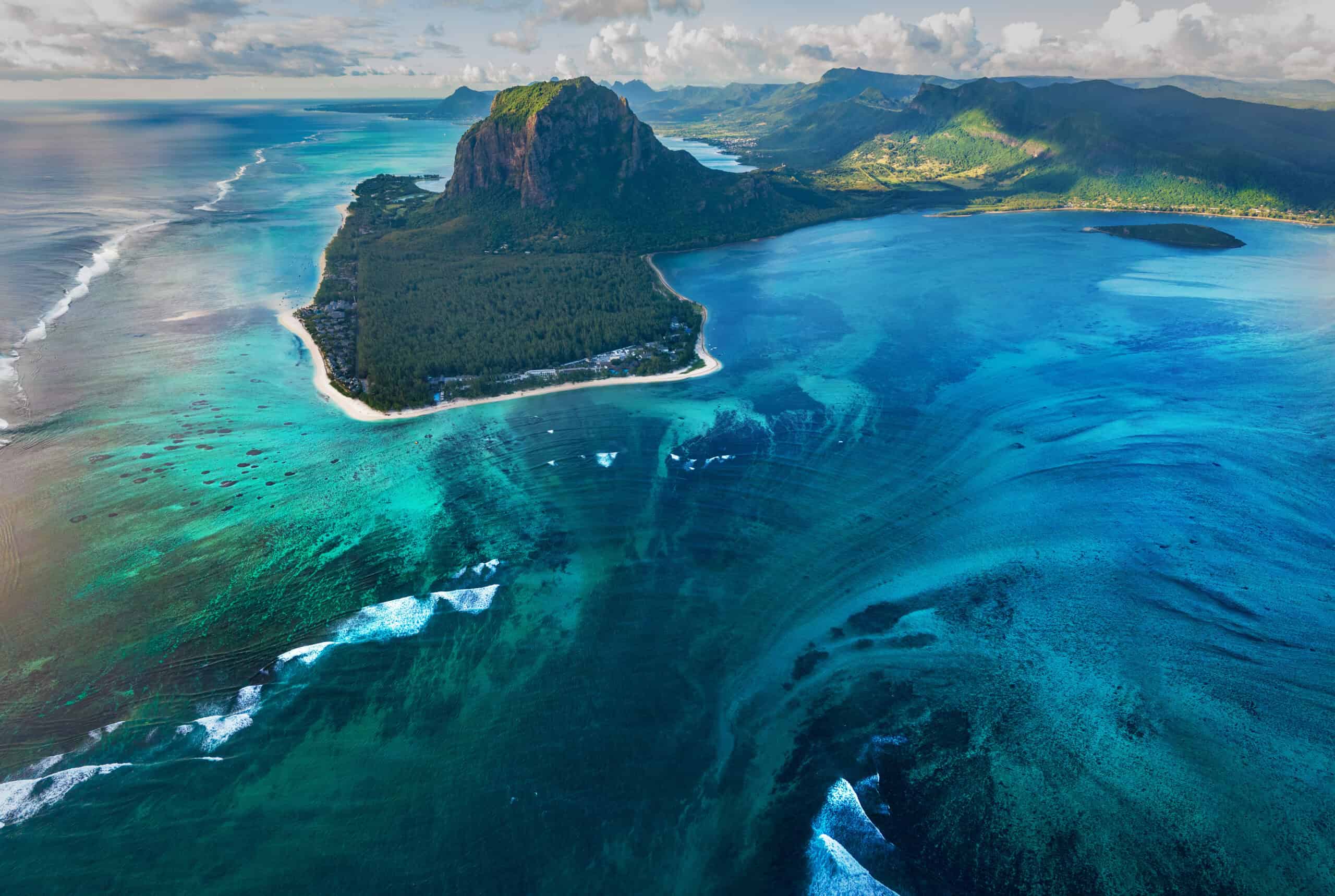
Off the coast of Mauritius near Le Morne Brabant, the Underwater Waterfall presents an amazing optical illusion that captivates and intrigues. This remarkable phenomenon, created by the movement of sand and silt on the ocean floor, appears as a dramatic waterfall diving into the ocean’s depths.
The interplay of light and sediment gives life to this visual marvel, best viewed from above, making it a favored spectacle for aerial photographers and curious travelers. Nestled against the historical backdrop of Le Morne Brabant, a UNESCO World Heritage site, this astonishing site embodies Mauritius’s charm and natural wonder, making it a must-visit for anyone drawn to the planet’s most extraordinary displays.
Living Root Bridges in India
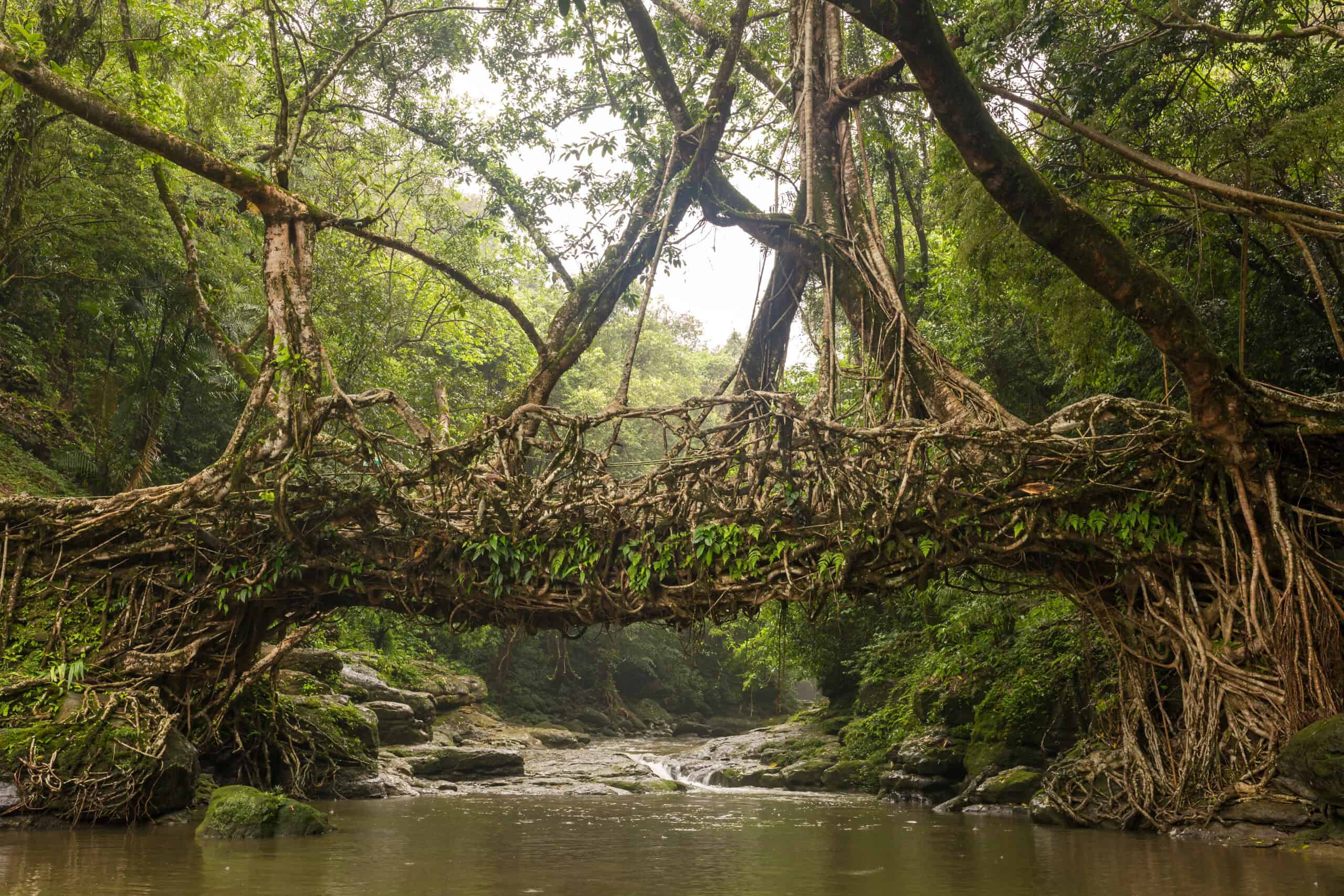
In the lush terrain of Meghalaya, India, the Living Root Bridges form a mesmerizing blend of natural wonder and human ingenuity. Crafted from the aerial roots of the Ficus elastica tree, these bridges are cultivated by the indigenous Khasi and Jaintia people over decades, weaving through the air to form passageways across rivers.
Some of these organic structures have matured for over a century, growing stronger as the roots thicken and intertwine, with the longest bridges stretching up to 30 meters. Beyond their practical utility, these bridges stand as a profound testament to sustainable engineering and cultural heritage, drawing visitors from across the globe to witness their ecological artistry and resilience.
Spotted Lake in Canada
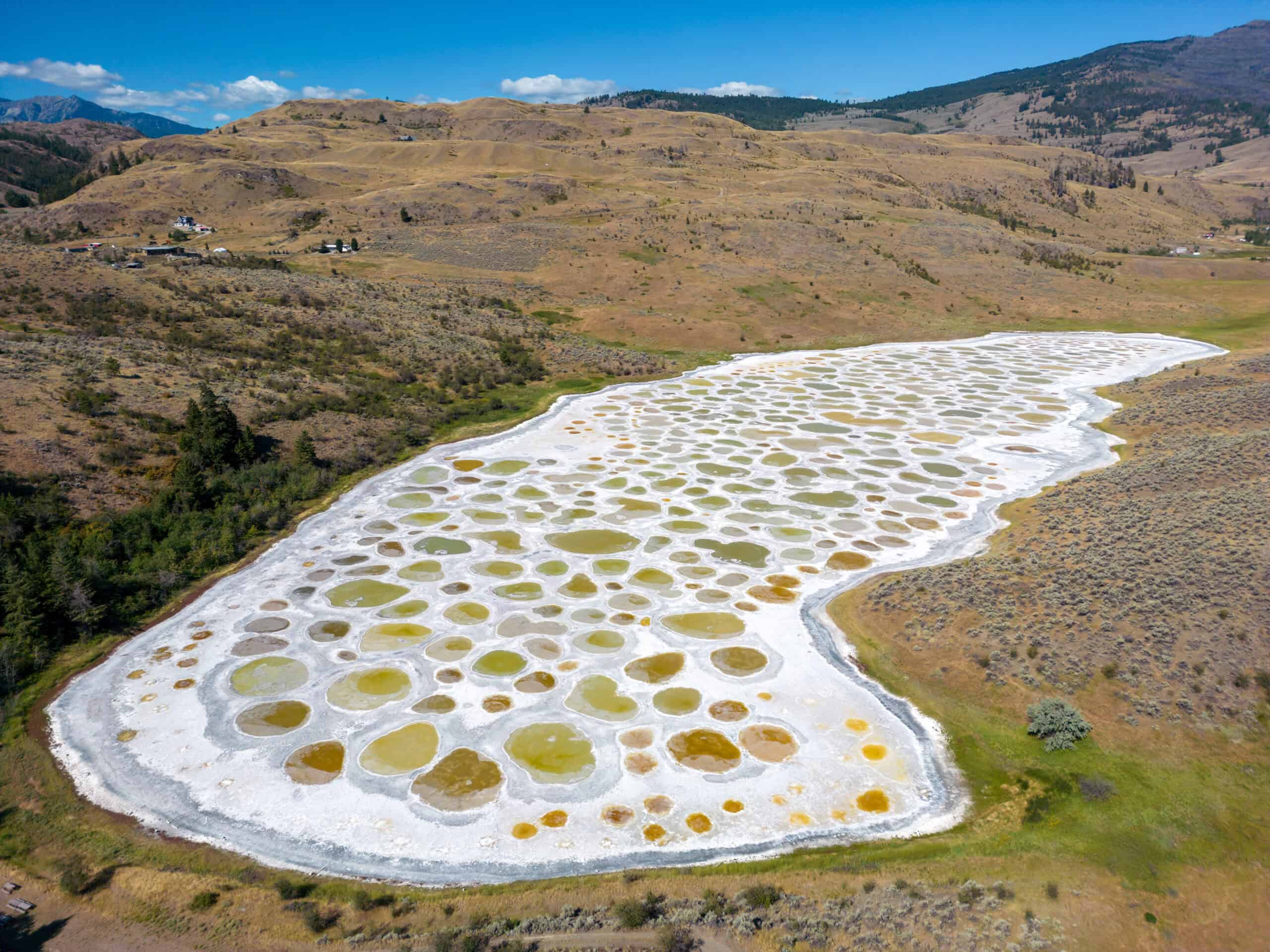
Spotted Lake, or “Klk’atsk,” is a visually striking natural marvel located near Osoyoos in British Columbia, Canada, known for its vividly colorful mineral pools. Visible in the summer as the water evaporates, the lake reveals spots created by high concentrations of minerals like magnesium sulfate, calcium, and sodium sulfates, which crystallize into patches of white, yellow, green, and blue.
This lake is not only a geological wonder but also a sacred site for the indigenous Okanagan (Syilx) people, revered for its healing and spiritual values. While access to the lake is restricted to protect its fragile ecosystem, visitors can admire this marvelous natural mosaic from a nearby viewpoint, combining a unique visual experience with a deep cultural reverence.
Eternal Flame Falls, USA
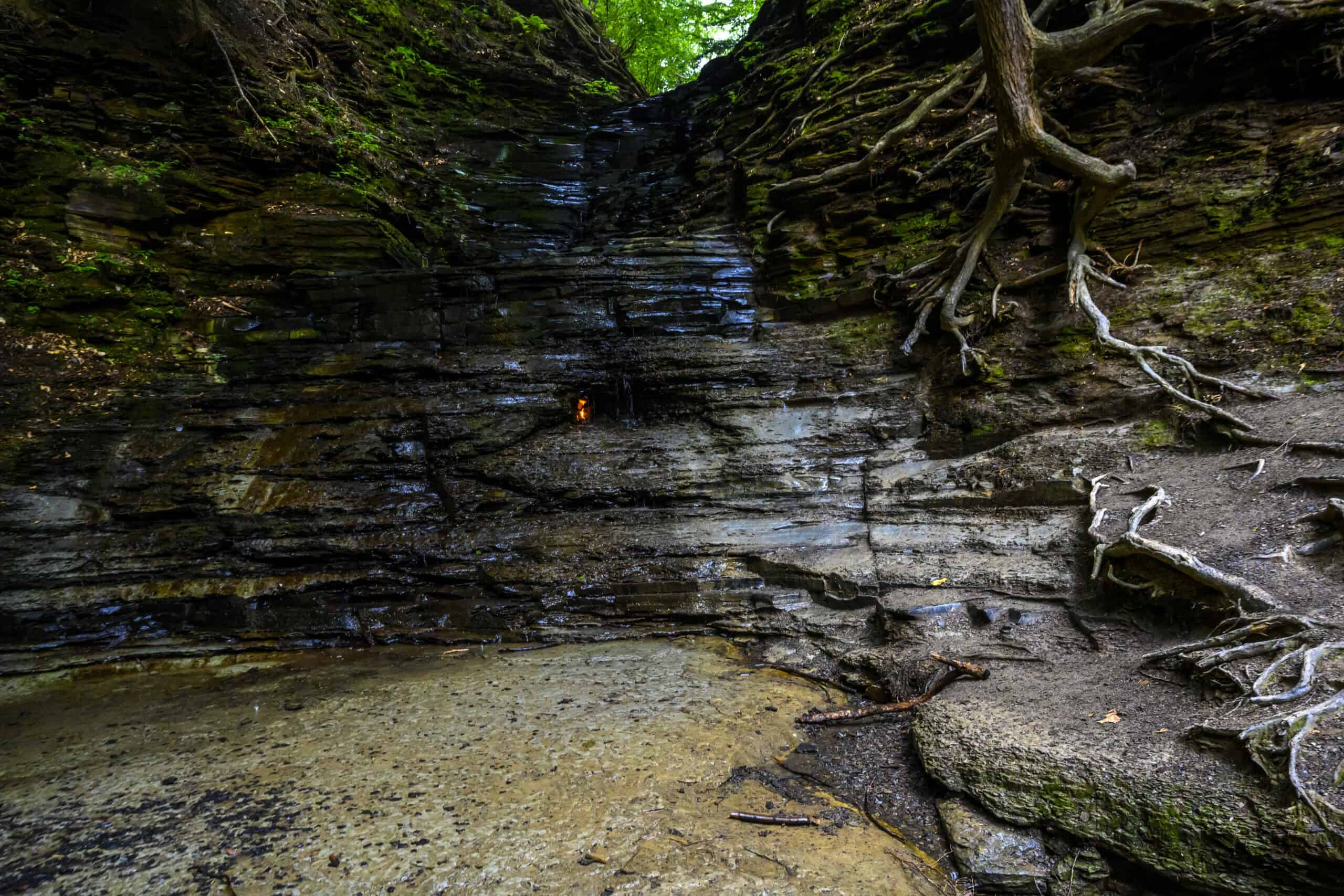
In Chestnut Ridge Park near Orchard Park, New York, Eternal Flame Falls offers a spectacle where natural elements combine mysteriously. This small but charming waterfall hides a natural gas seep right beneath it, which fuels a small, flickering flame. The flame, which can reach heights of 4-8 inches, is fed by methane escaping from ancient shale formations below, creating an enchanting sight where fire dances with water.
Although the trail leading to this natural wonder can be rigorous, especially in wet conditions, the reward is a fascinating scene that encapsulates a rare geological phenomenon, making Eternal Flame Falls a must-visit for those drawn to the peculiar and beautiful quirks of nature.
Ringing Rocks Park, USA
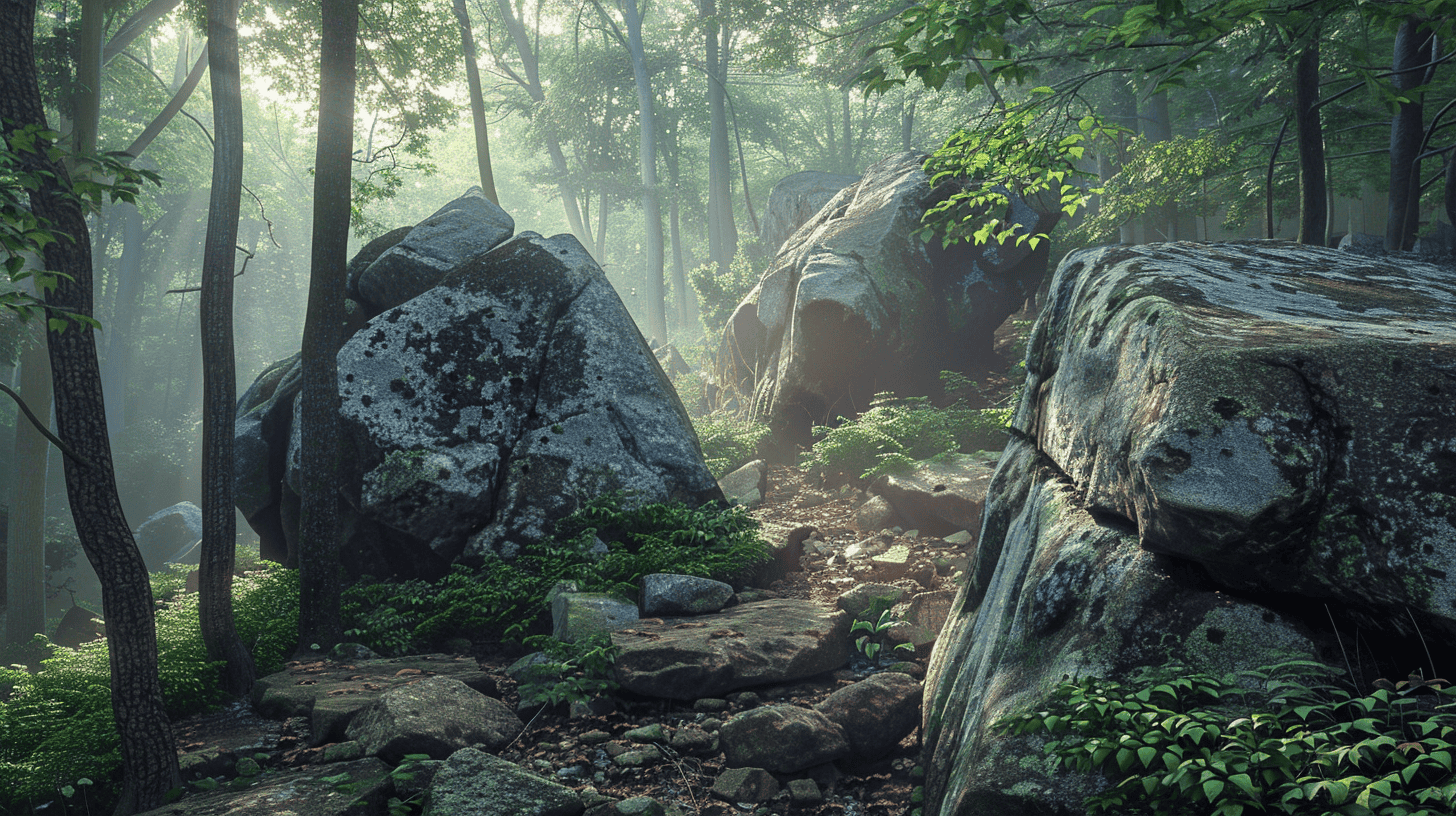
Ringing Rocks Park in Bucks County, Pennsylvania, is a geological wonder where rocks chime like bells when struck. Spanning 128 acres, this park features a seven-acre boulder field full of diabase rocks, dense with iron and magnesium, which resonate with clear, musical tones when hit.
The creation of these sonorous stones and their assembly into a boulder field is thought to date back to the last Ice Age, about 12,000 years ago. Visitors are enchanted by the park, often bringing hammers to play the natural xylophone themselves, while trails and scenic spots like a small waterfall enrich the experience, making Ringing Rocks an enthralling blend of natural history and interactive wonder.
The Floating Islands of Lake Titicaca
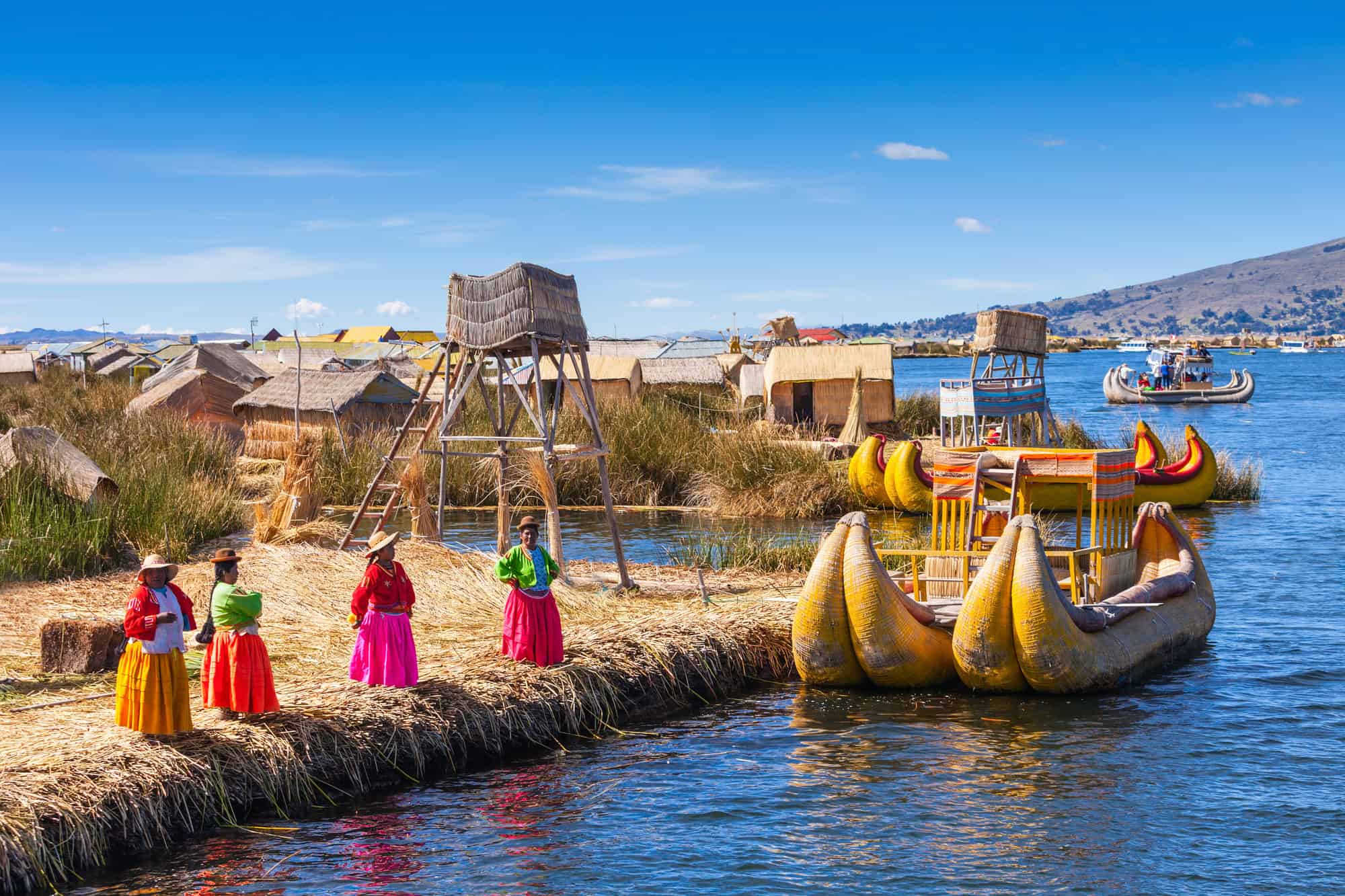
The Floating Islands of Lake Titicaca, perched on the border between Peru and Bolivia, are an extraordinary display of human resourcefulness and cultural tradition. Constructed entirely from the totora reeds that thrive in the lake’s shallow waters, these man-made islands are maintained by the Uros people, an indigenous community whose history is intertwined with these buoyant homes.
The islands, a creative response originally intended for protection against aggressors, now support entire families with structures including homes, towers, and boats all crafted from the same reeds. Today, they attract visitors worldwide, offering a glimpse into the enduring lifestyle and customs of the Uros, set against the stunning backdrop of the world’s highest navigable lake. This engrossing interplay of culture and nature highlights the adaptability and ingenuity of the Uros people.
Blood Falls in Antarctica
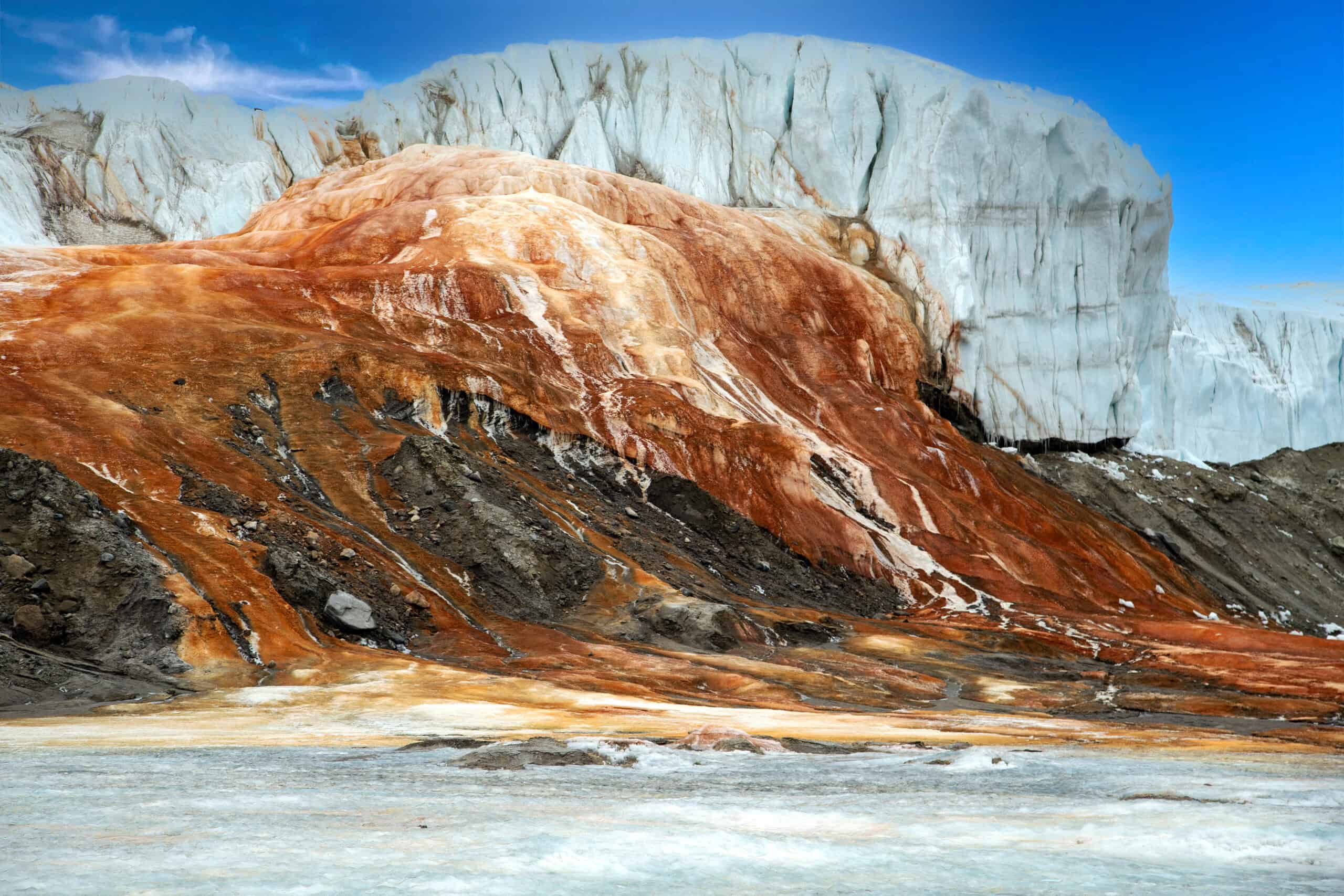
Nestled in the stark expanse of Antarctica’s McMurdo Dry Valleys, Blood Falls paints a mysterious stroke of deep red against the icy white. This eerie natural wonder, flowing from the Taylor Glacier, owes its startling color to iron oxide-rich saltwater, trapped beneath the glacier for over a million years.
Initially thought to be colored by algae, the true source was discovered to be the oxidation of iron when the subglacial water makes contact with air. Beyond its visual spectacle, Blood Falls captivates scientists and travelers alike, offering a glimpse into the survival of microbial life in extreme, sunlight-free environments, much like those speculated on distant planets.
Trees That Bleed Metal, Australia
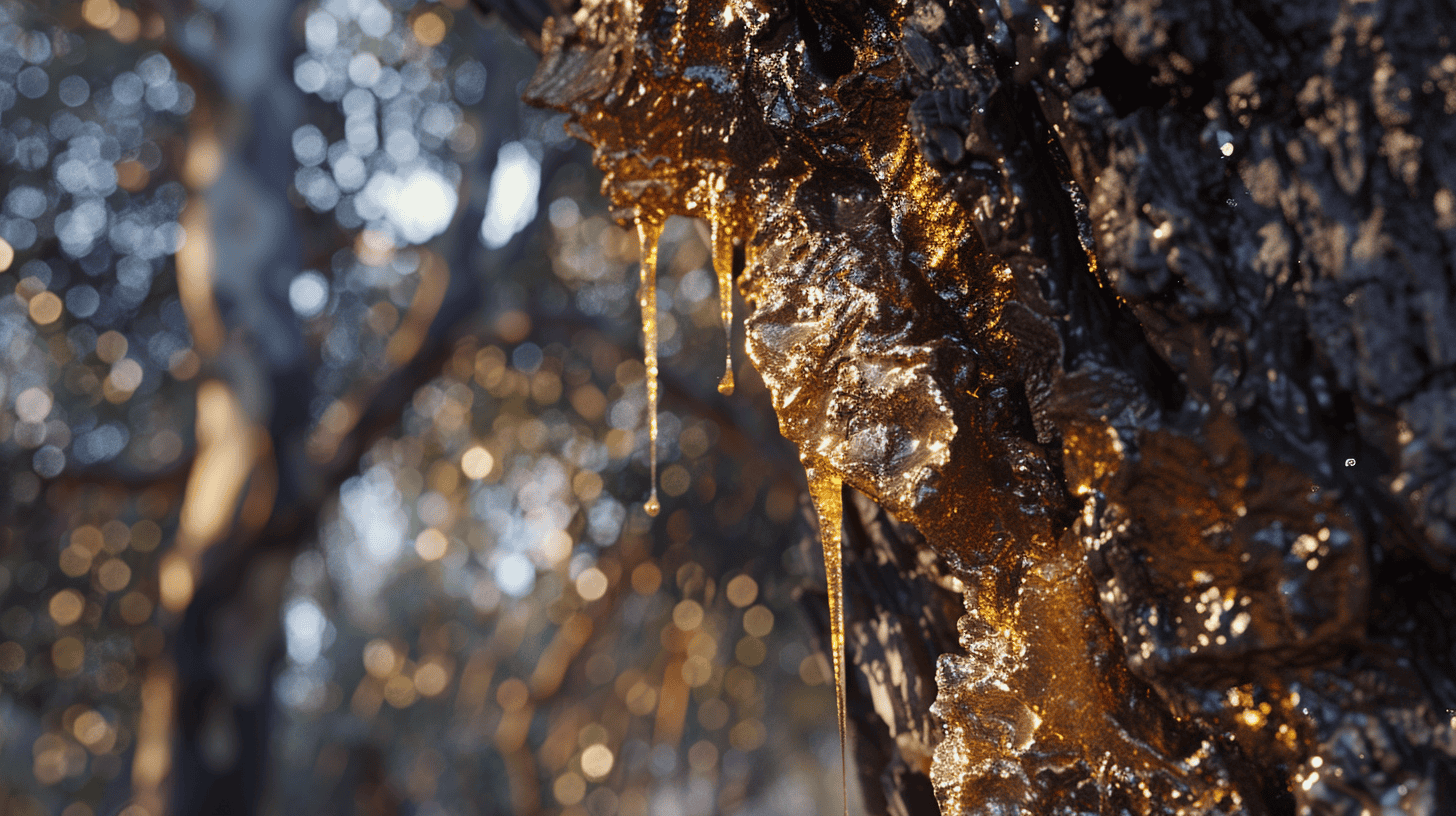
In the shadowy forests of Australia, the Pisonia tree, or the “Birdcatcher Tree,” presents one of nature’s more macabre spectacles, seeming to bleed metal. This unusual appearance is created as the tree’s sticky seeds ensnare birds, whose decomposition deposits metal-rich guano in the soil, enhancing the tree’s nutrient uptake.
The eerie illusion of metallic sap combines with the tragic fate of the trapped birds to highlight nature’s ruthless efficiency in nutrient-poor environments. For travelers intrigued by the bizarre and the surreal, this phenomenon is a stark reminder of the brutal yet fascinating dynamics within ecosystems.
The Petrifying Well in England
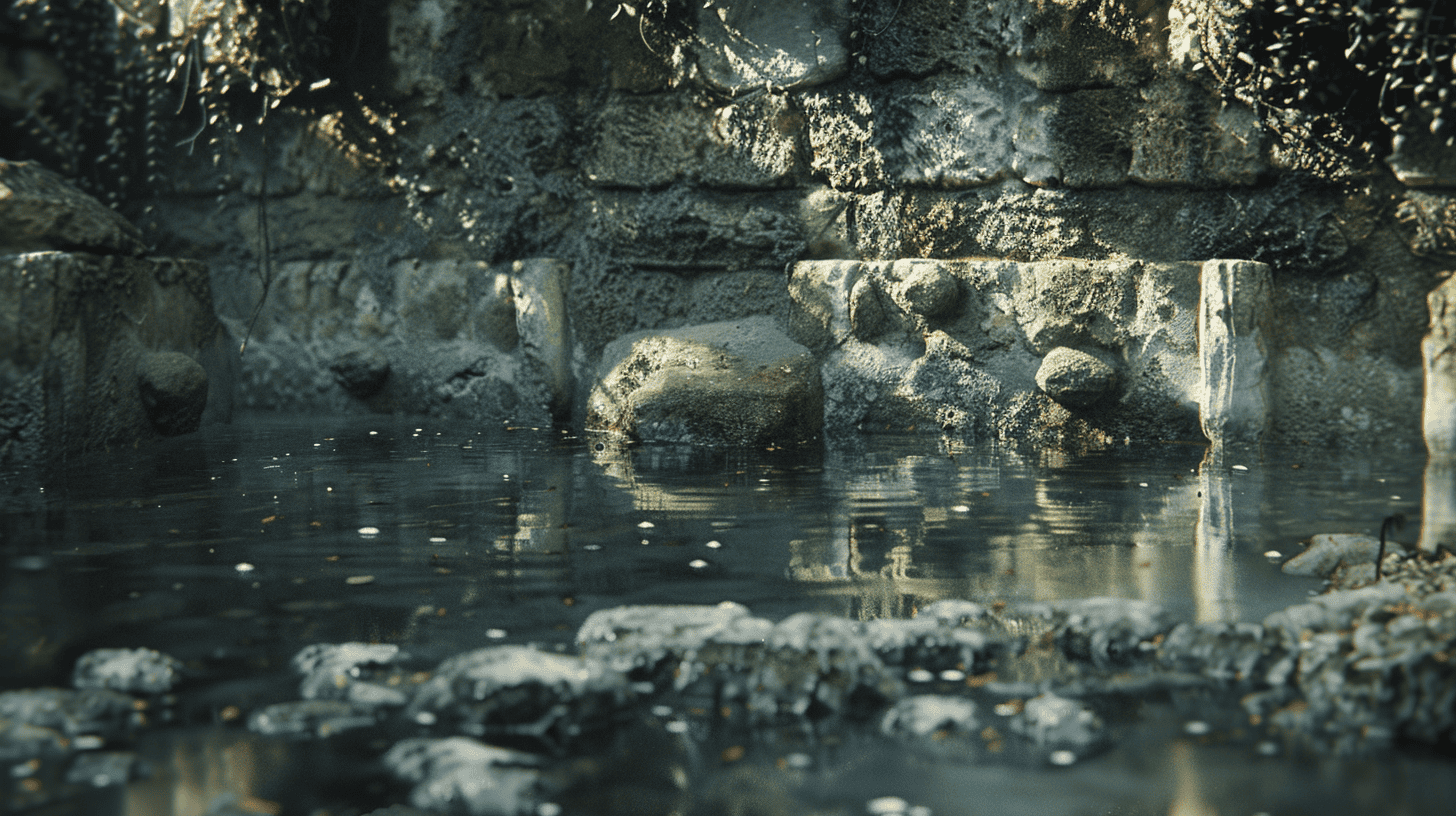
Tucked away in Knaresborough, North Yorkshire, the Petrifying Well is a marvel that seems straight out of a fairy tale. This unique well, known for its ability to turn everyday objects into stone, is due to the high levels of mineral content, particularly calcium carbonate, in the water.
Visitors can observe firsthand as items like toys and hats slowly gain a stony shell over several months, thanks to the continuous deposit of minerals. Part of the enchanting Mother Shipton’s Cave attraction, this site combines natural wonder with a touch of historical mystique, making it a must-visit for those fascinated by nature’s alchemy.
Christmas Island Red Crab Migration, Australia

Annually, the quiet vistas of Christmas Island transform into a bustling red sea as millions of red crabs embark on their spectacular migration from forest to coast. Timed impeccably with the early rains of the wet season and the lunar cycle, this vivid exodus peaks between October and December, covering roads, paths, and beaches with a vibrant crimson blanket.
The island adapts to this natural marvel by closing roads and creating crab crossings, ensuring the safety of these crucial ecological players as they complete their breeding ritual. Witnessing this migration offers a rare glimpse into one of nature’s most astonishing and beautifully orchestrated phenomena.
Moonbows in Yosemite, USA
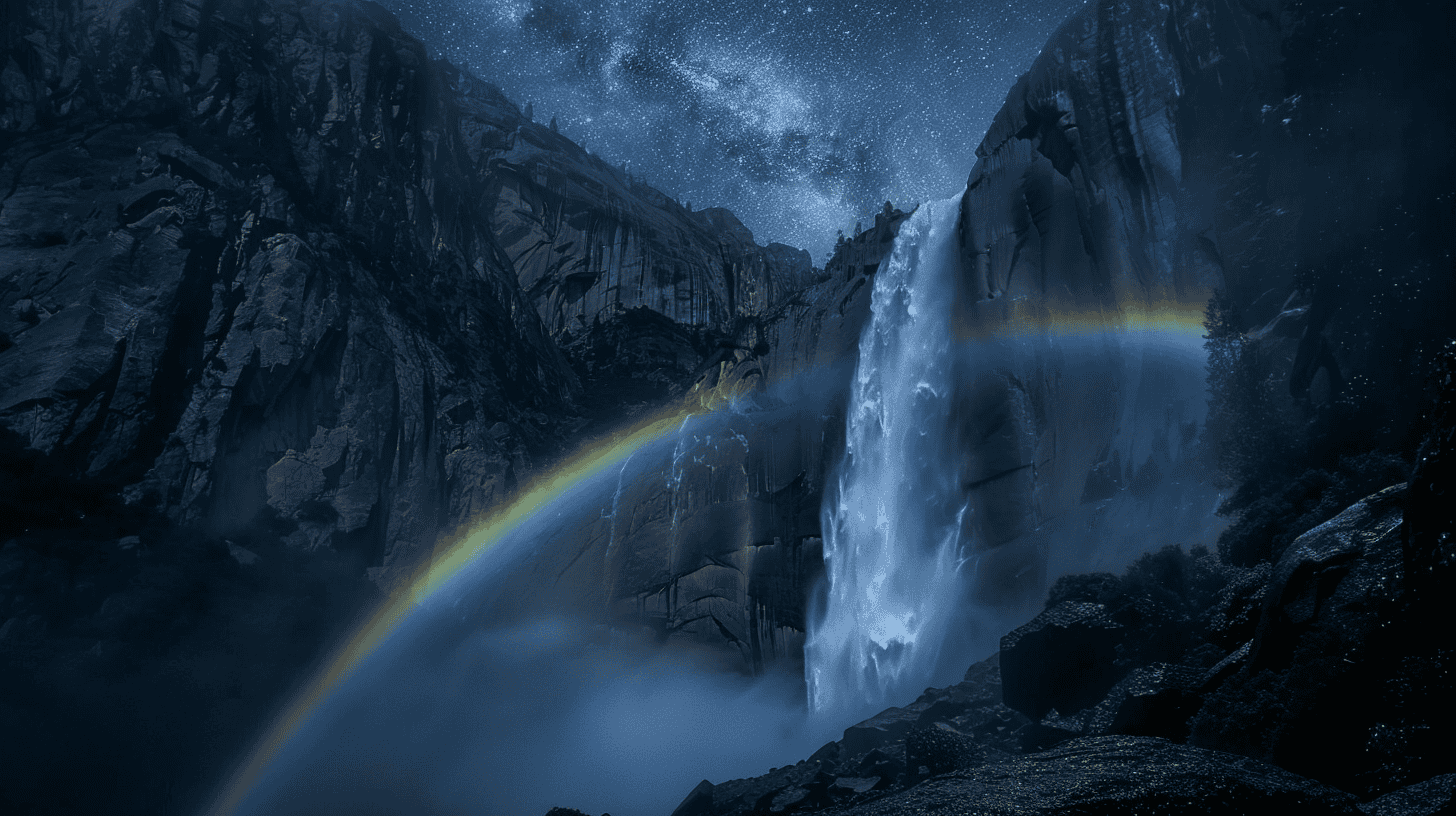
Yosemite National Park hosts one of nature’s most magical displays: moonbows. These nocturnal rainbows, formed by moonlight reflecting off mist from the park’s robust waterfalls, offer a breathtaking scene. They are best viewed during the spring and early summer when conditions align—clear skies, a near-full moon, and peak waterfall flow from melted snow.
This rare celestial phenomenon, mostly appearing as a silvery arc to the naked eye, reveals its true colors through long-exposure photography, making Yosemite a coveted spot for both photographers and nature lovers seeking to capture its ethereal beauty.