

While Boston’s North End and Portland’s waterfront typically grab the headlines for New England’s best food scenes, a smaller city nestled in Rhode Island is emerging as the region’s most compelling culinary destination. Providence, with its rich Italian heritage, innovative farm-to-table movement, and diverse cultural influences, is serving up something special that’s drawing food lovers from across the country.
A Tale of Two Hills: Where Tradition Meets Innovation
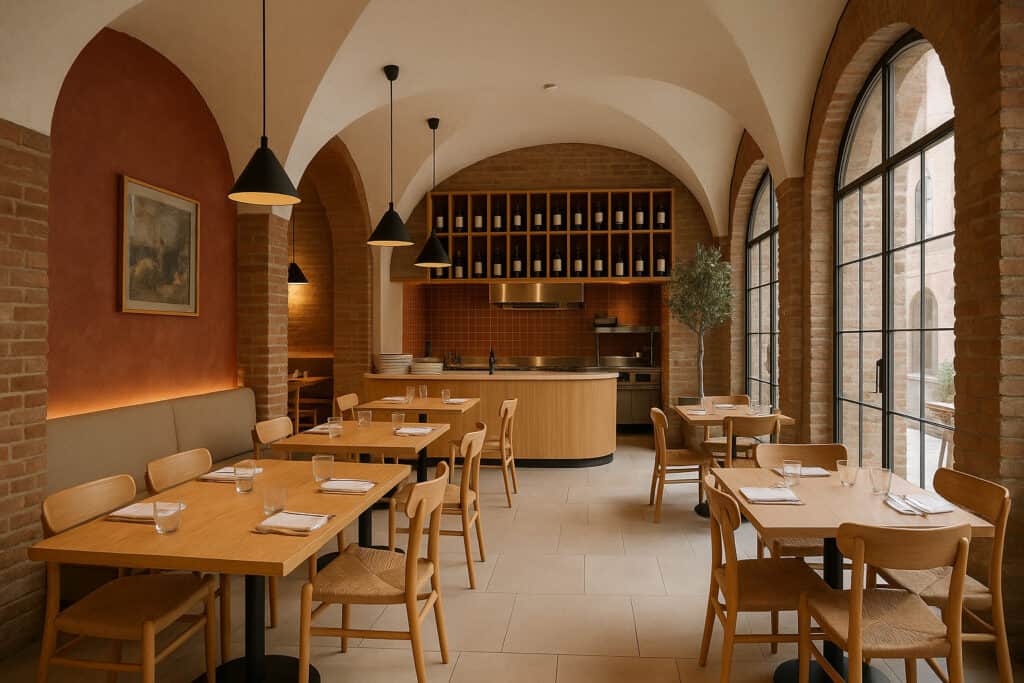
Providence’s food story begins in Federal Hill, the city’s historic Italian neighborhood that rivals Boston’s North End for authenticity and charm. According to Forbes, Providence’s Italian cuisine scene has evolved far beyond traditional fare, with the city emerging as “America’s Comeback City” in culinary innovation.
But what sets Providence apart isn’t just its traditional Italian roots – it’s how the city seamlessly blends heritage with innovation. While century-old pasta shops and traditional bakeries still line Atwells Avenue, you’ll also find modern interpretations of Italian cuisine that wouldn’t feel out of place in Milan’s trendiest neighborhoods.
Farm-to-Table: More Than Just a Buzzword
What truly distinguishes Providence’s culinary landscape is its deep connection to local agriculture. The city’s embrace of the farm-to-table movement has transformed it into one of America’s most sustainable food cities, with local chefs building direct relationships with Rhode Island farmers and fishermen.
The region’s massive indoor winter farmers market has become New England’s largest, serving as a year-round incubator for food innovation and cultural exchange. Here, traditional Italian vegetable growers share space with young urban farmers, creating a unique culinary ecosystem that influences the city’s menus.
A Culinary Education Hub Feeds Innovation

Providence’s secret weapon might be Johnson & Wales University, one of the country’s premier culinary schools. The institution has turned the city into a living laboratory for culinary innovation, with graduates often staying to open their own establishments or contribute to existing restaurants.
This educational foundation has helped create a dining scene that’s simultaneously sophisticated and unpretentious. You’re as likely to find a James Beard-nominated chef serving elevated street food as you are to discover a fourth-generation pasta maker experimenting with ancient grains.
Beyond Italian: A World of Flavors
While Italian cuisine may be Providence’s foundation, the city’s modern food scene reflects a global palate. In the past few years, the city has welcomed everything from Uyghur restaurants to Syrian bakeries, each adding new layers to Providence’s culinary identity.
What makes these additions special is how they often incorporate local ingredients and techniques while maintaining their cultural authenticity. It’s not unusual to find a Vietnamese restaurant using local seafood or a Middle Eastern café featuring Rhode Island-grown vegetables in traditional dishes.
The Next Course
The result is a food scene that feels both grounded and experimental, traditional and forward-thinking. In Providence, a centuries-old Italian restaurant can thrive next door to a modern fusion eatery, each benefiting from the city’s commitment to quality ingredients and culinary craftsmanship.
Whether you’re craving hand-rolled pasta made the way it has been for generations, innovative farm-to-table cuisine that showcases New England’s seasonal bounty, or global flavors that reflect the city’s growing diversity, Providence delivers with an authenticity and enthusiasm that’s hard to find elsewhere. This small city might not have the name recognition of other culinary destinations, but that’s exactly what makes it special – and why food lovers are increasingly making the pilgrimage to discover its flavors for themselves.
The city’s rise as a culinary destination isn’t just about great restaurants – it’s about a community that values both tradition and innovation, that celebrates its roots while embracing change. As other cities struggle to maintain their culinary identity in the face of gentrification and chain restaurants, Providence shows how a deep respect for food heritage combined with openness to new ideas can create something truly special.