

Planning for a long trip can be an exhilarating yet daunting task. There’s so much to consider and prepare for, ensuring you leave nothing important behind.
Whether it’s your first time or you’re a seasoned traveler, our curated list of 10 essential things to do before you go will help you cover all your bases. From safeguarding your home to preparing for the unexpected, these tips will set you on the path to a stress-free journey!
Notify Your Bank and Credit Card Companies

Before embarking on a long trip, it’s crucial to notify your bank and credit card companies of your travel plans. This simple step prevents inconvenient account freezes due to suspicious overseas transactions, ensuring you have access to your funds while abroad.
Plus, it’s a great opportunity to learn about any foreign transaction fees or potential account limitations, helping you avoid unexpected charges. Don’t forget to ask about travel-related services your bank might offer, such as travel insurance or emergency assistance.
Arrange for Pet Care

Before heading off on a long trip, make sure to arrange for reliable pet care to keep your furry friends happy and healthy. Whether you choose a trusted friend, family member, or a professional pet-sitting service, providing detailed instructions for feeding, exercise, and medical needs is key.
Stock up on necessary supplies like food, treats, and toys, and ensure the caregiver has your vet’s contact info. Introducing your pets to their temporary caregiver beforehand can also help minimize stress and ensure a smooth transition.
Back Up Your Important Documents

Before you leave for a long trip, it’s crucial to back up your important documents. Scan and save digital copies of your passport, travel insurance, and other essential papers.
Email these copies to yourself or store them securely online, so you can easily access them if they’re lost or stolen. This proactive step ensures you can quickly retrieve vital information and avoid significant disruptions to your travel plans.
Prepay Your Bills

Before you leave for a long trip, it’s essential to prepay your bills to avoid any financial hiccups during your absence. Settle any bills that will be due while you’re away, such as utilities, credit card payments, and rent or mortgage.
Consider signing up for automatic payments to ensure everything is covered and avoid late fees. This simple step helps you maintain financial health and enjoy your travels with peace of mind, knowing your obligations are taken care of.
Pack a First-Aid Kit
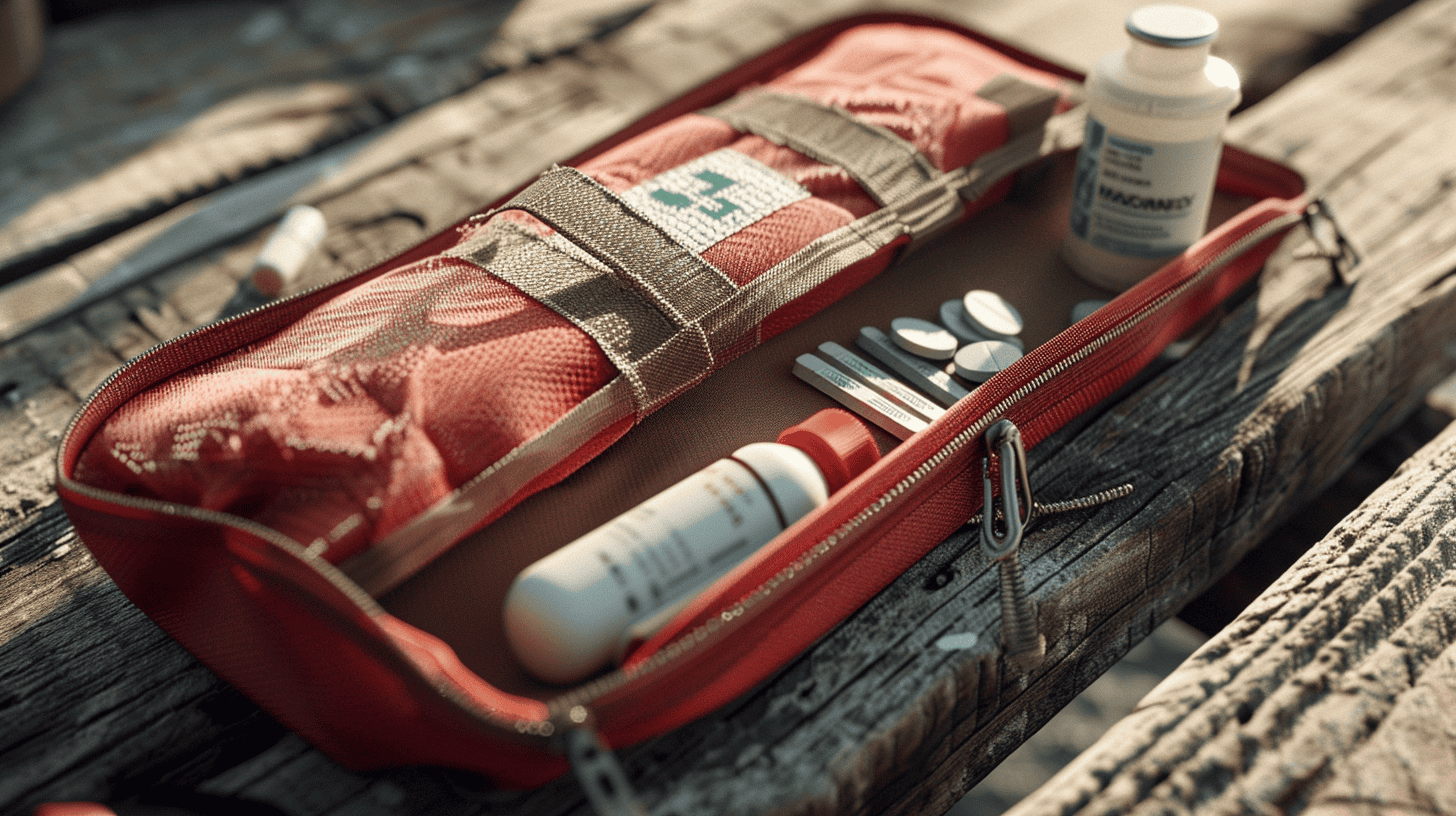
It’s wise to pack a first-aid kit with essential items to handle minor injuries and common ailments. Include basics like band-aids, antiseptic wipes, gauze pads, and over-the-counter medications for headaches, upset stomachs, and allergies.
Adding small tools like scissors, tweezers, and a digital thermometer can enhance your kit’s utility. Having a well-prepared first-aid kit ensures you can quickly address minor health issues, saving time and providing peace of mind during your travels.
Secure Your Home

It’s important to secure your home to prevent potential break-ins and ensure your property remains safe. Use timers for lights to create the illusion that someone is home, and consider timers for radios or TVs to add to the effect.
Pause mail delivery or have a trusted neighbor collect it to avoid accumulated mail signaling your absence. Inform a trusted neighbor or friend about your travel plans so they can keep an eye on your property and handle any unexpected issues.
Download Offline Maps and Entertainment

It’s a good idea to download offline maps and entertainment to ensure you stay connected and entertained, even in areas with poor internet connectivity. Offline maps of your destination and planned routes help you navigate unfamiliar places without relying on an internet connection.
Also, downloading books, movies, and music can make long journeys or downtime more enjoyable. Preparing offline maps and entertainment not only enhances your travel experience but also provides a reliable backup in case of connectivity issues.
Double-Check Your Travel Insurance

Before you leave for a long trip, it’s essential to double-check your travel insurance to ensure it provides adequate coverage for your planned activities and meets your needs. Start by thoroughly reviewing your policy to confirm it includes all the activities you’ll be participating in, such as hiking, skiing, or scuba diving.
Make sure the coverage is sufficient for medical expenses, emergency evacuation, trip cancellation, and lost or stolen belongings. Understanding the limits, exclusions, and deductibles of your policy gives you peace of mind and allows you to fully enjoy your travels.
Learn Basic Phrases in the Local Language

It’s beneficial to learn basic phrases in the local language of your destination. Knowing key phrases like greetings, thank you, and basic directions can greatly enhance your travel experience and make interactions with locals smoother.
Phrases such as “Where is the bathroom?” or “How much does this cost?” are particularly useful. Making an effort with the local language not only helps you navigate better but also fosters positive and friendly interactions, showing respect for the local culture.
Create a Travel Itinerary
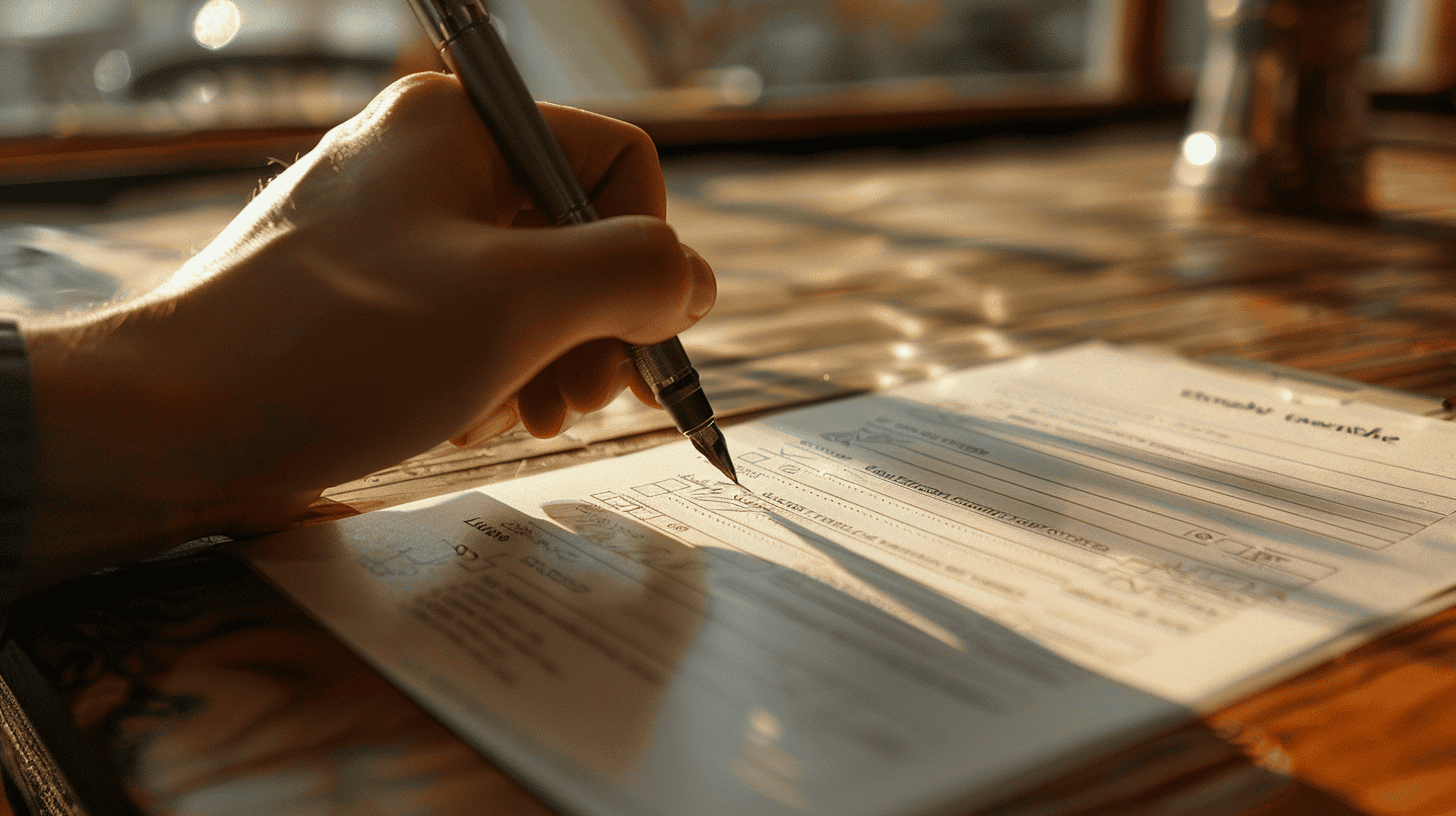
Create a detailed travel itinerary that includes your flight details, accommodation information, and a rough daily schedule. Start by listing your flight information, including departure and arrival times, airline details, and flight numbers.
Next, include the addresses and contact information of your accommodations, which can be vital in case of emergencies. Sharing this itinerary with a trusted family member or friend enhances your safety and ensures someone knows your whereabouts, providing peace of mind while you travel.