

From hidden islands to secretive military bases, there are places around the world that remain off-limits to the average tourist. Whether due to environmental protection, safety concerns, or shrouded in mystery, these forbidden locales spark curiosity and intrigue.
In this list, we’ll be looking at 15 places tourists are banned from visiting and explore the reasons behind these prohibitions. What are we waiting for? Let’s get down to it!
North Sentinel Island, India
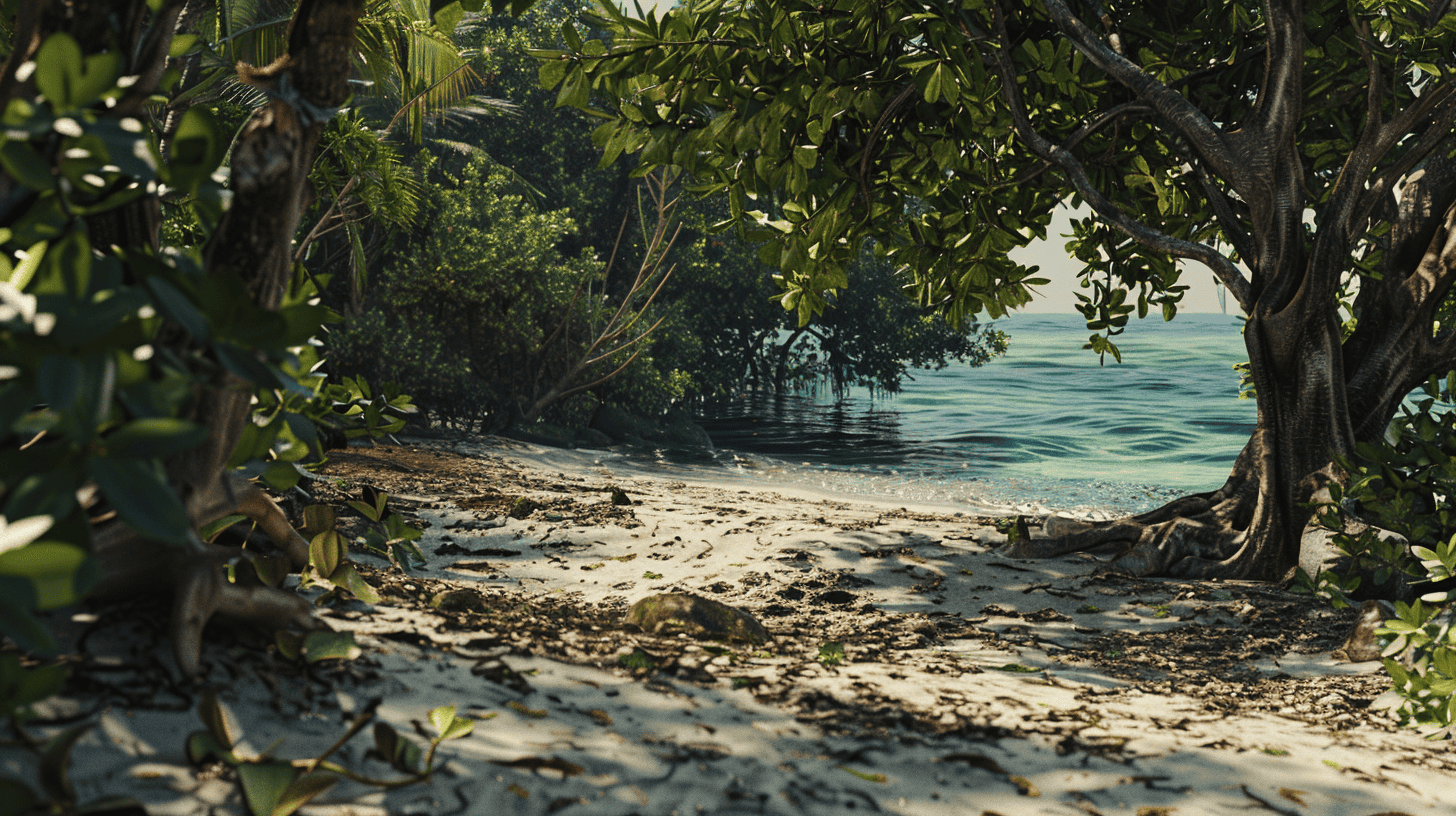
North Sentinel Island, nestled in the Bay of Bengal, is one of the world’s last frontiers of untouched wilderness and uncontacted civilization. Home to the Sentinelese, an indigenous tribe that has resisted contact with the outside world, the island represents a living snapshot of ancient human culture.
The Indian government strictly prohibits any visitation to protect the tribe’s health and preserve their unique way of life, as the Sentinelese lack immunity to common diseases and have historically defended their isolation with force. While curiosity about this secluded island is high, the ban underscores profound respect for the preservation and autonomy of one of the few remaining uncontacted peoples on the planet.
Area 51, Nevada, USA

In the stark Nevada desert, Area 51 is America’s most mysterious and highly classified military facility. Known primarily for its deep-rooted connections to Cold War aircraft testing and infamous UFO conspiracy theories, this site has captivated the public imagination for decades.
Officially recognized in 2013, the U.S. government still enforces a strict no-access policy to protect national security and the secretive activities carried out behind its fences. The allure of Area 51’s enigmatic presence continues to fuel wild speculations and intrigue, making it perhaps the most famous prohibited area in the United States.
Lascaux Caves, France
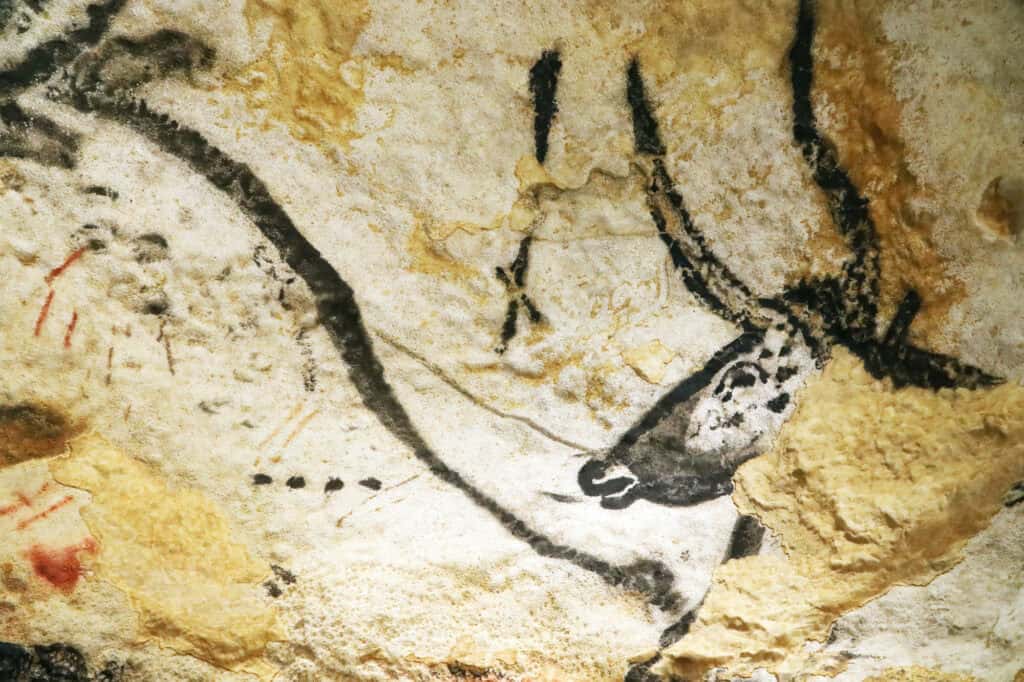
In the scenic hills of southwestern France, the Lascaux Caves are an archaeological wonder, home to some of the most impressive prehistoric art in the world. Discovered in 1940, these caves feature intricate paintings dating back over 17,000 years but were closed to the public in 1963 to protect the fragile artwork from damage caused by human presence.
The introduction of heat, moisture, and contaminants led to the growth of mold and algae, prompting the French government to preserve these invaluable insights into early human civilization by restricting access. While the original caves remain closed, visitors can still experience these ancient marvels through the Lascaux II replica, ensuring the preservation of these historical treasures without further harm to their integrity.
Surtsey, Iceland
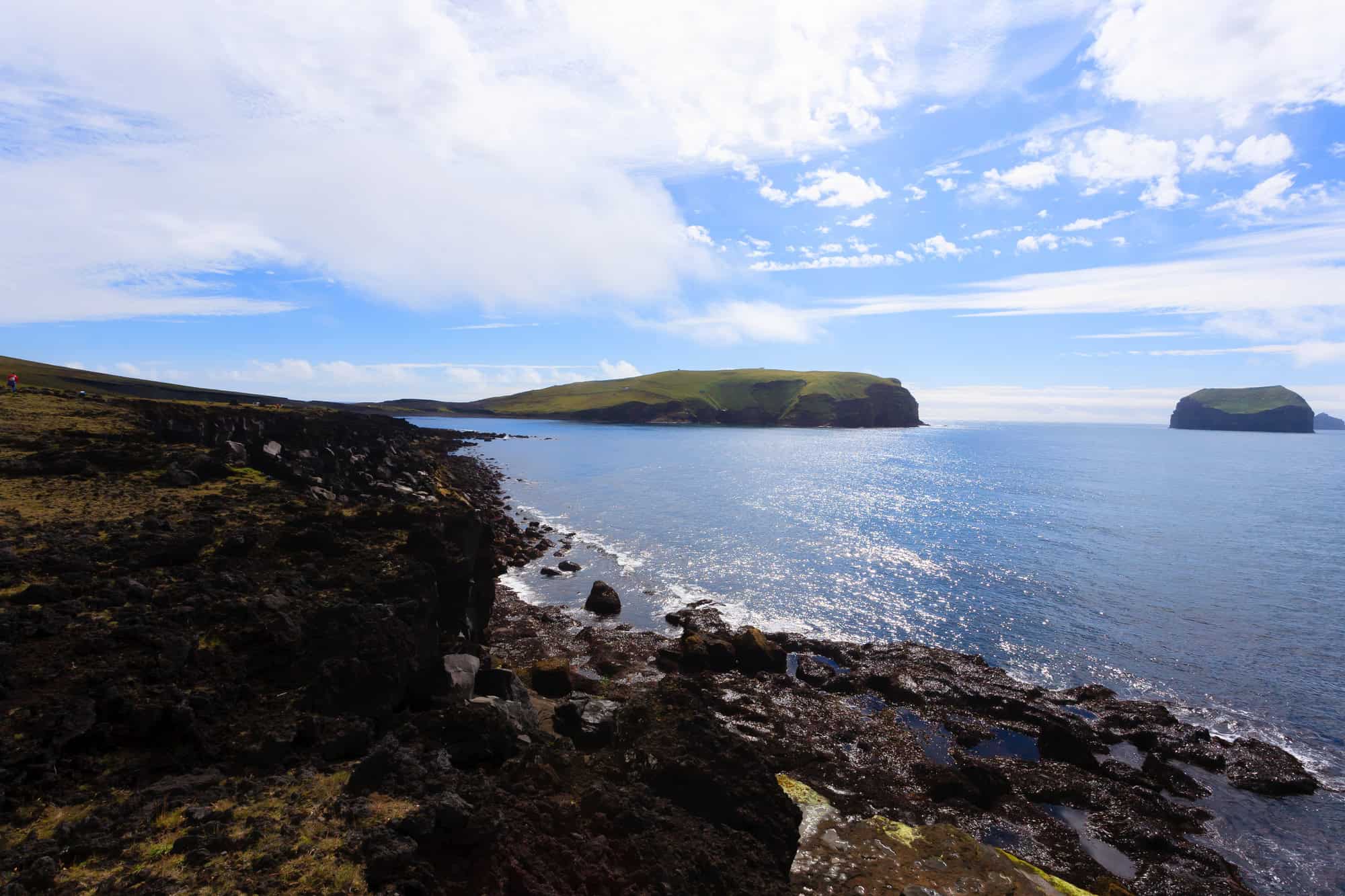
Surtsey, a tiny island off the coast of Iceland, offers a pristine glimpse into the earth’s ecological and geological evolution. Formed in 1963 from a violent volcanic eruption, this untouched island has been off-limits to tourists to prevent human interference, allowing scientists an unparalleled opportunity to study the birth and natural progression of ecosystems.
As a “living laboratory,” Surtsey helps researchers understand how life can emerge and thrive in a barren landscape, providing crucial insights into ecological succession and resilience. For those fascinated by natural sciences, Surtsey represents the delicate balance between preservation and discovery.
Poveglia Island, Italy

Poveglia Island, nestled in the Venetian Lagoon of Italy, is as haunting as it is off-limits. Known as the “island of ghosts,” this eerie locale has a chilling past, from serving as a plague quarantine station to housing a psychiatric hospital rumored for its horrors.
Today, due to its dangerous, crumbling structures and the need to preserve its dark history, the Italian government restricts public access. This mysterious island whispers tales of the past, captivating the curious from afar, yet remains a place few will ever tread.
Vatican Secret Archives, Vatican City

The Vatican Secret Archives, situated within the fortified walls of Vatican City, holds one of the globe’s most elusive and fascinating collections of historical documents. This restricted area is not shrouded in mystery for the sake of secrecy, but rather to protect the sensitive nature of materials that chronicle centuries of papal history and global religious affairs.
Included among its treasures are pivotal documents related to significant historical events such as the trial of Galileo and the Reformation. Access is tightly controlled to ensure these delicate records are preserved for scholarly research and to maintain the integrity of their contents, making it one of the rare places where curiosity alone does not grant entry.
Snake Island (Ilha da Queimada Grande), Brazil
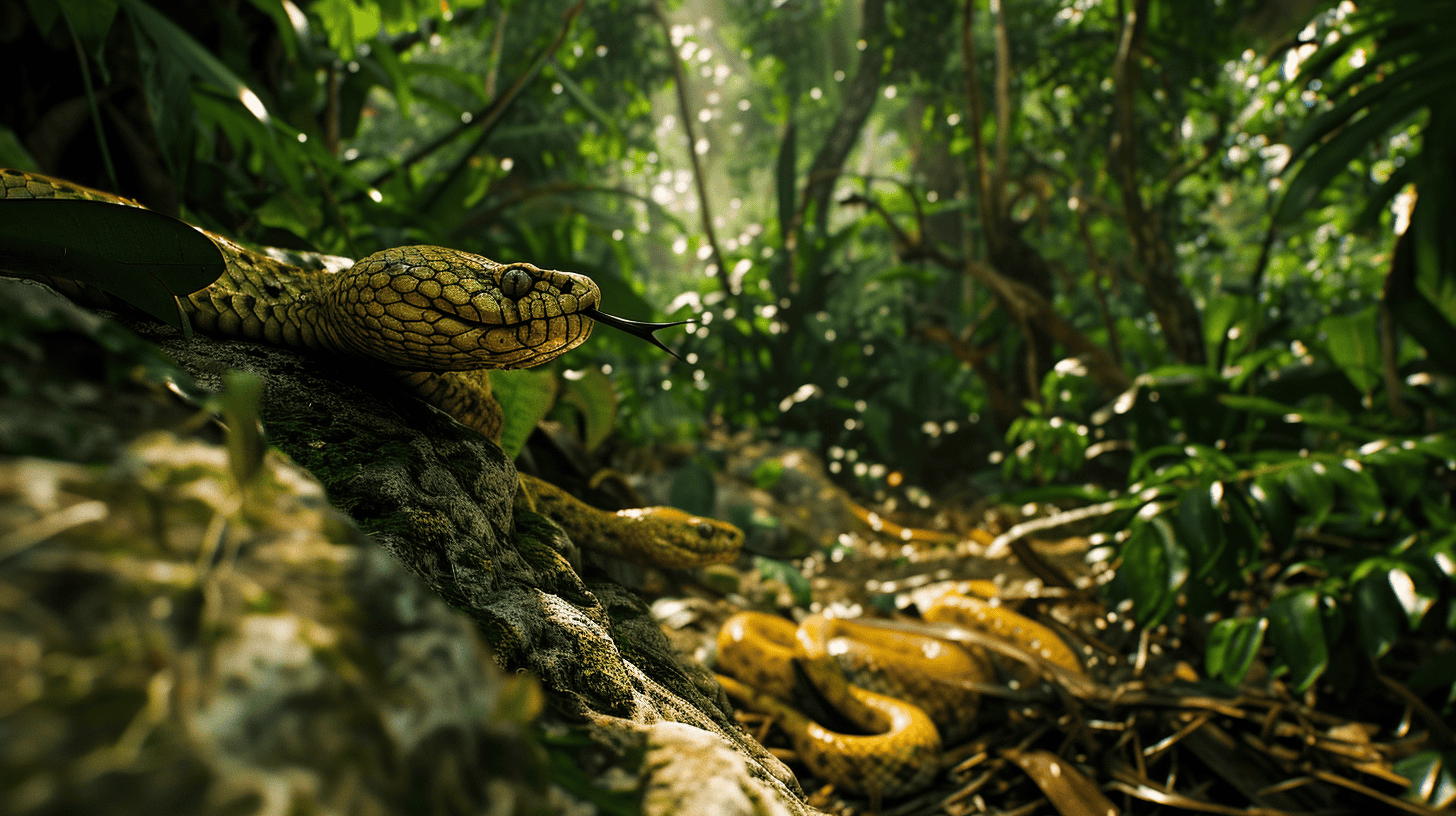
Snake Island, or Ilha da Queimada Grande, off the coast of Brazil, is as beautiful as it is deadly, housing one of the world’s highest concentrations of venomous snakes. The island is the exclusive habitat of the critically endangered golden lancehead viper, whose venom can kill a human in under an hour.
Due to these dangers, the Brazilian government strictly prohibits public access to the island, allowing only a few scientific researchers who study the viper and its unique environment. This restriction ensures both the safety of the public and the preservation of the island’s delicate ecosystem, maintaining Snake Island as a fascinating yet formidable no-go zone.
Ise Grand Shrine, Japan
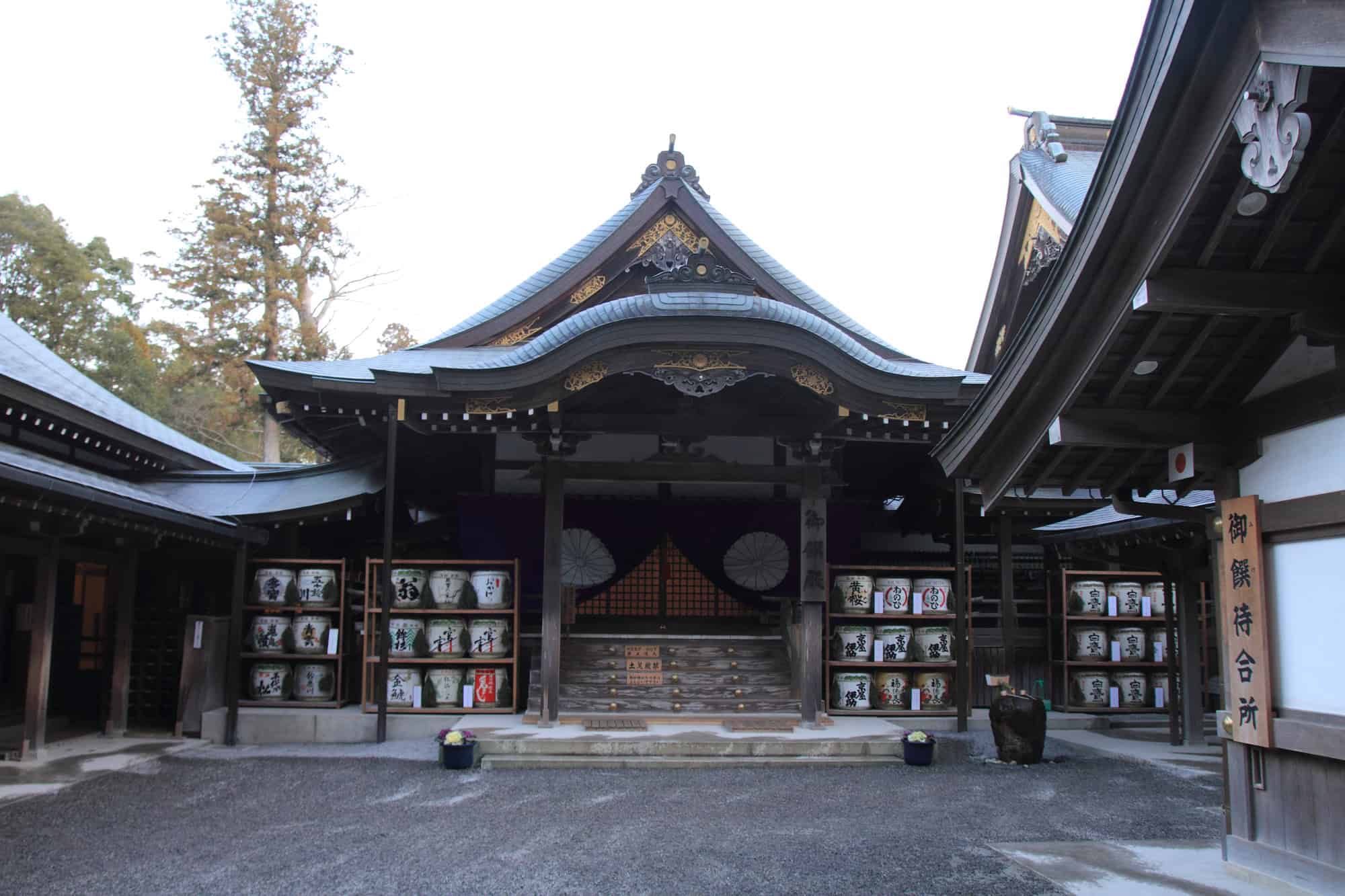
The Ise Grand Shrine in Mie Prefecture, Japan, is a revered site, enshrined deep within a serene forest and dedicated to the sun goddess Amaterasu. Central to Japanese Shinto beliefs and the nation’s cultural heritage, this sacred shrine allows only priests and priestesses from the imperial family within its inner sanctum.
This strict limitation helps preserve the spiritual purity and deep historical significance of the site, reflecting its connection to the imperial lineage. While the outer areas of the shrine welcome visitors, offering a glimpse into its tranquil beauty and spiritual ambiance, the inner sanctum remains a closely guarded secret, adding to the shrine’s mystique and reverence.
Chernobyl Exclusion Zone, Ukraine
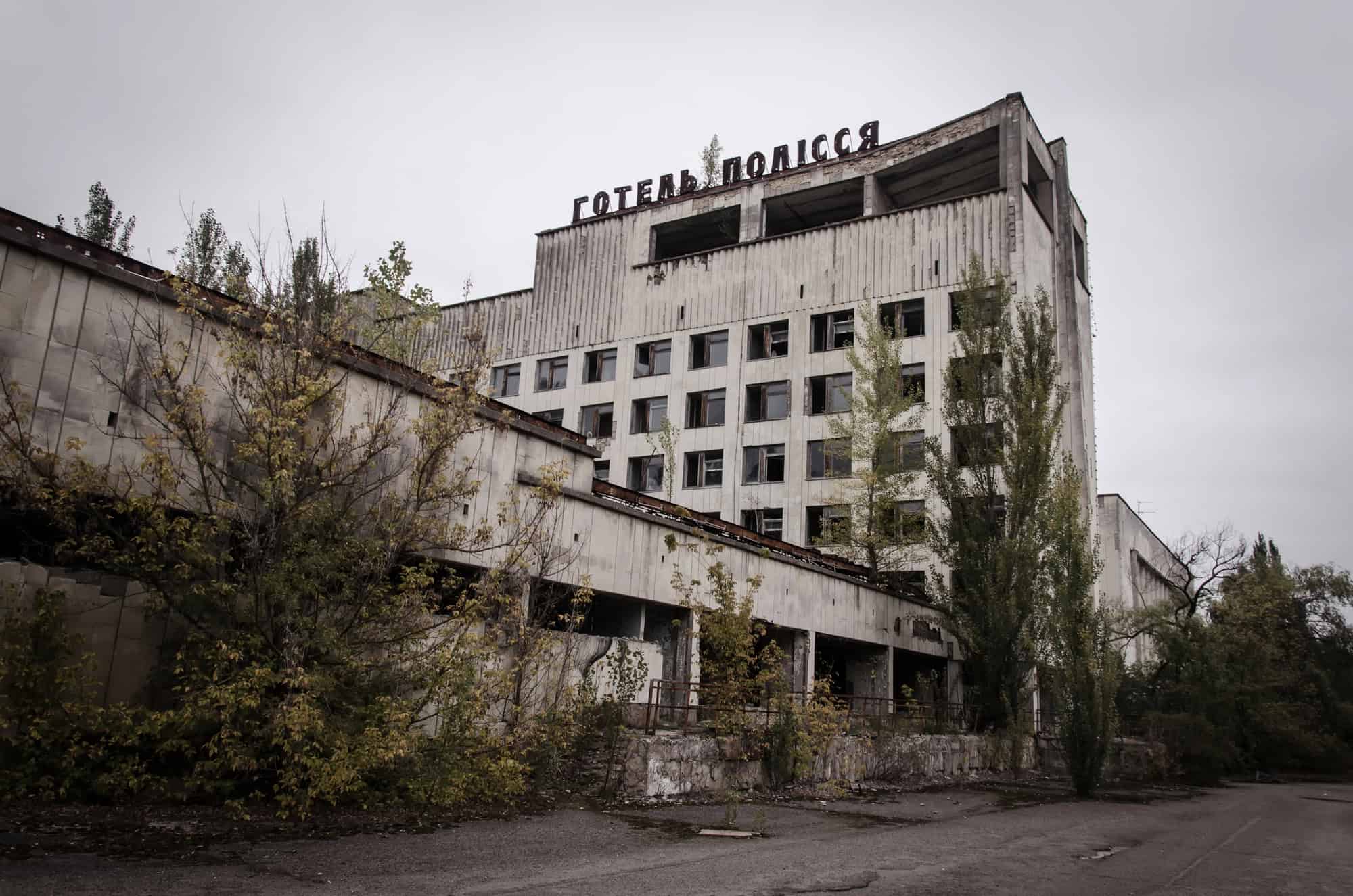
The Chernobyl Exclusion Zone in Ukraine serves as a stark reminder of the 1986 nuclear disaster, one of the most catastrophic in history. This vast, largely uninhabited area is a chilling snapshot of human departure and nature’s reclamation, where silent towns and a decayed power plant are eerily preserved.
While visitors can explore certain parts on guided tours, access to the most contaminated areas, known as “red zones” like the vicinity of the destroyed reactor and the Red Forest, remains strictly off-limits due to high radiation levels. These restrictions ensure visitor safety, highlighting the grave consequences of nuclear accidents and the lingering dangers they pose.
Mount Weather Emergency Operations Center, Virginia, USA
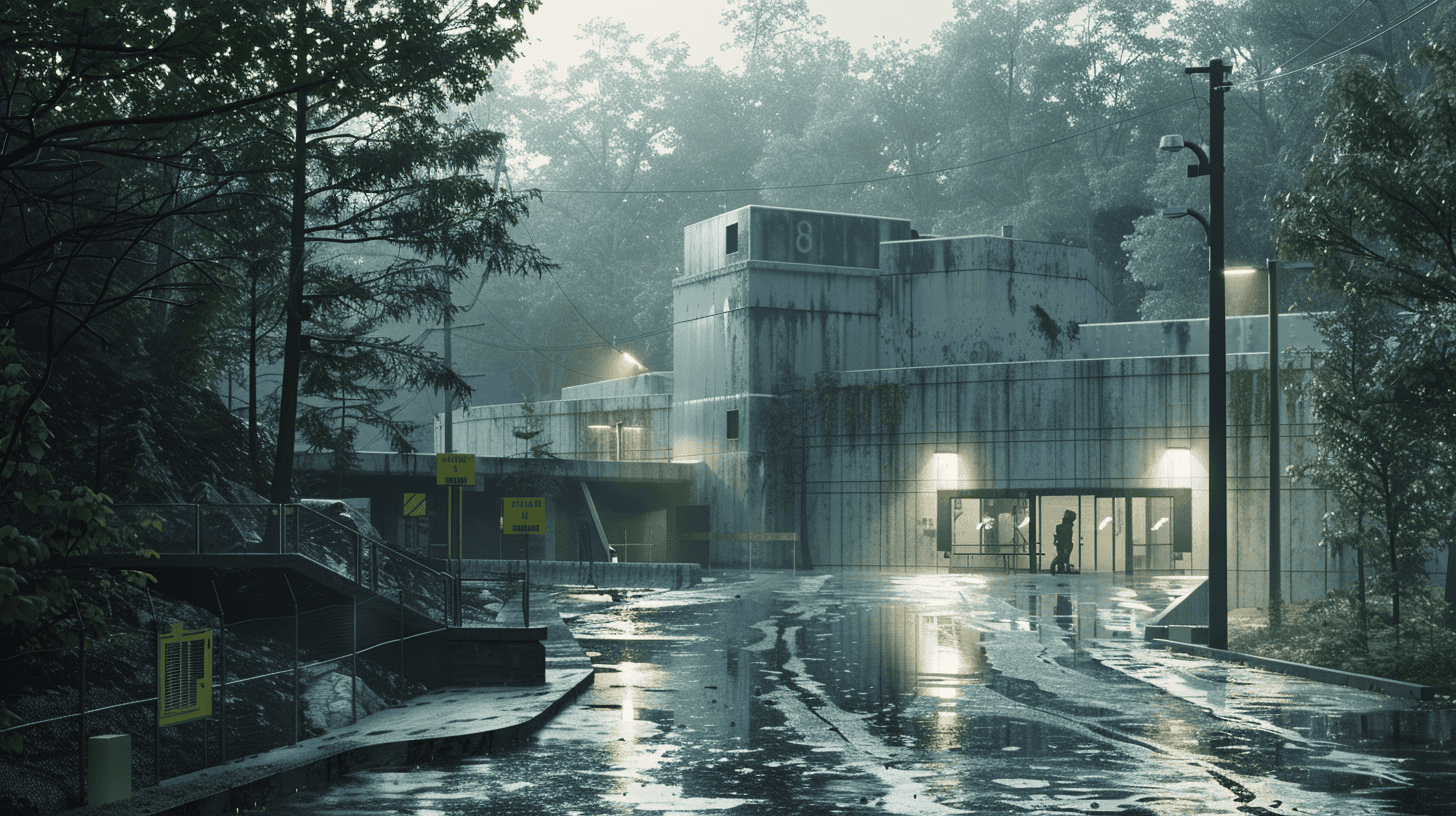
The Mount Weather Emergency Operations Center, situated in the serene foothills of Virginia’s Blue Ridge Mountains, is crucial for U.S. national security, acting as a civilian command facility in times of national emergencies. Often dubbed the “president’s doomsday bunker,” this facility is fortified to serve as a secure haven for key government officials to manage disaster responses.
Access is strictly limited to authorized personnel only, ensuring operational secrecy and security. This exclusivity maintains Mount Weather’s readiness as a strategic asset critical for the continuity of government operations during crises, preserving its role without public interference or threat.
Heard Island, Australia
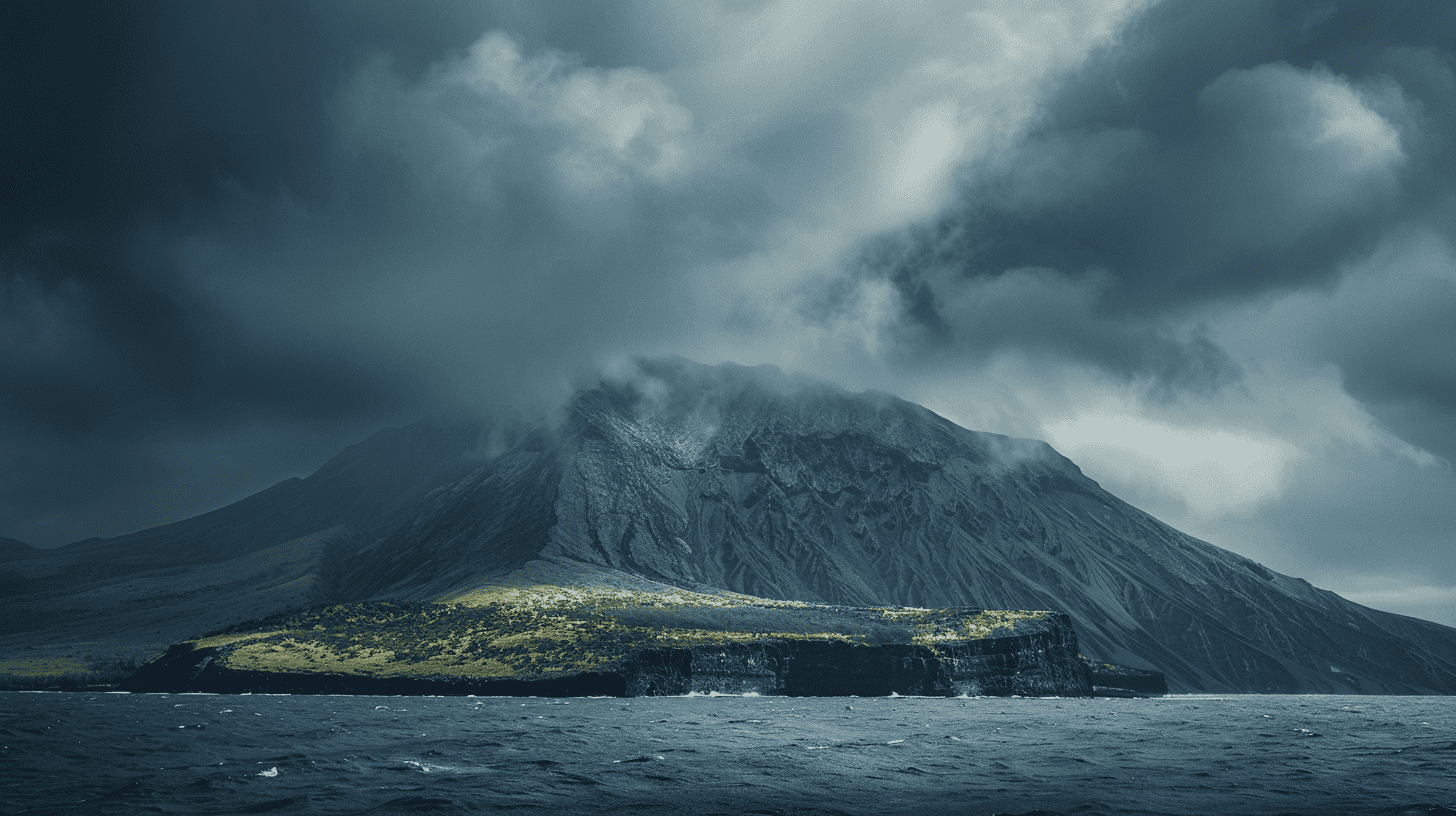
Heard Island, situated in the southern Indian Ocean, epitomizes isolation and untouched natural beauty. This remote destination is dominated by dramatic volcanic landscapes, icy glaciers, and a diverse array of wildlife including seals and penguins.
Due to its extreme weather and remote location, over 4,000 kilometers southwest of Australia, access to Heard Island is strictly controlled, and limited to authorized scientific research to preserve its fragile ecosystem. The restrictions not only protect this pristine environment but also ensure the safety of those who might otherwise face the formidable challenges posed by its harsh conditions.
The White Gentleman’s Club, United Kingdom
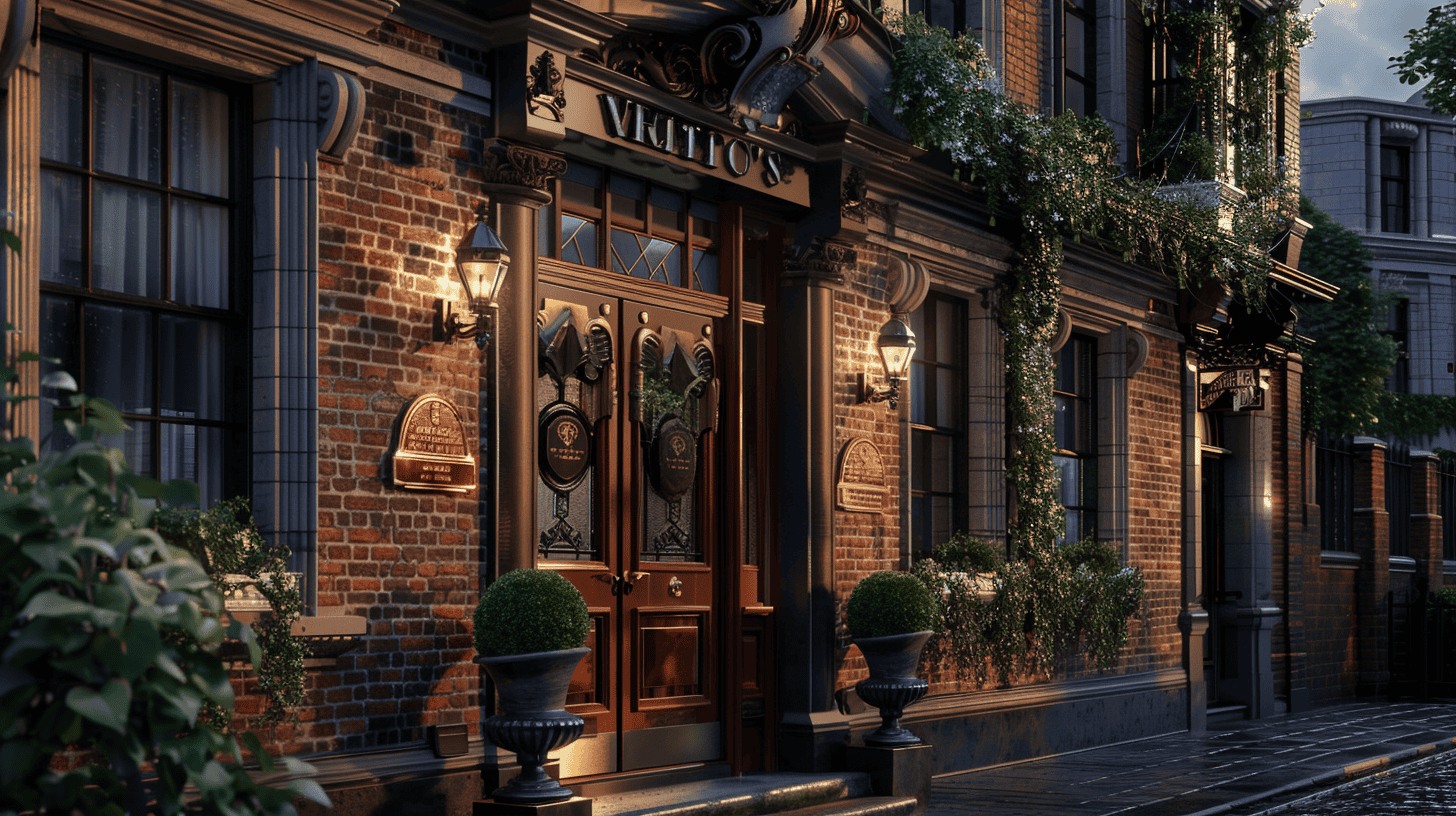
White’s Gentleman’s Club in London’s Mayfair district epitomizes the height of exclusivity and traditional British club culture. Established in 1693, it ranks as one of the most prestigious private clubs in the UK, catering to a clientele that includes aristocrats and leading political figures.
Entry into White’s is fiercely guarded, accessible only to a select group approved by current members, ensuring privacy and a refined atmosphere for high-level socializing and networking. This strict access policy maintains the club’s secretive allure and the privacy of its distinguished members, cementing White’s as a symbol of privilege and British heritage.
Google Data Centers

Google Data Centers are high-security fortresses that form the backbone of the internet’s infrastructure, powering the vast array of Google’s services. Positioned globally, these centers are equipped with advanced technology and stringent security measures to manage and safeguard the data they handle.
Due to the sensitive nature of the information and the proprietary technology within, these facilities restrict access strictly to authorized personnel. This limitation not only protects personal and business data from physical and cyber threats but also ensures the uninterrupted operation of services that millions depend on daily, making them off-limits to the public but crucial to the digital ecosystem.
Bhangarh Fort, India
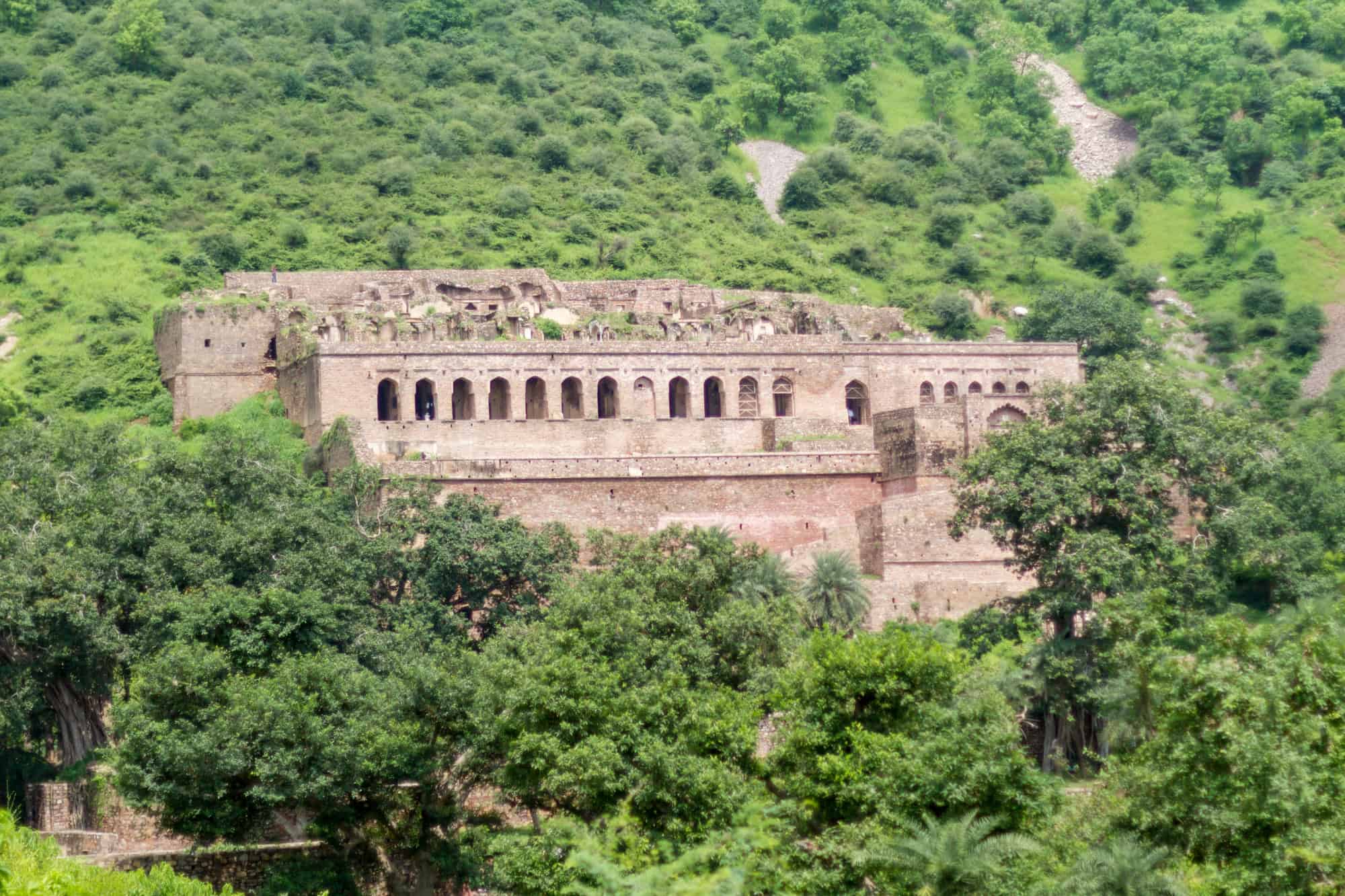
In the rugged hills of Rajasthan, India, the 17th-century Bhangarh Fort is as beautiful as it is eerie, renowned for its stunning architecture and haunted reputation. Known as one of India’s most haunted locations, the fort is wrapped in legends of curses and ghostly encounters, leading authorities to ban entry from sunset to sunrise to ensure public safety and respect for local traditions.
While visitors can explore the fort’s grandeur by day, experiencing its historical ambiance and architectural beauty, the nighttime restrictions serve as a protective measure against potential paranormal dangers and preserve the serenity of this enigmatic site. Thus, Bhangarh Fort continues to captivate the imagination of travelers, blending rich history with the allure of the supernatural.
Metro-2, Russia
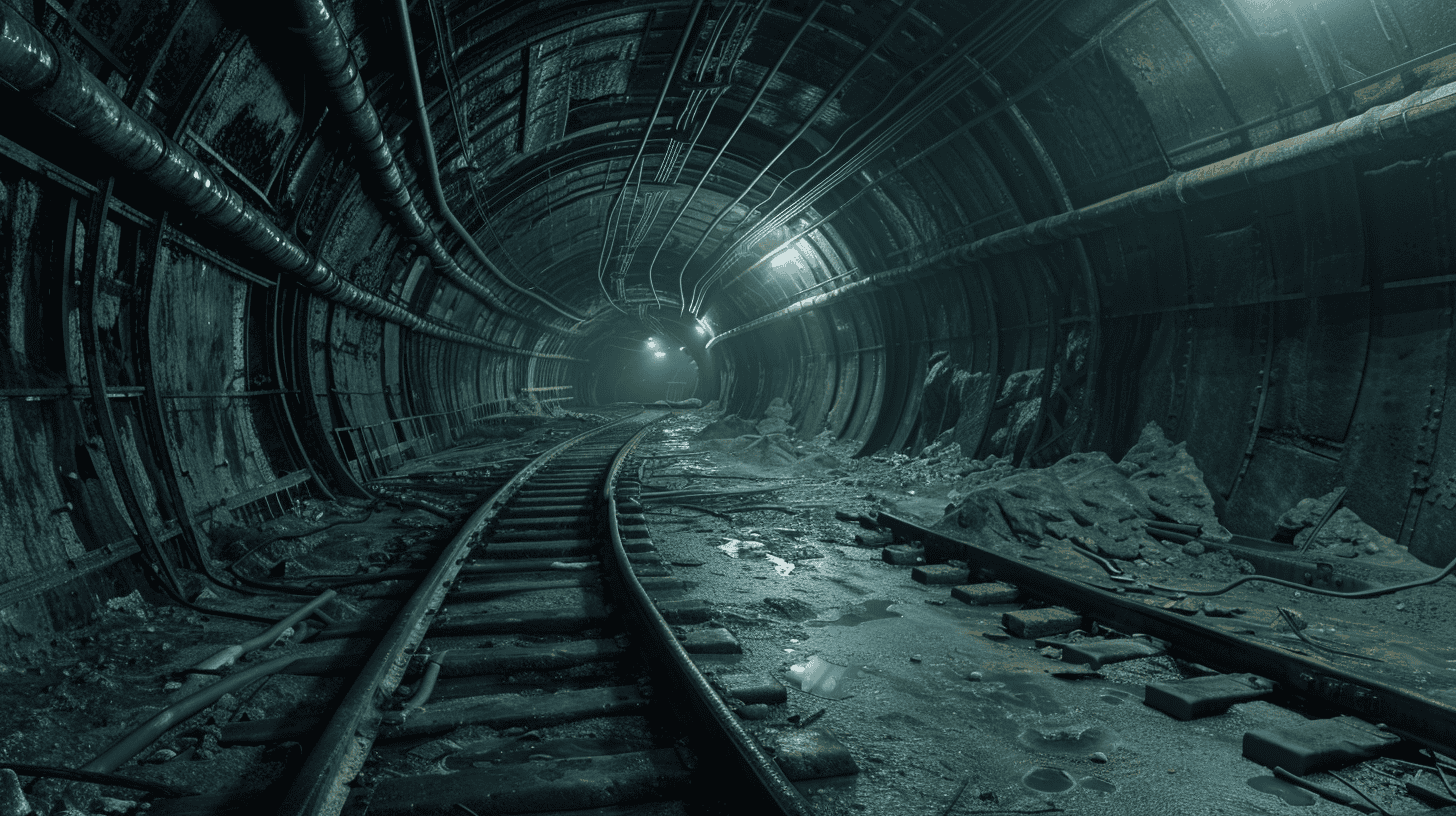
Metro-2 in Moscow, Russia, captivates the imagination as an alleged secret underground metro system, rumored to have been built during the Stalin era for exclusive use by government and military elites. Despite never being officially acknowledged by Russian authorities, the lore surrounding this clandestine network continues to thrive, fueled by its secretive nature and lack of tangible evidence.
Due to its supposed hidden purpose and unconfirmed existence, Metro-2 remains inaccessible to the public, with severe restrictions preventing unauthorized exploration of what might lie beneath the bustling cityscape. This enigmatic site remains a subject of fascination, embodying the intrigue of Moscow’s shadowy past, yet it is strictly off-limits, safeguarded by layers of security and secrecy.