

Have you ever wondered about those places on Earth that boggle the minds of scientists and leave us all scratching our heads? From unexplained natural phenomena to ancient structures that seem to defy logic, our world is full of mysteries waiting to be discovered. Buckle up and join us on a journey to explore 10 of the most baffling and intriguing places on Earth that continue to puzzle science. Ready to dive into the unknown? Let’s go!
The Bermuda Triangle, Atlantic Ocean

The Bermuda Triangle, an area roughly bounded by Miami, Bermuda, and Puerto Rico, has fascinated people for decades due to the mysterious disappearances of ships and aircraft. Covering about 500,000 square miles in the North Atlantic, this heavily traveled region has seen everything from strange compass readings by Columbus to the vanishing of Flight 19 and the USS Cyclops.
Despite numerous investigations and theories ranging from natural phenomena to extraterrestrial activity, no definitive explanation has been found. Its enigma continues to capture the imaginations of adventurers and mystery-seekers around the world.
The Nazca Lines, Peru
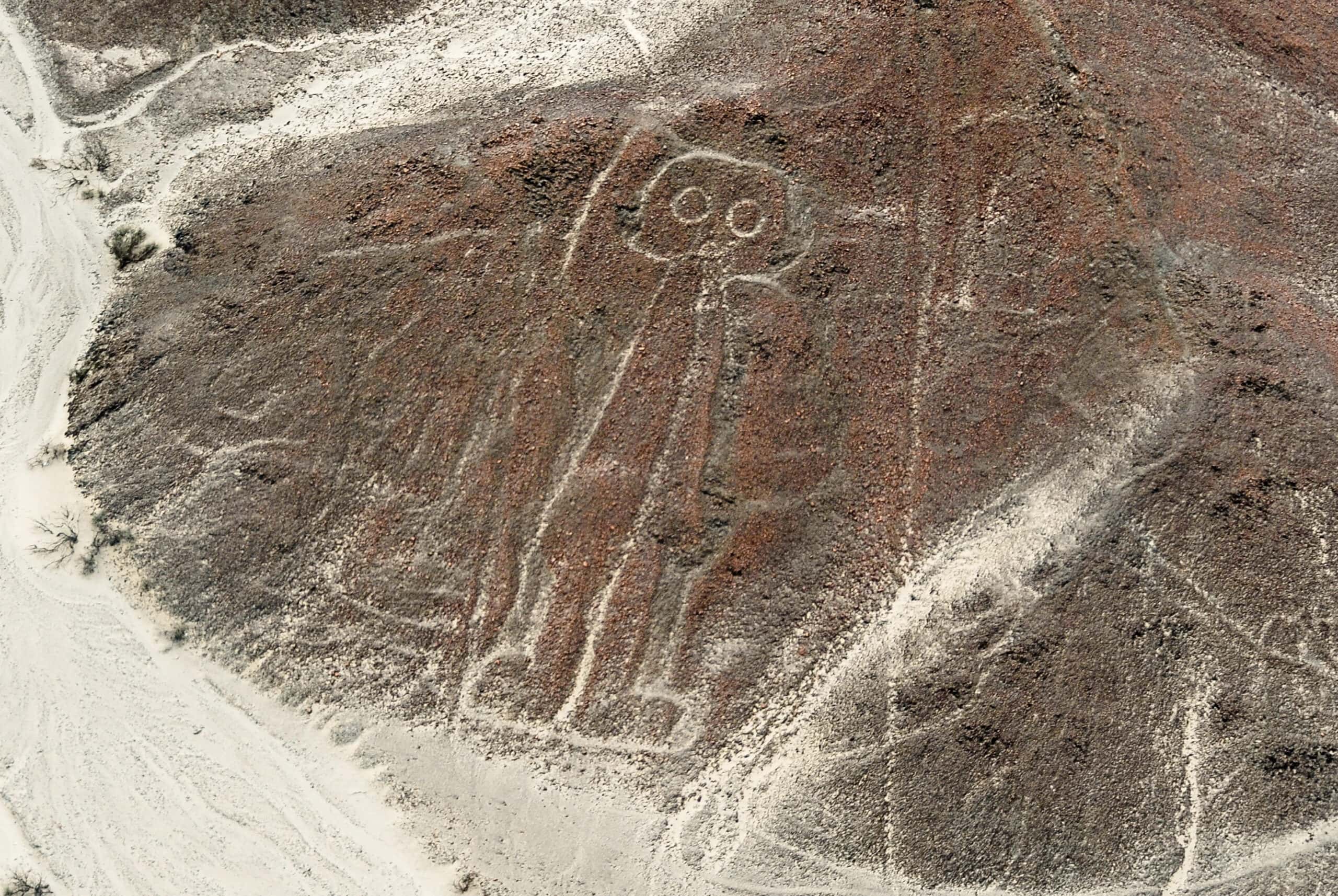
The Nazca Lines, located in southern Peru’s arid coastal plains, are a collection of enormous geoglyphs etched into the desert floor. Spanning nearly 1,000 square kilometers, these intricate designs include animals, plants, human figures, and geometric shapes, visible in their full complexity only from the air.
Created by the Nazca culture between 500 BCE and 500 CE, their purpose remains a mystery, with theories ranging from astronomical calendars to ritualistic paths. Despite extensive study, no definitive explanation has been universally accepted, keeping the Nazca Lines an enduring enigma that fascinates both scholars and travelers.
The Great Blue Hole, Belize
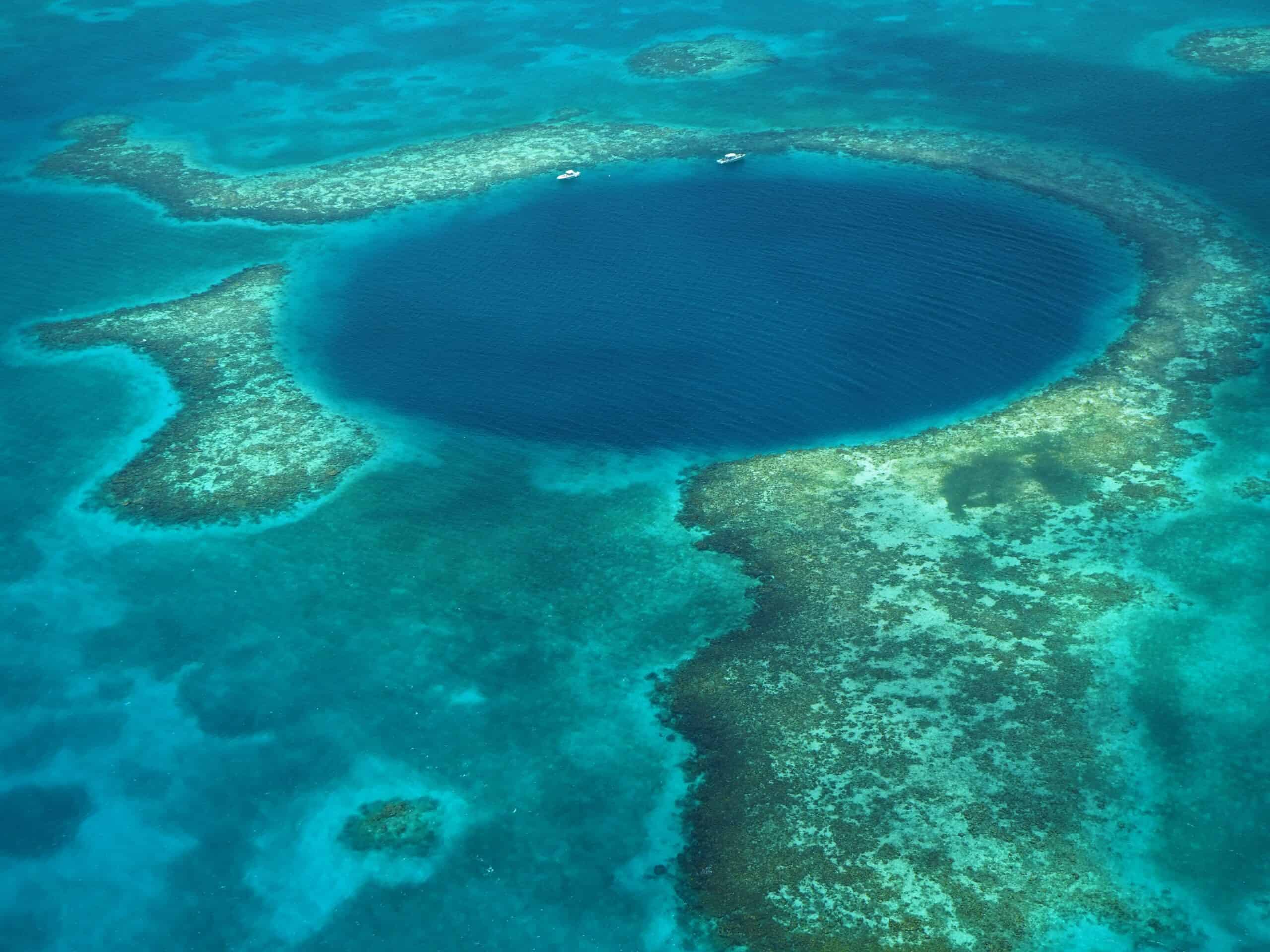
The Great Blue Hole, located off the coast of Belize, is a giant marine sinkhole that has long fascinated scientists and divers with its perfectly circular shape and extraordinary depth. Measuring about 1,000 feet in diameter and plunging over 400 feet deep, this natural wonder is part of the Belize Barrier Reef Reserve System, a UNESCO World Heritage Site.
Formed during the last Ice Age, its unique underwater features, including ancient stalactites and an anoxic environment, add to the mystery. Despite numerous explorations, this deep blue abyss still holds secrets about the geological processes that shaped it and the potential undiscovered life within its depths.
The Crooked Forest, Poland

The Crooked Forest, or Krzywy Las, near Gryfino, Poland, is a grove of about 400 pine trees that captivate visitors with their unusual shapes. Planted around 1930, these trees bend sharply at almost 90-degree angles at their bases before curving back upwards.
The origin of their bizarre curvature remains a mystery, with theories ranging from human intervention for creating curved timber to natural events like severe snowstorms. Despite various studies, no definitive explanation exists, making the Crooked Forest an enduring natural curiosity that continues to fascinate and mystify.
Lake Hillier, Australia
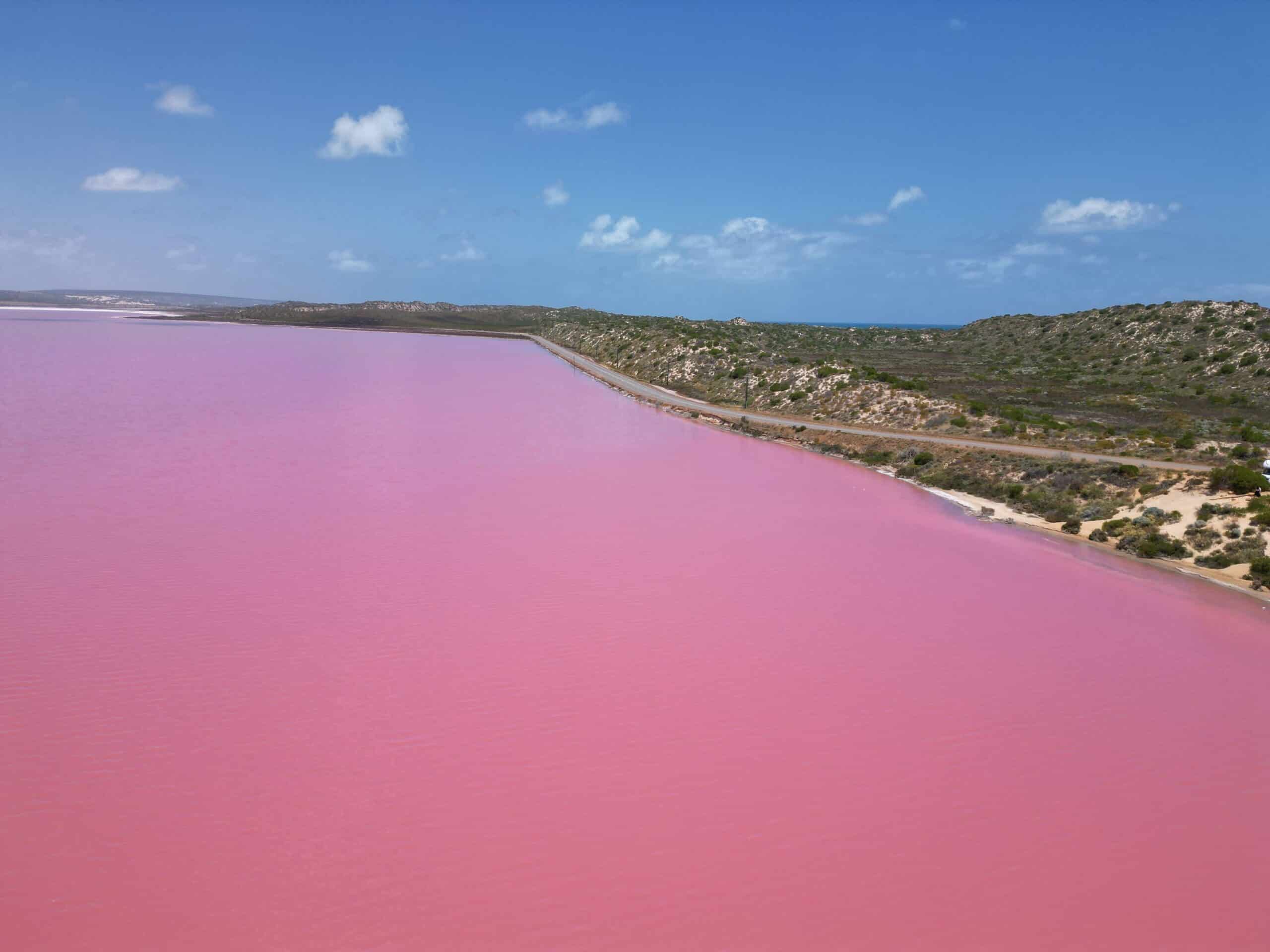
Lake Hillier, situated on Middle Island in Western Australia’s Recherche Archipelago, is famous for its striking bubblegum-pink water. This small, saline lake, encircled by a rim of white salt and dense eucalyptus woodlands, presents a surreal contrast that fascinates visitors and scientists.
The exact cause of its unusual pink color remains not fully explained, though it’s commonly attributed to the presence of Dunaliella salina algae and Halobacteria, which thrive in the lake’s high salinity and produce carotenoid pigments. Despite these theories, no definitive explanation exists, making Lake Hillier one of Australia’s most captivating and mysterious natural wonders.
The Island of the Dolls, Mexico
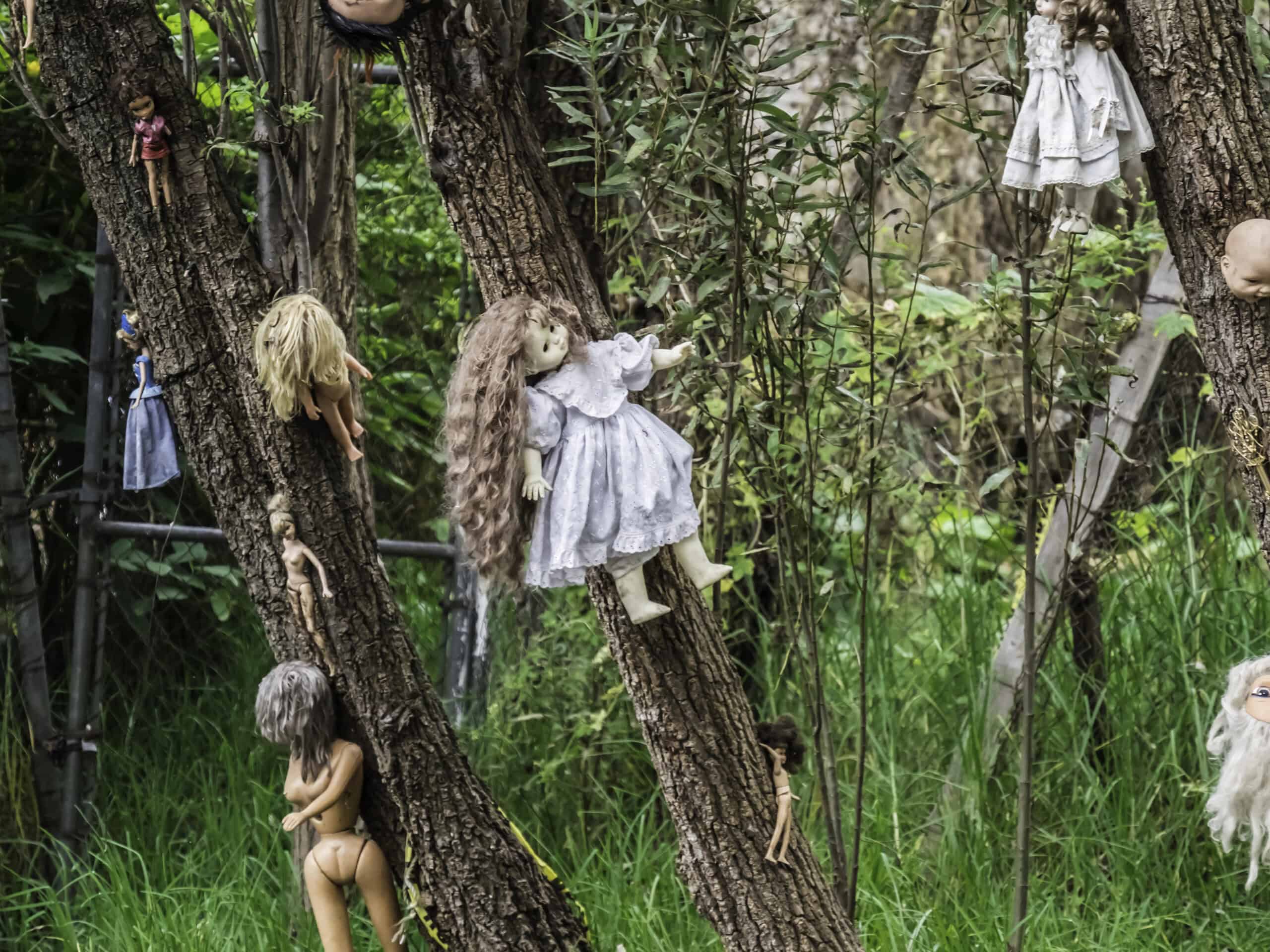
The Island of the Dolls, or La Isla de las Muñecas, is a hauntingly eerie destination located in the Xochimilco canals near Mexico City. This small island is adorned with hundreds of dolls and doll parts hanging from trees and buildings, creating a chilling atmosphere steeped in legend.
The story began with Don Julián Santana Barrera, who started hanging dolls to appease the spirit of a young girl he believed had drowned there. Over fifty years, he transformed the island into this unsettling shrine, and his mysterious death in 2001 only added to its ghostly reputation. Today, it’s a popular tourist spot that continues to intrigue and unsettle visitors with its macabre charm.
Racetrack Playa, USA
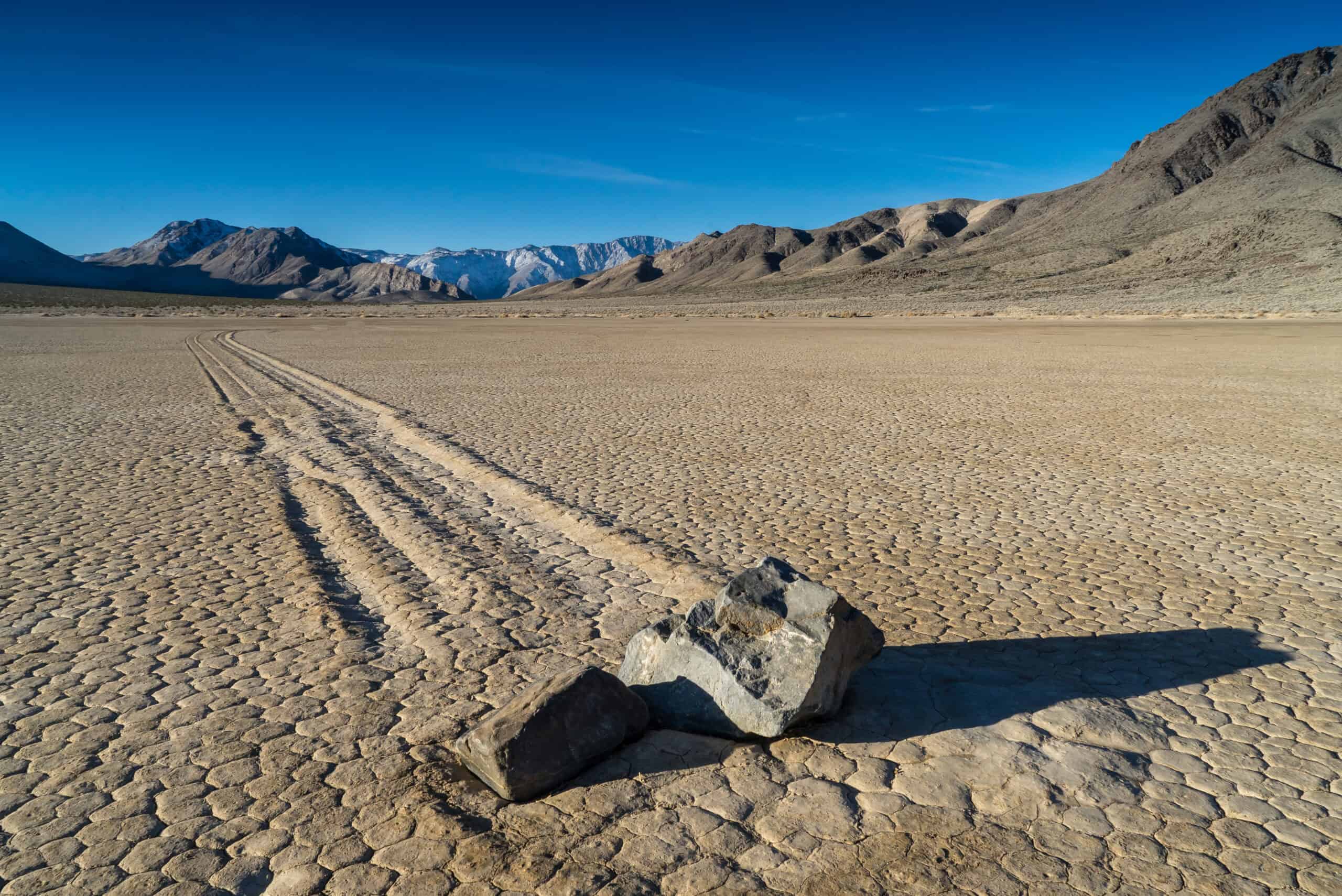
Racetrack Playa, situated in Death Valley National Park, California, is renowned for its mysterious “sailing stones” that seemingly move across the flat, dry lake bed, leaving long tracks behind them. These stones, some weighing hundreds of pounds, have puzzled scientists and visitors for decades as they shift without any apparent intervention.
Recent studies suggest that the movement is facilitated by a combination of rain, freezing temperatures, and gentle winds that push ice panels against the rocks, causing them to glide across the slick surface. Despite these findings, the phenomenon continues to intrigue and mystify, making Racetrack Playa one of nature’s most fascinating and enigmatic wonders.
The Boiling River, Peru
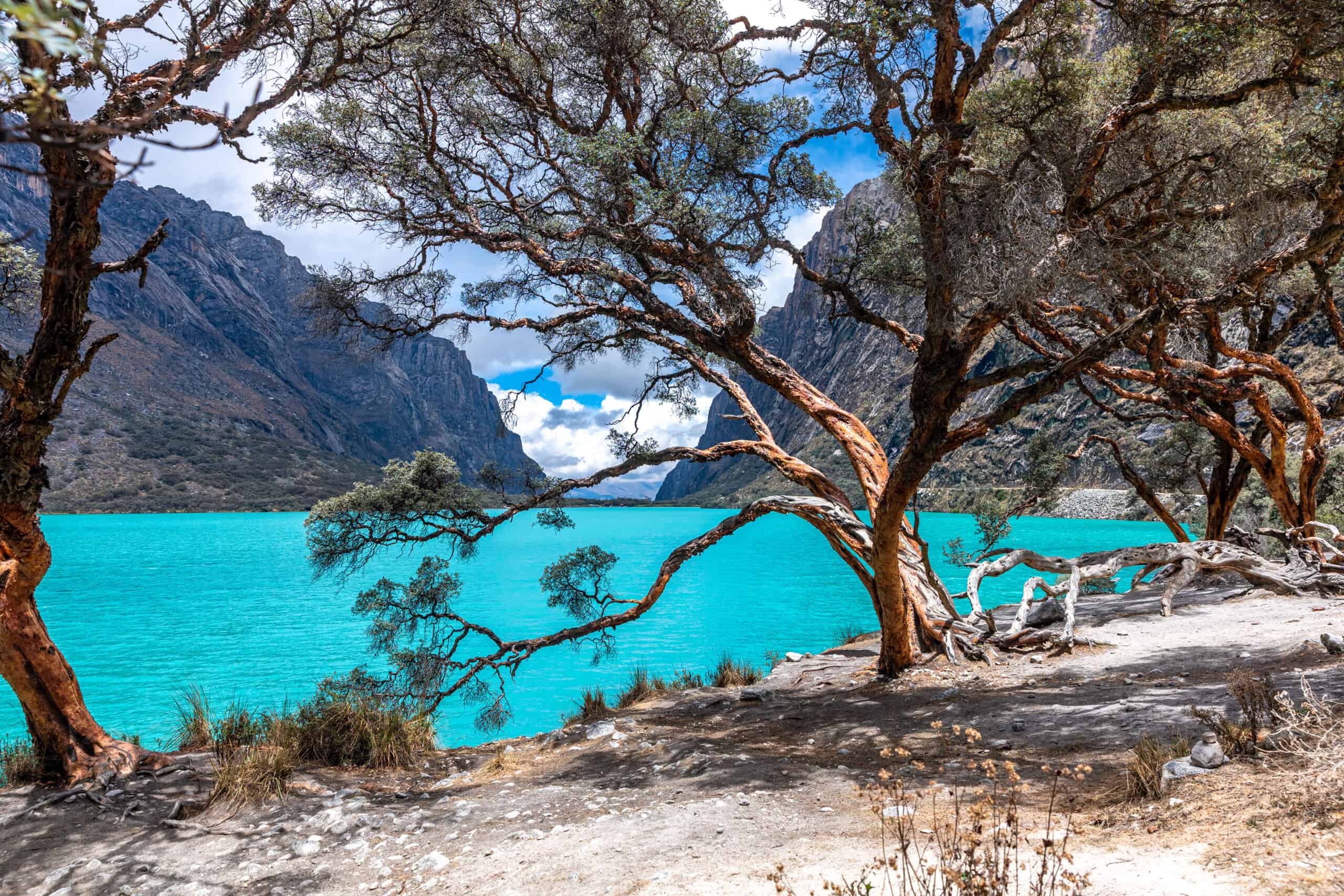
The Boiling River, or Shanay-timpishka, is a remarkable tributary of the Amazon River located in the Mayantuyacu sanctuary in Peru. This river stands out due to its near-boiling temperatures, reaching up to 196°F (91°C), an anomaly given the absence of volcanic activity nearby.
Indigenous Asháninka people consider the river sacred and believe its waters possess healing properties. Though geoscientist Andrés Ruzo’s research suggests the heat comes from geothermal springs deep underground, the exact source remains somewhat unclear, making the Boiling River one of the Earth’s most intriguing and mysterious natural phenomena.
Mount Roraima, Venezuela
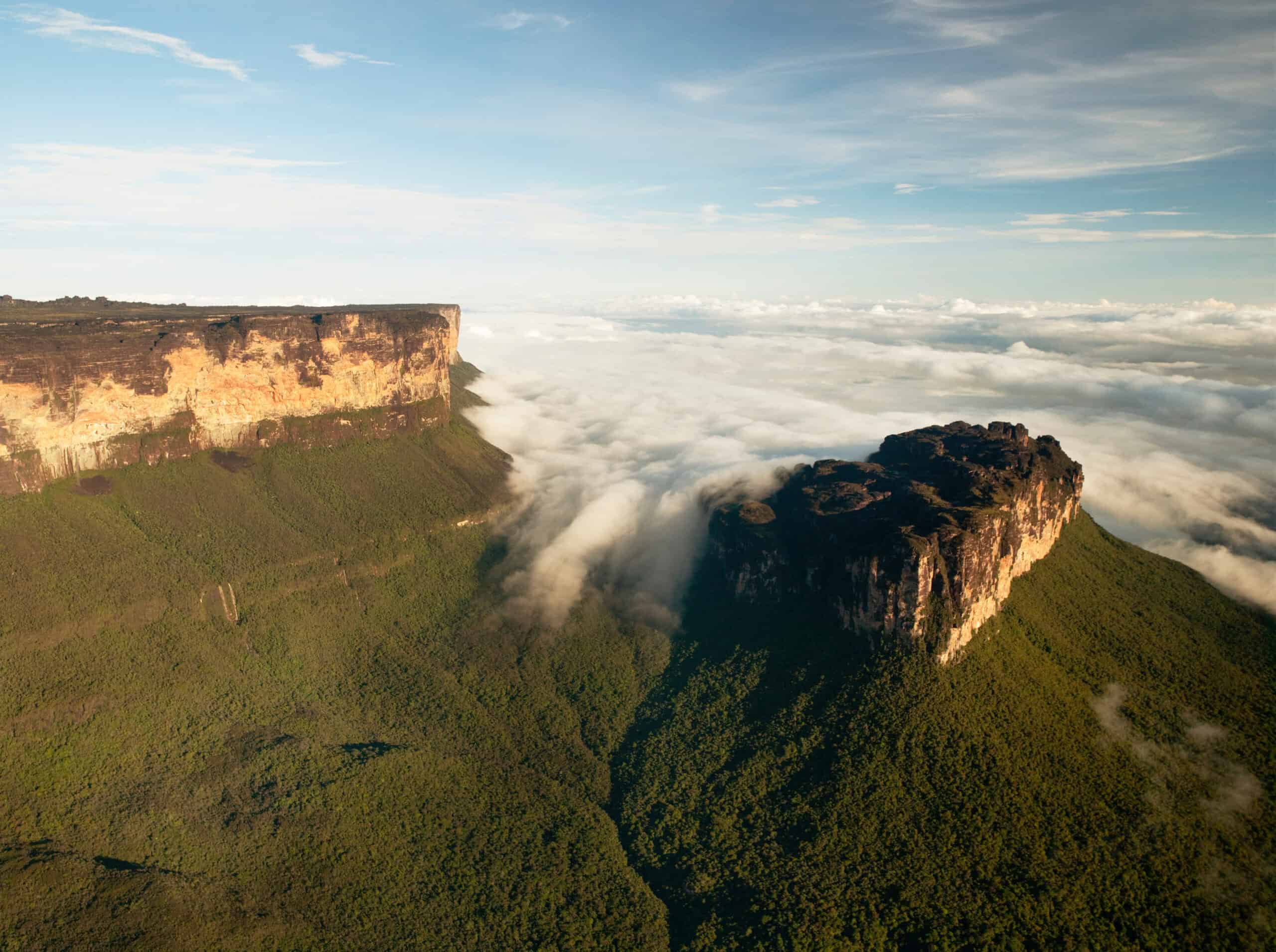
Mount Roraima, located at the tri-border of Venezuela, Brazil, and Guyana, is a majestic flat-topped mountain known as a tepui, soaring 1,300 feet above the rainforest. This ancient geological formation, part of the Guiana Shield, dates back around two billion years and is often shrouded in mist, giving it an ethereal appearance.
The isolated summit harbors a unique ecosystem, home to endemic species like carnivorous pitcher plants and sundews. Revered by local indigenous tribes as the “House of the Gods,” Mount Roraima continues to captivate adventurers with its challenging treks and breathtaking, otherworldly landscapes.
The Devil’s Kettle, USA
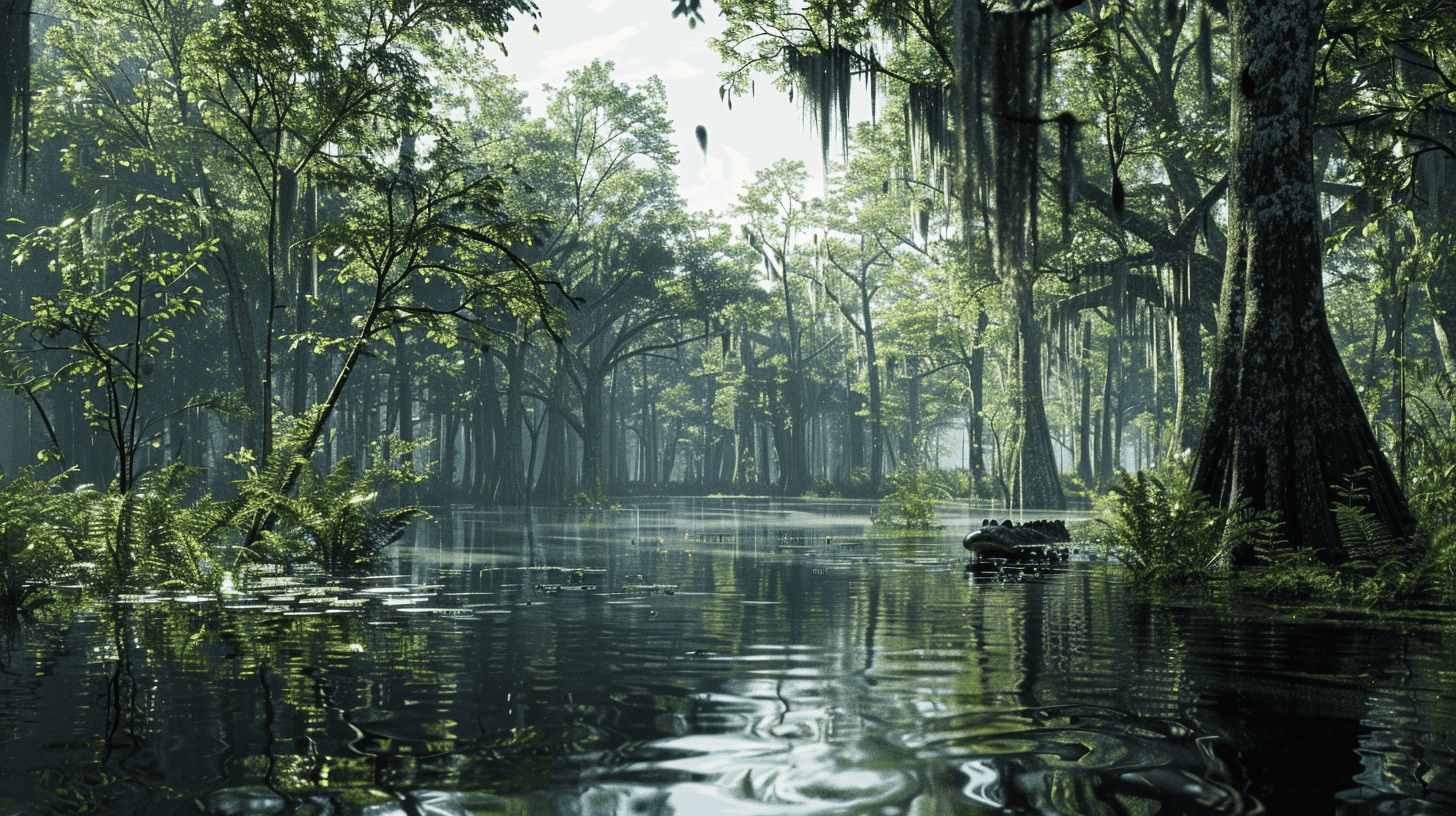
The Devil’s Kettle, located in Judge C. R. Magney State Park in Minnesota, is a captivating natural phenomenon where the Brule River splits into two streams over a rock formation. While one stream continues its journey downstream, the other vanishes into a large, seemingly bottomless hole known as the Devil’s Kettle.
Despite various experiments and studies, including dye tests and GPS trackers, the exact path of the disappearing water remains a mystery. Geologists believe the water eventually rejoins the main flow of the river underground, but the precise route is still unknown, making the Devil’s Kettle a fascinating and enduring enigma.