

Ready to explore some of the world’s most breathtaking yet perilous destinations? Our list of the 10 Most Dangerous Places to Visit That Are Surprisingly Beautiful will take you from toxic volcanic landscapes to remote islands inhabited by uncontacted tribes.
Each location is a blend of stunning beauty and significant risk, perfect for the adventurous traveler. Curious to know where they are? Let’s dive in!
Danakil Depression, Ethiopia
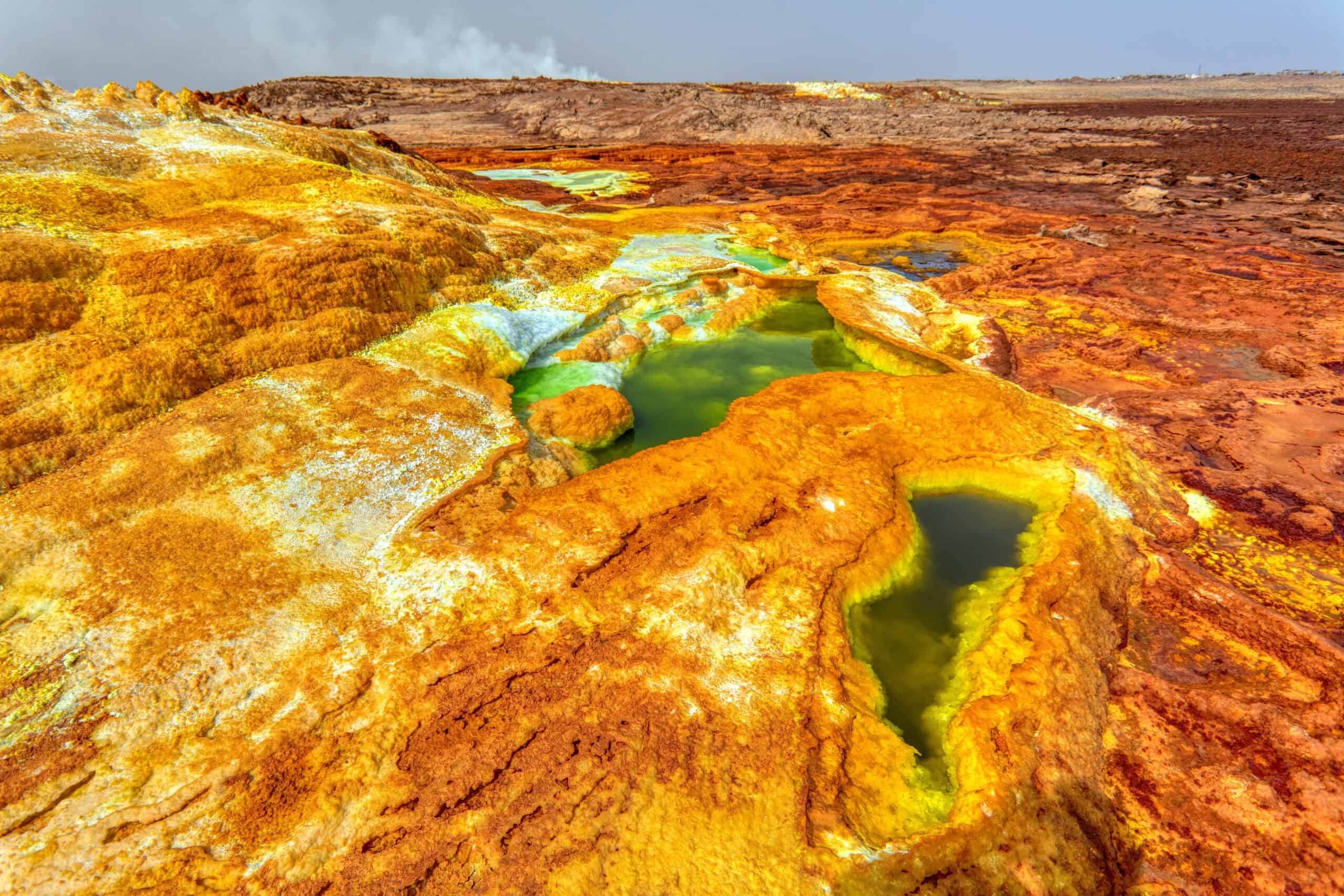
Located in northeastern Ethiopia, the Danakil Depression is one of the hottest and lowest places on Earth, sitting 125 meters below sea level. Known as “the gateway to Hell,” this geological wonder features volcanic activity, including Erta Ale’s active lava lake, and vibrant mineral deposits creating neon-colored acidic pools.
Despite its extraordinary beauty, the extreme heat and toxic gases make this a perilous destination. Adventurous travelers are drawn to its surreal landscape but must visit with experienced guides and take essential precautions.
Mount Sinabung, Indonesia
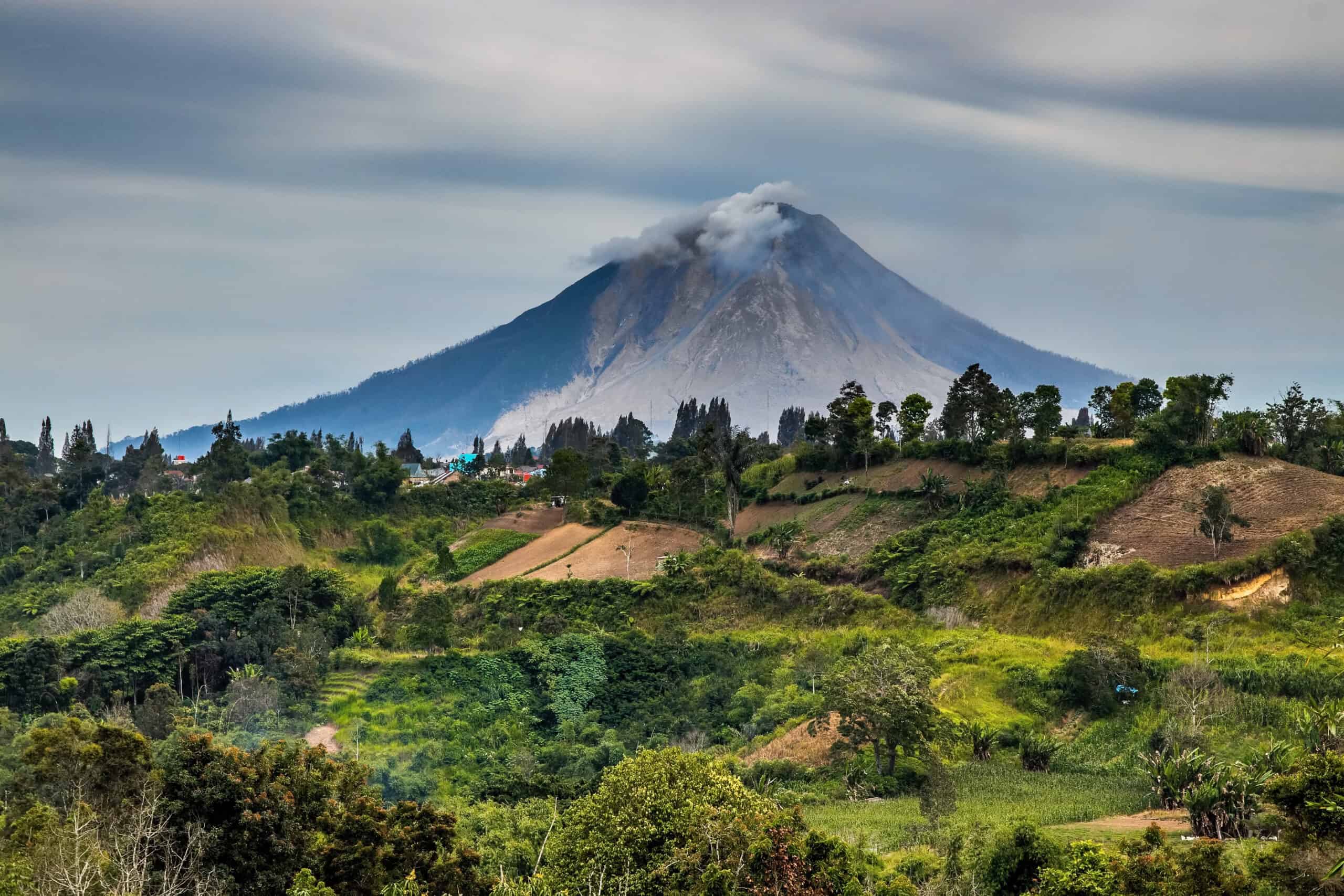
Mount Sinabung, a highly active stratovolcano on Sumatra Island, Indonesia, offers expansive views but is notorious for its frequent and violent eruptions. Dormant for centuries, the volcano reawakened in 2010 and has since caused significant devastation with pyroclastic flows, ash clouds, and lava.
Despite the inherent risks, the lush surroundings and dramatic landscape attract hikers and nature enthusiasts eager to experience its awe-inspiring beauty. Visitors must be cautious, as the volcano’s unpredictable activity poses constant danger to the local population and environment.
Death Valley, USA
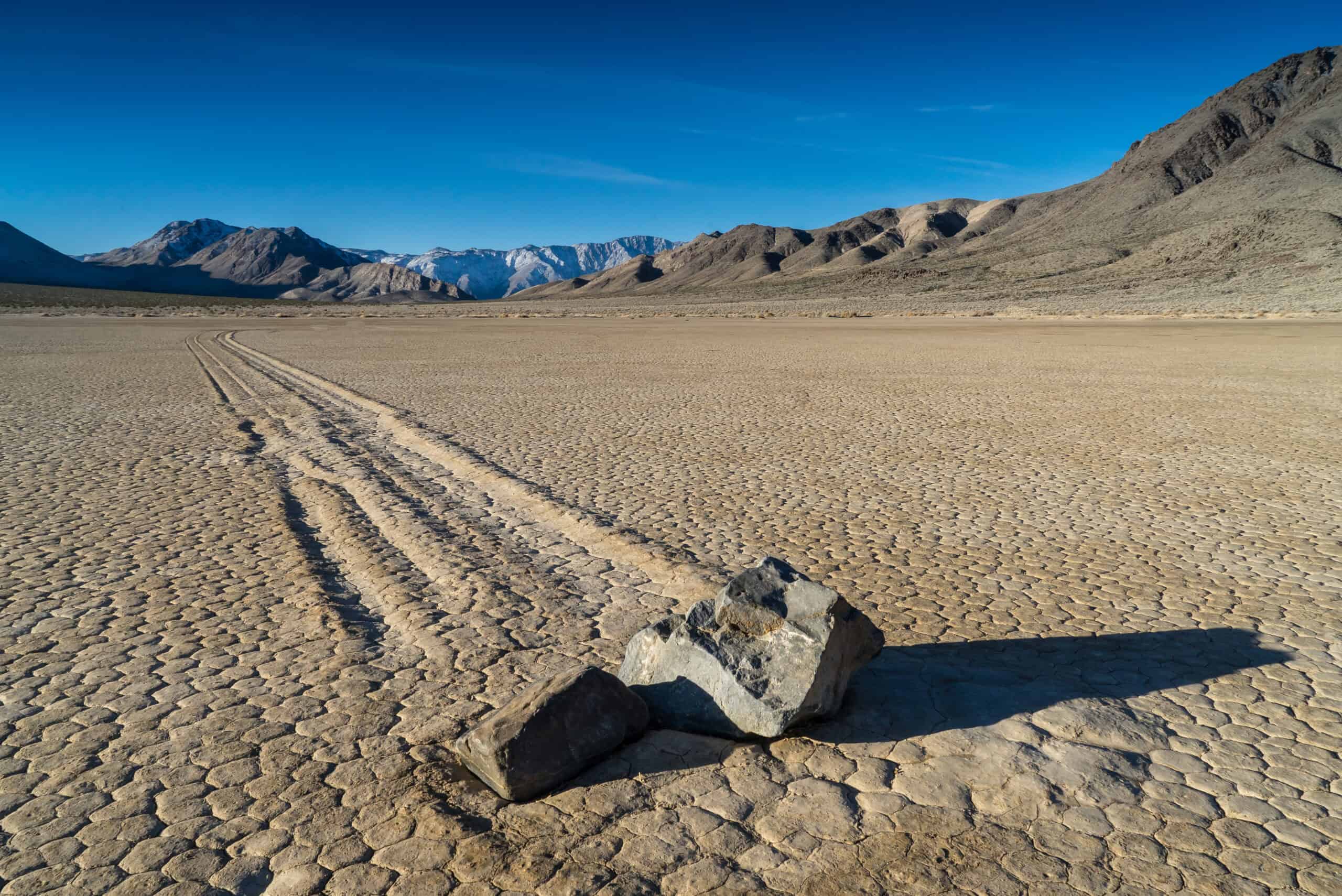
Located in Eastern California’s Mojave Desert, Death Valley is infamous for its blistering temperatures and harsh conditions, yet it boasts an undeniably impressive landscape. As the lowest, hottest, and driest national park in the U.S., temperatures can soar above 50 degrees Celsius (122 degrees Fahrenheit), making it dangerously inhospitable.
Despite this, visitors are drawn to its striking features like the salt flats of Badwater Basin, the vibrant colors of Artist’s Palette, and the rolling sand dunes of Mesquite Flat. While the extreme climate poses serious risks, the breathtaking scenery makes Death Valley a compelling, if perilous, destination.
Snake Island, Brazil
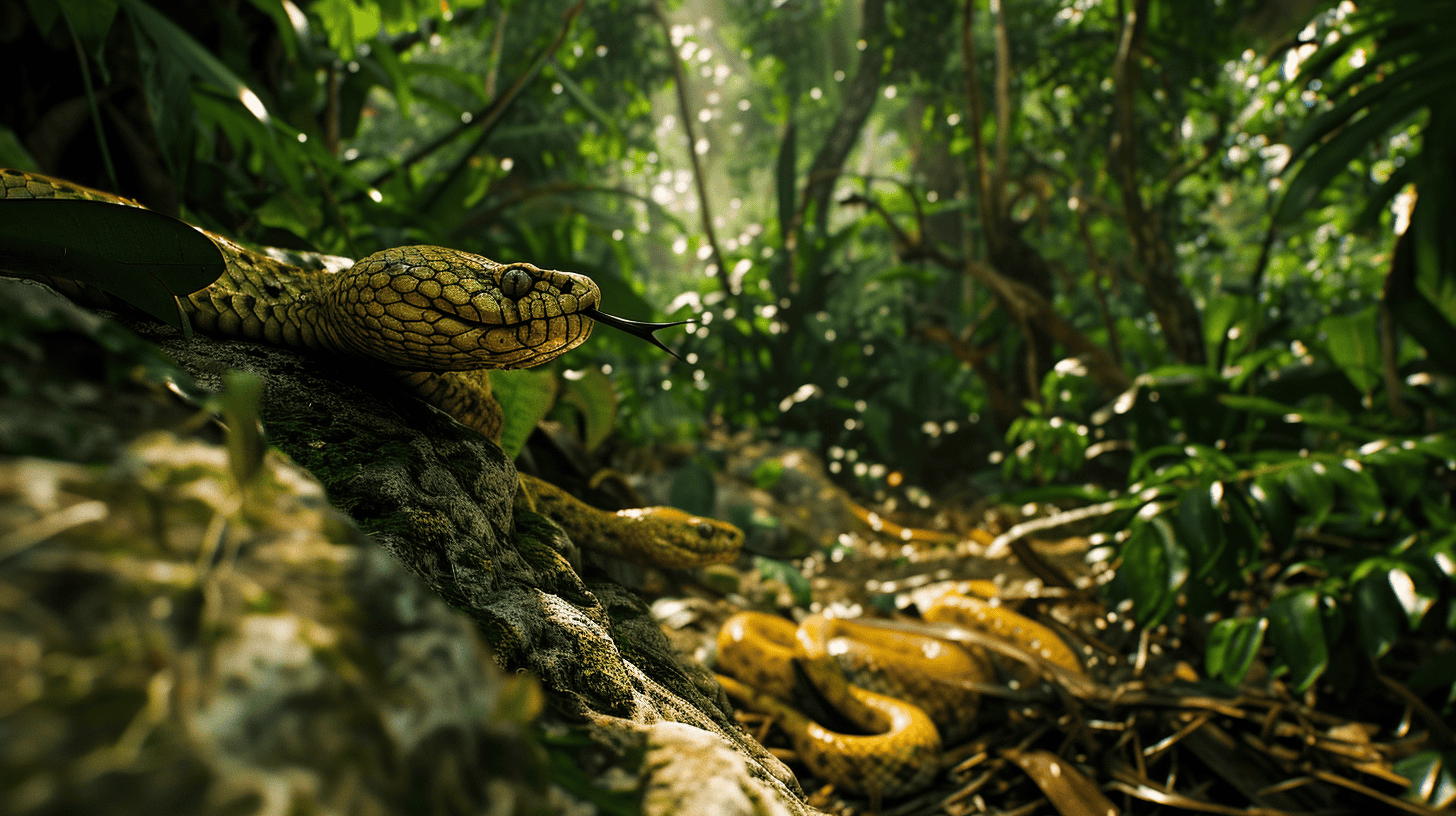
Officially known as Ilha da Queimada Grande, Snake Island is one of the world’s most dangerous places due to its dense population of golden lancehead pit vipers, one of the deadliest snakes on Earth. Despite its lush, tropical beauty, the island’s rocky terrain and dense vegetation are home to an estimated one deadly snake per square meter.
The golden lancehead’s potent venom necessitates extreme caution, making the island hazardous for human visitors. While the island’s rugged cliffs and clear waters are visually dazzling, its lethal inhabitants ensure that it remains off-limits to the public.
Chernobyl Exclusion Zone, Ukraine

The Chernobyl Exclusion Zone in northern Ukraine is a hauntingly beautiful ghost town, born from the catastrophic nuclear disaster of April 26, 1986. This deserted area, particularly the abandoned town of Pripyat, offers an eerie snapshot of Soviet-era life frozen in time, with nature slowly reclaiming the land.
Despite lingering radiation, the zone attracts tourists intrigued by its desolate beauty and the resilience of nature, where wildlife now thrives amidst decaying structures. Visitors must adhere to strict safety protocols and guided tours to navigate this uniquely poignant but hazardous destination.
North Sentinel Island, India
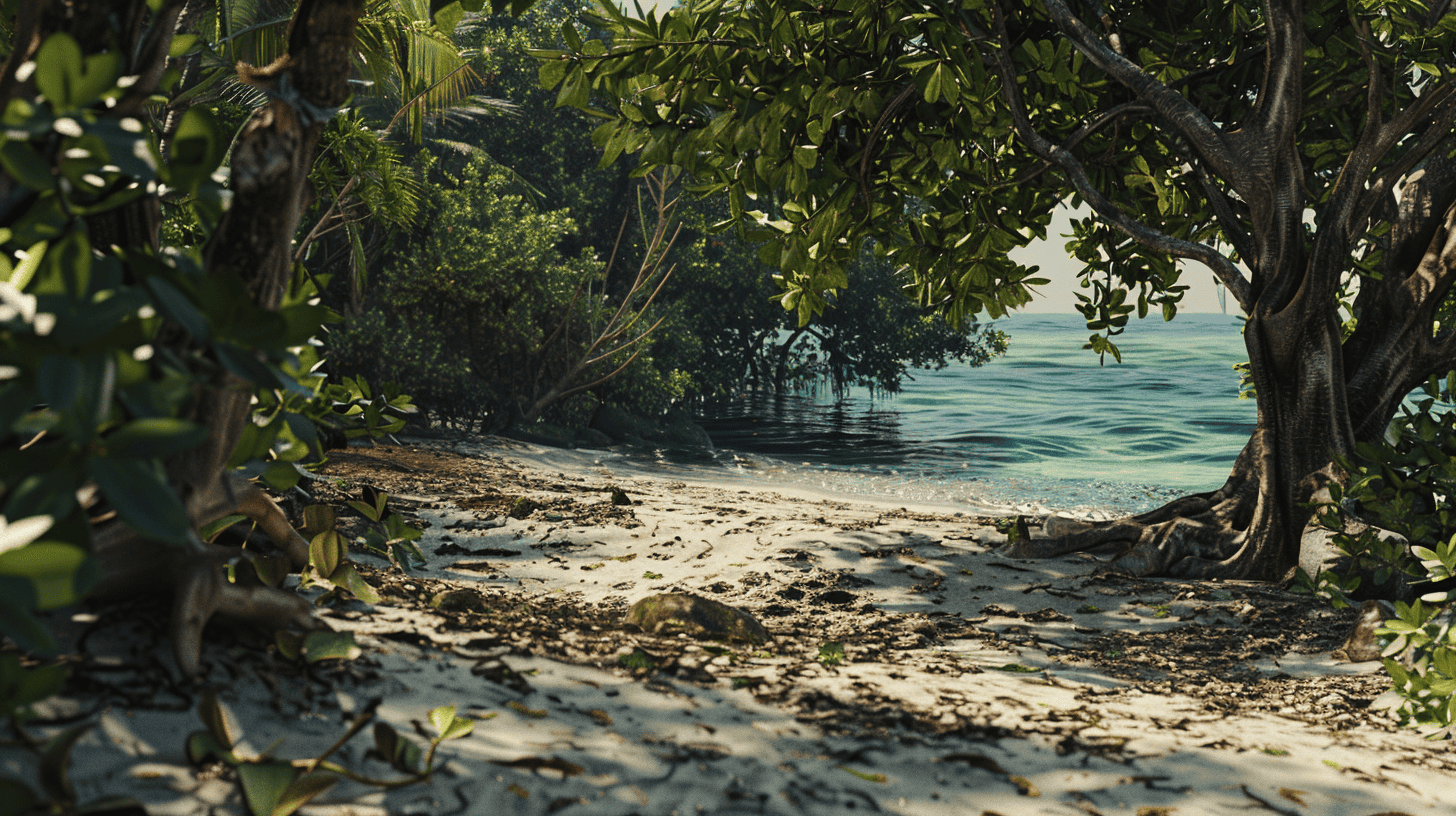
Located in the Bay of Bengal, North Sentinel Island is part of India’s Andaman and Nicobar Islands and is both captivating and perilous. Inhabited by the uncontacted and fiercely hostile Sentinelese tribe, this remote island is off-limits to outsiders, protected by a three-mile exclusion zone enforced by the Indian government.
Despite its impressive natural beauty, featuring dense tropical forests and pristine beaches, the dangers posed by the tribe’s aggressive defense of their territory make it highly risky to approach. The island’s untouched landscape offers a rare glimpse of an unspoiled ecosystem, but visitors must respect the isolationist stance of its inhabitants.
Cape Town, South Africa

Nestled between the iconic Table Mountain and the Atlantic Ocean, Cape Town is renowned for its breathtaking natural beauty, including picturesque beaches and lush vineyards. Visitors can explore landmarks like the Cape of Good Hope and the vibrant V&A Waterfront while enjoying panoramic views from the majestic Table Mountain.
However, despite its allure, the city has areas with high crime rates, making certain parts dangerous. Tourists are advised to stay vigilant and stick to well-known, safer areas to fully enjoy this amazing destination.
Atacama Desert, Chile

The Atacama Desert in northern Chile is one of the driest places on Earth, known for its extreme aridity and otherworldly landscapes. Despite its harsh conditions, the desert offers incredible stargazing opportunities and unique geological formations that make it both beautiful and dangerous.
Visitors can marvel at the clear night skies, explore the moon-like landscapes of Valle de la Luna, and witness the surreal salt flats of Salar de Atacama. However, the lack of water and extreme temperature fluctuations make it essential to be well-prepared when navigating this remote and starkly beautiful environment.
Haleakalā National Park, Hawaii
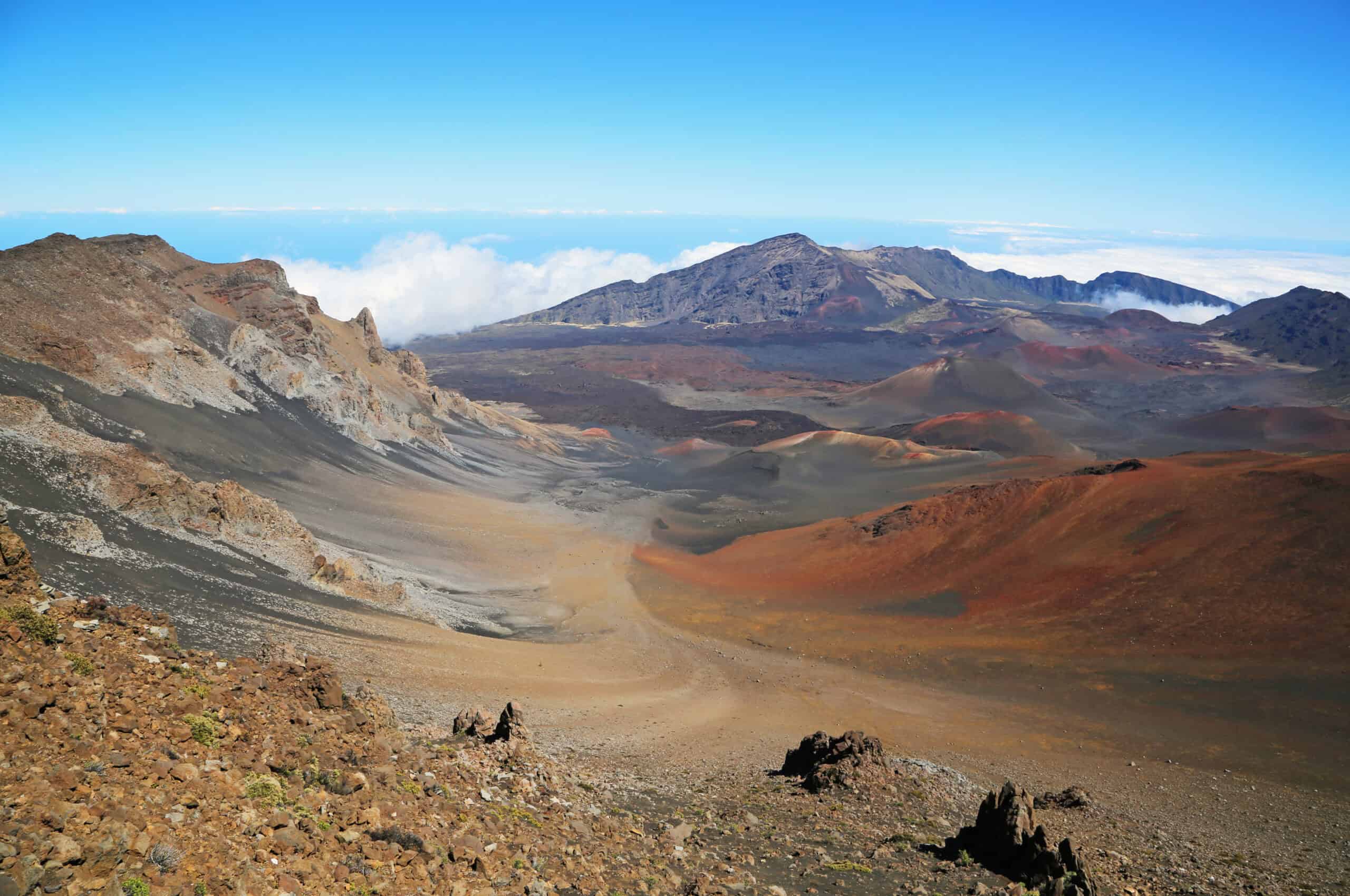
Haleakalā National Park on Maui is renowned for its stunning sunrises, dramatic volcanic landscapes, and diverse ecosystems. The park features the massive Haleakalā Crater, a dormant volcano rising over 10,000 feet, offering imposing views and distinctive geological formations.
While the park’s beauty is undeniable, it presents significant hazards like challenging hikes, sudden weather changes, and high altitudes that can cause sickness. Visitors are drawn to its awe-inspiring scenery but must be well-prepared to safely navigate its rugged and variable conditions.
Madidi National Park, Bolivia
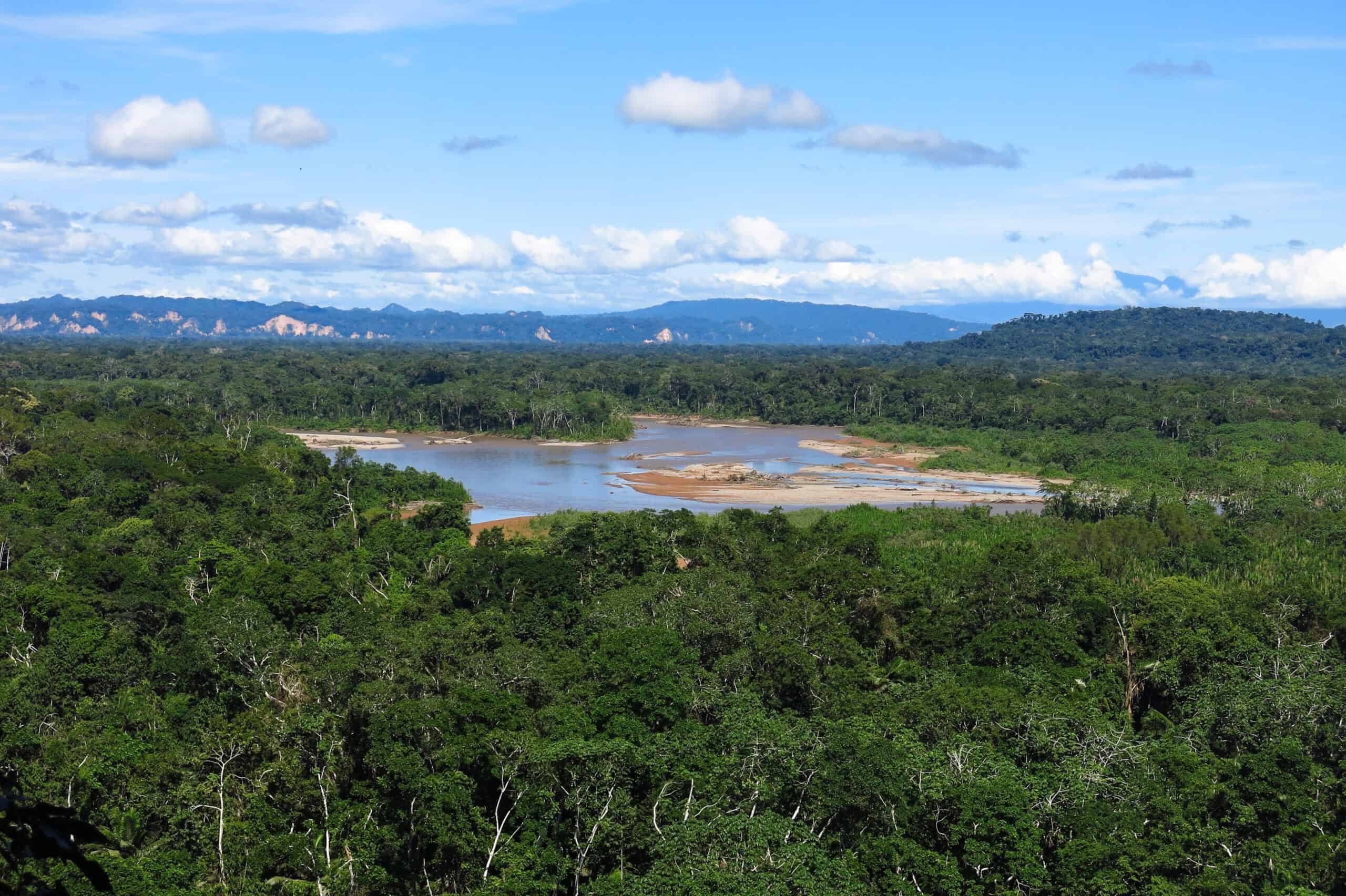
Madidi National Park in Bolivia’s upper Amazon River basin is a lush, biologically rich rainforest spanning 19,000 square kilometers. This diverse wonderland is home to over 1,000 bird species, 300 mammals, and thousands of plants, making it a paradise for nature enthusiasts.
However, its pristine beauty hides significant dangers such as venomous snakes, treacherous terrain, and disease-carrying insects. Visitors must be well-prepared and ideally accompanied by experienced local guides to safely navigate this extraordinary, yet perilous, natural paradise.