

Ever wonder what secrets ancient walls could tell if they could talk? Join us on a stunning visual journey through some of the world’s most fascinating castles.
From hidden rooms to battles and betrayals, discover what makes these historical fortresses so intriguing. Let’s unlock the mysteries of these majestic structures together!
Predjama Castle, Slovenia
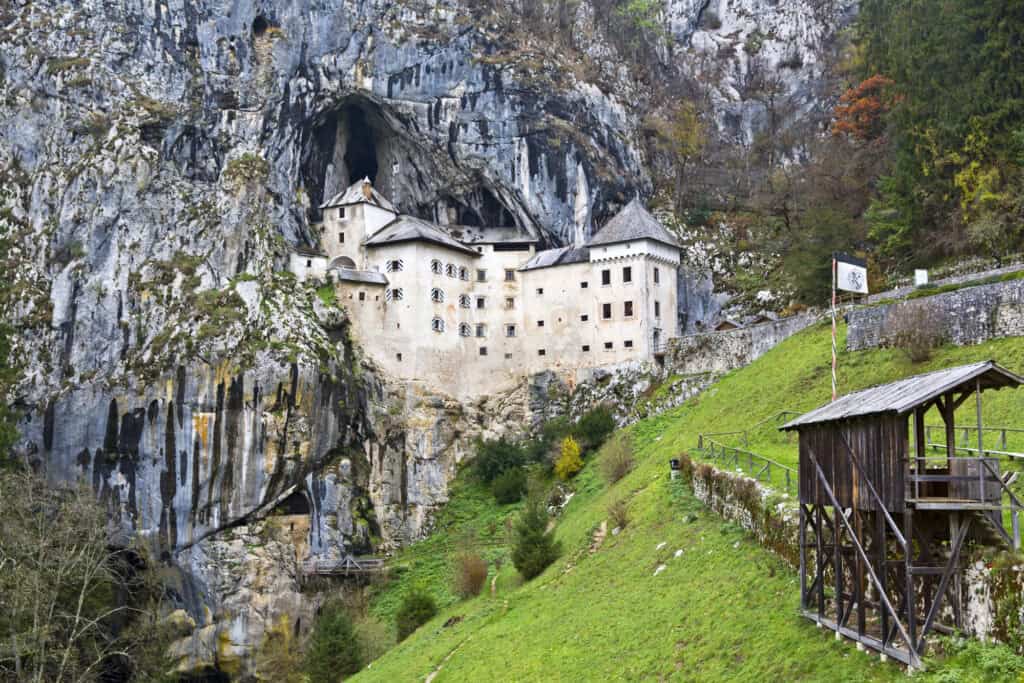
Nestled in the rugged landscape of South-Central Slovenia, Predjama Castle offers more than just a picturesque scene; it’s a masterclass in medieval strategy and architecture. Built in the 13th century within a cave mouth, this fortress was perfectly positioned for defense, making it nearly impregnable.
The castle boasts a vivid history, including tales of the bold knight Erazem of Predjama, who withstood a year-long siege using the cave’s secret passages. Today, it stands as an enchanting example of Renaissance enhancements and medieval fortitude, captivating visitors with its blend of natural rock and structured beauty.
Mont Saint-Michel, France
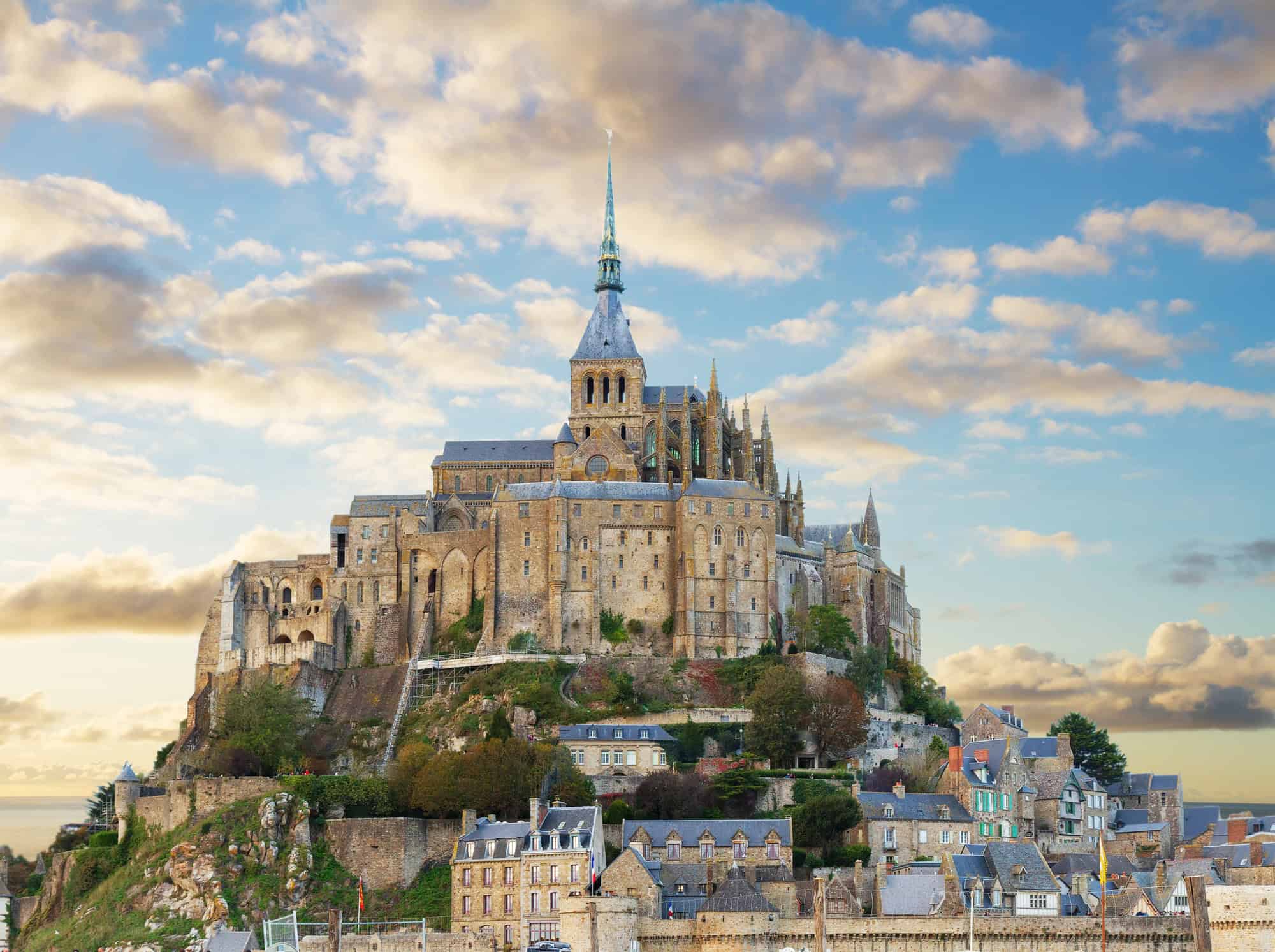
Mont Saint-Michel in Normandy, France, stands as a majestic blend of monastic spirit and military ingenuity on a tidal island. Originally erected in the 8th century after a vision of the Archangel Michael, this awe-inspiring structure is renowned for its gothic spires and robust fortifications that withstood English forces during the Hundred Years’ War.
More than just an architectural wonder, Mont Saint-Michel captivates visitors with its dramatic setting surrounded by the sweeping tides of the English Channel. A UNESCO World Heritage site, it continues to draw millions who are eager to explore its historic corridors and enjoy breathtaking views across the bay.
Himeji Castle, Japan

Himeji Castle, often referred to as “White Heron Castle” for its brilliant white exterior and elegant silhouette, is a pinnacle of traditional Japanese castle architecture. Constructed in the early 17th century in Japan’s Kansai region, the castle’s sophisticated design includes a series of gates and twisted pathways intended to disorient attackers, highlighting its function as an unconquerable fortress.
This architectural marvel not only demonstrates aesthetic beauty but also resilience, having endured earthquakes, wars, and World War II bombings without succumbing to destruction. Recognized as a UNESCO World Heritage site in 1993, Himeji Castle remains one of Japan’s most cherished historical landmarks, attracting visitors with its enduring beauty and remarkable preservation.
Bran Castle, Romania

Perched dramatically on the edge between Transylvania and Wallachia, Bran Castle captures the imagination with its deep ties to both history and the legends of Dracula. Built in the early 14th century, this fortress was originally designed to protect against invasions and also served as a critical customs point, overseeing the flow of trade through the mountain pass.
While it’s often linked to the tale of Dracula, inspired by Bram Stoker’s 1897 novel and the historical figure Vlad the Impaler, the actual connections are tenuous. Today, the castle functions as a museum, showcasing art and royal furniture from Queen Marie of Romania’s restoration in the 1920s, blending medieval architectural integrity with a touch of royal elegance.
Neuschwanstein Castle, Germany

Neuschwanstein Castle, perched above the village of Hohenschwangau in Bavaria, Germany, emerges straight from the pages of a fairy tale, inspiring Disneyland’s Sleeping Beauty Castle with its ethereal beauty. Built in the late 19th century by King Ludwig II as a private sanctuary, this castle embodies the height of Romanticism, merging medieval motifs with the era’s latest innovations like running water and forced-air heating.
Adorned with murals that depict Germanic legends, the castle reflects Ludwig’s deep admiration for the operas of Richard Wagner. Today, Neuschwanstein not only draws visitors from around the globe with its majestic landscape and architectural splendor but also stands as a testament to the king’s visionary idealism and the artistic spirit of his time.
Alhambra, Spain
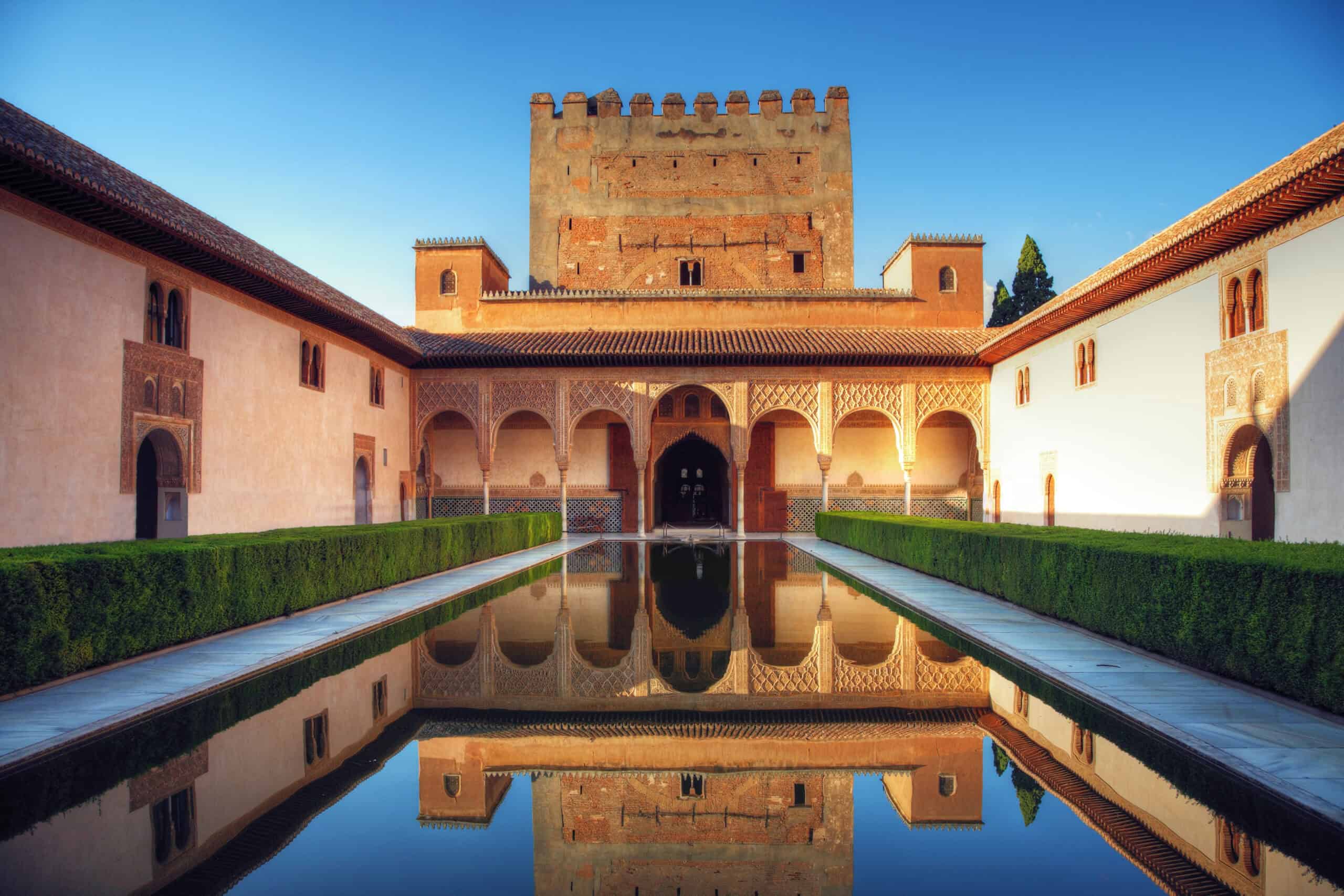
Located in Granada, Spain, the Alhambra is a fortress-palace complex that captivates visitors with its stunning Moorish architecture, meticulously crafted during the Nasrid dynasty from the mid-13th to the late 14th century. This site stands as a pinnacle of Islamic art, featuring highly ornamental stucco walls, detailed arabesque woodwork, and vibrant ceramic tiles, all harmoniously integrated with elements of light, water, and geometry.
The use of water throughout the Alhambra, seen in its reflective pools and intricate fountains, not only adds to the aesthetic beauty but also reflects the Islamic reverence for water as a vital element. As a UNESCO World Heritage site, the Alhambra not only offers a mesmerizing architectural experience but also serves as a living testament to the cultural synthesis of Islam, Christianity, and Judaism in medieval Spain.
Bamburgh Castle, England

Perched on a rocky plateau above the Northumberland coastline, Bamburgh Castle’s commanding presence is matched by its rich history, tracing back to the Anglo-Saxon period. Originally a Brittonic fort, it later became the royal seat of the early Kings of Northumbria and was one of the first castles in England to fall to the Normans in 1066, setting the stage for centuries of military significance.
Throughout its history, including pivotal moments in the Wars of the Roses, Bamburgh Castle has been a symbol of power and resilience. The castle we see today was significantly restored in the 18th and 19th centuries, showcasing a blend of medieval grandeur and Victorian innovation.
Chapultepec Castle, Mexico

Chapultepec Castle, perched atop Chapultepec Hill in Mexico City, stands out as the only royal castle in the Americas, tracing its origins to the sacred sites of the Aztec empire. Constructed in 1785, it initially served as a summer retreat for Spanish viceroys but gained prominence in the 19th century as the residence of Emperor Maximilian I and his wife Carlota.
This period infused the castle with a mix of Mexican and European designs, evident in its lavish rooms and artistic details. Today, it functions as a national history museum, showcasing neoclassical and baroque architecture, impressive gardens with sweeping city views, and significant murals by renowned Mexican artists, embodying Mexico’s rich and complex history.
Edinburgh Castle, Scotland

Edinburgh Castle, perched atop Castle Rock in Scotland’s capital, serves as a formidable symbol of Scottish heritage and resilience. This venerable fortress, dating back to at least the Iron Age, has witnessed numerous battles, including the Wars of Scottish Independence and the Jacobite uprising of 1745.
Not only a military bastion, Edinburgh Castle has also been a royal residence and prison, and today it stands as Scotland’s most-visited tourist attraction. Housing the Honours of Scotland and the revered Stone of Destiny, the castle not only offers panoramic views over Edinburgh but also hosts the spectacular annual Edinburgh Military Tattoo, making it a central figure in celebrating Scottish culture and history.
Malbork Castle, Poland
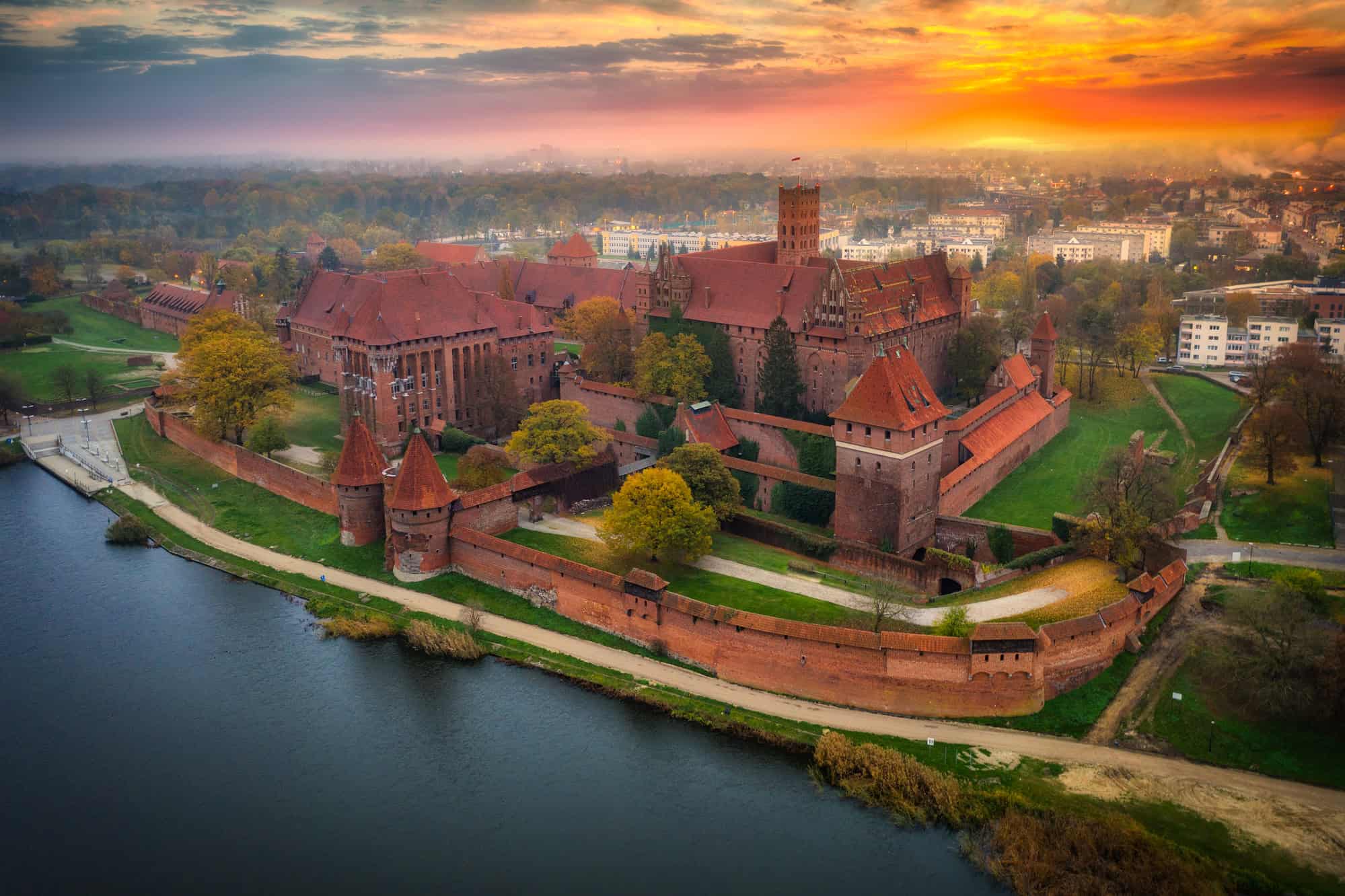
Malbork Castle, poised in northern Poland, stands as the world’s largest castle by land area. Built in the 13th century by the Teutonic Knights, this Gothic fortress originally acted as the military order’s headquarters, embodying the power and reach of the Teutonics in the Baltic region.
Divided into High, Middle, and Lower Castles, each enclosed by robust defensive walls, Malbork’s design is both a feat of medieval engineering and a reflection of the hierarchical nature of its creators. Now a UNESCO World Heritage site, the castle houses a rich collection of medieval artifacts and armor, attracting enthusiasts globally to delve into its deep historical layers and architectural splendor.