

Hey there! Ready to be wowed by some of the most stunning churches and cathedrals from around the world? From the colorful domes of Moscow’s St. Basil’s Cathedral to the modern marvel of Barcelona’s Sagrada Familia, these incredible structures are sure to inspire awe.
Join us on a journey to explore 15 of the most beautiful and unique places of worship, each with its own rich history and breathtaking architecture. Let’s dive in!
St. Basil’s Cathedral – Moscow, Russia

Nestled in the heart of Moscow’s Red Square, St. Basil’s Cathedral is a wonderful symbol of Russian architecture and history. Commissioned by Ivan the Terrible in 1555, its vibrant and intricate onion domes create an incredible kaleidoscope of color against the skyline.
Inside, a maze of corridors and chapels adorned with elaborate frescoes and iconostases awaits exploration. This iconic landmark not only celebrates Russian Orthodoxy but also stands as a testament to the nation’s resilience.
Las Lajas Sanctuary – Nariño, Colombia
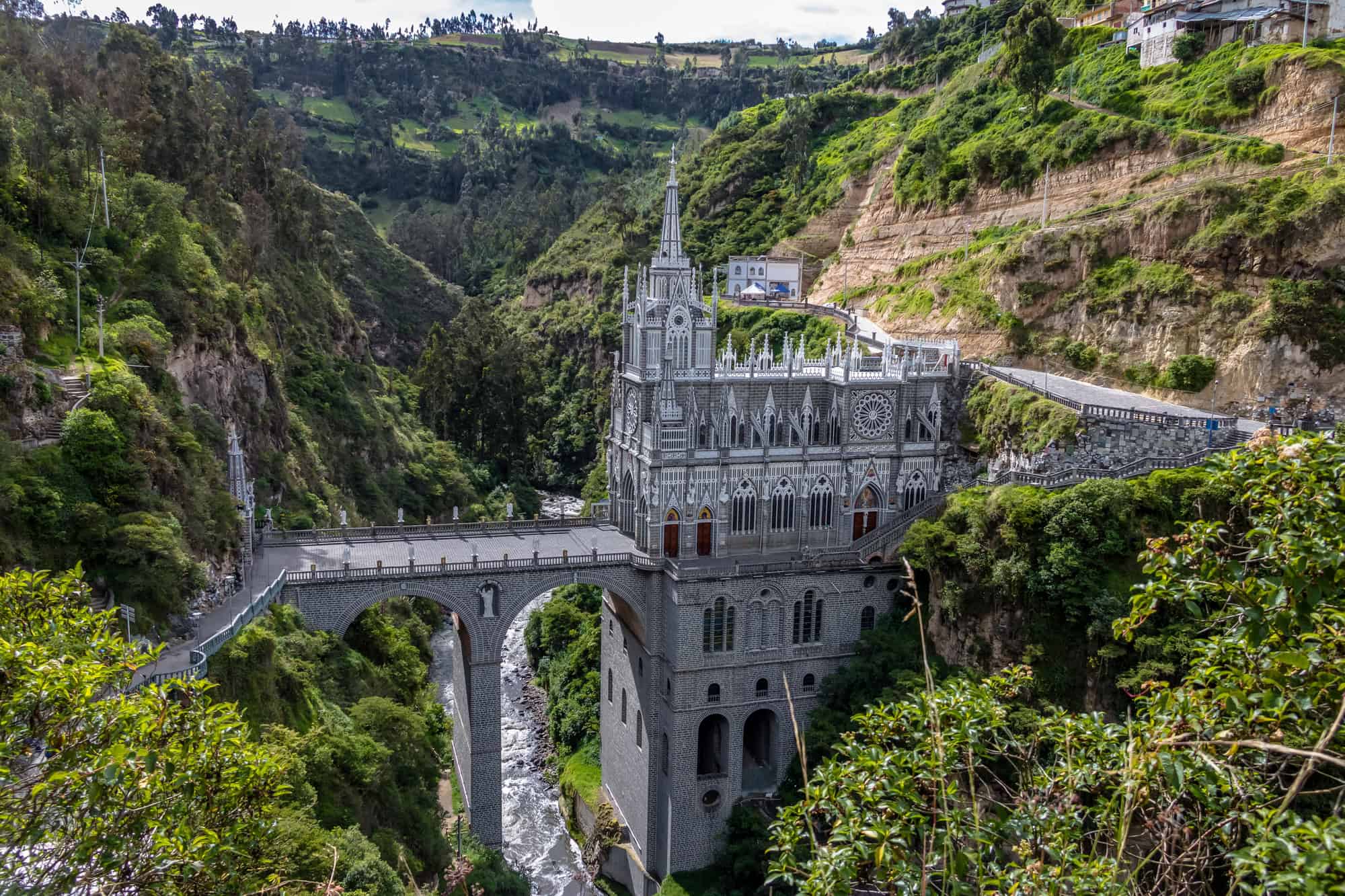
Perched dramatically within the lush Guáitara Canyon, Las Lajas Sanctuary in Nariño, Colombia, is an impressive blend of natural beauty and neo-Gothic architecture. Built between 1916 and 1949, this amazing basilica is famed for its soaring arches, ornate façade, and intricate detailing.
Inside, visitors are treated to marble altars, stained glass windows, and religious artworks that captivate and inspire. The sanctuary, rooted in legend and faith, draws pilgrims from around the world and stands as a testament to Colombia’s rich cultural heritage.
Sagrada Familia – Barcelona, Spain
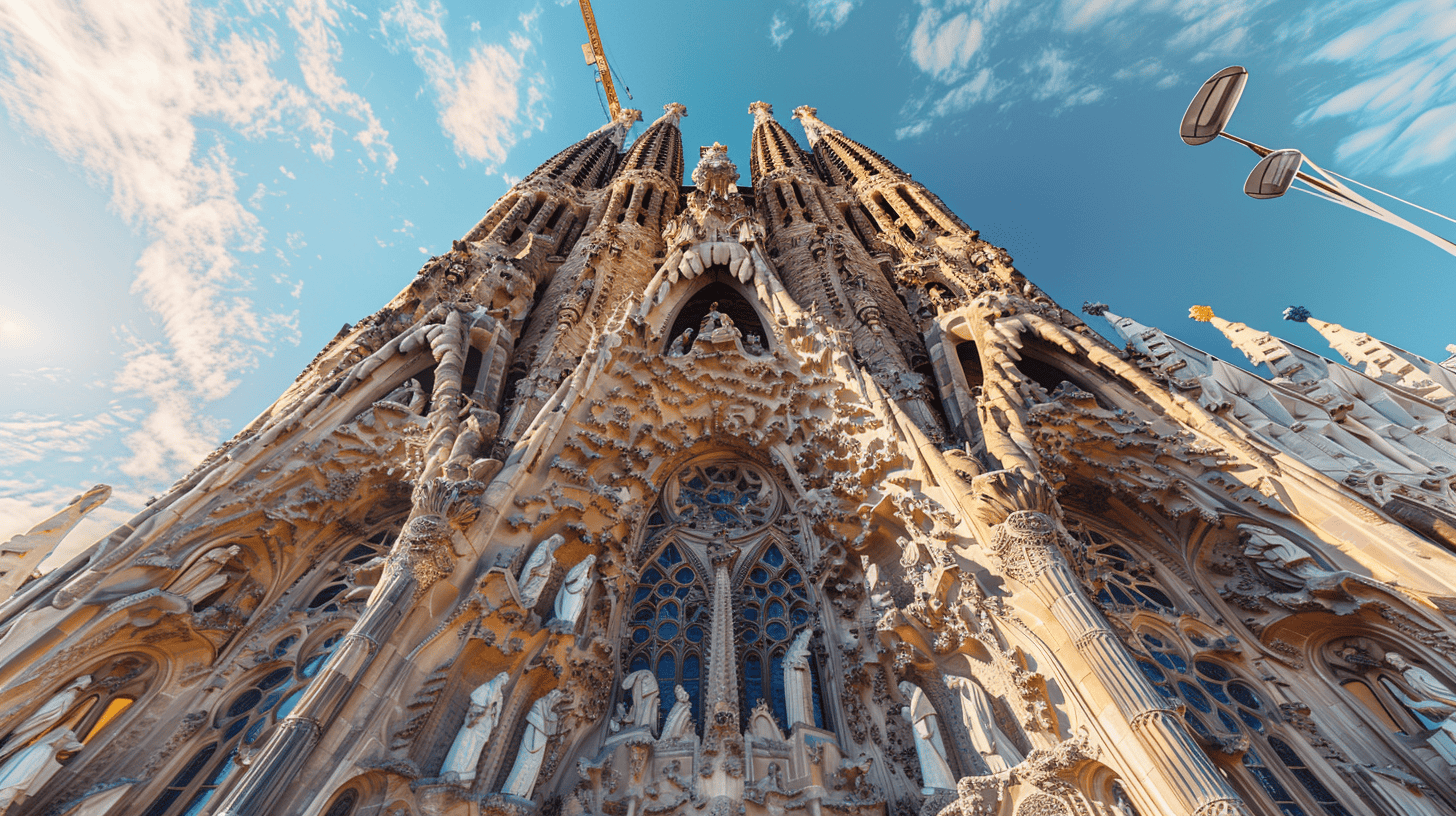
A true icon in Barcelona, Spain, the Sagrada Família is Antoni Gaudí’s magnum opus and one of the most ambitious architectural projects ever undertaken. Begun in 1882 and still under construction, this basilica is renowned for its blend of Gothic and Art Nouveau styles, featuring intricate facades and towering spires.
Inside, visitors are enveloped in a sanctuary of light and color, with tree-like columns and stunning stained glass windows. It stands as a testament to faith, innovation, and human creativity, captivating millions of visitors from around the world.
Saint Mark’s Basilica – Venice, Italy
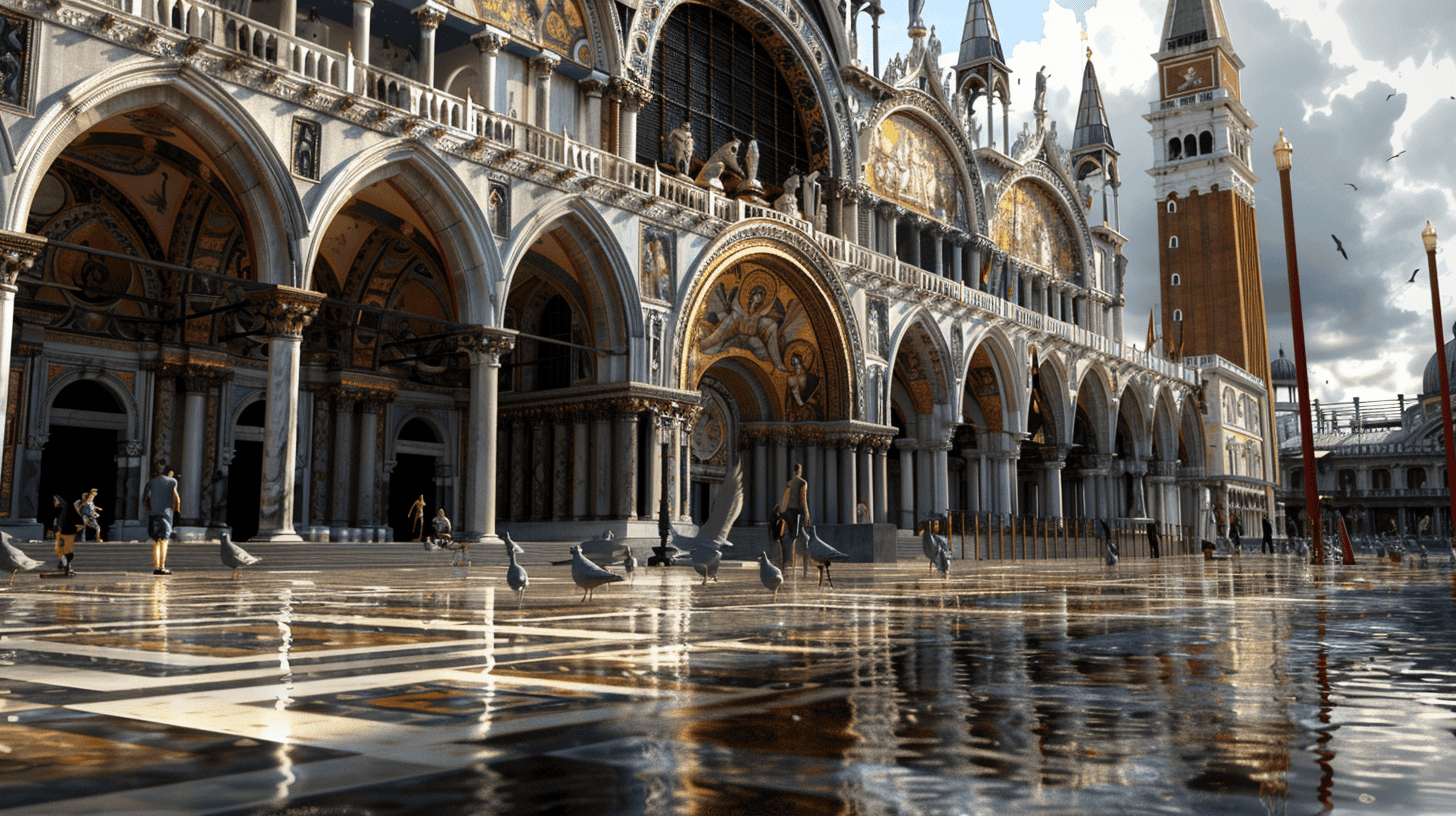
Situated in the heart of Venice, Italy, Saint Mark’s Basilica is an inspirational example of Byzantine architecture and one of the city’s most iconic landmarks. Originally built in the 9th century to house the relics of Saint Mark the Evangelist, this basilica is renowned for its five domes, intricate marble façade, and dazzling gold mosaics.
Inside, visitors can marvel at a vast collection of Byzantine mosaics depicting biblical scenes, as well as the famed Pala d’Oro, an exquisite altarpiece encrusted with gold and precious gems. This architectural marvel remains a symbol of Venice’s rich cultural and religious heritage.
Hallgrímskirkja – Reykjavik, Iceland
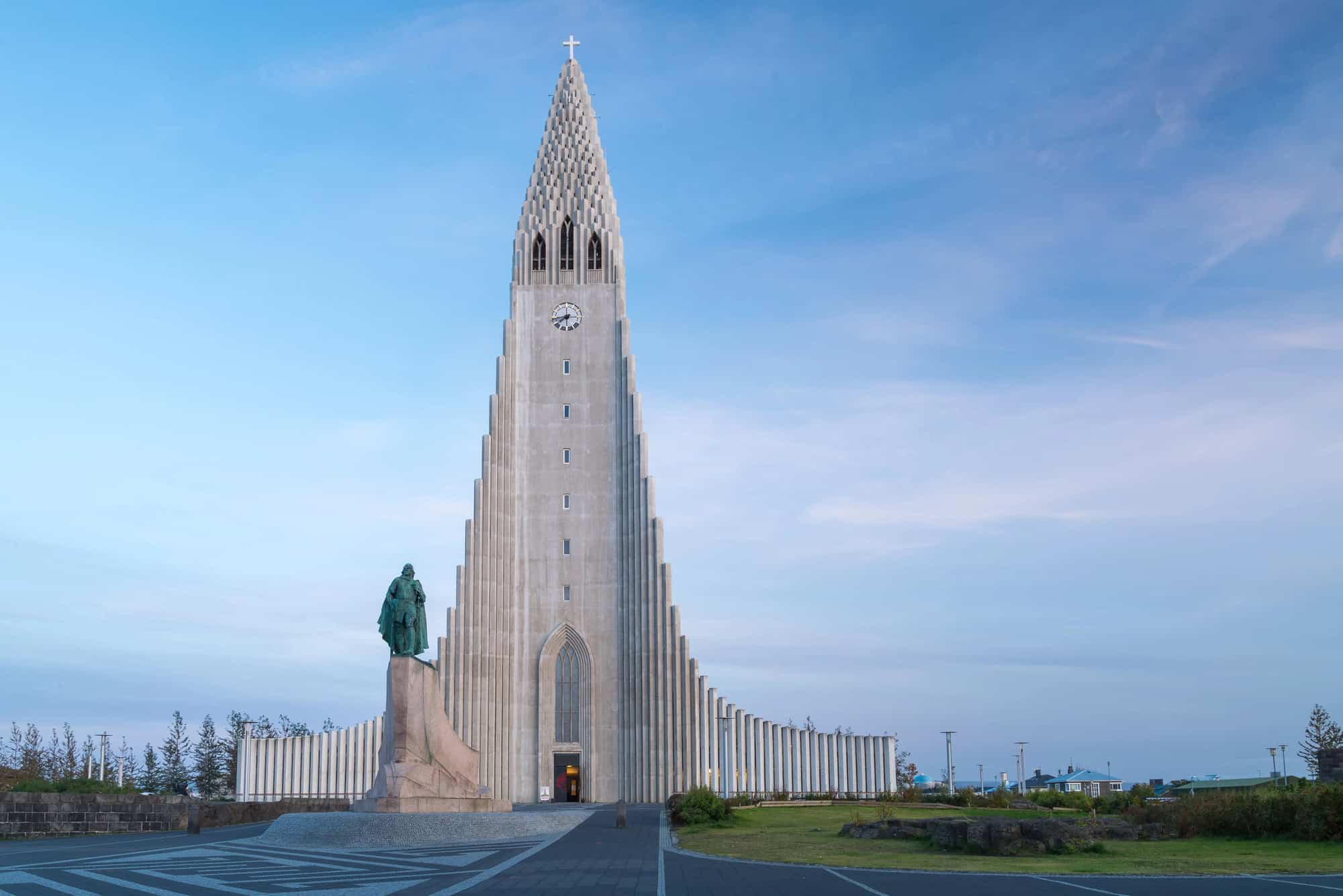
Hallgrímskirkja, located in Reykjavik, Iceland, is an enthralling example of modernist architecture and one of the country’s most iconic landmarks. Designed by Guðjón Samúelsson and completed in 1986, the church’s towering facade is inspired by Iceland’s basalt columns and volcanic landscapes.
Standing at 74.5 meters tall, its observation deck offers breathtaking panoramic views of Reykjavik. Inside, the minimalist décor and a massive pipe organ with over 5,000 pipes create an atmosphere of serenity and grandeur, making Hallgrímskirkja a must-visit when exploring Iceland.
Notre-Dame Basilica – Montreal, Canada
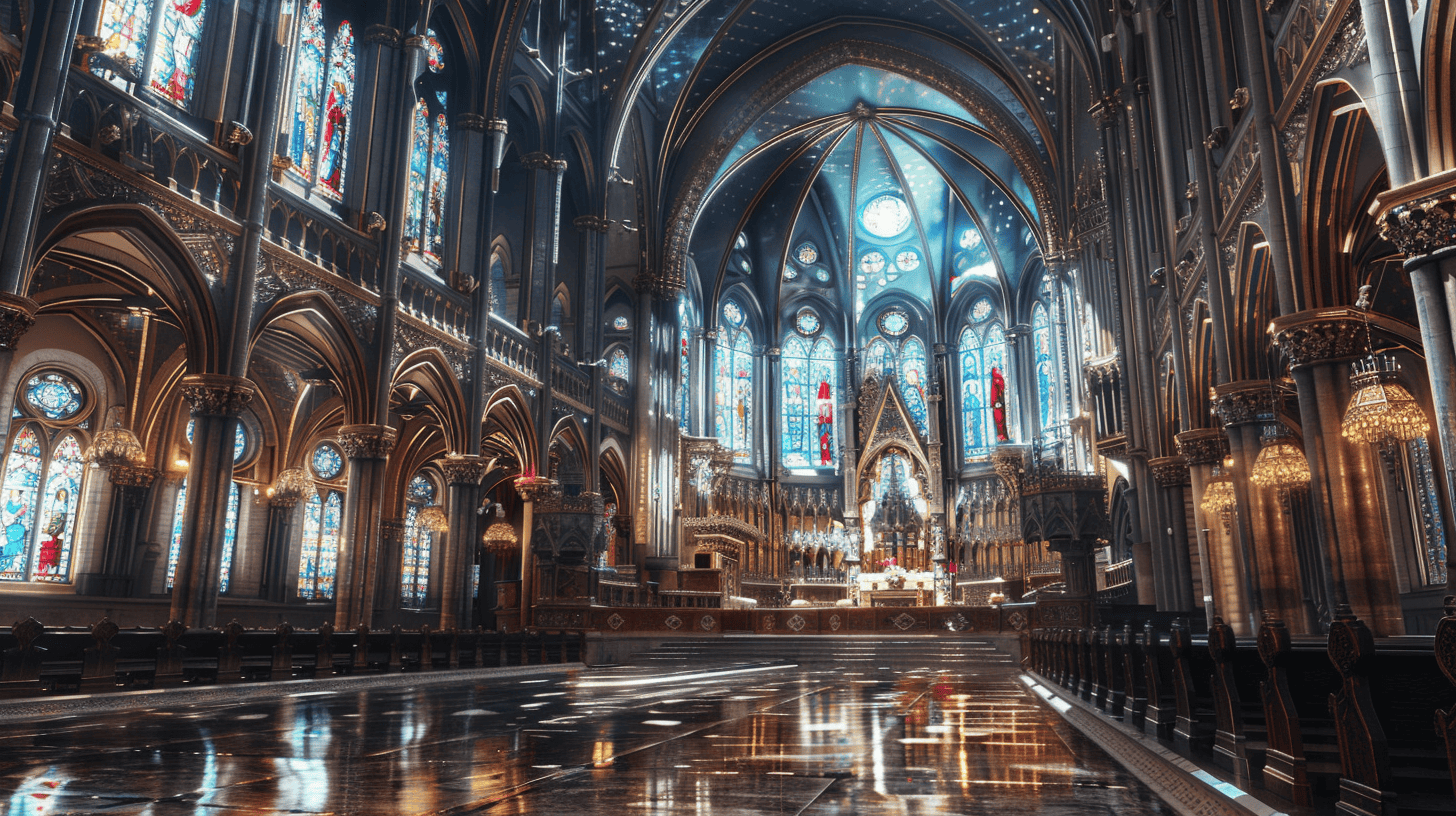
Notre-Dame Basilica in Montreal, Canada, is a perfect example of Gothic Revival architecture and a beloved city landmark. Designed by James O’Donnell and completed in 1829, its intricate façade and towering twin spires captivate visitors.
Inside, the basilica dazzles with its stained glass windows, ornate altars, and a magnificent pipe organ boasting over 7,000 pipes. This architectural marvel not only serves as a beacon of faith but also as a cultural and historical treasure for the people of Montreal.
Church of the Savior on Spilled Blood – St. Petersburg, Russia
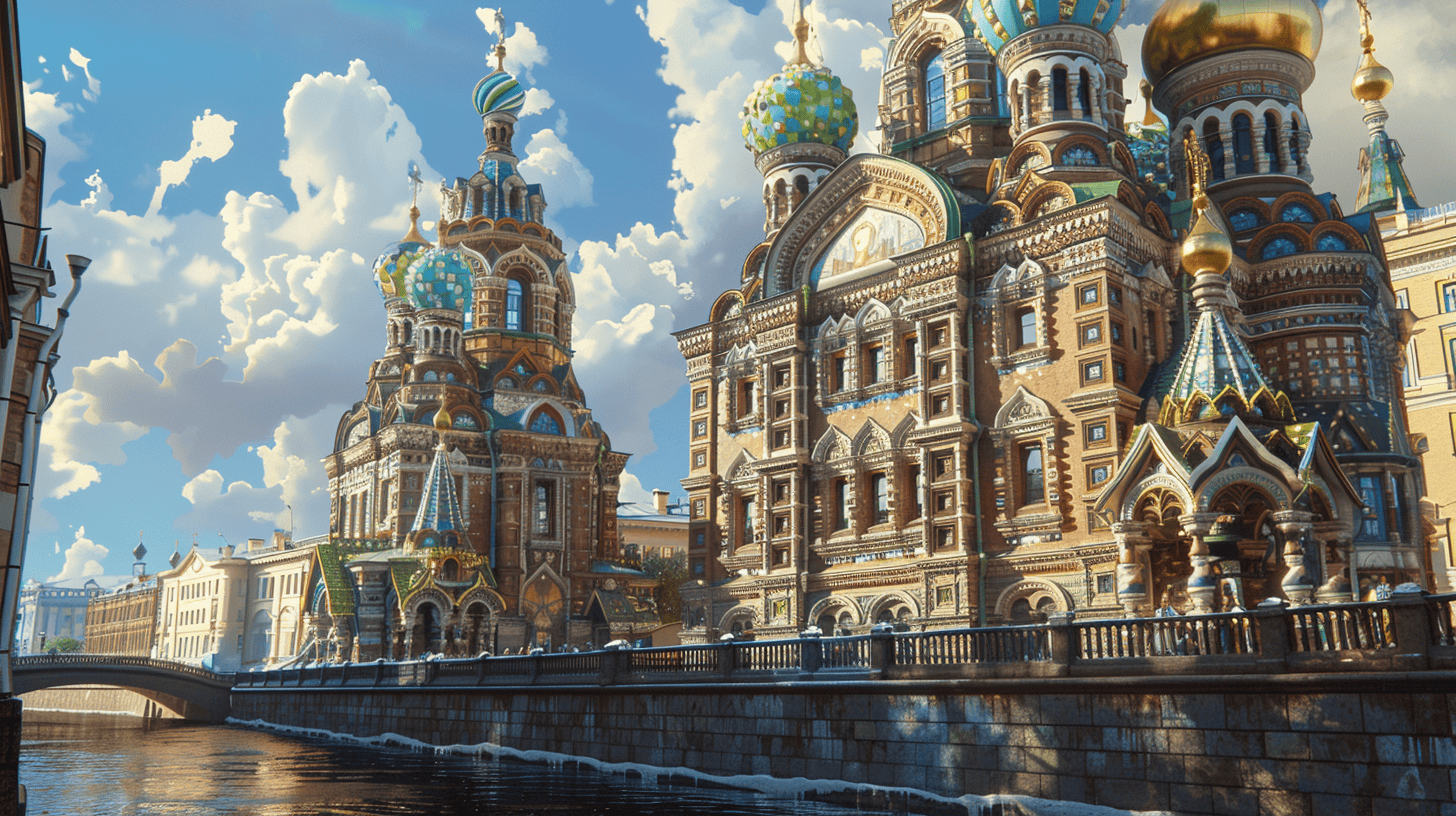
The Church of the Savior on Spilled Blood in St. Petersburg, Russia, is a stunning example of Russian Revival architecture and a tribute to Emperor Alexander II, who was assassinated on this site in 1881. Completed in 1907, the church features colorful onion domes, an ornate façade, and over 7,500 square meters of intricate mosaics depicting biblical scenes and saints.
Inside, the walls and ceilings shimmer with detailed mosaics, creating an atmosphere of awe and reverence. This iconic landmark is a testament to Russia’s rich cultural heritage and resilience, attracting visitors from around the world.
La Catedral de Sal – Zipaquirá, Colombia
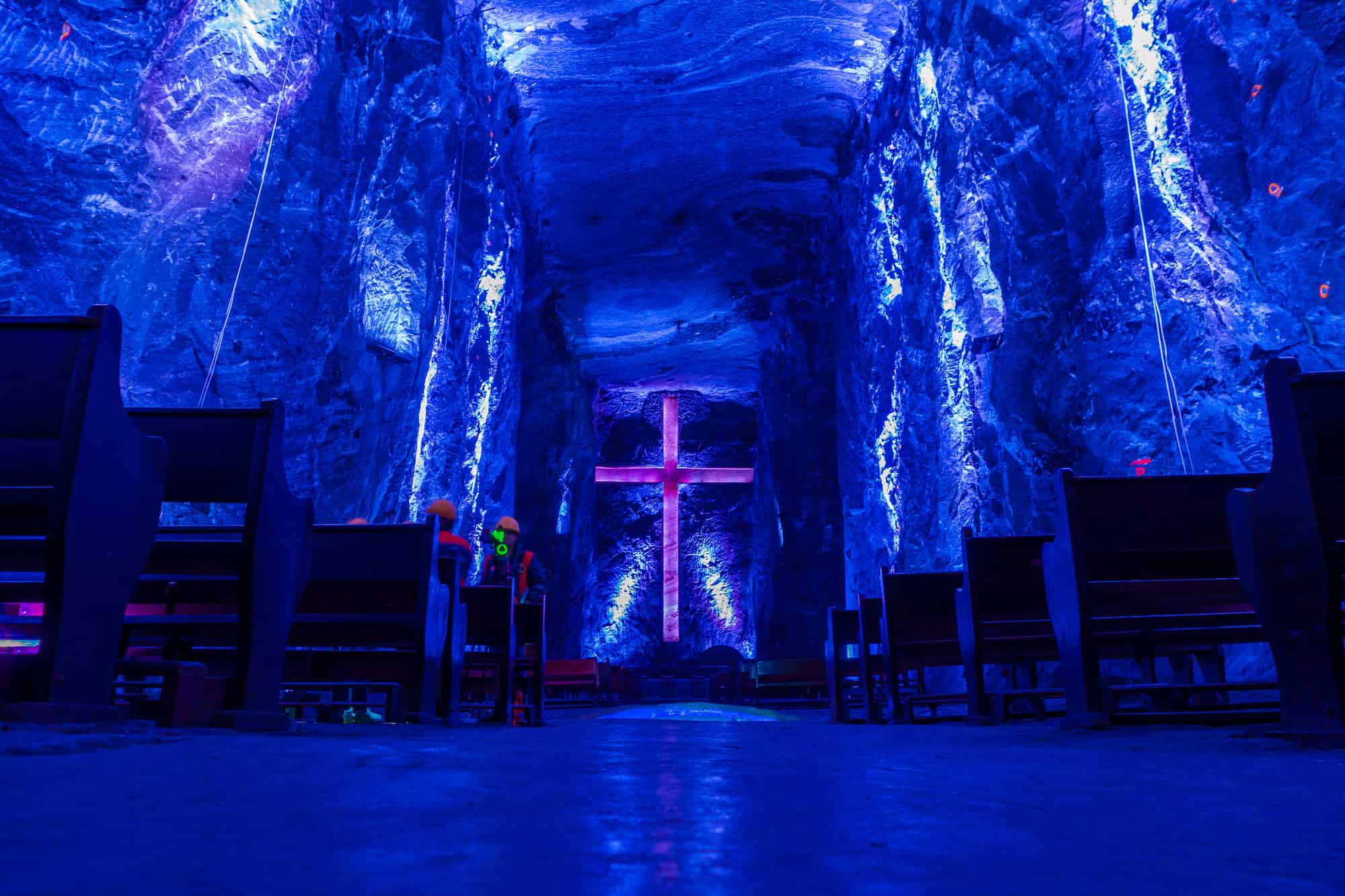
The Salt Cathedral of Zipaquirá, located in Zipaquirá, Colombia, is an extraordinary underground cathedral carved within a salt mine, approximately 180 meters below ground. Constructed in the 1950s by miners who needed a place for prayer, it has evolved into a remarkable architectural marvel.
The cathedral features three main sections representing the Stations of the Cross, each adorned with salt sculptures and reliefs, creating a surreal atmosphere. The central nave, illuminated by natural light filtering through the mine, offers a dramatic and spiritual experience that draws visitors from around the world.
St. Patrick’s Cathedral – New York City, USA
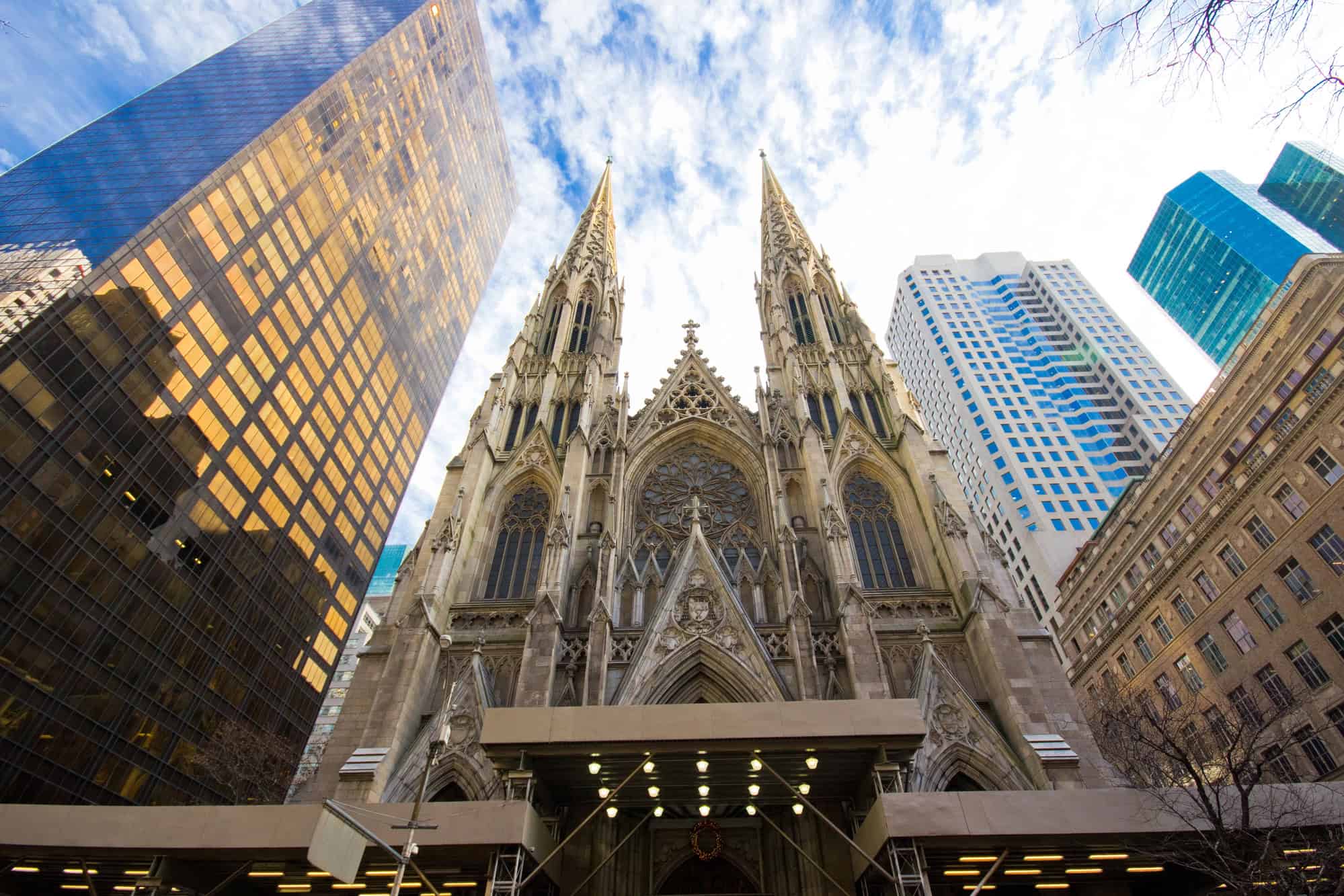
Located in the heart of Manhattan, St. Patrick’s Cathedral is a beautiful example of Gothic Revival architecture and one of New York City’s most iconic landmarks. Designed by James Renwick Jr. and completed in 1878, the cathedral features towering spires, intricate carvings, and one of the world’s largest rose windows.
Inside, visitors are greeted by soaring ceilings, marble altars, and a magnificent pipe organ with over 7,300 pipes. This architectural marvel not only serves as a place of worship but also stands as a symbol of faith and cultural heritage for generations of New Yorkers and visitors alike.
Borgund Stave Church – Borgund, Norway
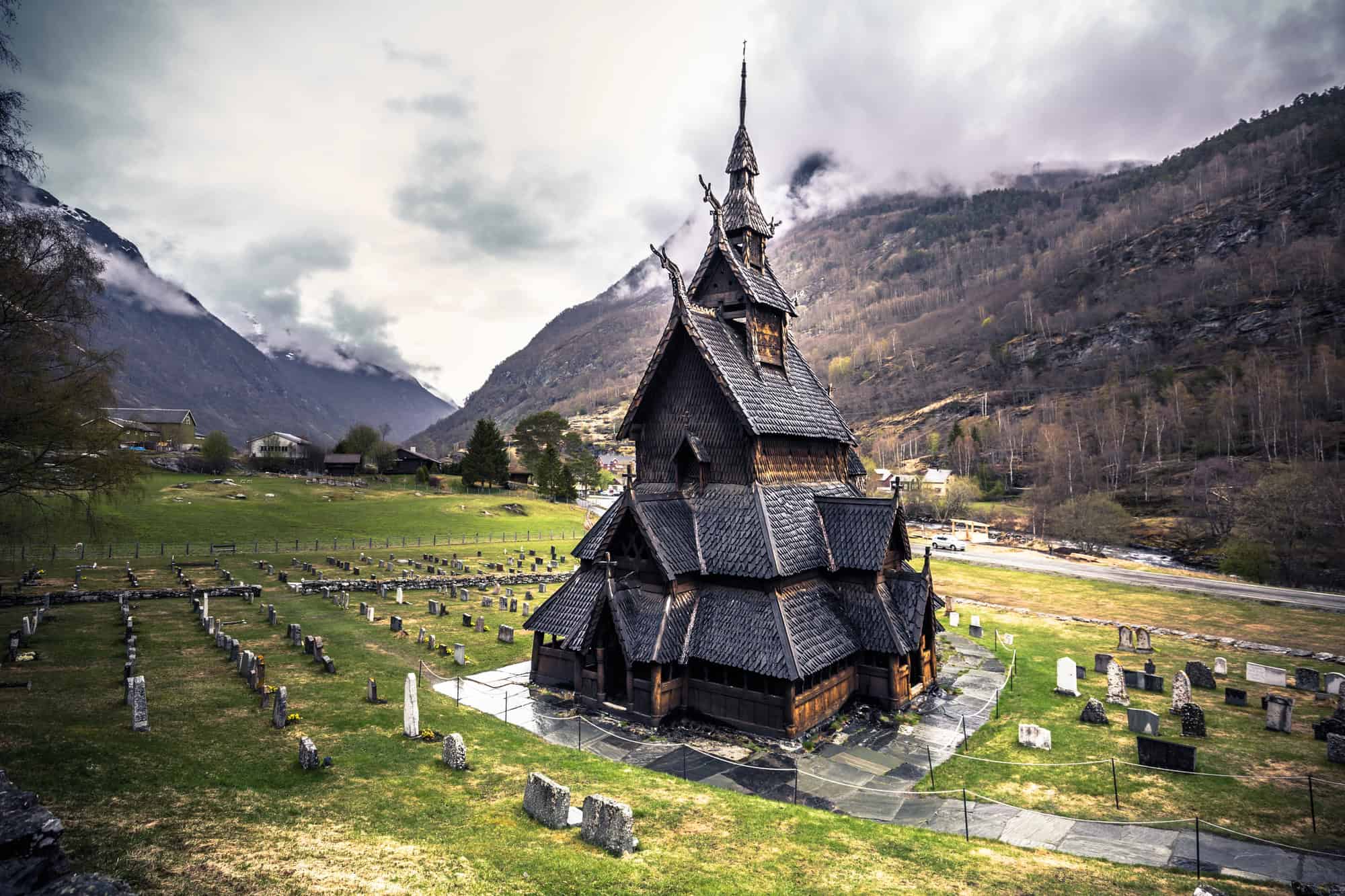
The Borgund Stave Church, located in Borgund, Norway, is a superb example of medieval Scandinavian architecture and one of the best-preserved stave churches in the country. Built in the 12th century, the church features intricate wooden carvings, a steeply pitched roof with dragon-head adornments, and a timber framework that showcases the craftsmanship of medieval builders.
Inside, the simple yet elegant nave is illuminated by natural light, revealing carvings that blend Christian and Norse motifs. This architectural gem serves as a tangible link to Norway’s Viking past and Christian heritage, drawing visitors from around the world.
Westminster Abbey – London, England
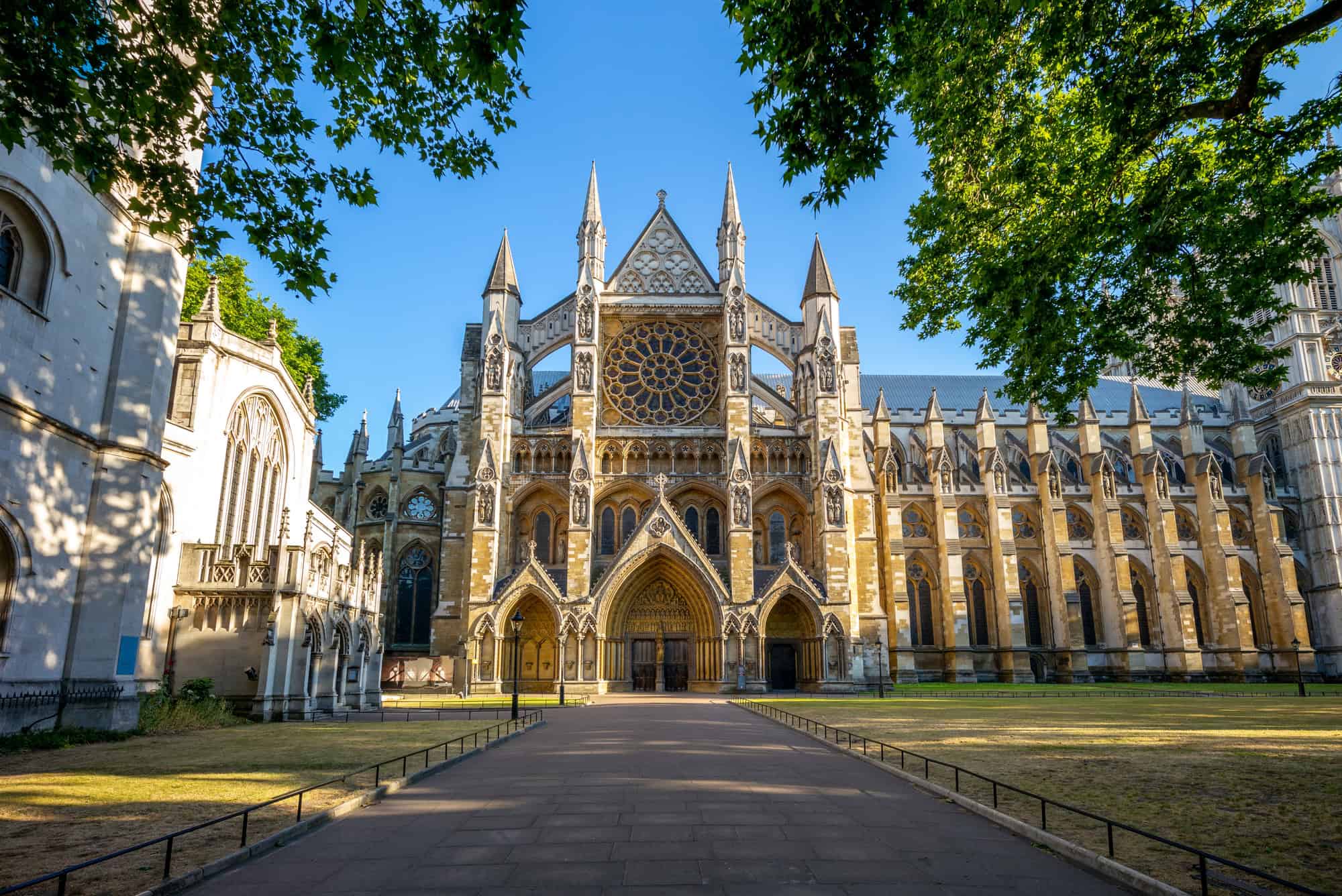
Located in the heart of London, Westminster Abbey is renowned for its Gothic architecture and deep historical significance. Since 1066, it has been the coronation site for English monarchs and the final resting place for numerous British royalty and notable figures.
Highlights include the intricate stonework, splendid stained glass windows, and the famous Poets’ Corner, home to literary greats like Chaucer and Dickens. A visit to Westminster Abbey offers a profound glimpse into England’s rich cultural heritage.
St. Vitus Cathedral – Prague, Czech Republic

St. Vitus Cathedral in Prague is a remarkable example of Gothic architecture and a key symbol of Czech identity. Begun in the 14th century and completed in the 20th, this cathedral blends Gothic, Renaissance, and Baroque styles.
Highlights include its soaring spires, intricate stone carvings, and magnificent rose window. Inside, don’t miss the St. Wenceslas Chapel, adorned with semi-precious stones and mosaics, housing the tomb of Saint Wenceslas.
Cathedral of Brasília – Brasília, Brazil
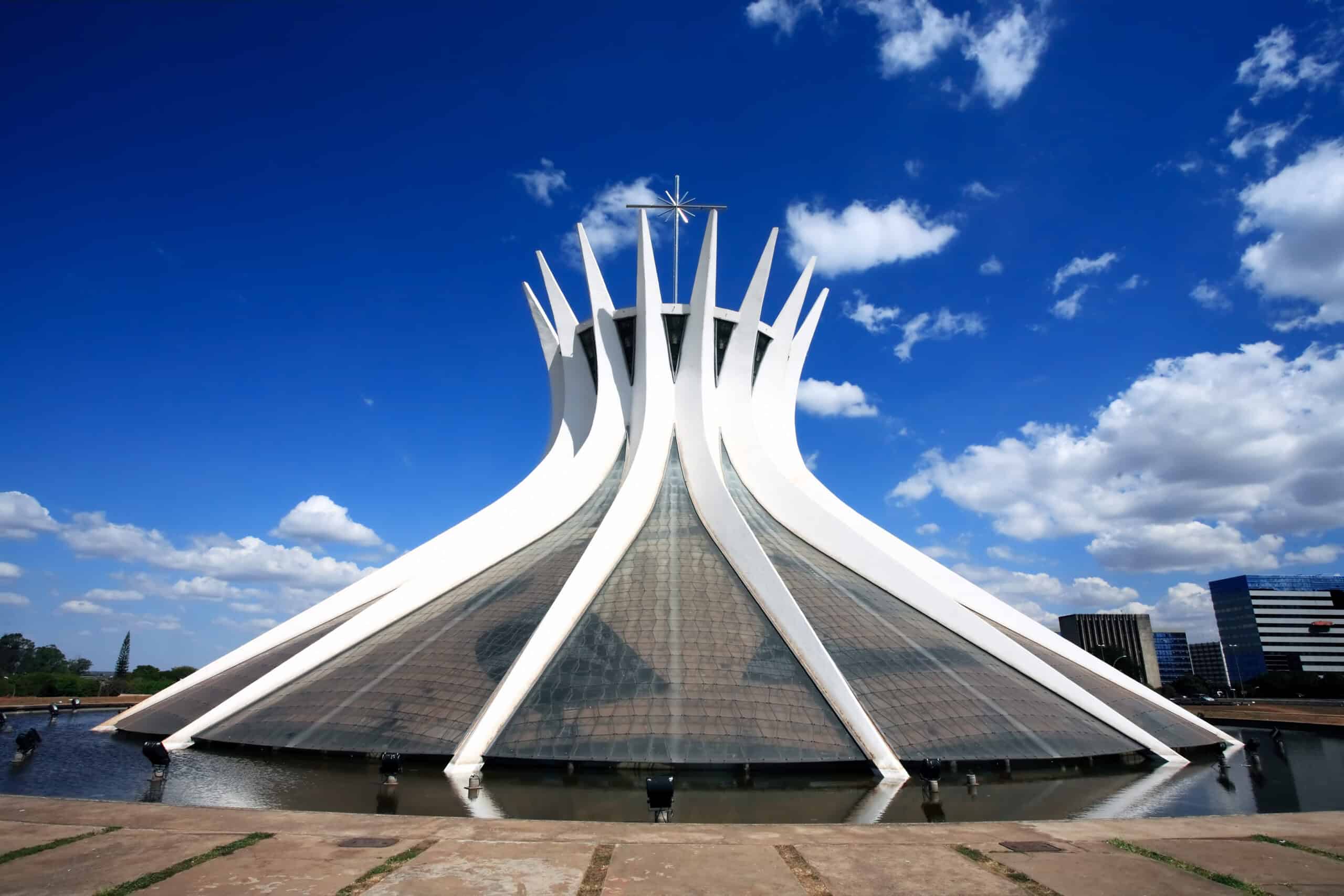
The Cathedral of Brasília, designed by Oscar Niemeyer and completed in 1970, is an extraordinary example of modernist architecture in Brazil’s capital. Its hyperbolic paraboloid structure features 16 concrete columns that resemble a crown, creating a visually striking silhouette.
Inside, the cathedral boasts minimalist décor and vibrant stained glass windows that fill the space with a kaleidoscope of colors. This architectural marvel serves as both a place of worship and a symbol of Brazil’s innovative spirit.
Duomo di Milano – Milan, Italy
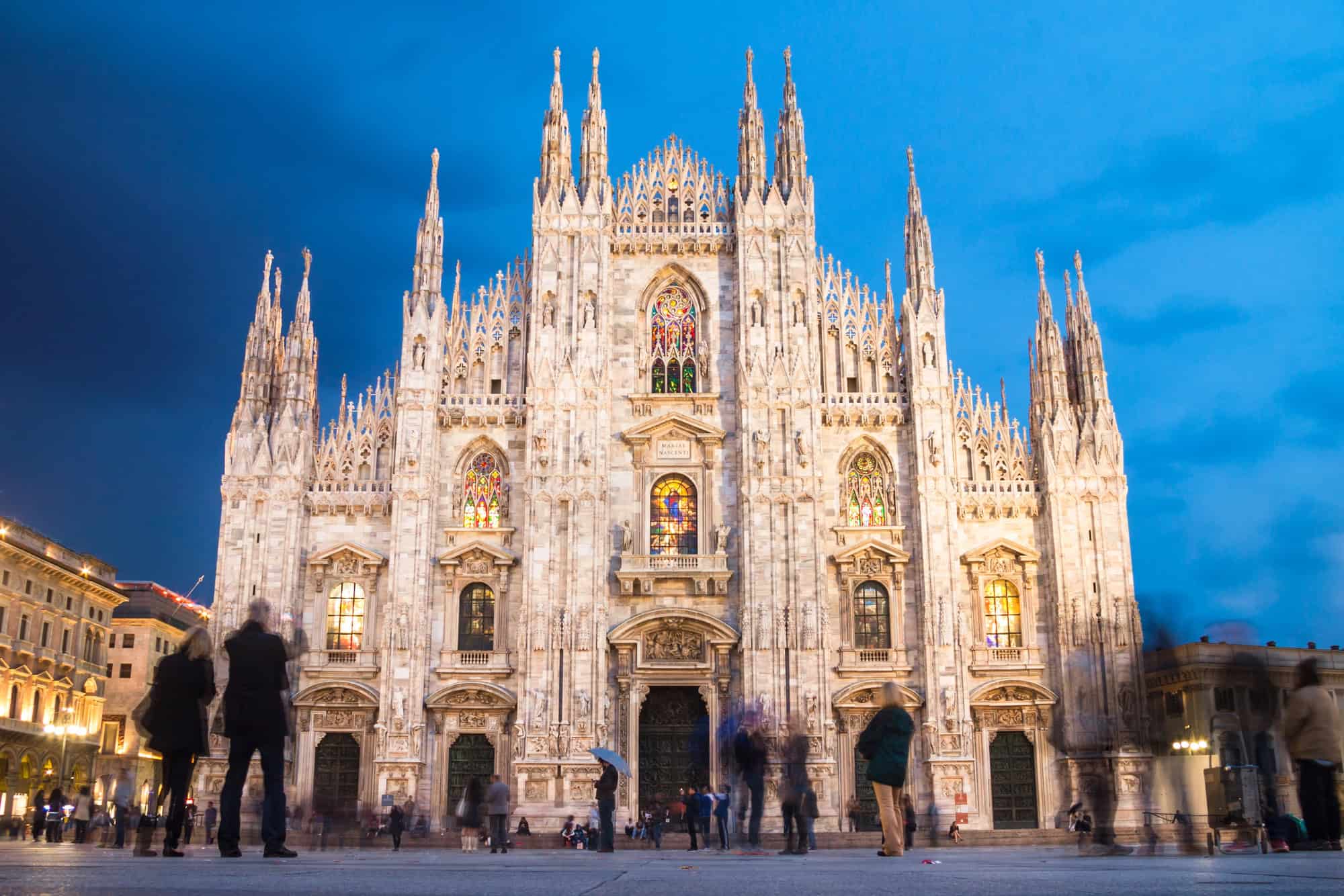
The Duomo di Milano, an iconic Gothic masterpiece, stands as one of Milan’s most recognizable landmarks. Begun in 1386, its construction spanned centuries, resulting in an elaborate façade adorned with thousands of marble statues, spires, and intricate carvings.
Inside, visitors are awed by soaring vaulted ceilings, towering columns, and stunning stained glass windows. Don’t miss the rooftop terrace, offering panoramic views of Milan and the surrounding Alps, making it a must-visit destination for travelers.
Grundtvig’s Church – Copenhagen, Denmark

Grundtvig’s Church in Copenhagen is a remarkable example of Expressionist architecture and one of Scandinavia’s most iconic churches. Designed by Peder Vilhelm Jensen-Klint and completed in 1940, the church features traditional Danish brickwork fused with modernist Nordic and Gothic elements.
Inside, a vast central nave and over 5,000-pipe organ create a space renowned for its acoustics and natural light. This architectural gem is both a place of worship and a cultural landmark, reflecting Denmark’s rich heritage.