

Food is a universal language, yet it speaks in many dialects. When we dare to step out of our culinary comfort zones, we might find ourselves staring down a plate of the wildly unfamiliar. In this article, we’ll be feasting our eyes on the most bizarre (and delectable?) foods from around the globe. Are you ready?
Casu Marzu, Italy
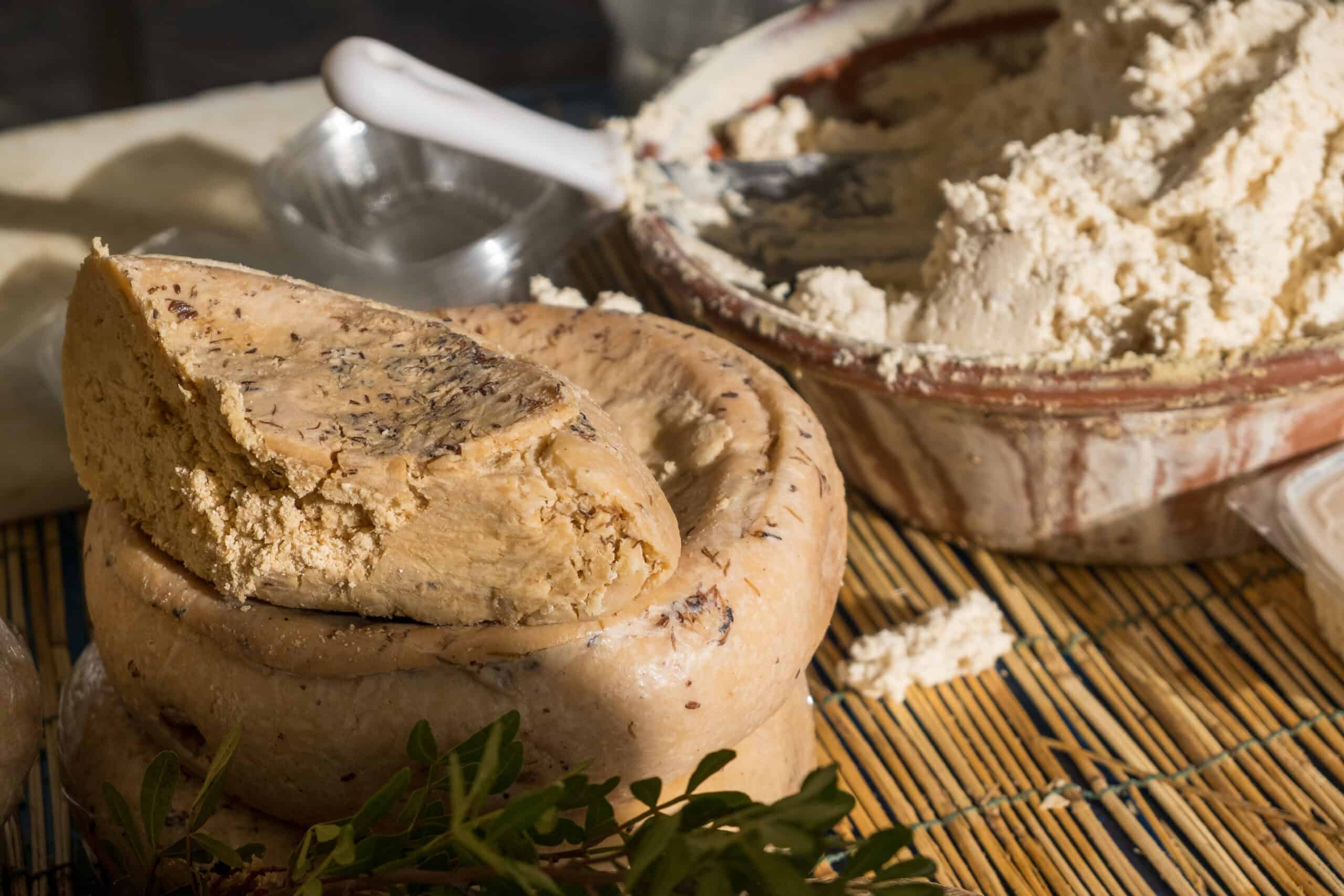
Casu Marzu presents an intriguing challenge for even the most fearless food enthusiasts. This traditional Sardinian cheese transcends the usual fermentation process by inviting cheese fly larvae to partake in its creation, resulting in a spicy, creamy concoction that weeps “lagrima,” or tears.
The experience of consuming Casu Marzu, often spooned straight from the wheel while the maggots squirm, teeters on the edge of daring and danger—earning it the title of “the most dangerous cheese” by the Guinness Book of World Records. While its legal status is contentious, the cheese endures as a coveted, clandestine delight for those craving a true taste of Sardinian audacity.
Hákarl, Iceland
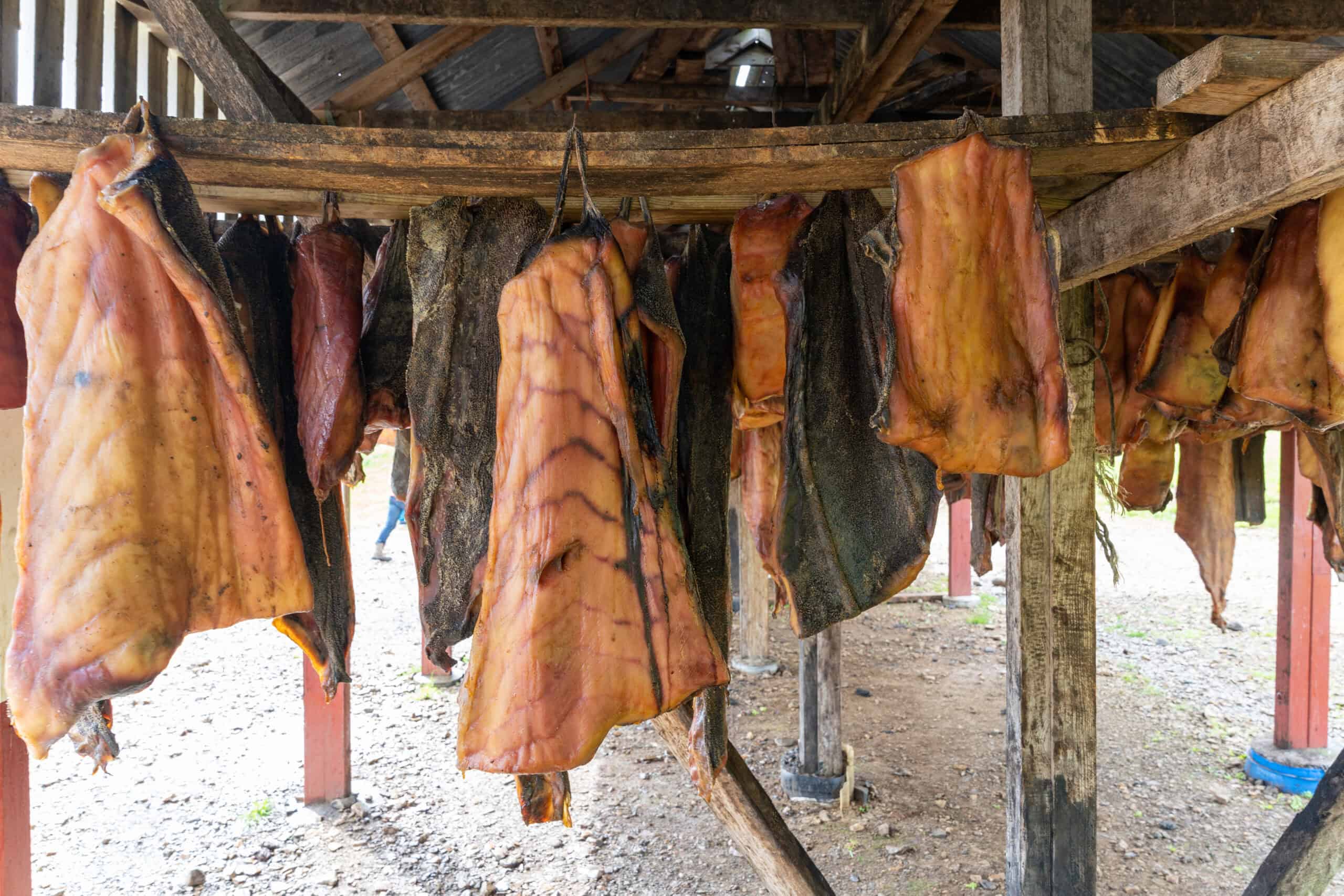
A Viking legacy that is as much an acquired taste as it is a rite of passage. Hákarl, derived from the otherwise poisonous Greenland shark, undergoes a unique fermentation process that transforms it into an edible delicacy, infamous for its potent, ammonia-laced aroma and an unforgettable aftertaste often likened to urine.
It’s traditionally accompanied by a bracing shot of Brennivín, Iceland’s signature spirit, to ease its pungent punch. Celebrated during the Þorrablót festival and available for sampling at the Bjarnarhöfn Shark Museum, hákarl endures as a symbol of Iceland’s bold gastronomic heritage and a curious challenge for intrepid food adventurers.
San-nakji, South Korea
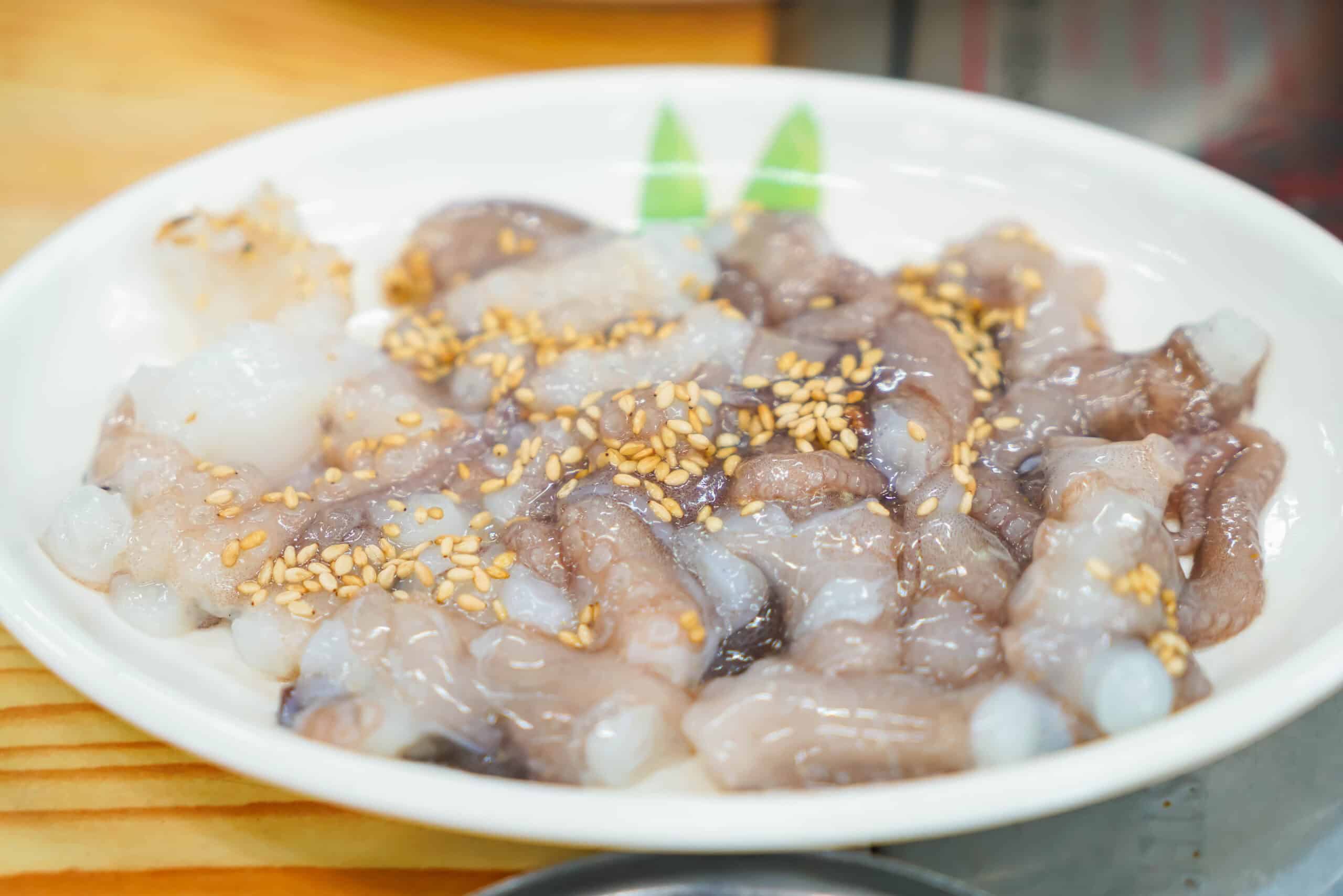
We invite you to the vibrant streets of South Korea, where san-nakji, a raw delicacy, takes fresh seafood to an extreme level. This dish features a young octopus, expertly sliced into wriggling pieces or sometimes eaten whole, and is as much about texture as it is about taste.
Served with a drizzle of sesame oil and seeds to enhance its mild flavor, and often with a side of spicy red chile paste for those who crave a kick, san-nakji is a test of texture for the culinary adventurer. It’s a dish that promises an experience as lively as the streets of Seoul itself.
Surströmming, Sweden
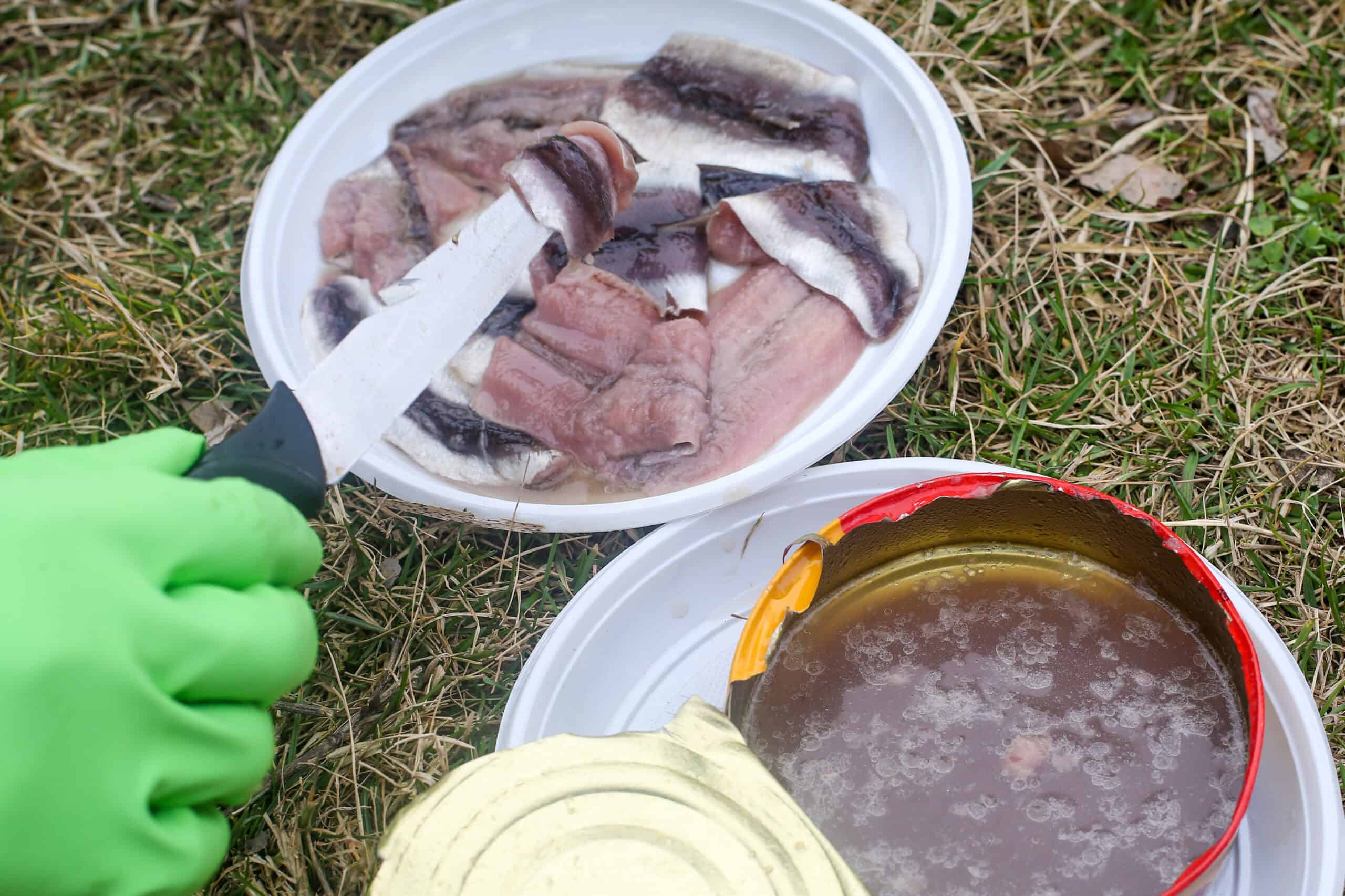
Navigating the culinary waters of Sweden, we uncover Surströmming, a legacy of the Baltic Sea. Known for its formidable scent and robust, tangy flavor, this fermented herring is a true test of one’s gastronomic bravery.
The anticipation builds each year until the official surströmmingspremiär in August, marking the beginning of a season where enthusiasts indulge in this unique delicacy. Whether at the world’s largest surströmming festival in Alfta or a traditional Stockholm eatery, cracking open a bulging tin of surströmming is an aromatic adventure that’s quintessentially Swedish.
Bird’s Nest Soup, Southeast Asia

Embarking on a journey through the tastes of Southeast Asia, we encounter bird’s nest soup, a dish prized for its reputed health benefits and the remarkable origins of its key ingredient. Unlike the twig nests of backyard birds, these nests are crafted from the saliva of the swiftlet bird, which solidifies into a gelatinous, hammock-like structure.
The pursuit of these edible nests, often perched high within dark, echoing caves, is a treacherous one, balancing the allure of the delicacy against the inherent dangers of harvest. Served as a symbol of luxury and well-being, bird’s nest soup is a testament to the lengths to which humans will go for the promise of youth and vitality.
Fugu, Japan

Fugu, Japan’s pufferfish delicacy, emerges as a dish cloaked in both history and hazard. The art of preparing fugu is steeped in tradition, with chefs rigorously trained and licensed to ensure the potent tetrodotoxin within the fish is expertly removed, creating a dish that’s thrilling yet safe.
Relished for its delicate flavor and unique texture, fugu invites diners to flirt with danger, especially during the winter months when the fish is at its peak in both taste and volume of the prized shirako, or soft roe. The experience is akin to a culinary tightrope walk, where the skill of the chef ensures a tantalizing taste rather than a fatal fall.
Witchetty Grub, Australia
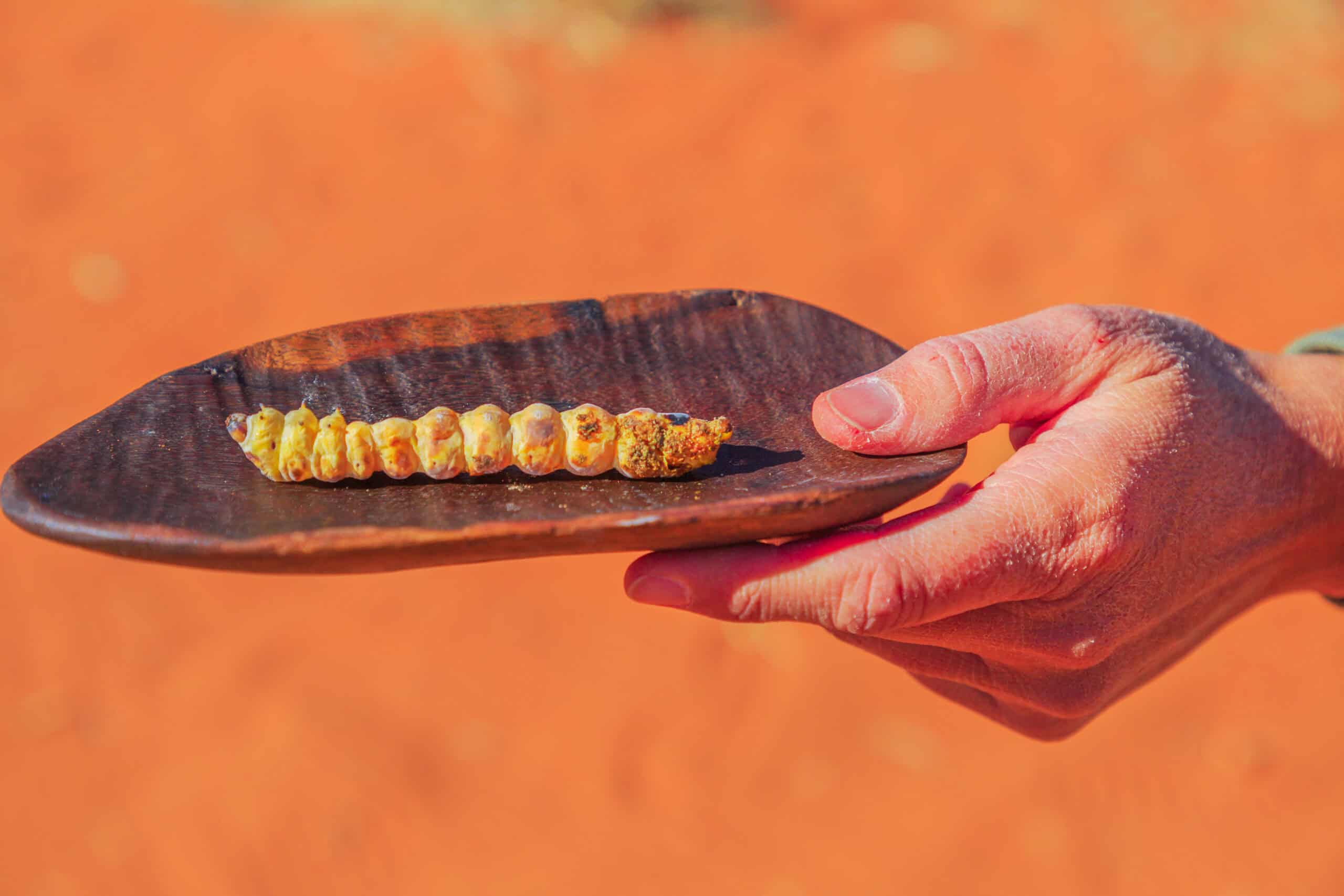
We dig into the heart of Australia’s outback to unearth the Witchetty Grub, a culinary staple of Aboriginal bush tucker. These hefty larvae, harvested from beneath the roots of the witchetty bush, are a powerhouse of protein cherished by indigenous Australians.
Although the name “witchetty” has been broadly applied to various wood-boring grubs, the term originates from the larvae of the cossid wood moth, an insect that lives a fleeting adult life sustained only by its larval feasting. Savored for its nutty flavor when cooked, the witchetty grub holds a place of honor in the annals of Australia’s ancient food heritage.
Balut, Philippines
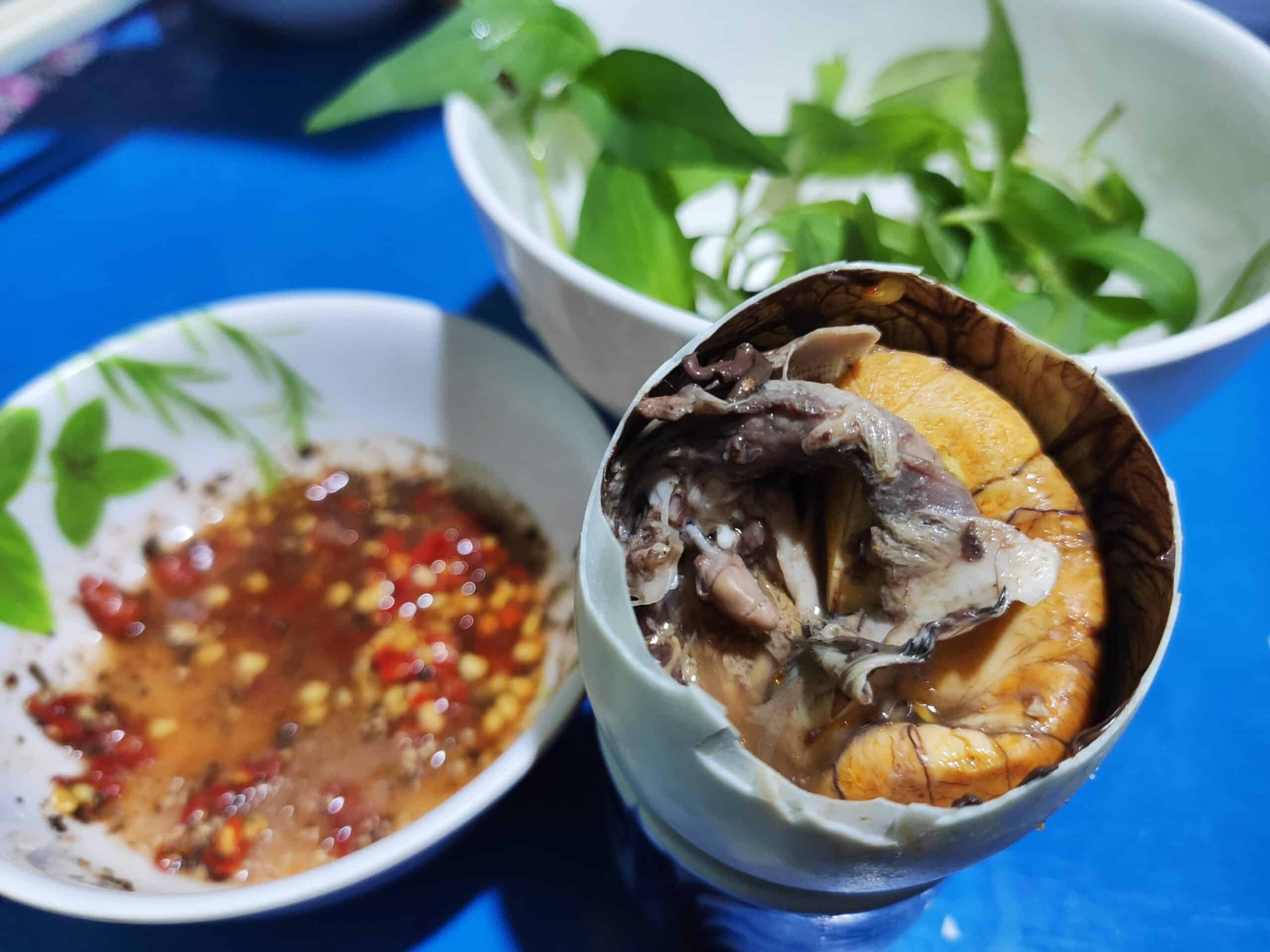
We crack into the world of Balut, a distinctive Filipino delicacy that defies the uninitiated’s expectations. This fertilized duck egg, complete with a developing embryo, is a popular street food in the Philippines, often accompanied by a cold beer.
Peeling back the shell reveals a complex layering of flavors—from the savory soup to the creamy yolk and tender bite of the duckling within. Balut’s rich taste and textural variety make it a sought-after snack and a bold foray into traditional Filipino cuisine.
Century Egg, China
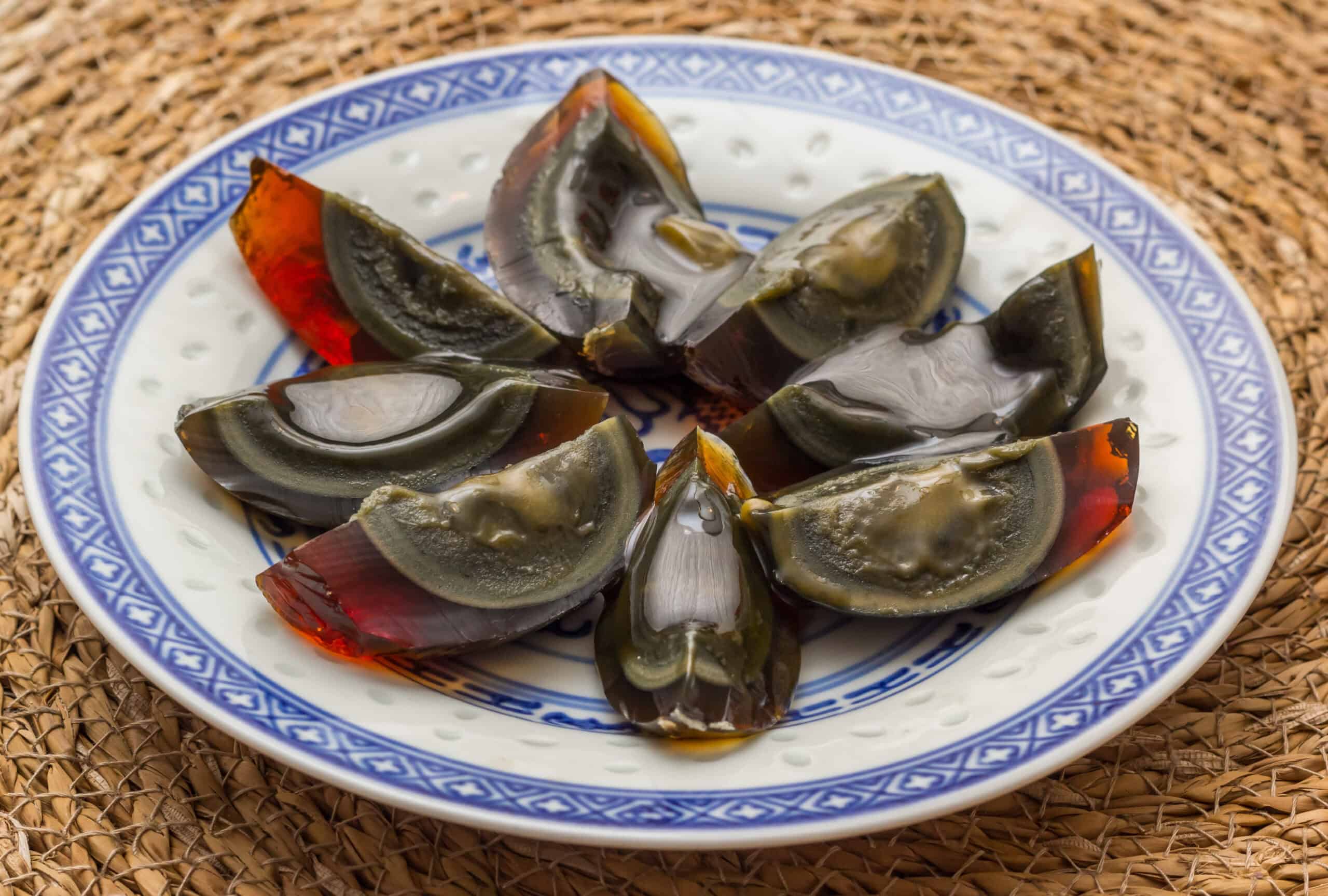
The Century Egg from China stands out as a testament to the art of preservation and the boldness of flavor. Far from being a relic of the past, this intriguing delicacy is a study in contrasts, with its startlingly dark “white” and ornately patterned yolk that echo the palette of a painter.
The complex taste is reminiscent of a finely aged cheese, with a smooth, gelatinous texture that challenges the palate. Typically enjoyed alongside pickled ginger or folded into comforting congee, the century egg is a cultural treasure for those willing to explore the depth of traditional Chinese flavors.
Escamoles
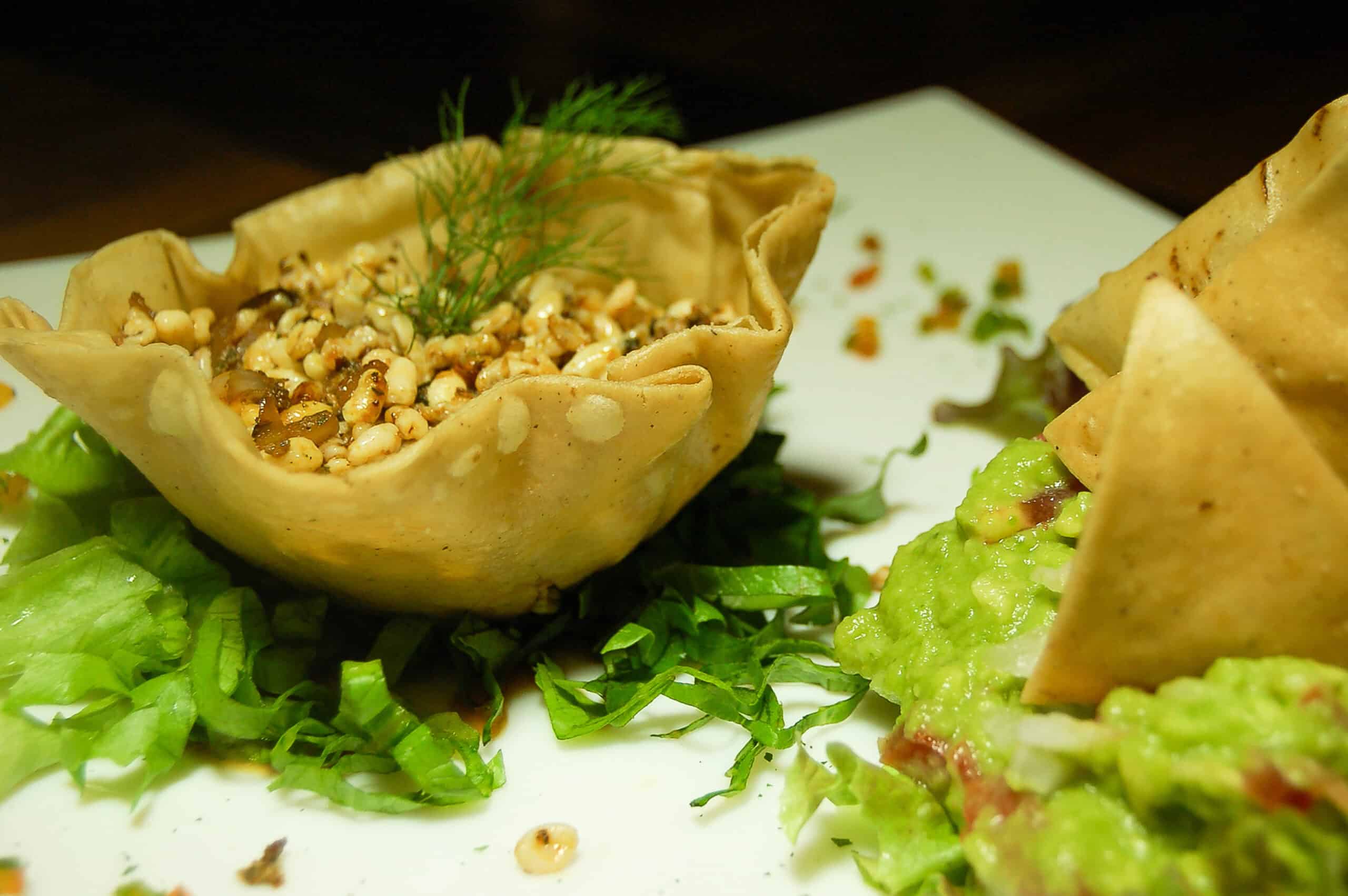
Escamoles emerge from the arid landscapes of Mexico as an astonishingly lavish ingredient. Known as the desert’s caviar, these ant larvae, with their nutty and slightly buttery flavor, have graced the tables of Aztec emperors and modern gourmands alike.
Harvested with immense care from the roots of agave plants, escamoles embody a balance of sustainable tradition and culinary luxury. Whether served in simple tacos or as part of a sophisticated tasting menu in Mexico City, this delicacy encapsulates the deep-rooted, opulent food culture that Mexico proudly offers to the brave and curious palates of the world.
Huitlacoche, Mexico
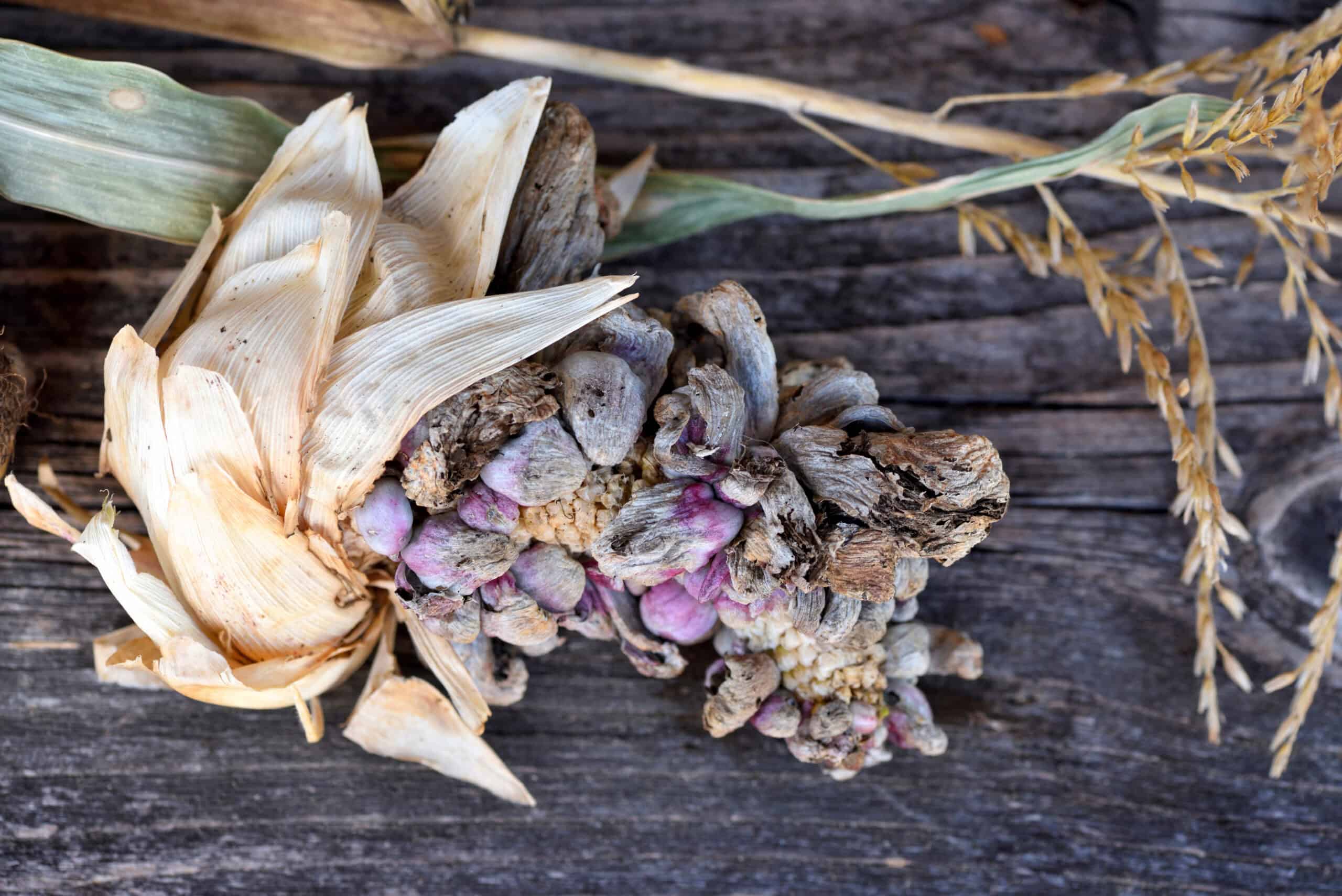
Huitlacoche stands out as Mexico’s contribution to gourmet fungi with its unexpected charm. This corn fungus, coaxed into existence by the nurturing rains, transforms ordinary corn into velvety, smoky-flavored galls that carry a hint of the corn’s inherent sweetness.
Coveted for its rarity and uniquely rich flavor—often compared to the coveted black truffle or savory morels—huitlacoche graces everything from street-side quesadillas to sophisticated dishes in high-end restaurants. Whether enveloped in a warm tortilla with melty quesillo cheese or enhancing the depth of a sumptuous sauce, huitlacoche embodies the alchemy of Mexican cuisine, turning what many might see as blight into culinary gold.
Cuy, Peru
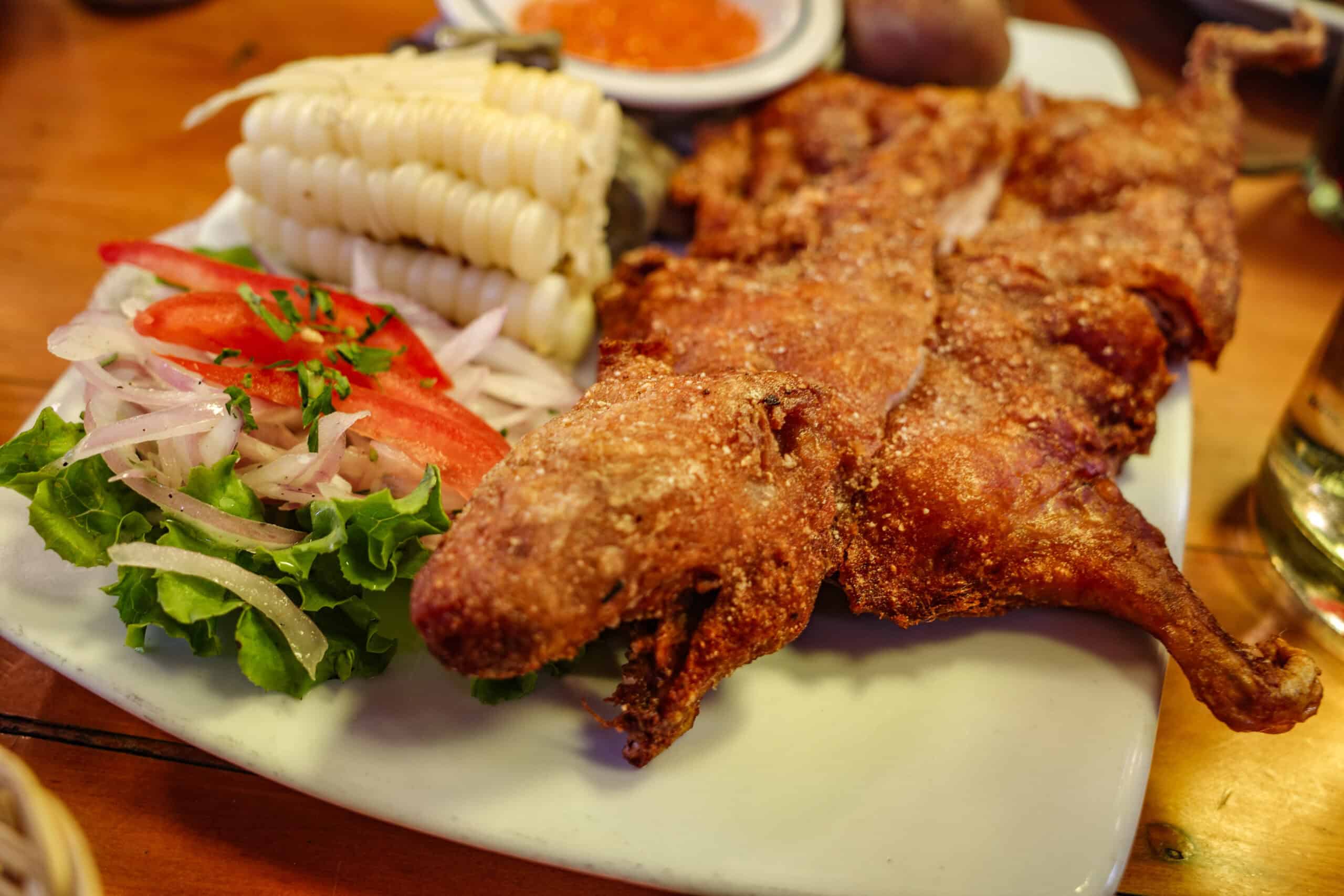
Cuy takes its place as a Peruvian delicacy deeply rooted in Andean tradition rather than as the pet it’s often seen as elsewhere. This small rodent, akin to a rabbit, is raised in the highlands not as a furry companion but as a source of protein-rich meat, integrated into Peruvian cuisine for thousands of years.
Revered dishes featuring cuy are lovingly prepared with accompaniments like stuffed rocoto peppers and served on special occasions, attesting to its significance in Peru’s culinary and cultural heritage. Sampling cuy is more than just a meal; it’s an immersion into the history and customs of Andean life.
Fried Tarantula (Cambodia)
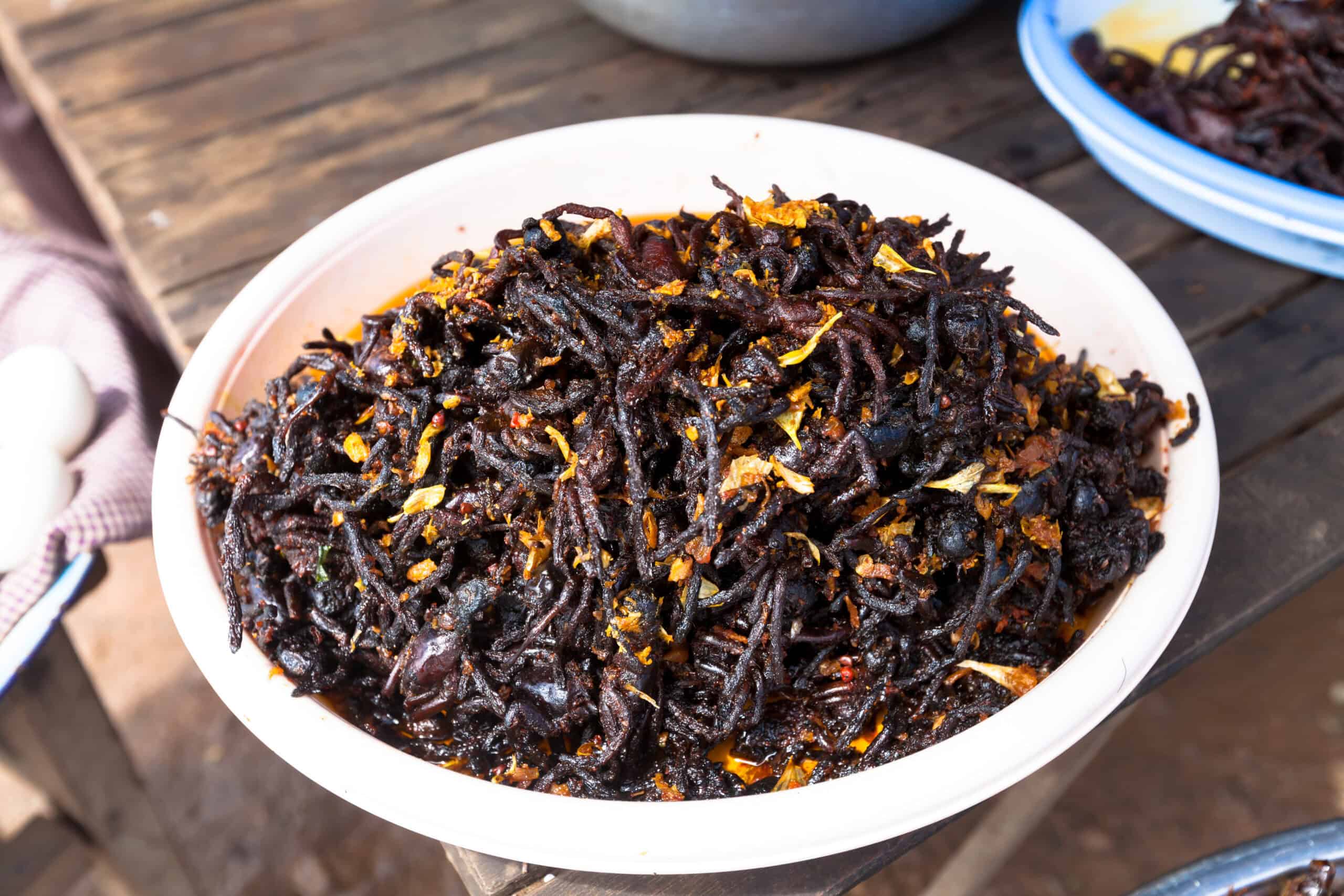
We uncover a survival food-turned-delicacy with Cambodia’s fried tarantulas. Initially, a vital source of nourishment during the horrific reign of the Khmer Rouge, these eight-legged arachnids are now a common snack, crisped to perfection and often enhanced with sugar or garlic.
The town of Skuon, in particular, has turned this unusual treat into a tourist draw, offering visitors a crunchy bite of history for mere cents. Tasting a fried tarantula is more than a dare—it’s a palpable connection to a time of desperation and the resilience of a nation.
Puffin Heart, Iceland

Iceland presents a dish as unique as it is traditional: the raw puffin heart. Esteemed as a delicacy, this practice harkens back to the days when the colorful-beaked “clowns of the sea” were as much a staple of the diet as they were a symbol of the nation.
With modern tastes evolving, it’s predominantly the older Icelandic generation that still honors this custom, often paired with the belief that the heart is the most flavorsome part of the bird. Sampling this rare bite offers a direct line to Iceland’s gastronomic past, in a land where puffin hunting remains legal and rooted in the local culture.
Rocky Mountain Oysters, USA
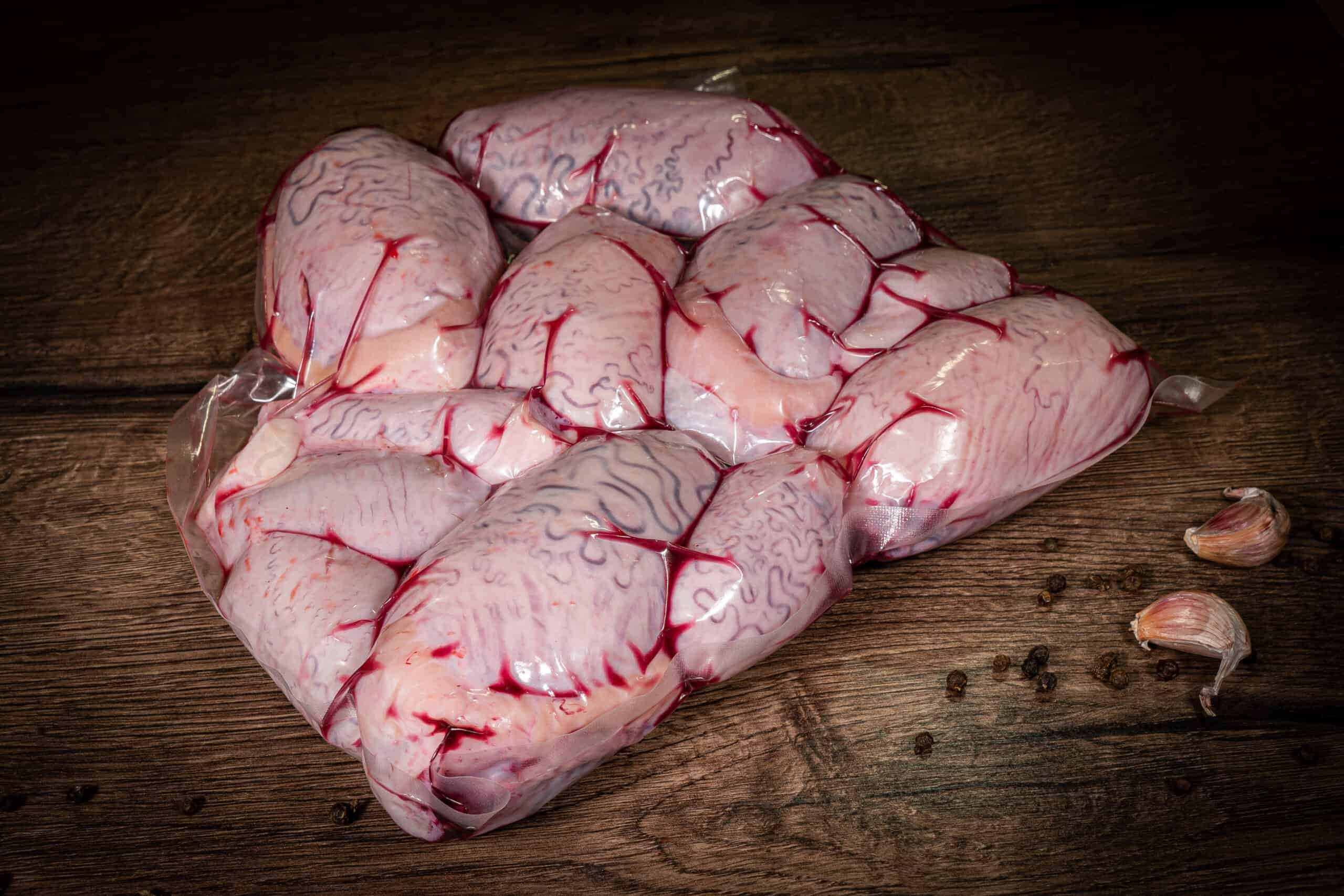
Trekking across the culinary frontiers of the USA, we sink our teeth into the robust tradition of Rocky Mountain oysters. Far from any seafood connection, this dish is a rite of passage in the American West, featuring the testicles of young bulls, breaded and fried to golden perfection.
As a testament to the region’s hearty spirit, these “oysters” are celebrated at boisterous festivals in Montana each year and enjoyed as a year-round staple in several restaurants across the Mountain states. More than just a novelty, indulging in Rocky Mountain oysters connects diners with the enduring cowboy culture and the Old West’s utilitarian approach to nose-to-tail eating.
Lutefisk, Norway
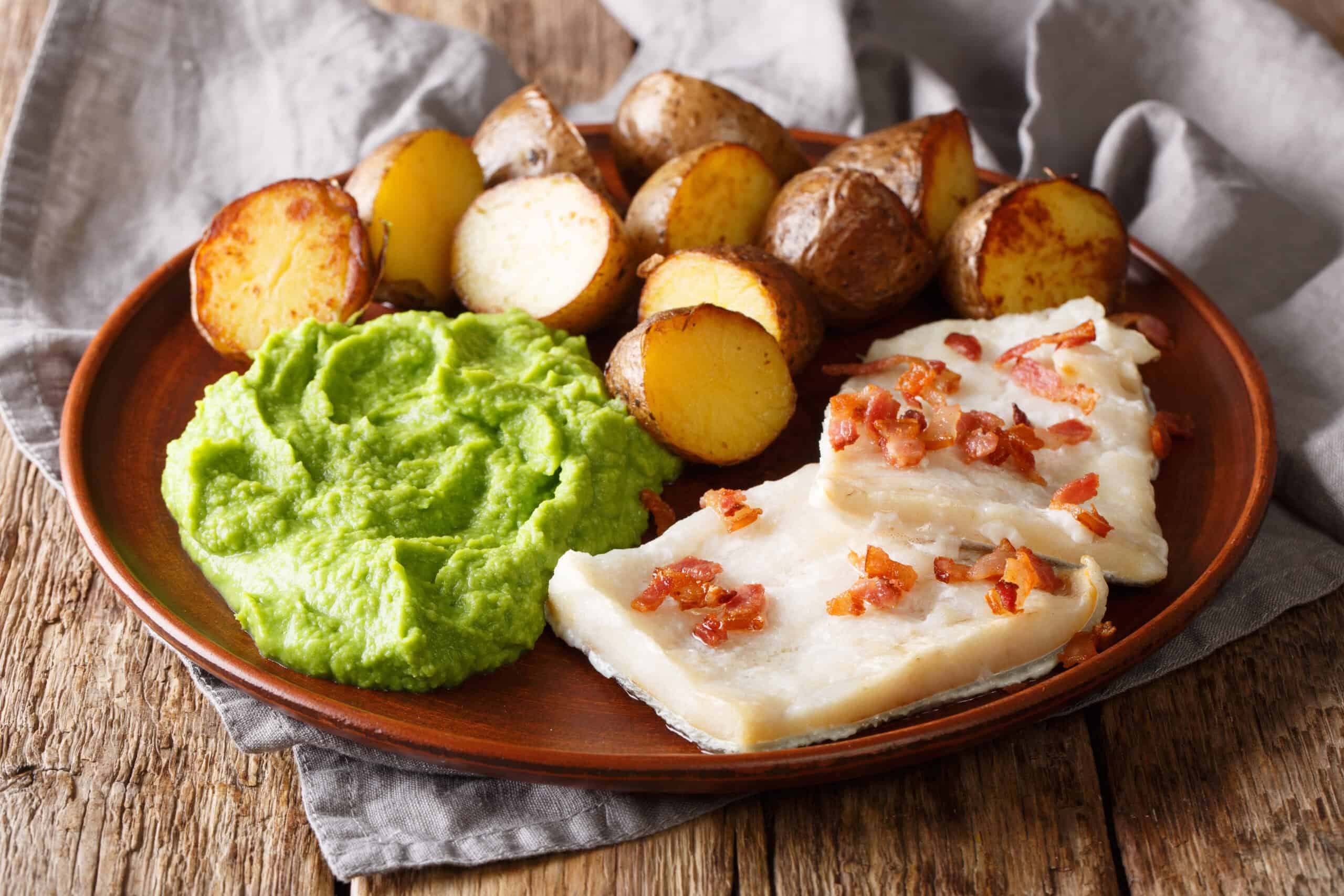
Sailing into Scandinavia’s culinary seas, lutefisk stands out as a gleaming example of Norway’s unique fare. This gelatinous dish originates from stockfish that undergo a transformation via lye brining, followed by careful soaking and steaming, resulting in its distinctive, flaky texture.
Served traditionally with a warm, creamy sauce and accompanied by the festive spirits of beer or aquavit, lutefisk is a cherished Christmas staple, a nod to historical fasting practices. While it may be an acquired taste for some, embracing lutefisk is to partake in a deep-rooted Nordic tradition that ties modern celebrations to the echoes of the past.
Durian, Southeast Asia
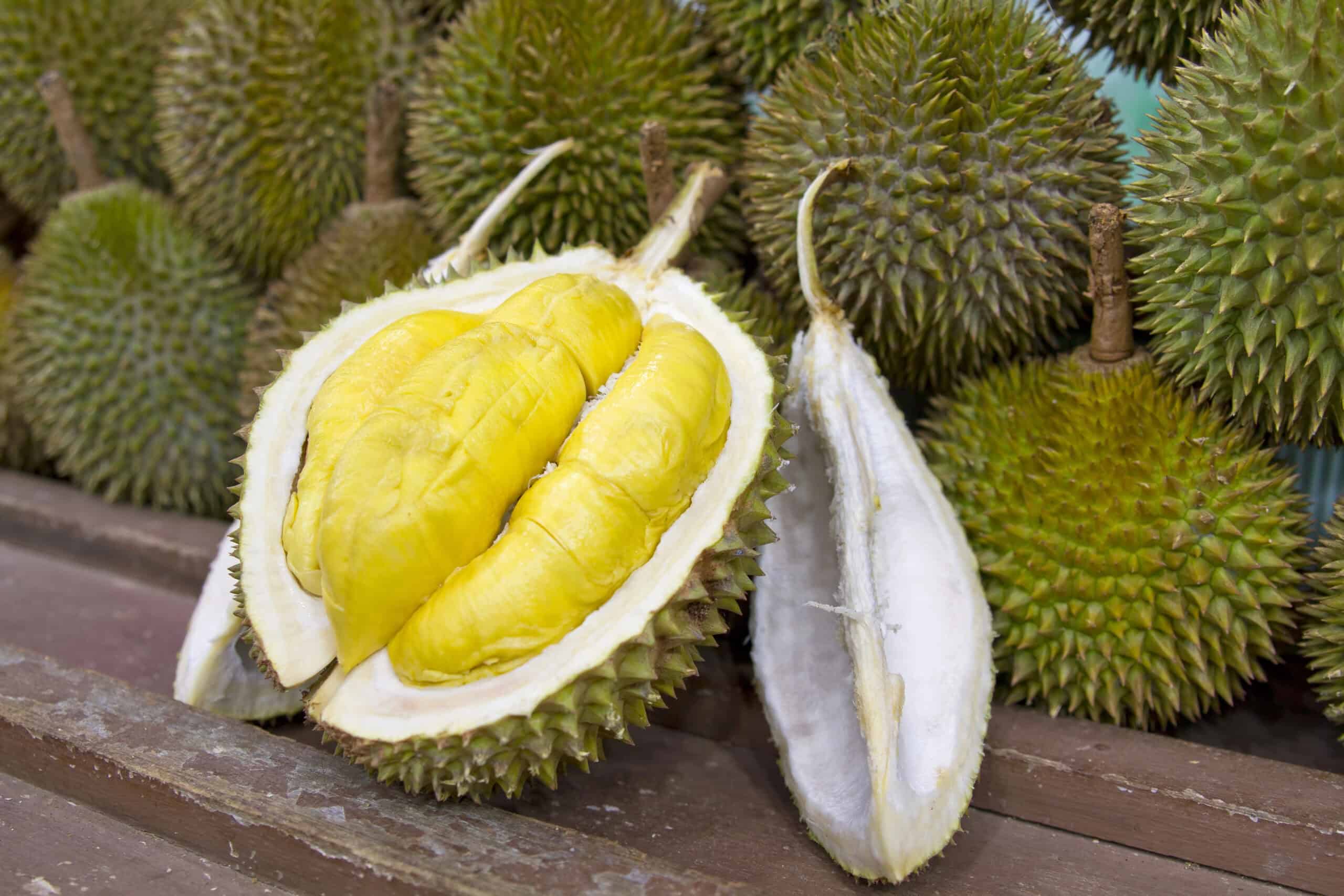
Navigating the lush landscapes of Southeast Asia, one encounters the notorious durian fruit, a sensory paradox that divides the crowd. Beloved for its rich, custard-like texture and sweet flavor, the durian is equally infamous for its pungent aroma, likened to Limburger cheese and banned on public transport in certain areas.
Enthusiasts savor the flesh at various stages of ripeness, incorporating it into both sweet and savory culinary creations, while the roasted seeds offer their own gastronomic appeal. Embracing durian is more than a taste adventure; it’s an act of cultural immersion in a region where this “king of fruits” reigns supreme.
Chapulines, Mexico
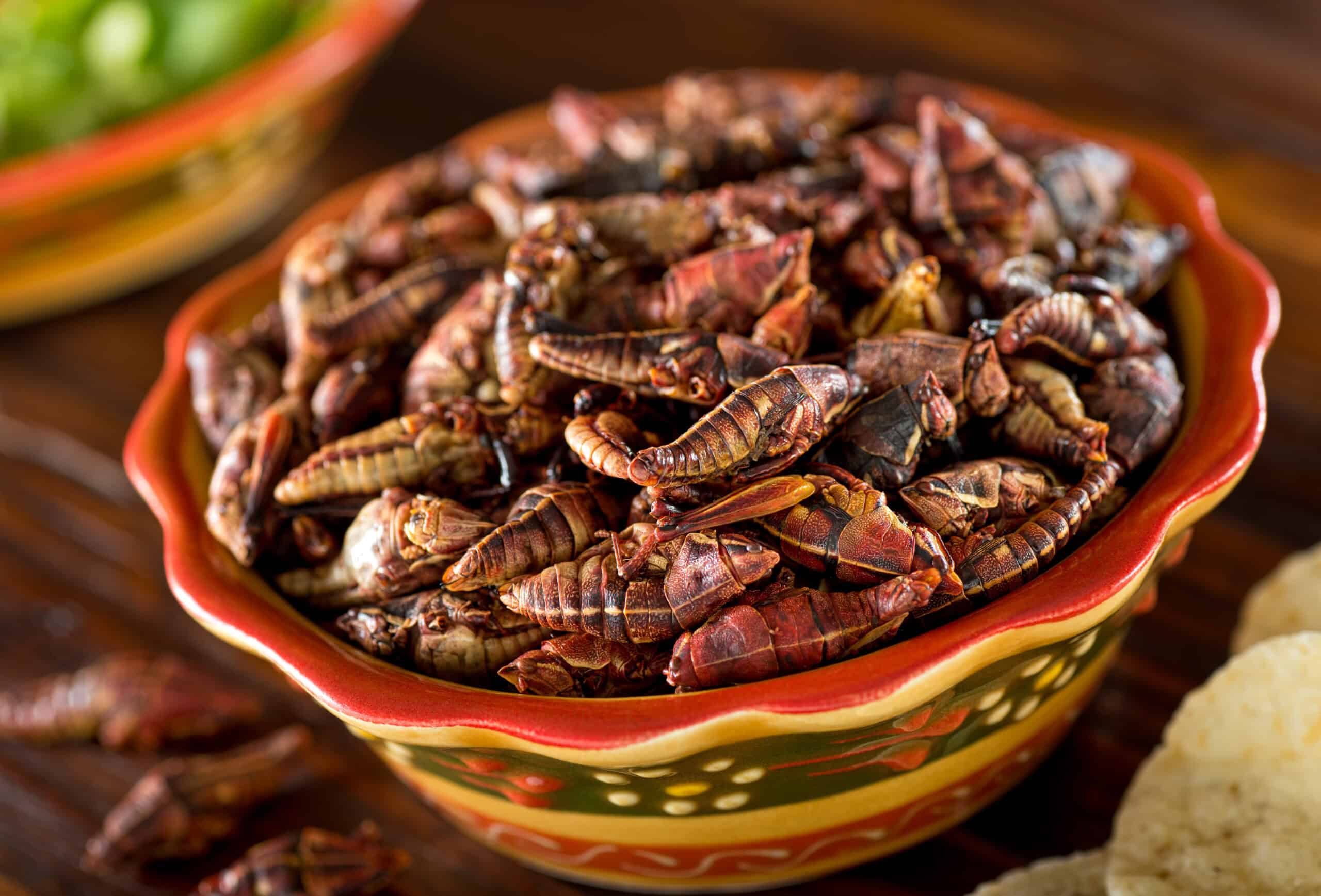
Dive into the traditional flavors of Oaxaca, Mexico, where chapulines, or fried grasshoppers, leap onto the culinary scene. These crunchy critters, often zested up with chile and lime, offer a unique yeasty tang that surprises the palate, reminiscent of tangy chips but with an earthier note.
A staple in Oaxacan cuisine, chapulines are not merely a protein-packed snack but a sustainable food choice resonating with environmental advocates. Whether folded in a corn tortilla with fresh salsa or munched by the handful, chapulines challenge the uninitiated to reframe their notion of Taco Tuesday with a delightfully crispy twist.
Smalahove, Norway

Let’s go to the snow-laden landscapes of Norway, where smalahove, the head of a sheep, emerges as a winter specialty rooted in heritage. Revered for its ability to utilize every part of the animal, this dish dates back to the Viking age, originally crafted by shepherds over open fires.
Tender meat and soft skin, served alongside boiled potatoes and rutabaga, reward the intrepid with a taste of history. And for those who truly embrace tradition, the eyes, tongue, and brain await as prized morsels of this storied Norwegian feast.
Haggis, Scotland
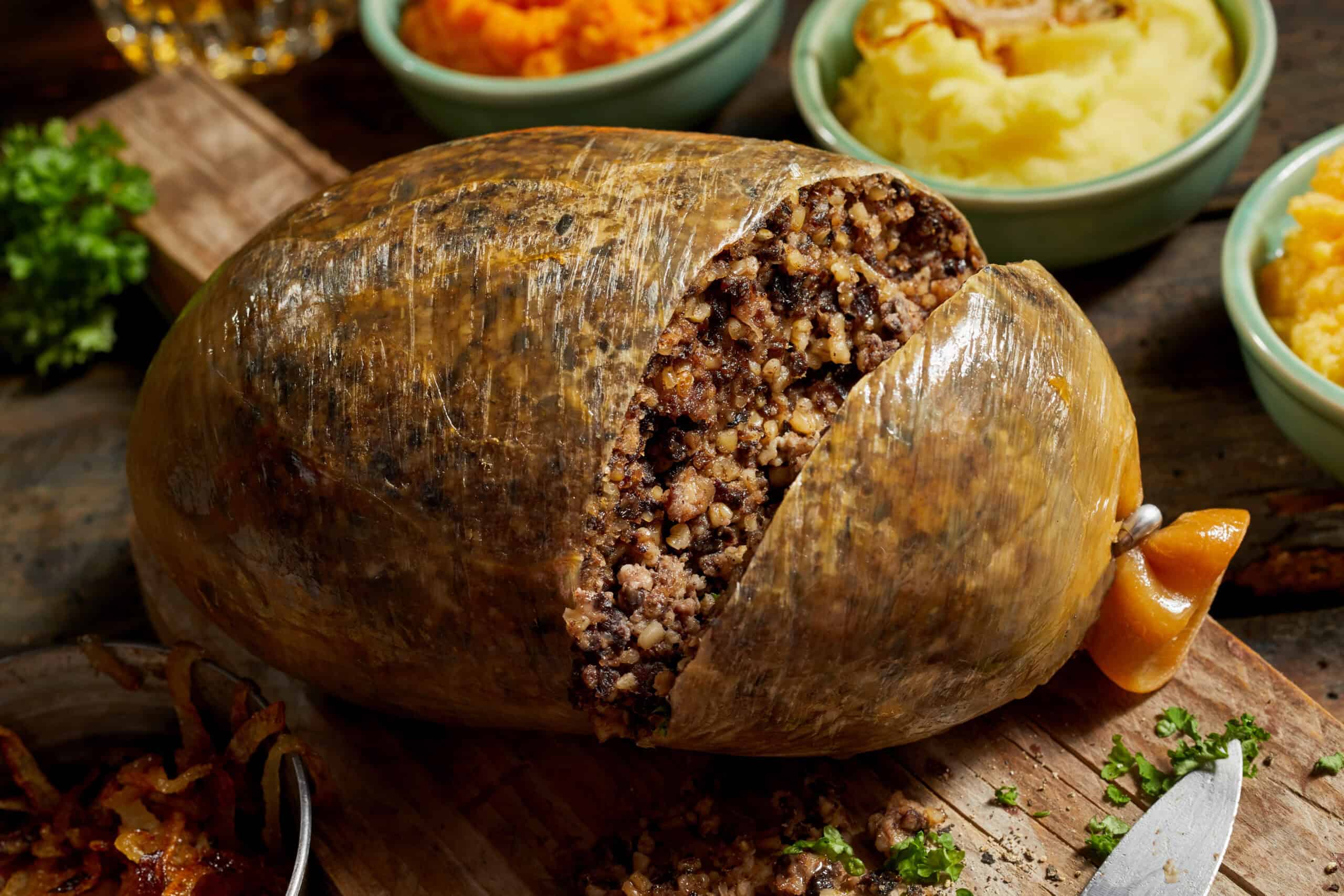
Haggis, a savory Scottish pudding, melds meat with oatmeal, onions, and a blend of spices, and while traditionally encased in a sheep’s stomach, modern versions often use synthetic casings.
Although it might not be the belle of the culinary ball in terms of looks, haggis brings a rich, peppery flavor that has secured its place at the heart of Scottish cuisine. Far from a mythical Highland creature, this versatile dish has ancient roots and is enjoying a renaissance, finding new life in innovative recipes from haggis-stuffed chicken to whimsical haggis-topped nachos.