

Remember when Pittsburgh was just that gritty steel town your grandparents talked about? Those days are long gone. The city that once forged America’s industrial backbone has engineered perhaps the most remarkable urban transformation of the 21st century, turning abandoned mills into innovation hubs and smoke-filled skies into a canvas for one of America’s most dramatic cityscapes.
A Renaissance Three Rivers in the Making
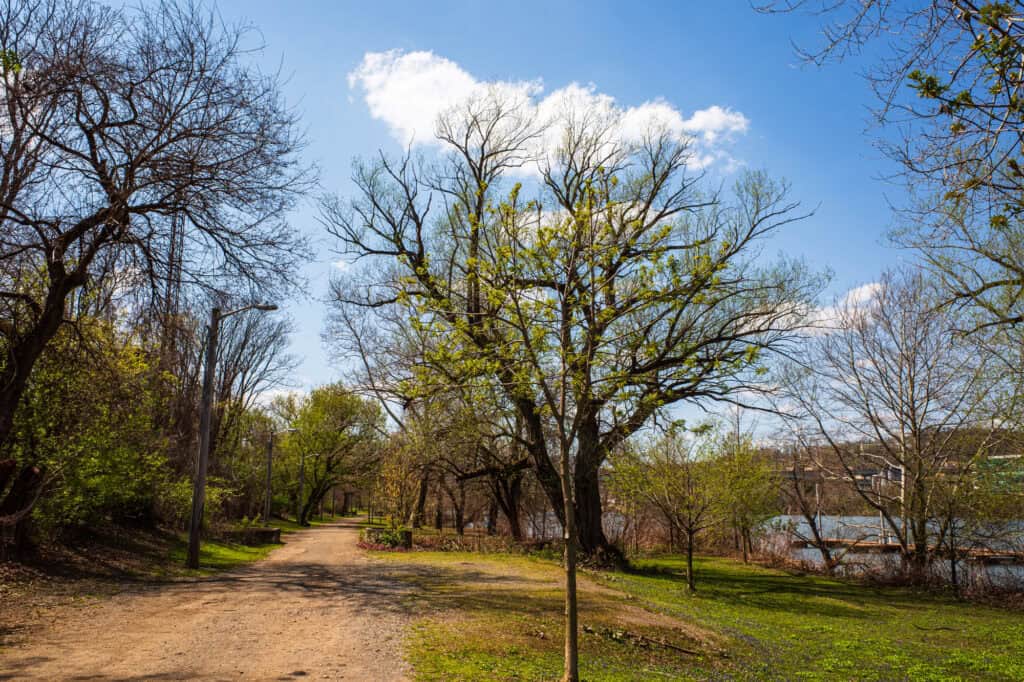
The three rivers that once carried barges of coal and steel now reflect a skyline that tells a different story. Pittsburgh has emerged as one of America’s most unexpected cultural destinations, with its riverfront transformation leading the charge. The 24-mile Three Rivers Heritage Trail system has replaced industrial wasteland with cycling paths and public art installations, while former mill sites have become waterfront parks where food festivals and outdoor concerts draw crowds that would have been unimaginable a generation ago.
The city’s reinvention isn’t just cosmetic. Those mighty rivers – the Allegheny, Monongahela, and Ohio – now host kayakers and river cruises instead of coal barges. Weekend warriors paddle past Point State Park, where the rivers meet in a fountain display that’s become the city’s new iconic image, replacing the belching smokestacks of old.
From Steel Mills to Silicon Valley East
Perhaps the most dramatic transformation has occurred in the East End, where Carnegie Mellon University’s robotics program has birthed a tech ecosystem that’s drawing global attention. The city has attracted major investments from tech giants like Google, Apple, and Uber, all drawn by the combination of world-class research facilities and a quality of life that makes Silicon Valley veterans do a double-take at their cost of living.
The former Homestead Steel Works, once the largest steel mill in the world, is now home to The Waterfront, a sprawling complex of shops, restaurants, and entertainment venues. But it’s not just about retail therapy – the site preserves elements of its industrial heritage, including the dramatic steel-girded Hot Metal Bridge, now carrying cyclists instead of molten steel.
A Museum Scene That Rivals Europe’s
Pittsburgh’s cultural offerings have always punched above their weight, but recent years have seen them soar to new heights. The Andy Warhol Museum, the largest single-artist museum in North America, celebrates the city’s native son with seven floors of pop art brilliance. The Carnegie Museums, founded by industrialist Andrew Carnegie, continue to expand their world-class collections.
But it’s the newer additions that really turn heads. The Mattress Factory, housed in a former mattress warehouse, has become an internationally renowned installation art space. The Children’s Museum of Pittsburgh has merged with the former Carnegie Free Library to create MuseumLab, an innovative space where kids and technology intersect in ways that would make Mr. Rogers – another Pittsburgh icon – proud.
A Food Scene That’s Cooking with Gas
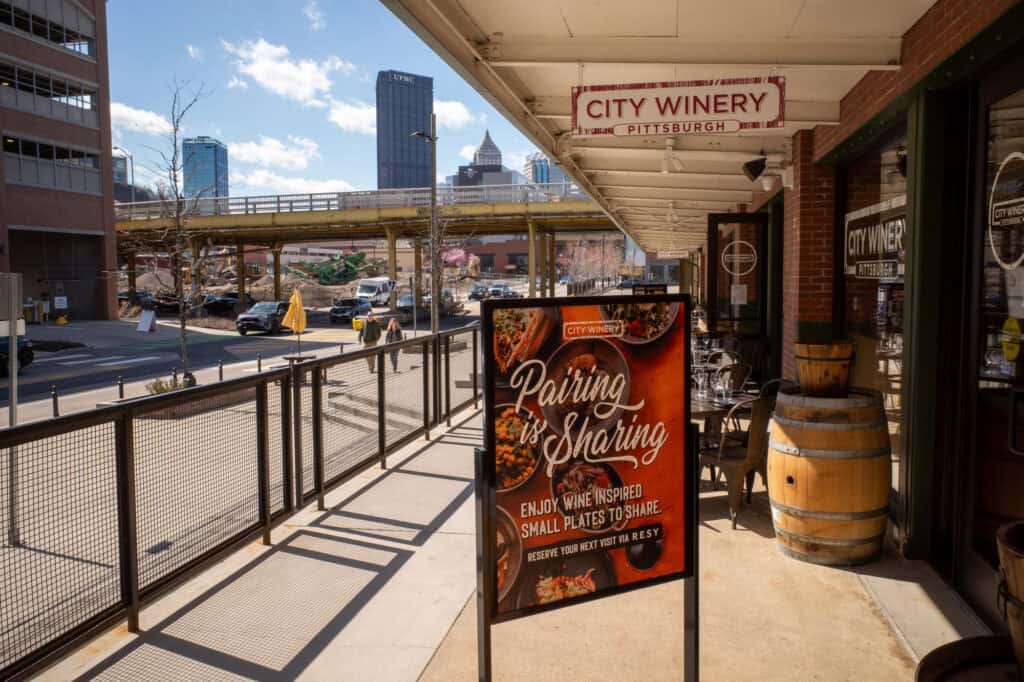
I’ve watched Pittsburgh’s culinary transformation firsthand, and it’s nothing short of remarkable. The Strip District, once purely a wholesale food market, has evolved into a gourmand’s paradise where old-school Italian grocers share blocks with trendy food halls and craft breweries. Yet somehow, the neighborhood has managed to retain its authenticity – you can still get the city’s best pierogi alongside your craft cocktail.
The city’s signature sandwich – Primanti Brothers’ french-fry-stuffed behemoth – now shares the spotlight with James Beard-nominated restaurants and innovative food concepts that would feel at home in Brooklyn or San Francisco. But unlike those cities, here you can actually afford to eat out regularly.
The Secret Ingredient: Authenticity
What makes Pittsburgh’s transformation so compelling isn’t just the physical changes – it’s how the city has managed to reinvent itself without losing its soul. The steel workers’ ethic of hard work and no-nonsense authenticity remains, even as robot companies replace steel mills and tech workers fill the converted warehouses.
Neighborhoods like Lawrenceville, once working-class havens, now host art galleries and craft breweries alongside longtime residents who remember when the streets were lit by mill fire. This mix of old and new, gritty and polished, is what gives Pittsburgh its unique character and makes it more than just another urban renewal success story.
The city’s transformation offers a blueprint for other Rust Belt cities, proving that industrial heritage and innovation can coexist, creating something entirely new and authentically American. For travelers seeking something beyond the usual urban destinations, Pittsburgh offers a refreshing alternative – a city that’s both proud of its past and excited about its future.