

Remember when history class meant dusty textbooks and memorizing dates? Forget all that. These American cities don’t just preserve their history—they live it. From cobblestone streets that have witnessed centuries of footsteps to taverns where you can still raise a glass in the same spot as our Founding Fathers, these destinations prove that the past isn’t just another country—it’s right here in our backyard.
Williamsburg, Virginia
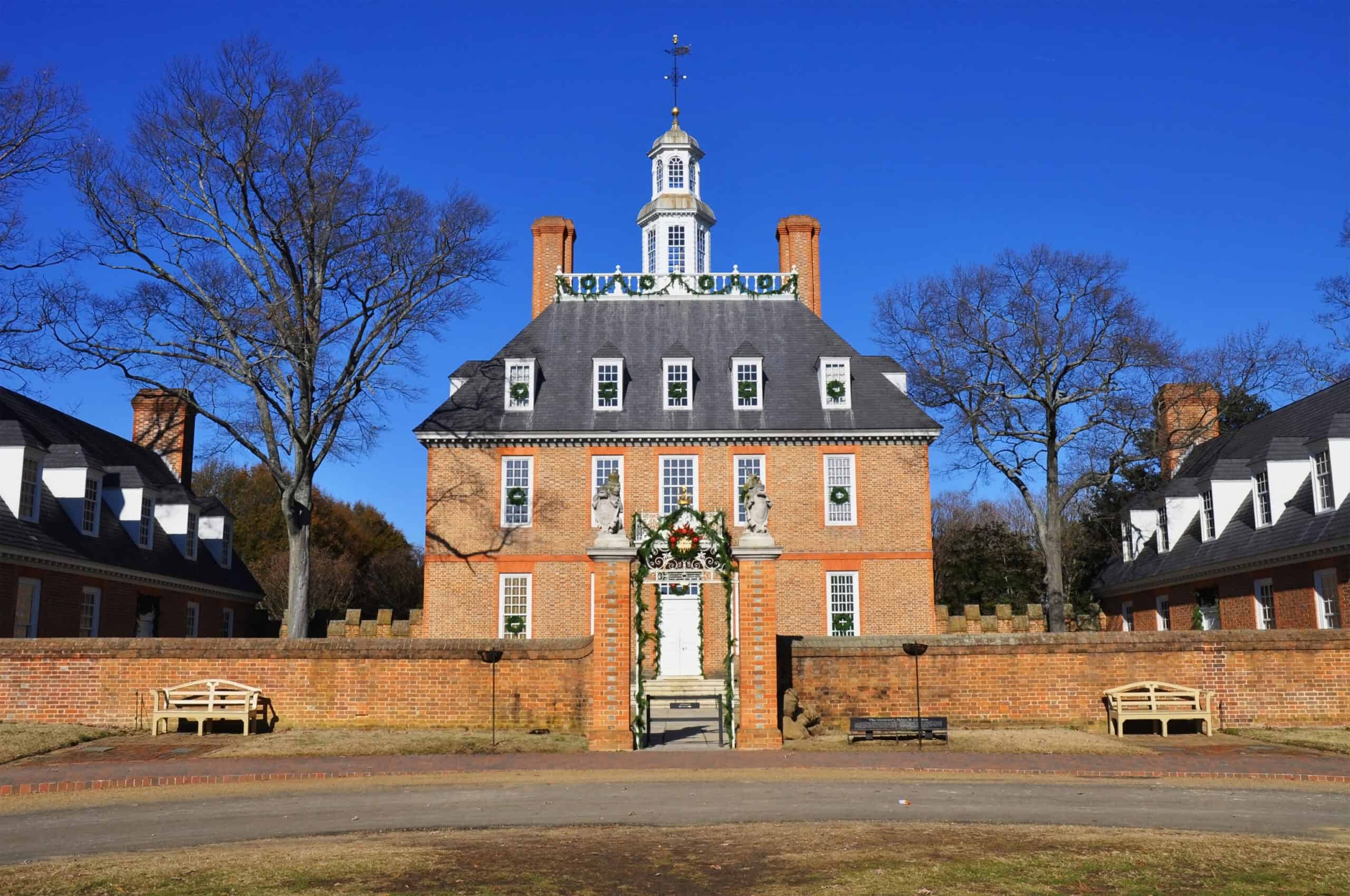
Step into the world’s largest living history museum, where the year is perpetually 1775 and revolution is in the air. Colonial Williamsburg’s historic area hums with the activity of craftsmen, shopkeepers, and political figures in period-perfect costume, while the aroma of fresh-baked bread wafts from the colonial bakery. Here, even the horses are historically accurate breeds, and the gardens grow the same heirloom vegetables that fed Thomas Jefferson.
St. Augustine, Florida
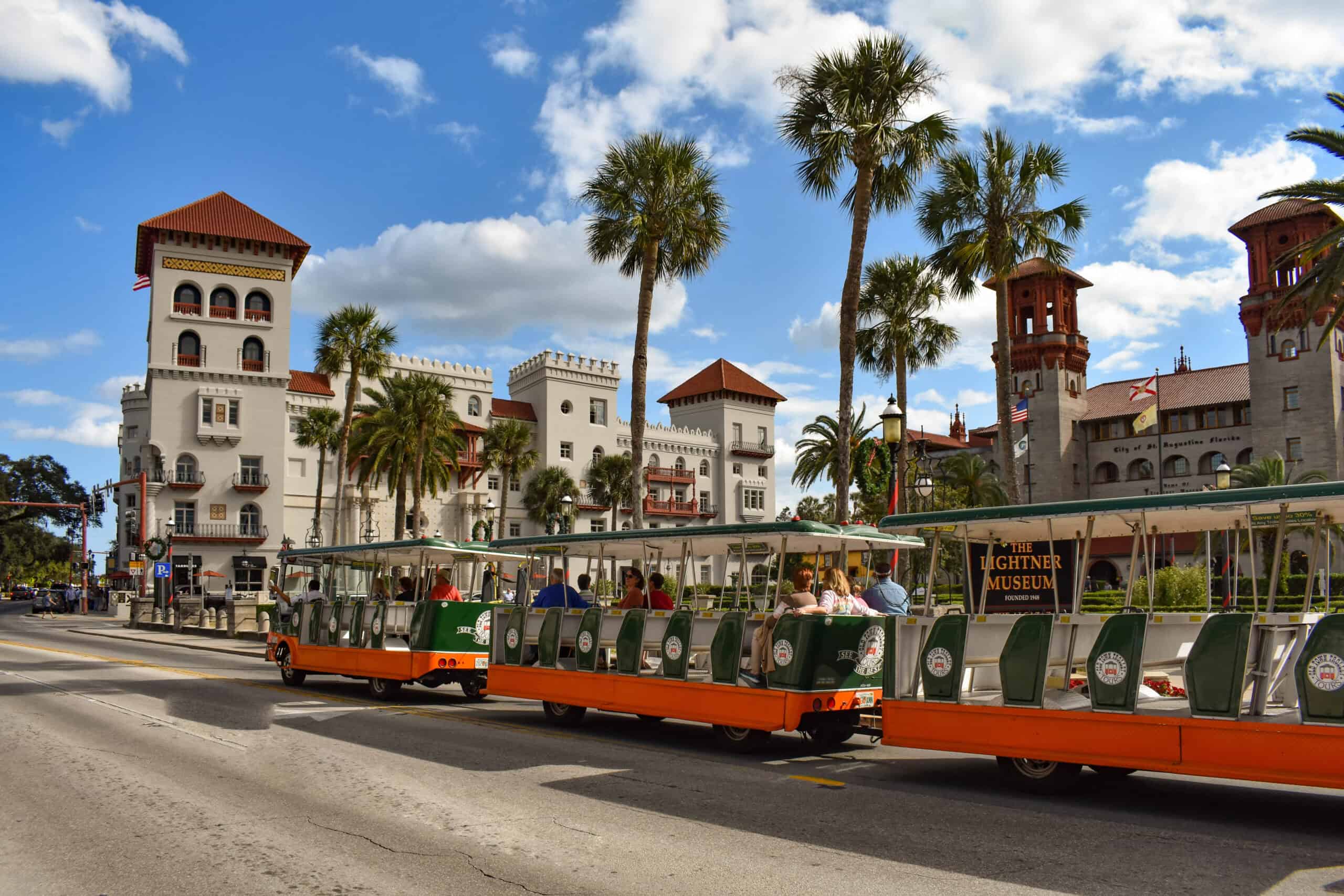
America’s oldest city feels more like a slice of Spain dropped onto Florida’s coast. The massive Castillo de San Marcos, built in 1672, still stands guard over narrow streets where Spanish colonial architecture houses chocolate shops and cafes. At night, ghost tours wind through lamp-lit streets while the sound of flamenco guitar drifts from courtyard restaurants that have been serving sangria for centuries.
Deadwood, South Dakota
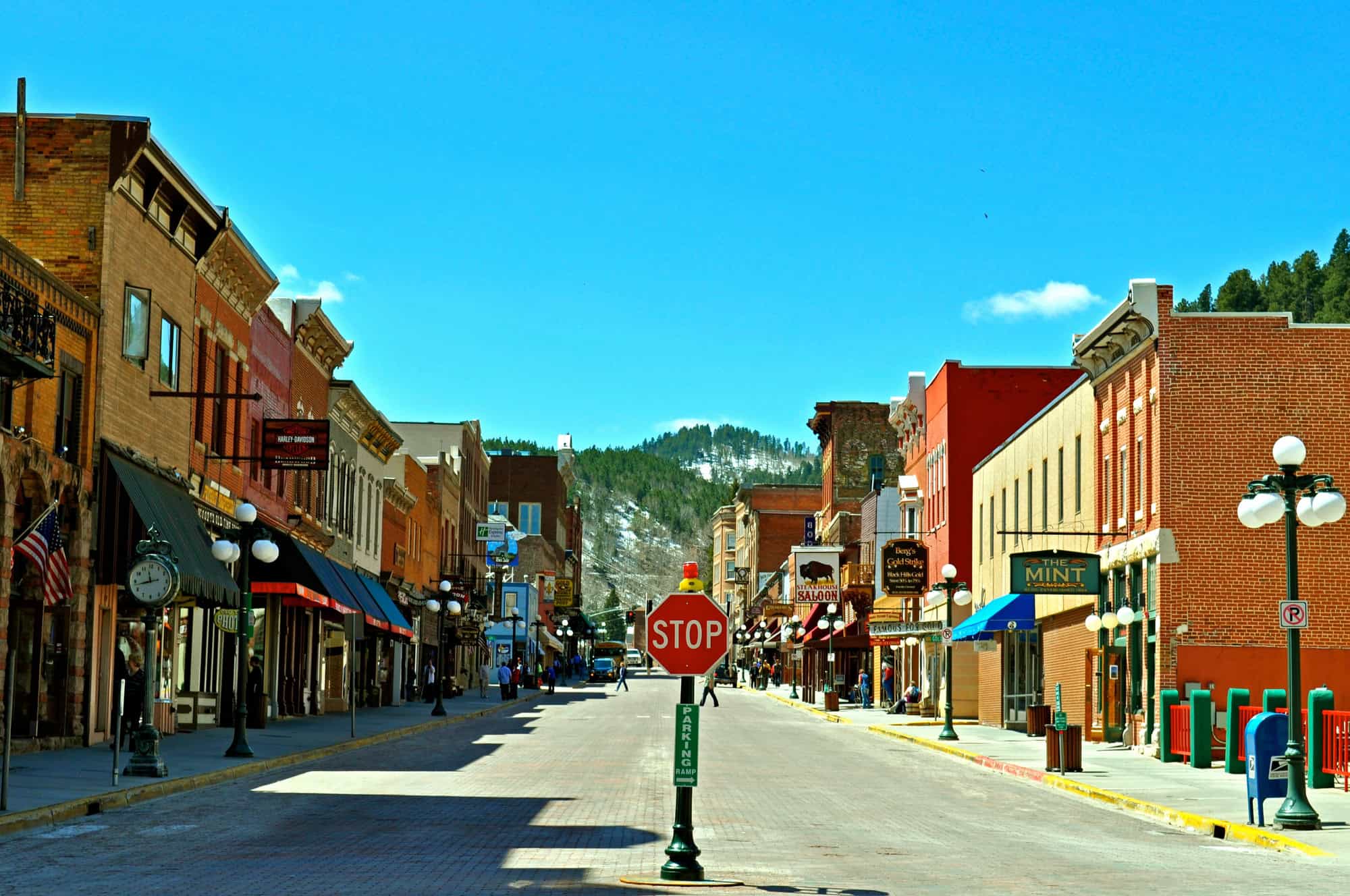
The Wild West isn’t dead—it’s alive and kicking in this Black Hills gold rush town where Wild Bill Hickok played his last poker hand. Main Street’s original 1876 architecture houses saloons and gaming halls that still ring with the sound of poker chips, while daily reenactments bring shootouts back to life. Mount Moriah Cemetery, known as “Boot Hill,” tells the real stories of the legendary characters who shaped the American frontier.
Boston, Massachusetts
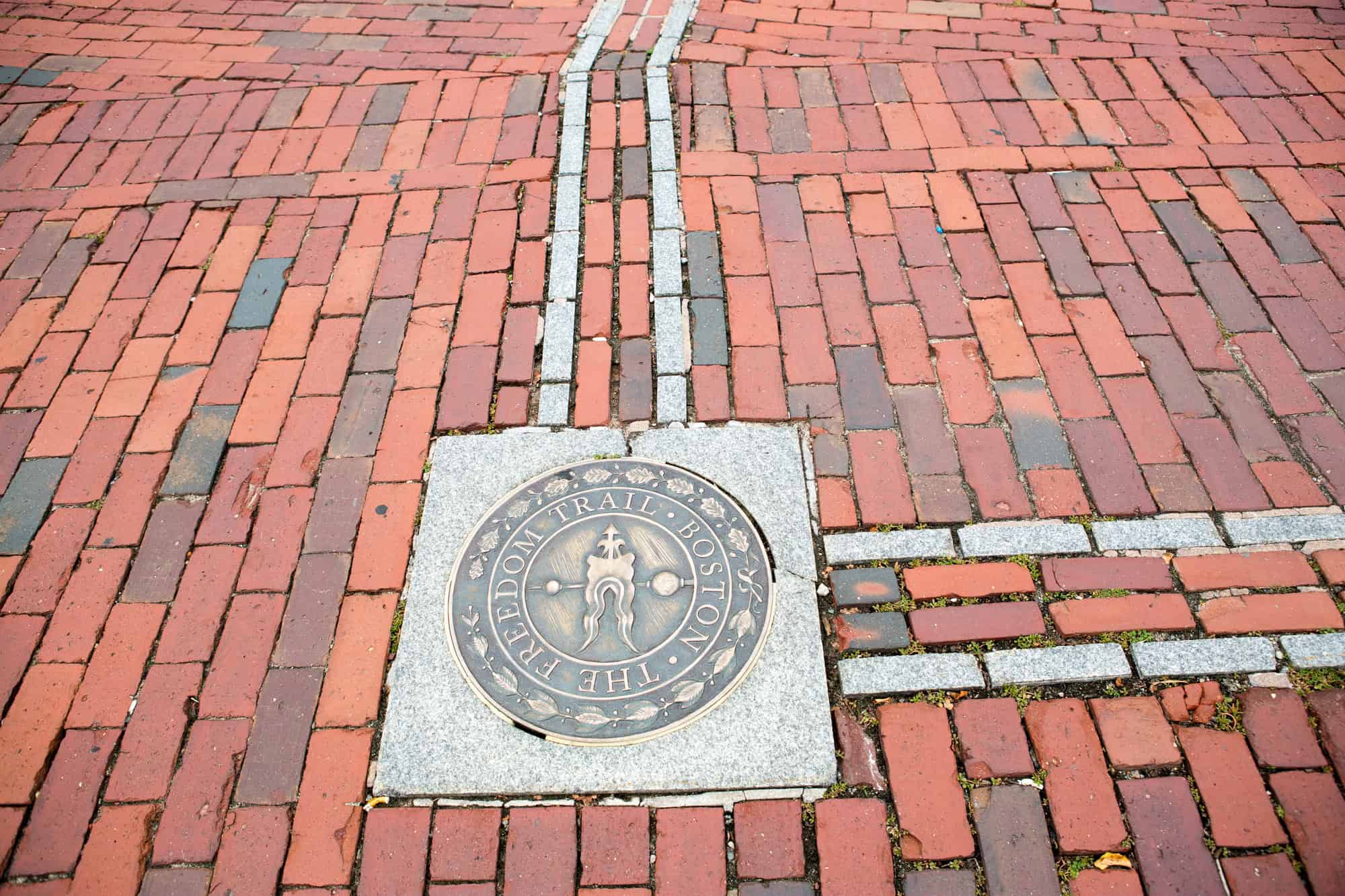
Follow the red-brick line of the Freedom Trail through America’s Revolution, where every corner tells a story of rebellion and independence. The same wooden pews where Paul Revere once sat still fill Old North Church, while Faneuil Hall’s upper floor remains exactly as it was when Adams and Hancock debated liberty. Local vendors at Quincy Market still serve clam chowder from centuries-old recipes passed down through generations.
Charleston, South Carolina

In the Holy City, history whispers from every wrought-iron gate and rainbow-colored Georgian townhouse. Horse-drawn carriages still clip-clop down cobblestone streets lined with pre-Revolutionary homes, while sweet grass basket weavers practice their centuries-old craft in the Charleston City Market. The scent of Carolina Gold rice and Lowcountry boil still wafts from restaurant kitchens where traditional Gullah cooking techniques reign supreme.
Savannah, Georgia

Spanish moss drapes like lace curtains over Savannah’s famous squares, where time moves as slowly as molasses in January. The city’s grid system, laid out in 1733, remains unchanged, while architectural gems from every era stand shoulder to shoulder along Bull Street. In Bonaventure Cemetery, ancient oak trees guard elaborate Victorian monuments that inspired Midnight in the Garden of Good and Evil.
New Orleans, Louisiana

The French Quarter’s three-hundred-year-old streets pulse with the same jazz rhythms that birthed American music. Behind the iconic wrought-iron balconies, centuries-old courtyards hide secret gardens where bartenders mix Sazeracs exactly as they were invented in 1838. At Café du Monde, powdered sugar still dusts the air as it has since before the Civil War, while streetcars rumble down St. Charles Avenue past mansions that have seen it all.
Santa Fe, New Mexico

America’s oldest capital city showcases 400 years of history in its adobe walls and narrow streets. The Palace of the Governors, the nation’s oldest public building, still hosts Native American artisans selling traditional silver and turquoise jewelry under its portal. Inside centuries-old mission churches, the air is heavy with pinon incense, while the plaza remains the heart of a city where three cultures have mingled for centuries.
Salem, Massachusetts
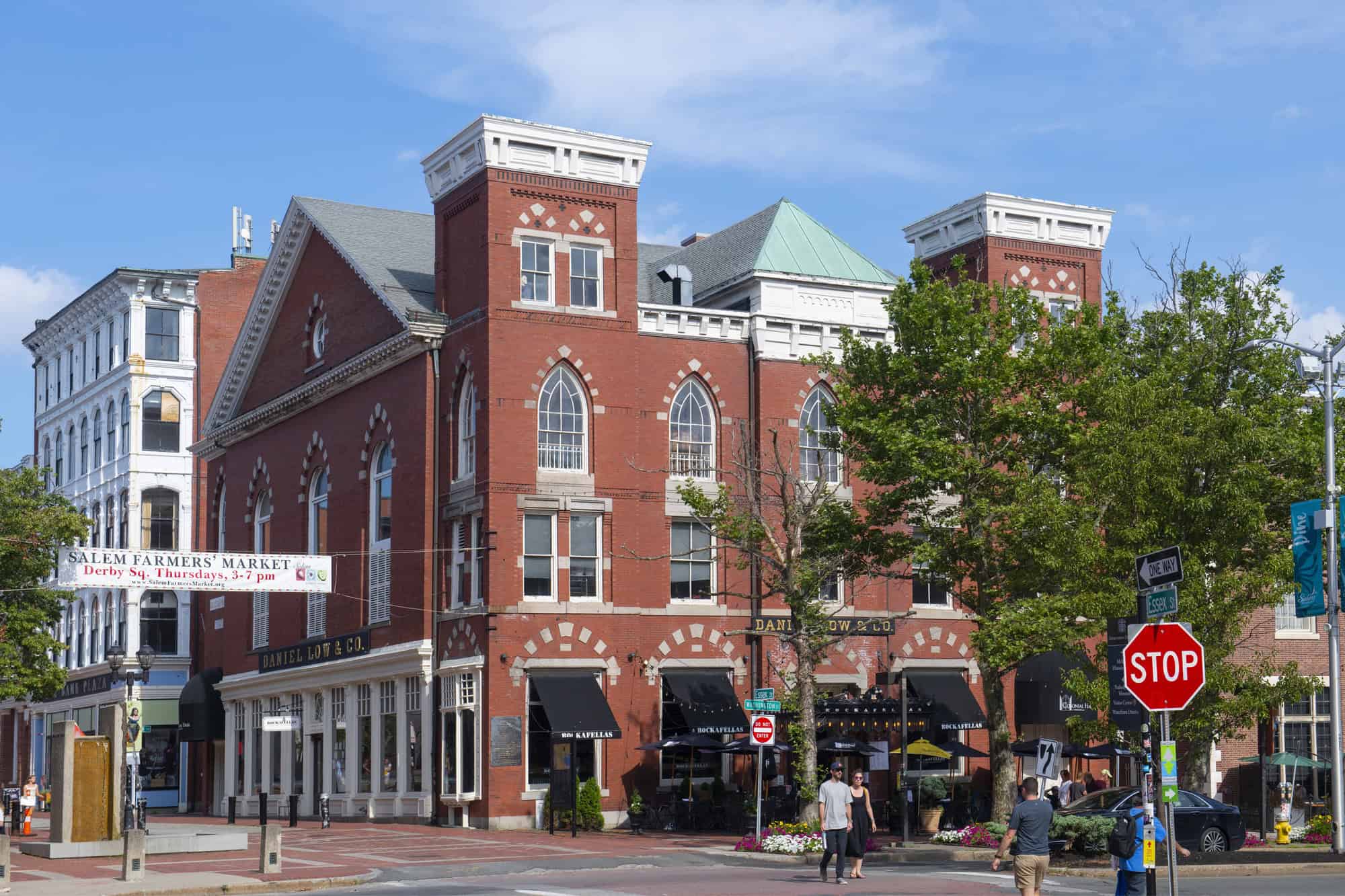
More than just witch trials, Salem’s centuries-old streets tell stories of maritime trade and early American prosperity. The House of Seven Gables, immortalized by Nathaniel Hawthorne, still creaks with colonial-era charm, while the Peabody Essex Museum houses treasures from Salem’s days as America’s richest port. Along Derby Wharf, the tall ship Friendship recalls when Salem’s merchant fleet sailed to exotic ports across the globe.
Gettysburg, Pennsylvania
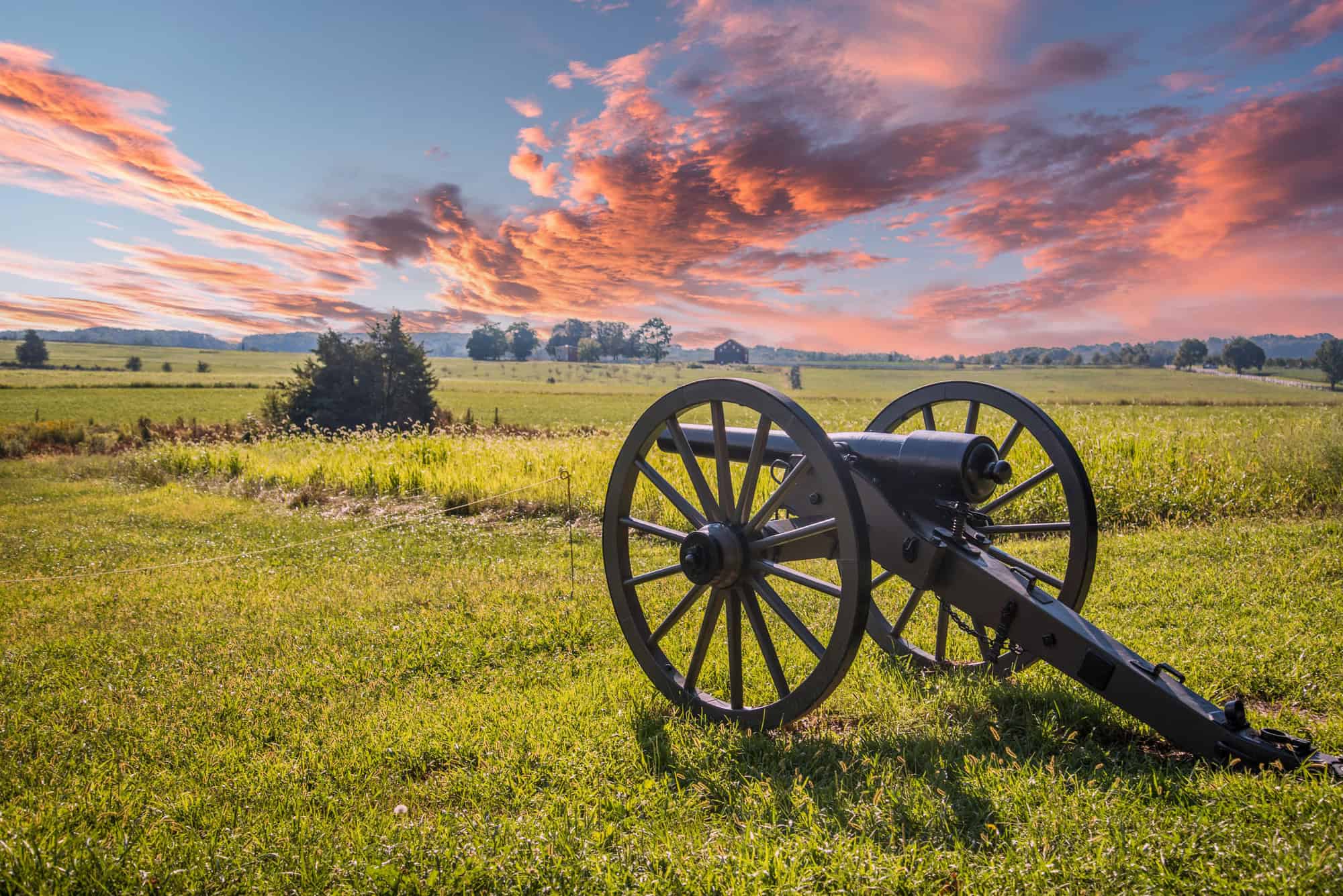
The weight of history hangs heavy over these Pennsylvania fields where America’s future was decided in three bloody days. Downtown, many buildings still bear bullet holes from 1863, while period-accurate inns serve Civil War-era recipes. At sunset, the battlefield monuments cast long shadows across preserved landscapes that look almost exactly as they did when Lincoln delivered his famous address.
Natchez, Mississippi
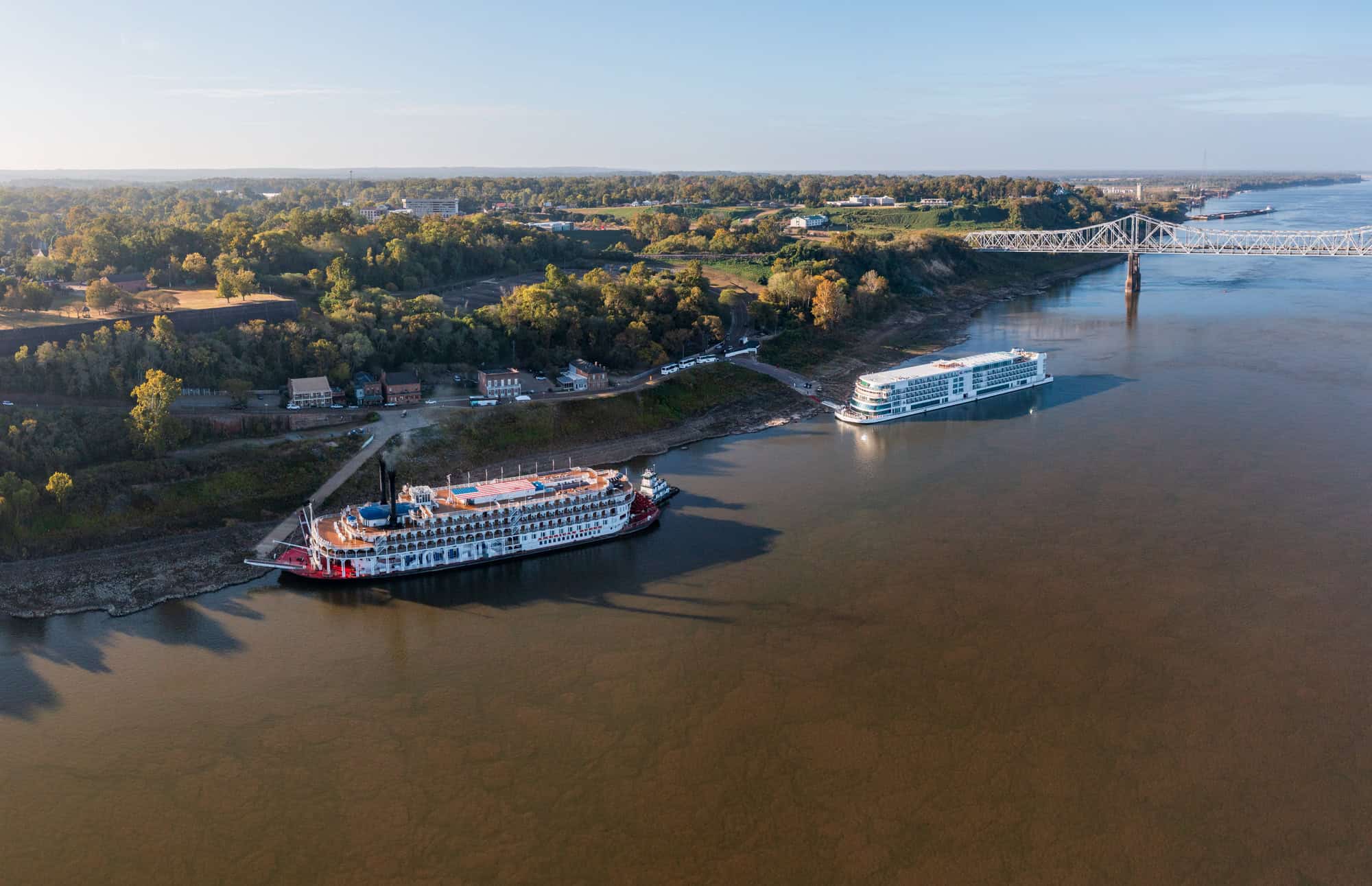
Perched high above the Mississippi River, Natchez boasts more antebellum homes than any other city in the South. These magnificent mansions, many still furnished with original pieces, tell complex stories of American prosperity and struggle. The Natchez Trace Parkway follows ancient Native American paths, while downtown, century-old restaurants still serve mint juleps on wraparound porches overlooking the mighty river.
Plymouth, Massachusetts
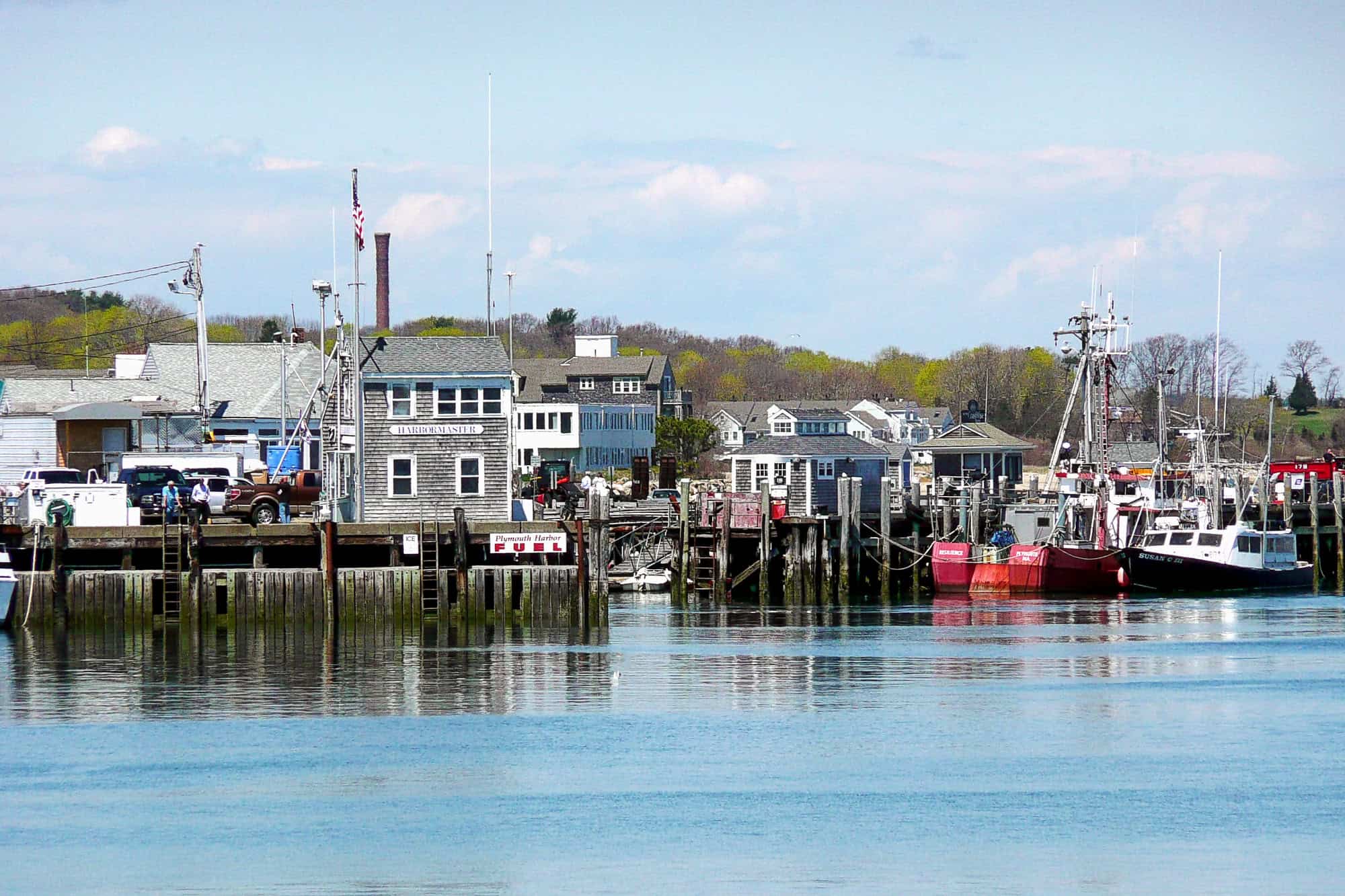
America’s hometown still embraces its role as the starting point of the Pilgrim story. The Mayflower II, a full-scale reproduction of the original ship, bobs in the harbor while costumed interpreters at Plimoth Patuxet Museums demonstrate 17th-century survival skills. Local restaurants serve traditional New England fare using authentic colonial cooking methods, connecting modern diners to America’s earliest European settlers.
Annapolis, Maryland
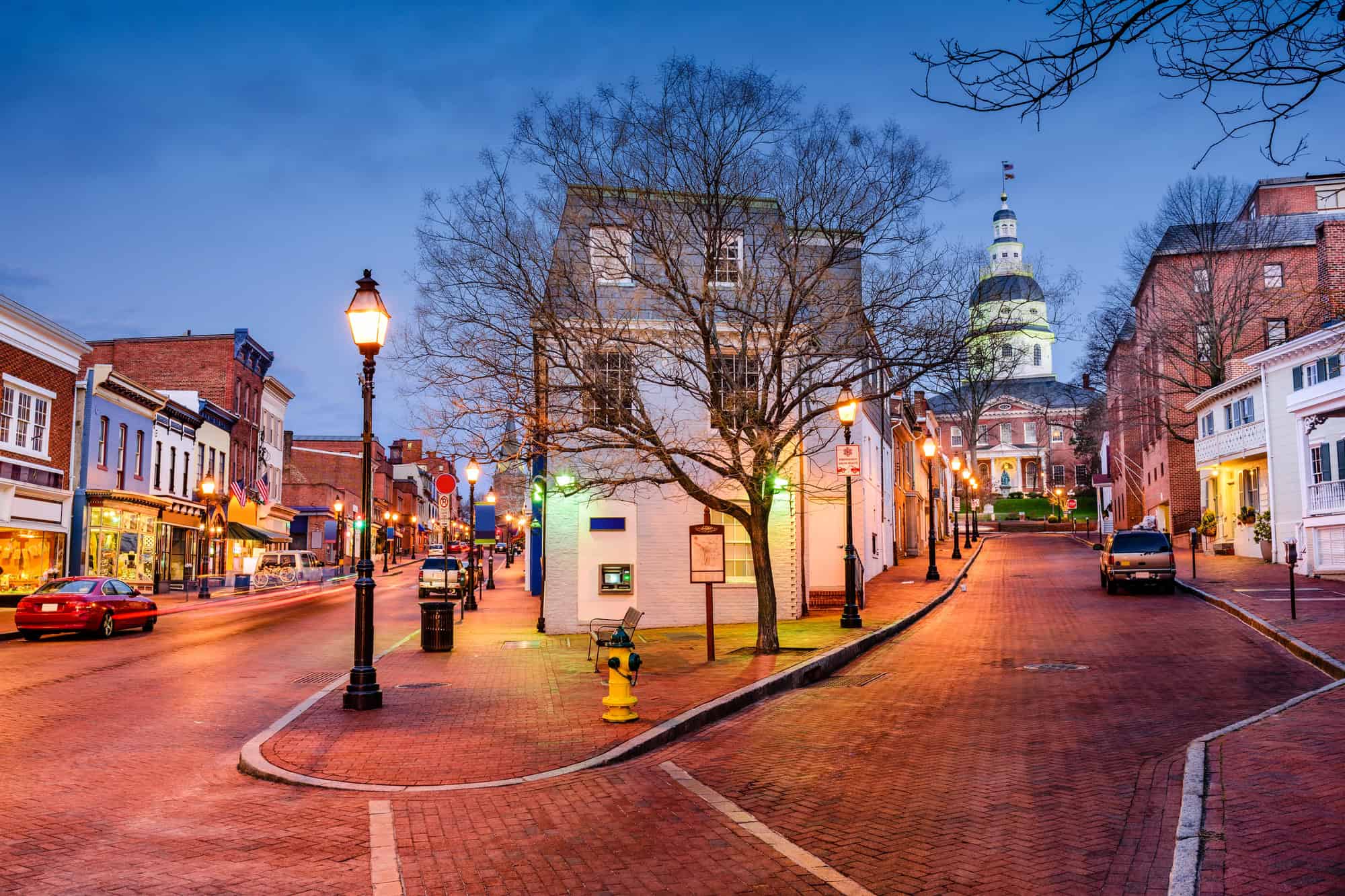
The nation’s sailing capital preserves its colonial charm in narrow streets that wind down to a historic harbor. The Maryland State House, the oldest still in legislative use, witnessed George Washington’s resignation as commander of the Continental Army. At the U.S. Naval Academy, centuries-old traditions continue while downtown taverns serve up crab cakes in buildings that hosted our founding fathers.
Taos, New Mexico
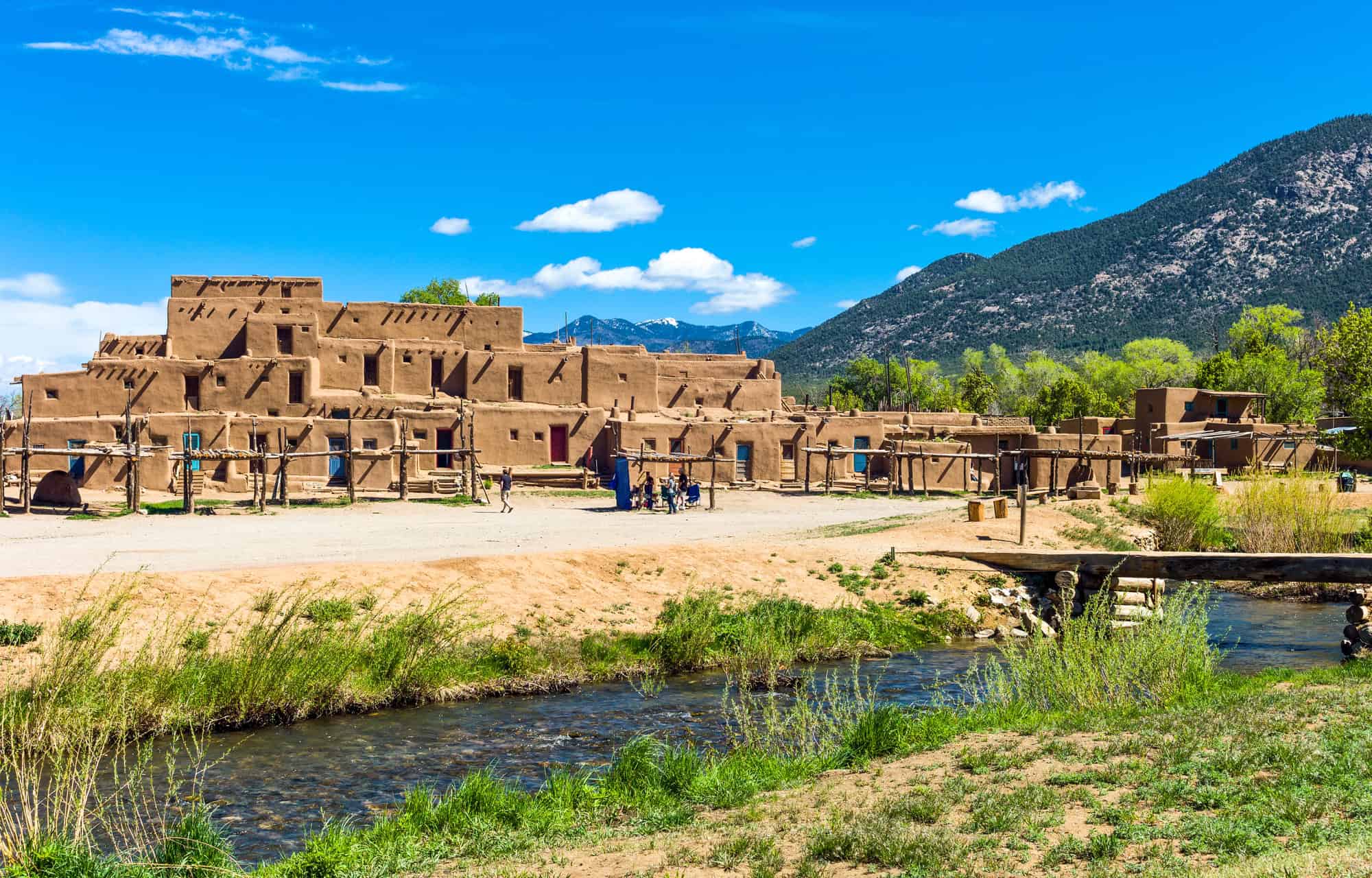
At Taos Pueblo, the multi-story adobe buildings have been continuously inhabited for over 1,000 years, making them the oldest continuously inhabited communities in the USA. The town’s historic plaza, surrounded by centuries-old adobe buildings, still serves as a gathering place for artists and locals. In traditional restaurants, the smell of roasting green chiles fills the air just as it has for generations.
Harpers Ferry, West Virginia
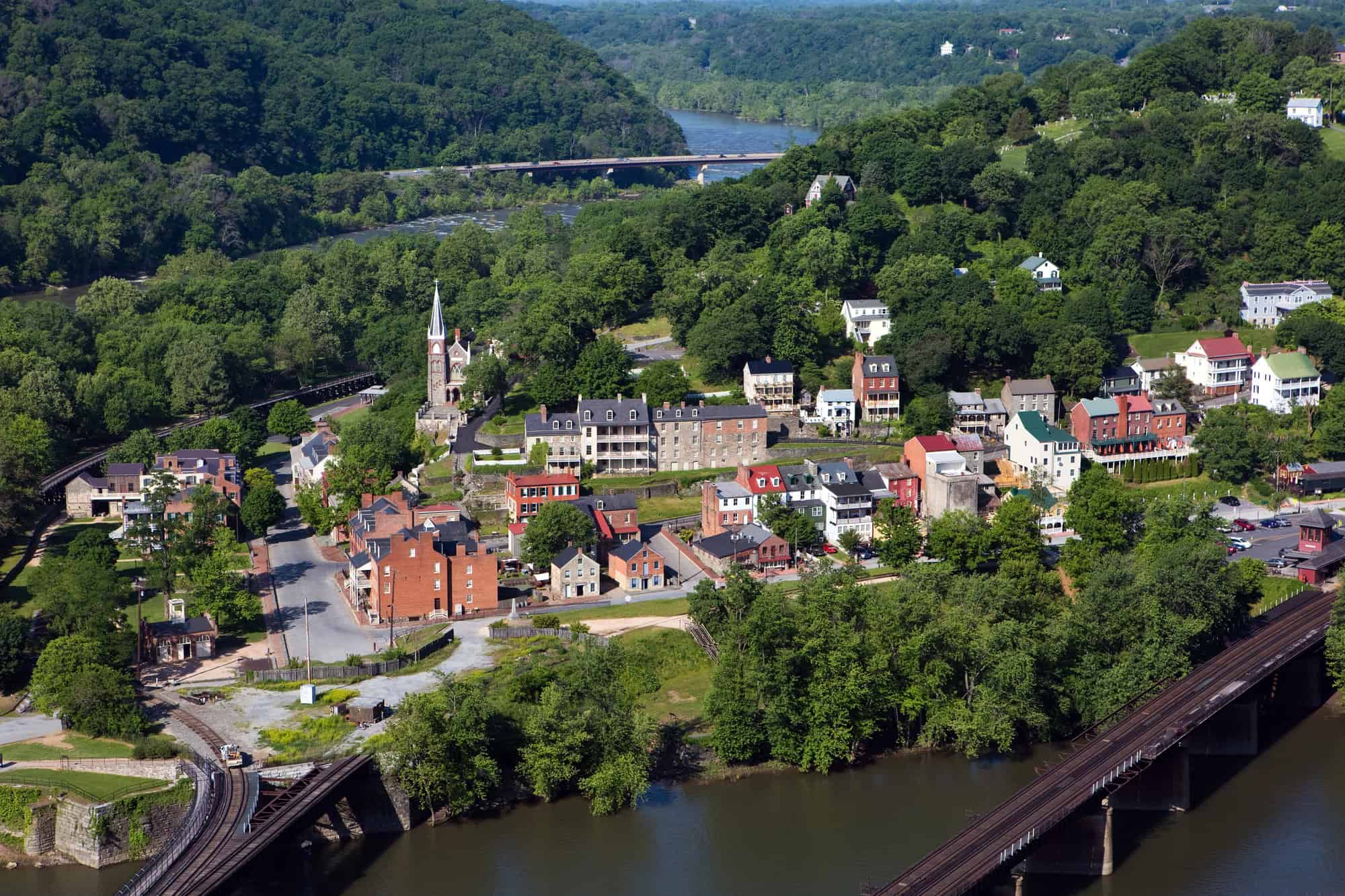
Where the Shenandoah meets the Potomac, this mountain town tells stories of John Brown’s raid, Civil War battles, and the industrial revolution. The lower town looks much as it did in 1859, with workshops and stores operating in restored 19th-century buildings. Walking the steep streets between restored structures, visitors experience the same views that inspired Thomas Jefferson to declare the spot “worth a voyage across the Atlantic.”