

Forget the crowded national parks – America’s national monuments hold some of our country’s most spectacular secrets. While tourists jostle for selfies at the Grand Canyon, savvy travelers are discovering these lesser-known treasures that offer jaw-dropping views without the tour bus crowds. From ancient dwellings to otherworldly landscapes, these hidden gems prove that sometimes the best adventures lie off the beaten path.
Devils Tower, Wyoming: Where Close Encounters Get Real
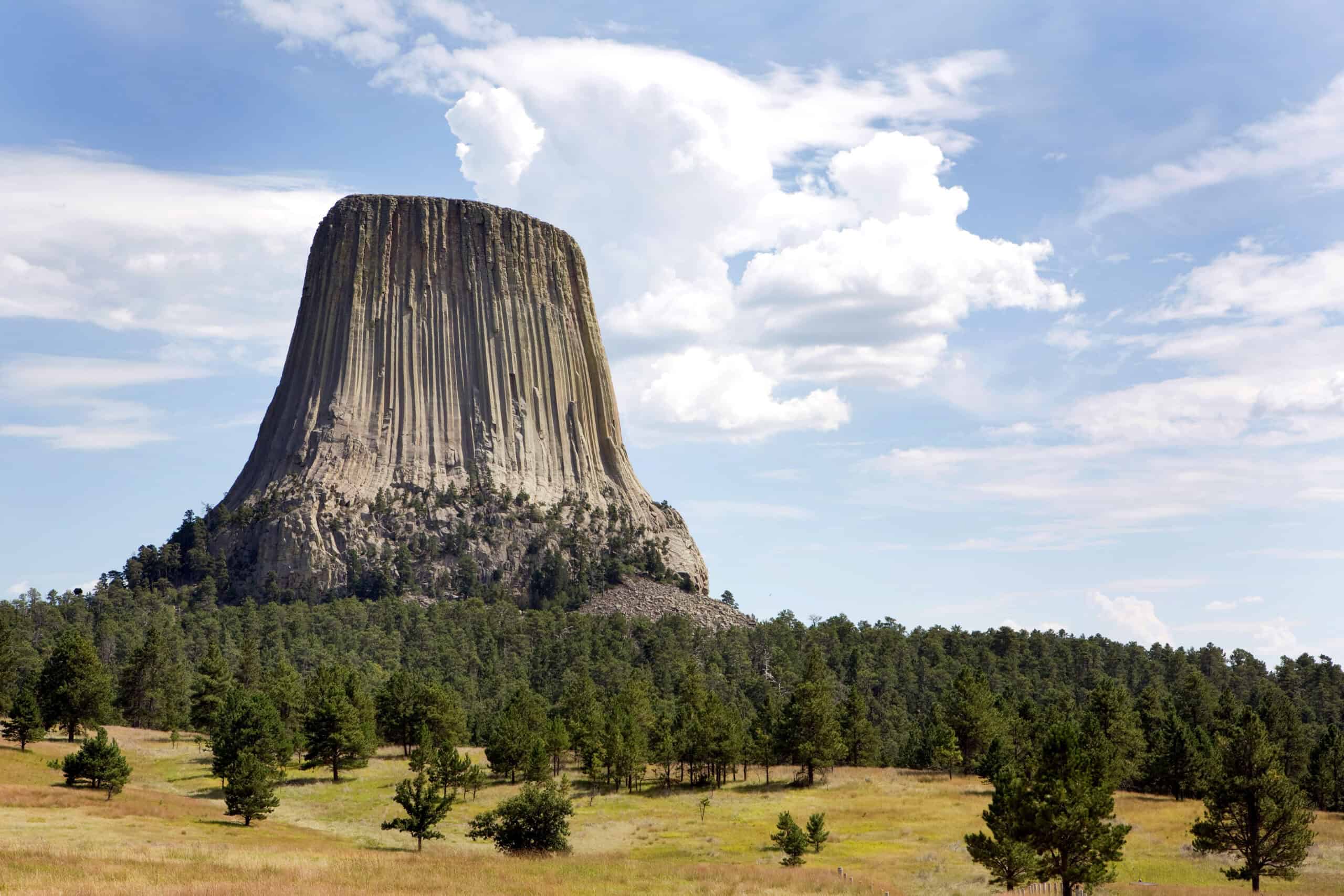
Rising 867 feet from the rolling prairie, this massive stone sentinel has been stopping travelers in their tracks since long before Steven Spielberg made it famous. Native Americans consider it sacred ground, while rock climbers view its columns as the ultimate challenge. Visit at sunrise when the morning light makes the tower glow like molten gold against the Wyoming sky.
Chiricahua, Arizona: The West’s Hidden Rock City
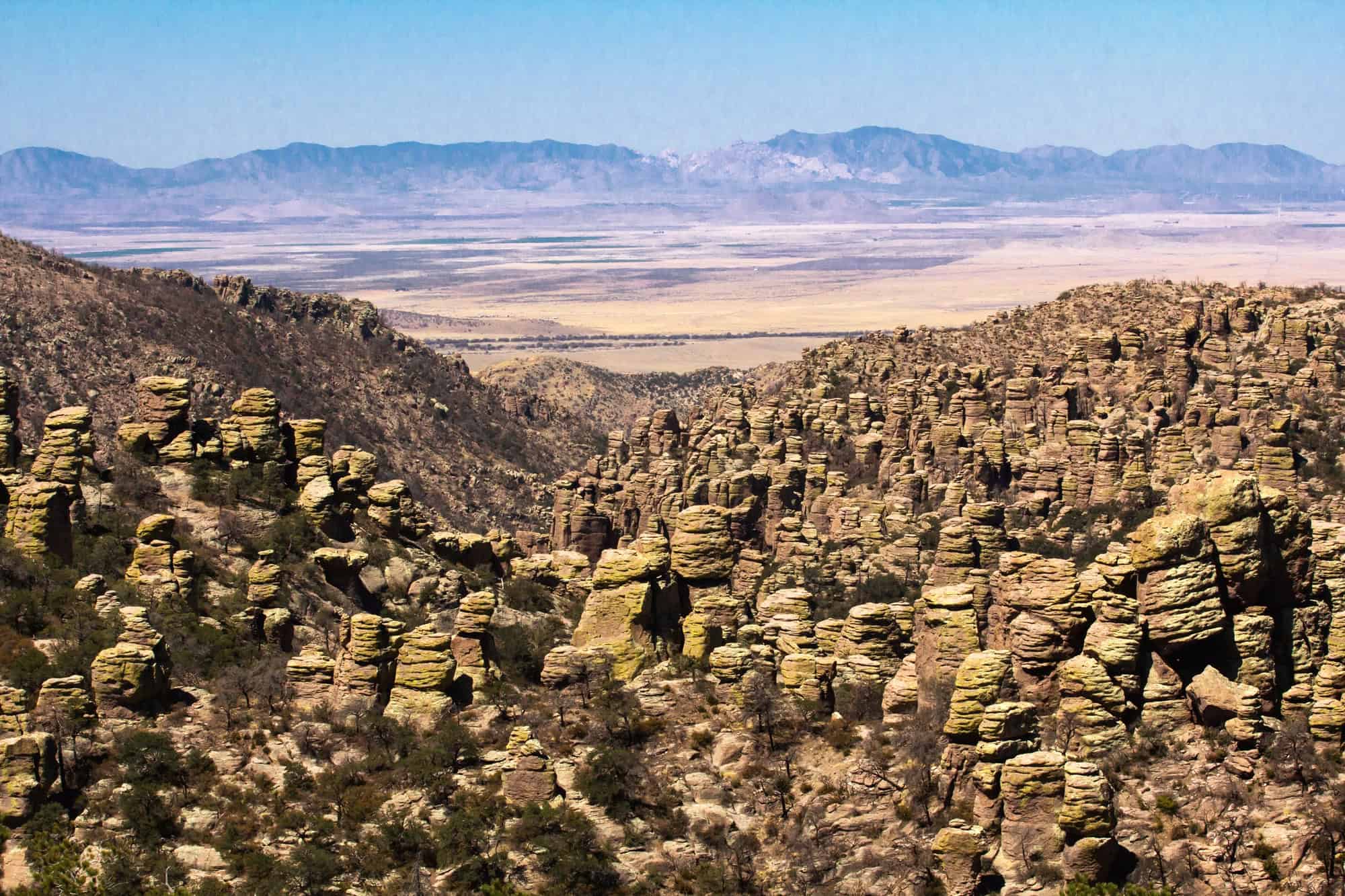
Imagine a city built by giants, with stone spires and balanced rocks that seem to defy gravity. The Chiricahua Mountains hide a wonderland of volcanic rock formations that early Spanish explorers called “Standing Up Rocks.” The 8-mile scenic drive reveals vistas that will have you questioning whether you’re still on Earth.
Organ Pipe Cactus, Arizona: The Desert’s Living Cathedral
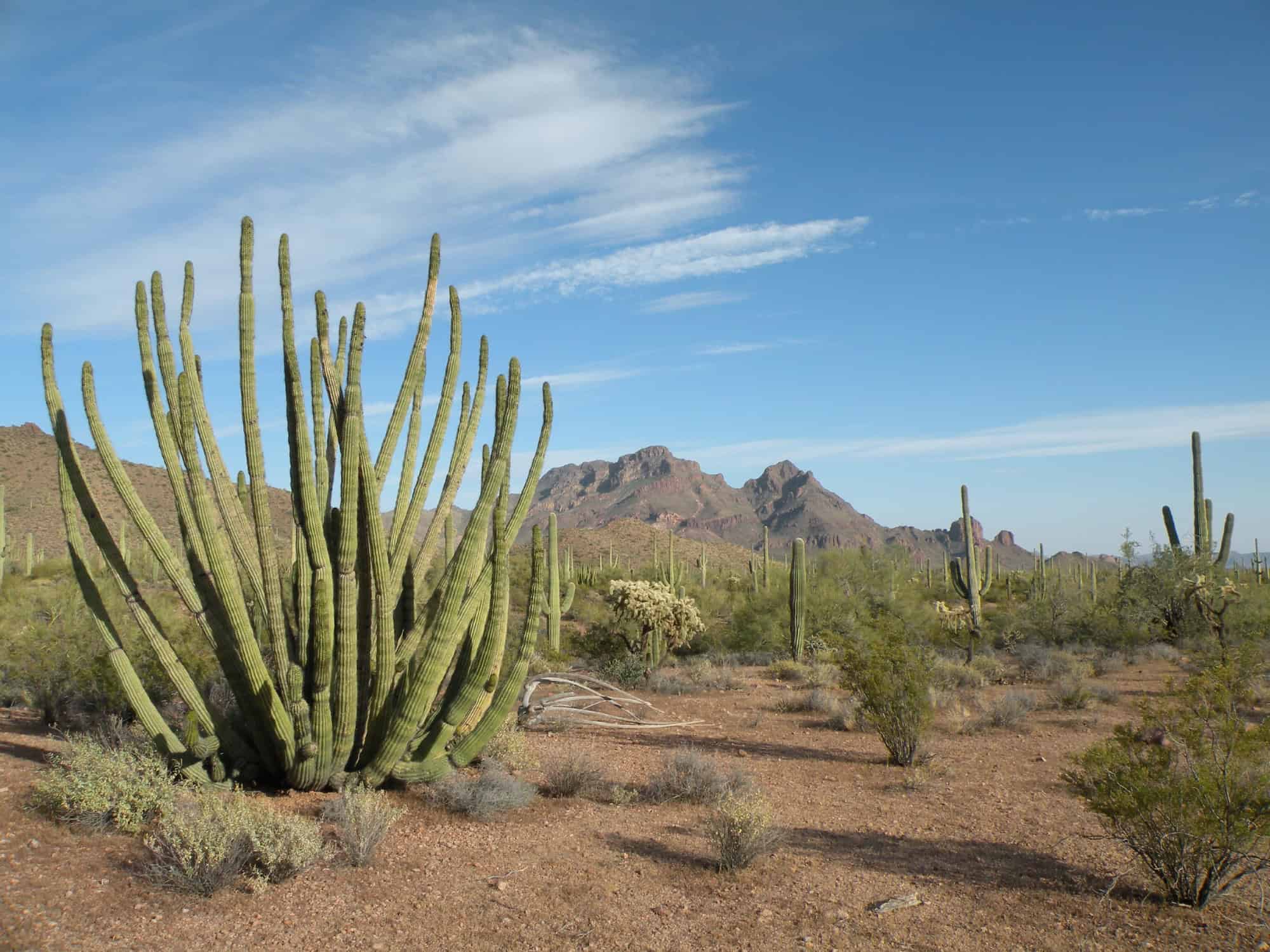
These majestic cacti, found nowhere else in America, rise like pipe organs in nature’s own desert symphony. The monument preserves the only large concentration of organ pipe cacti in the U.S., some reaching heights of 20 feet. Visit during sunrise or sunset when the golden light creates shadows between the “pipes” and brings out the desert’s hidden colors.
Bandelier, New Mexico: Ancient Cliffside Condos of the Southwest
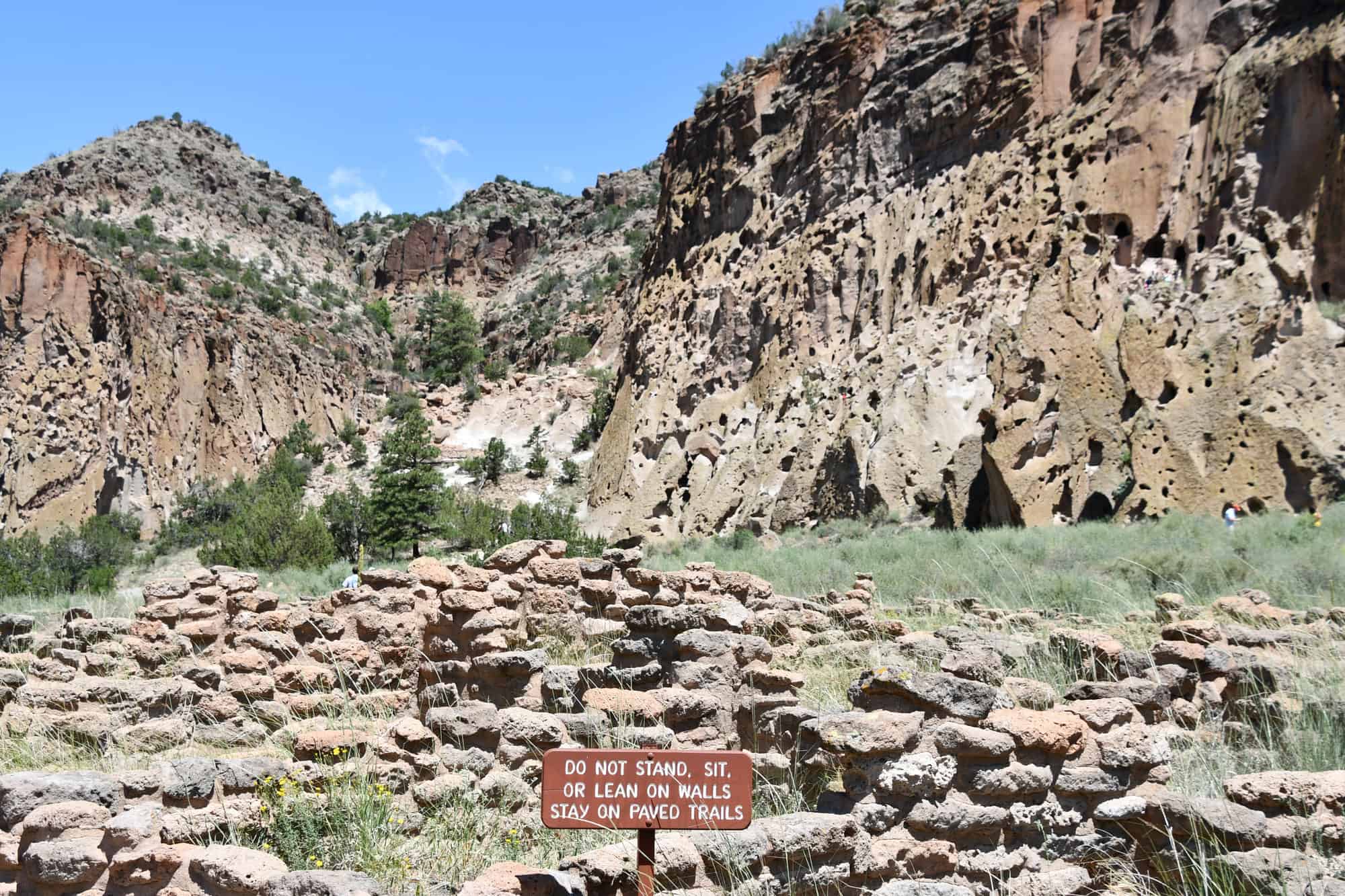
Long before high-rise apartments, ancestral Pueblo people carved their homes into these soft volcanic cliffs. Climb wooden ladders to peek into these ancient “condos,” where smoke-darkened ceilings still tell stories of long-ago fires. The main loop trail offers easy access to the most spectacular dwellings, while petroglyphs peek out from canyon walls like ancient graffiti.
Cedar Breaks, Utah: Bryce Canyon’s Quiet, Colorful Cousin
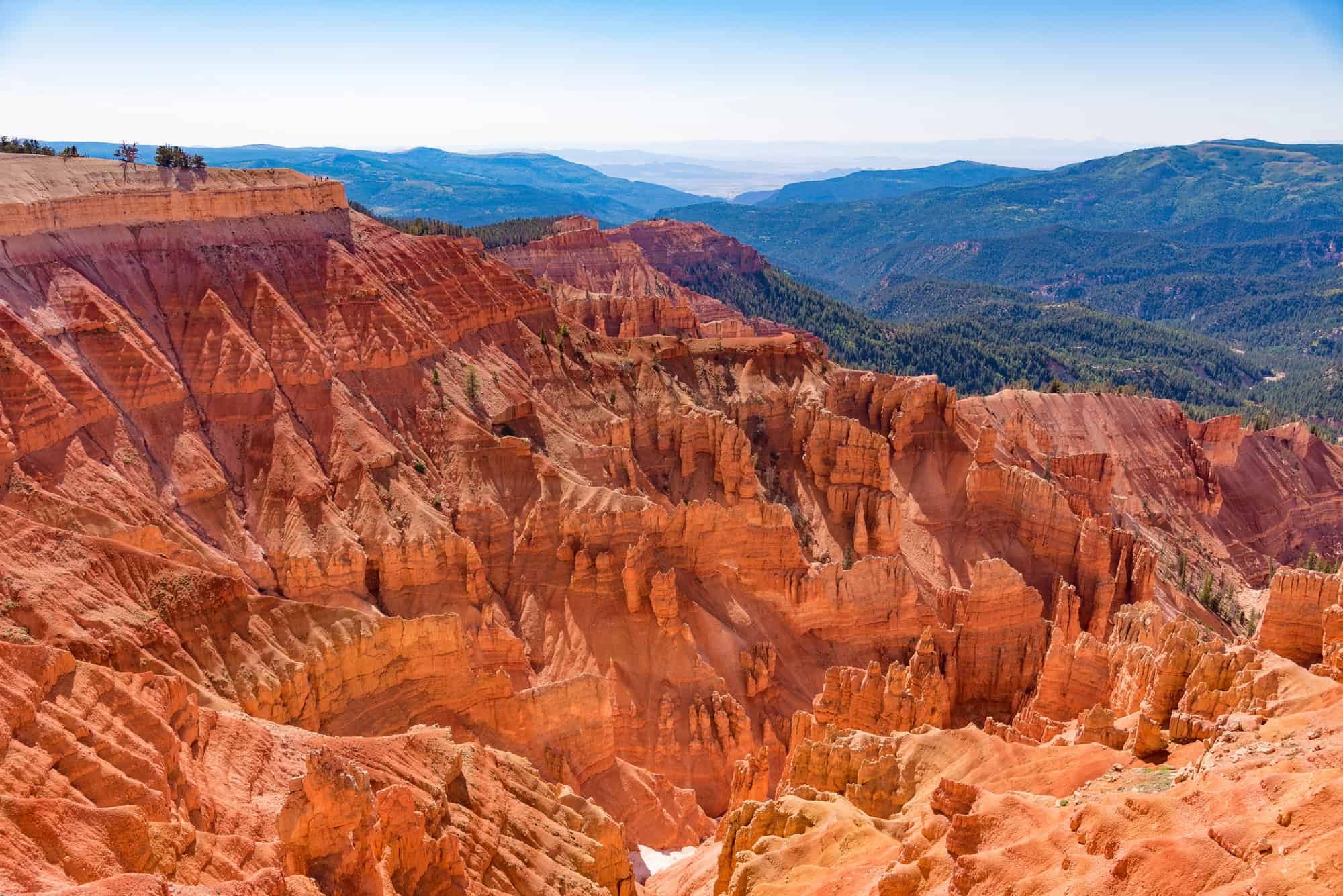
At 10,000 feet elevation, this natural amphitheater offers Bryce Canyon-style scenery without the crowds. The three-mile-wide cirque drops 2,000 feet, revealing layers of red, orange, and purple stone. Summer brings spectacular wildflower displays, while winter transforms the area into a peaceful snow-covered wonderland accessible only by cross-country skis or snowshoes.
Craters of the Moon, Idaho: America’s Strangest Lunar Landscape
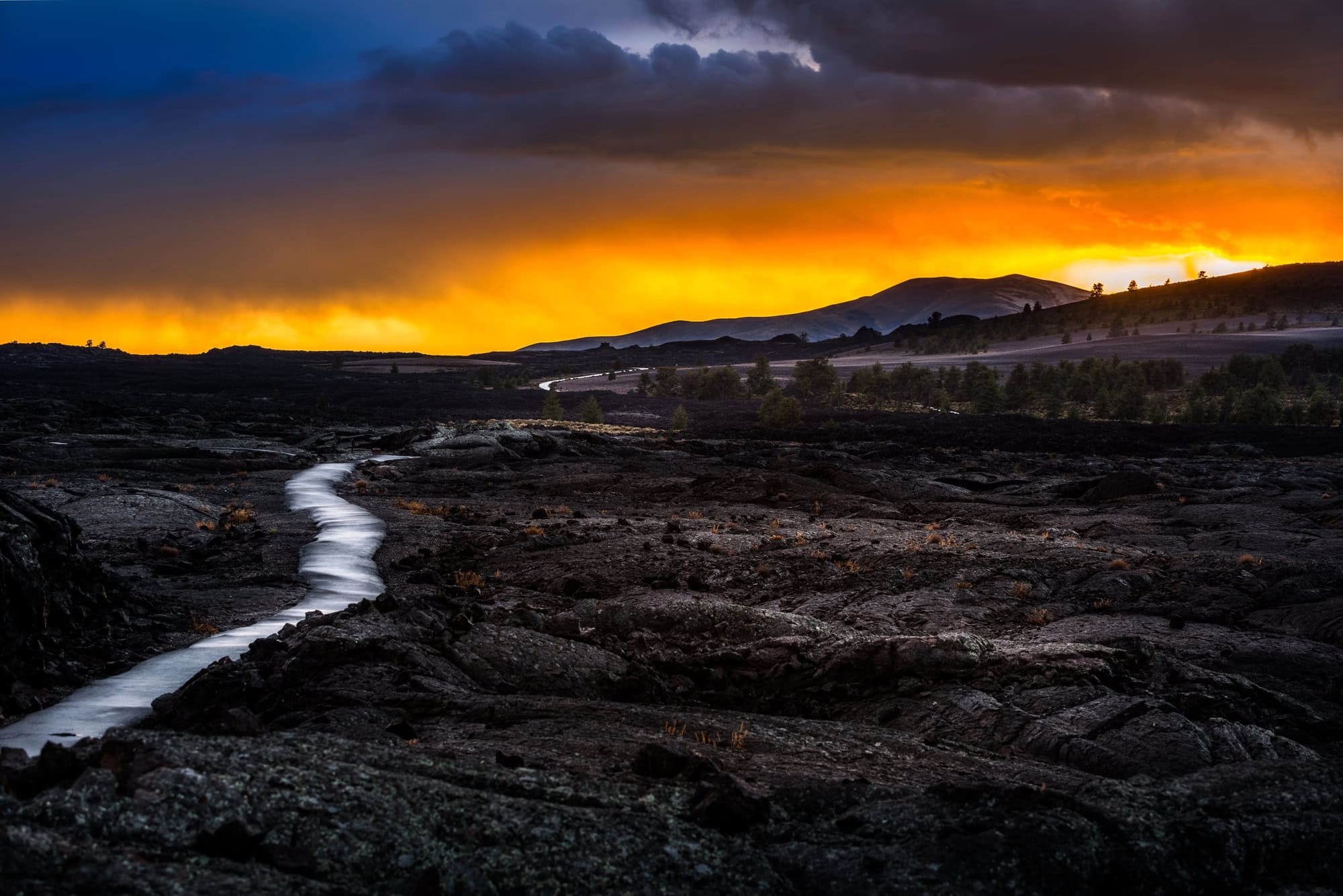
Apollo astronauts trained here before moonwalks, and you’ll understand why when you see the otherworldly landscape. This vast field of black lava flows, cinder cones, and spatter cones looks more like a sci-fi movie set than Idaho. The Loop Drive reveals 2,000-year-old lava flows, while caves formed by ancient gas bubbles invite exploration.
Giant Sequoia, California: Where Trees Touch the Sky
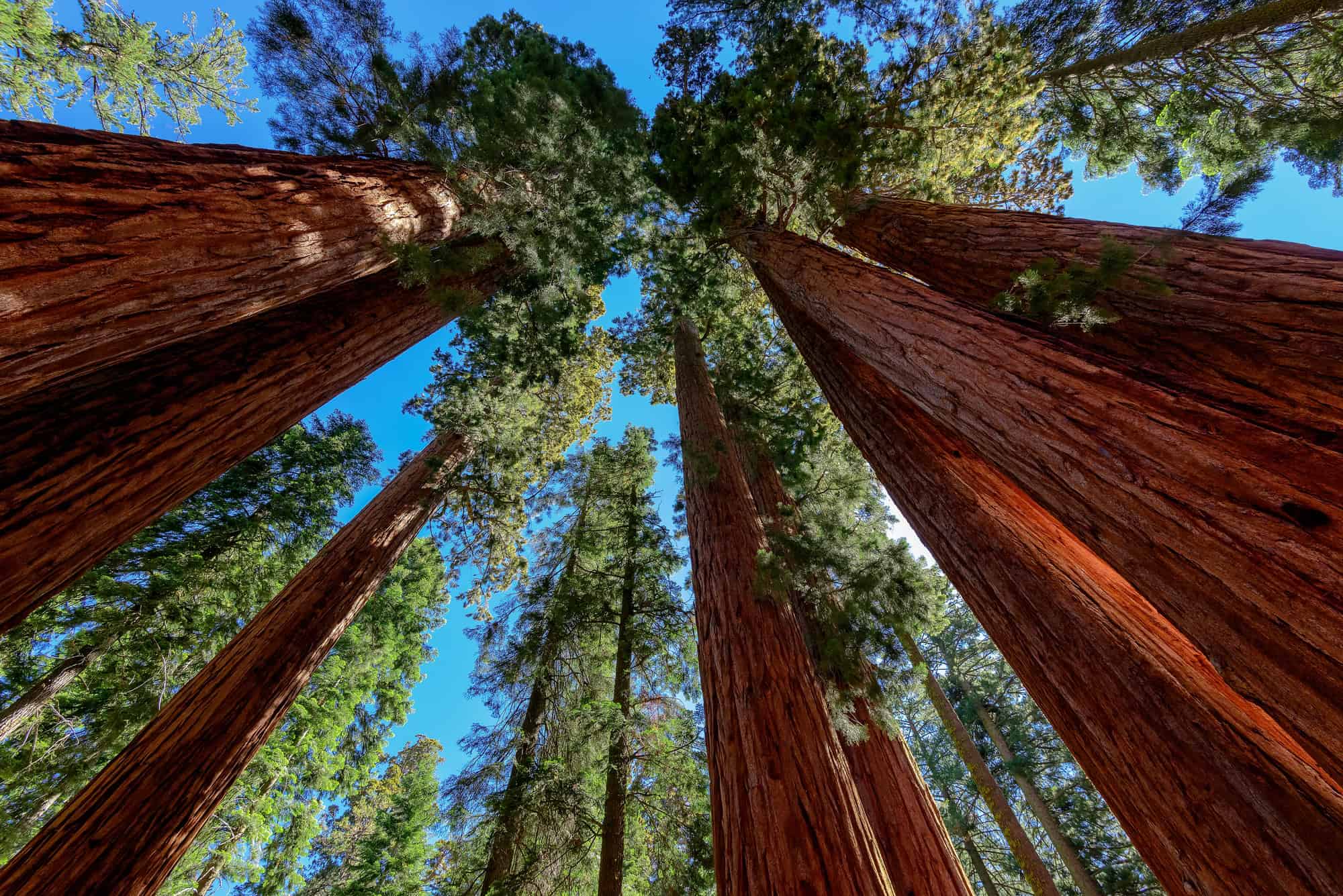
While tourists crowd Sequoia National Park, these lesser-known groves offer peaceful encounters with Earth’s largest living things. Some of these giants were seedlings when Rome fell, and they’ll humble you with their massive presence. The monument’s 33 groves spread across the Sierra Nevada, offering quiet trails where you can contemplate these ancient beings without fighting for parking.
Montezuma Castle, Arizona: The Southwest’s Original High-Rise
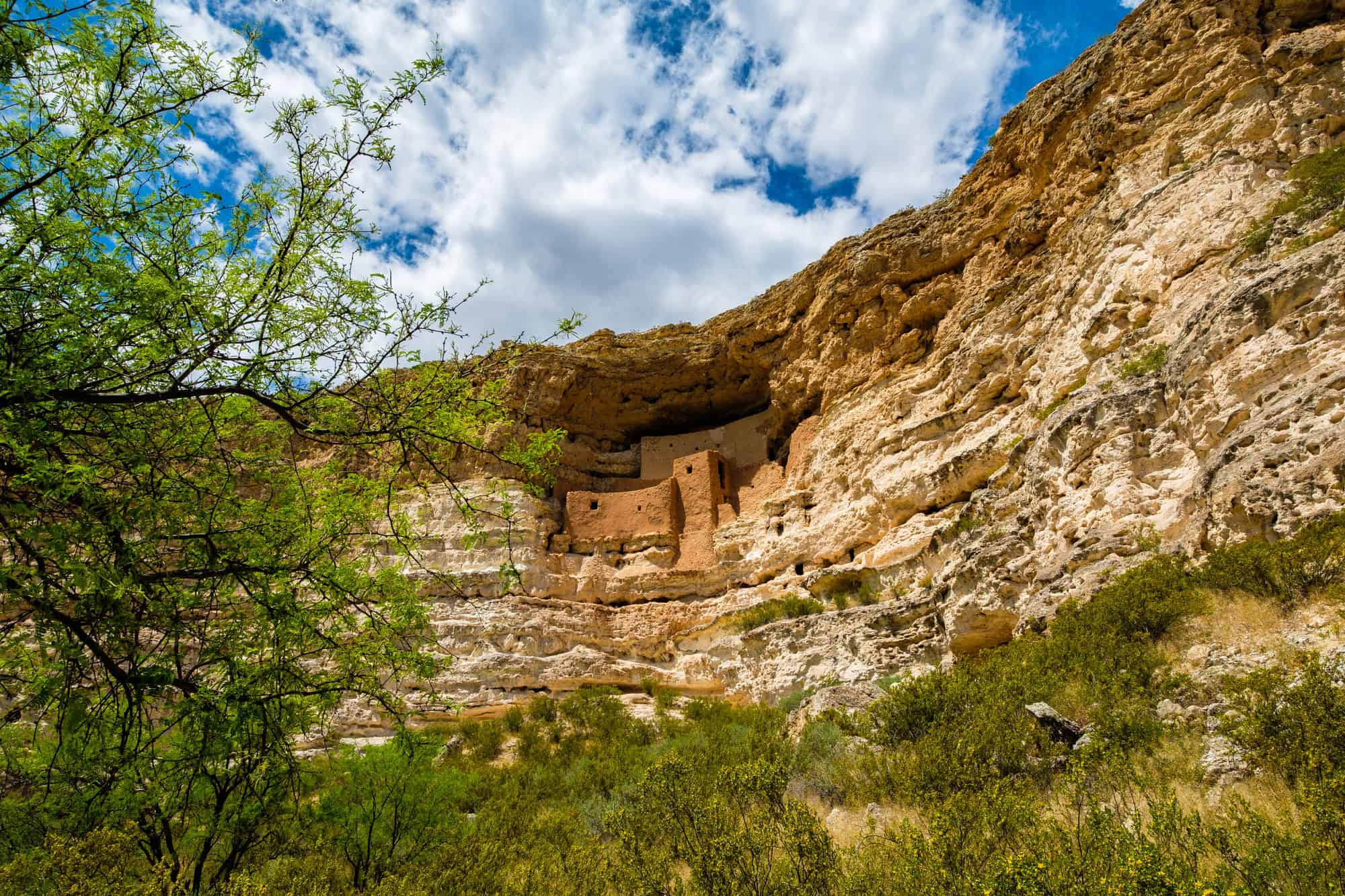
This five-story “apartment complex” was built into a natural limestone cave 100 feet up a sheer cliff face. Despite its name, Montezuma never visited – it was home to the Sinagua people who were clearly masters of prehistoric architecture. The site offers a fascinating glimpse into ancient urban planning, complete with natural air conditioning courtesy of the cave system.
White Sands, New Mexico: Nature’s Greatest Sand Box
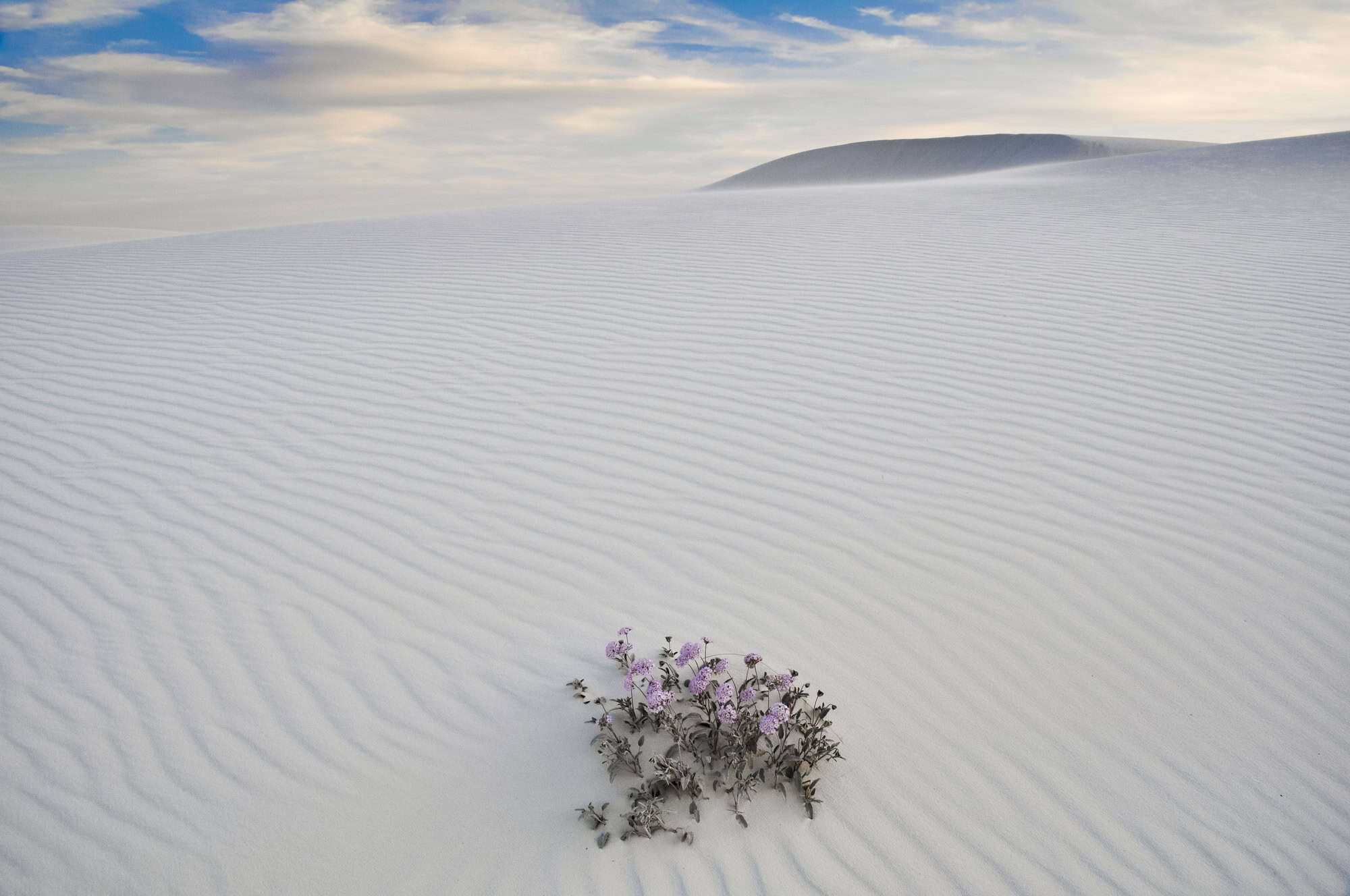
Recently upgraded to national park status, this otherworldly landscape features the world’s largest gypsum dunefield. The pure white sand creates an arctic illusion in the middle of the desert, while the lack of plant life makes you feel like you’re walking on another planet. Visit at sunset when the dunes turn pink and purple in the fading light.
Vermilion Cliffs, Arizona: The Desert’s Rainbow Mountains
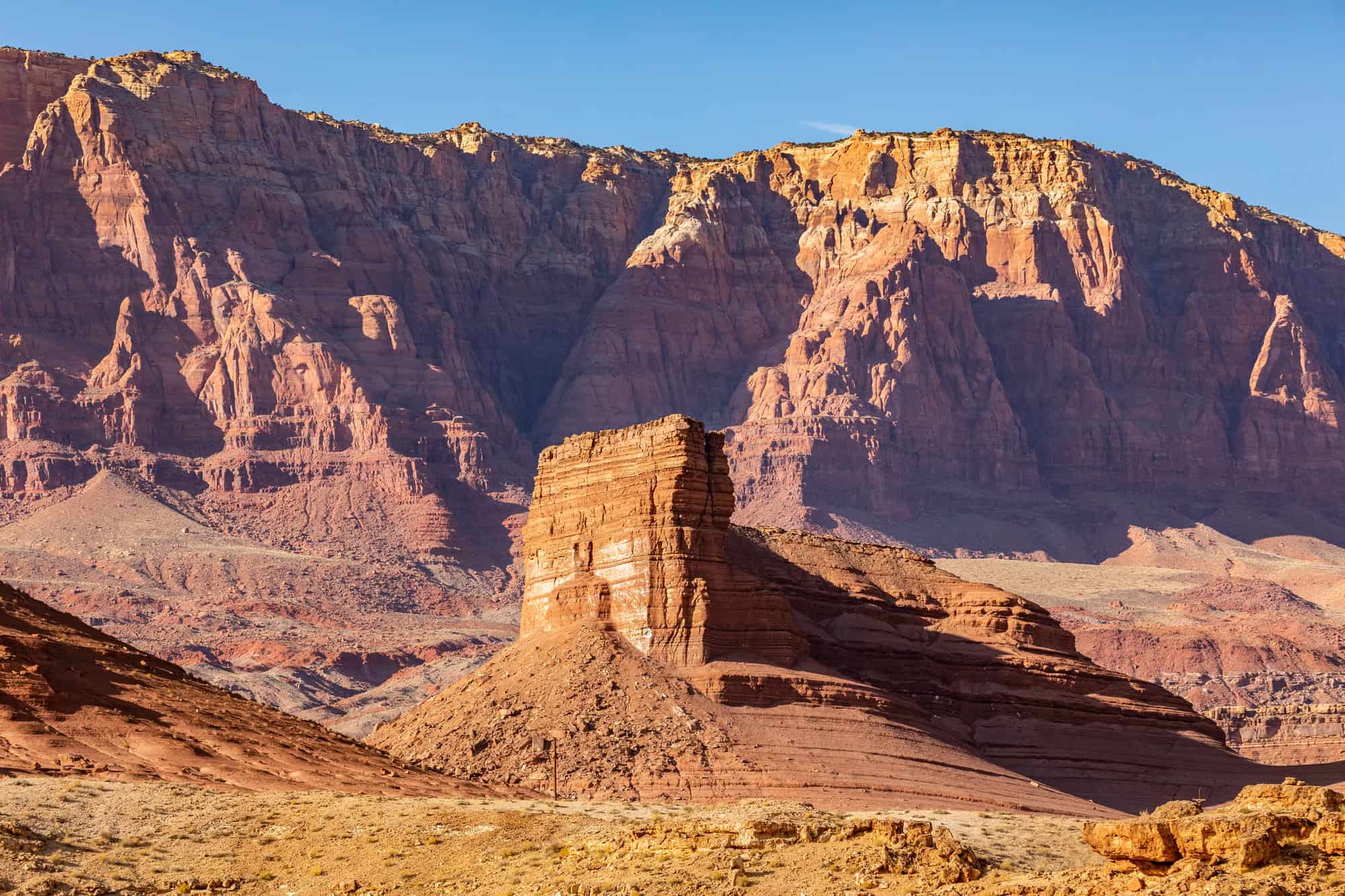
Home to the famous “Wave” formation, these cliffs showcase nature’s artistic side with swirling sandstone in impossible shades of red, orange, and purple. While permits are required for the most famous spots, the monument’s less-visited areas offer equally stunning views without the lottery system. The Paria Canyon-Vermilion Cliffs Wilderness houses some of the longest and deepest slot canyons in the world.
Dinosaur, Colorado: Where Jurassic Park Meets Wild West
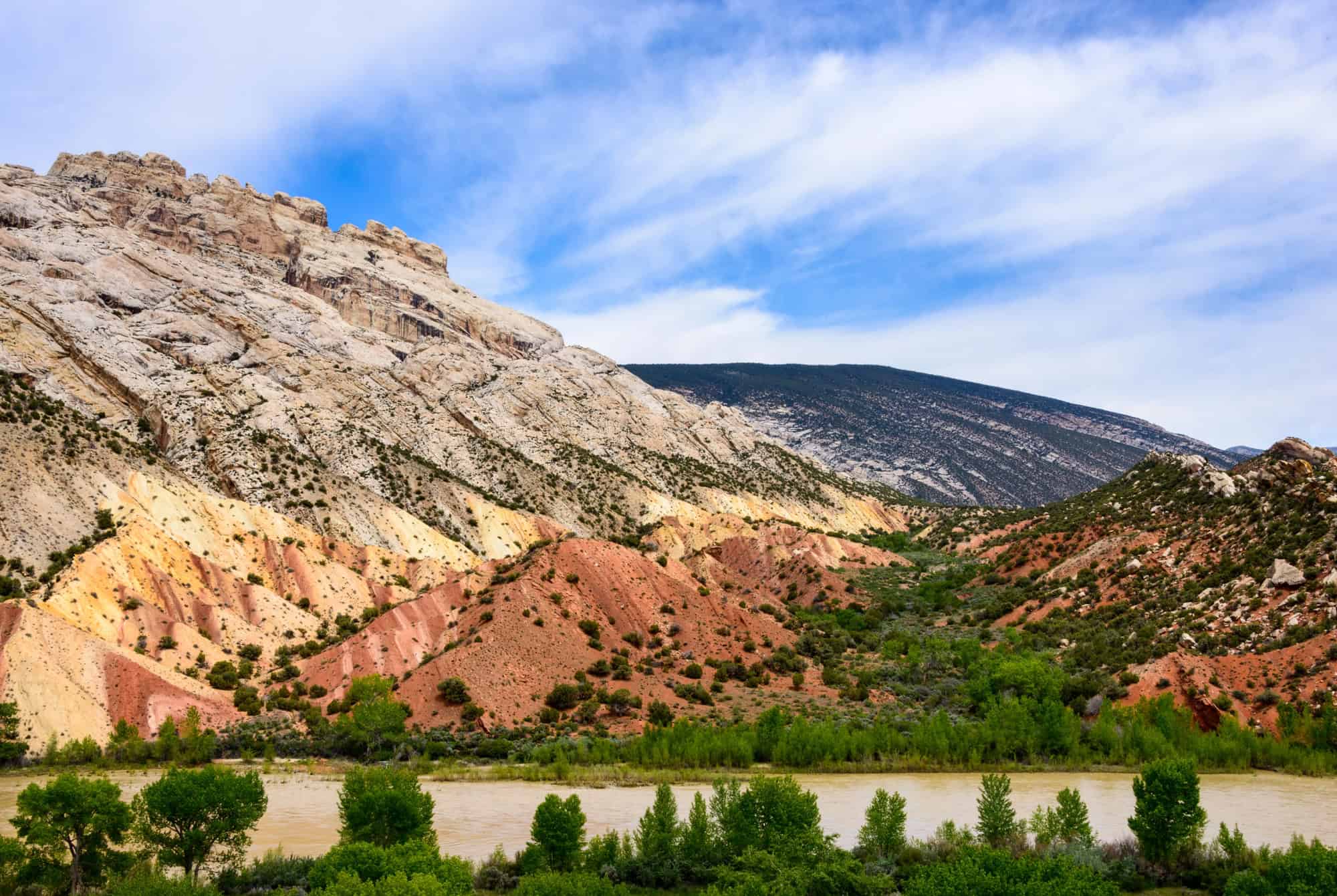
This isn’t just another fossil site – it’s where complete dinosaur skeletons still emerge from a massive tilted rock face. The Quarry Exhibit Hall lets you view actual excavation sites, while the surrounding canyons offer rafting adventures through some of the West’s most dramatic landscapes. The monument combines paleontology with petroglyphs, proving that humans have been fascinated by this place for millennia.
Lava Beds, California: Underground Adventures in Volcanic Tubes
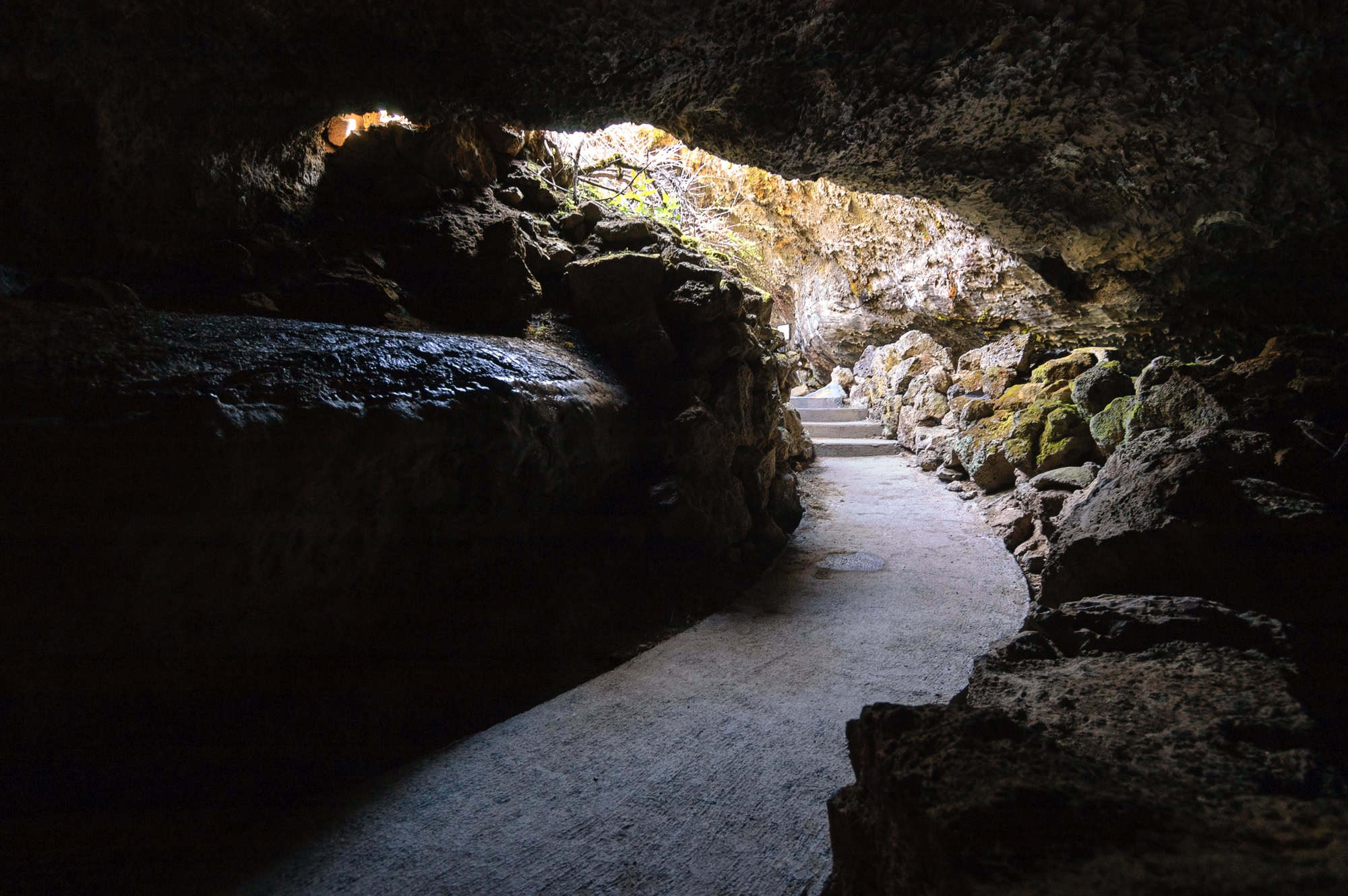
Beneath a seemingly ordinary landscape lies a maze of over 800 lava tube caves. These natural tunnels, formed by ancient volcanic flows, range from easy walks to challenging crawls. The monument also preserves Native American rock art and sites from the Modoc War, making it a fascinating blend of geological and human history.
Canyon de Chelly, Arizona: The Navajo Nation’s Hidden Wonder
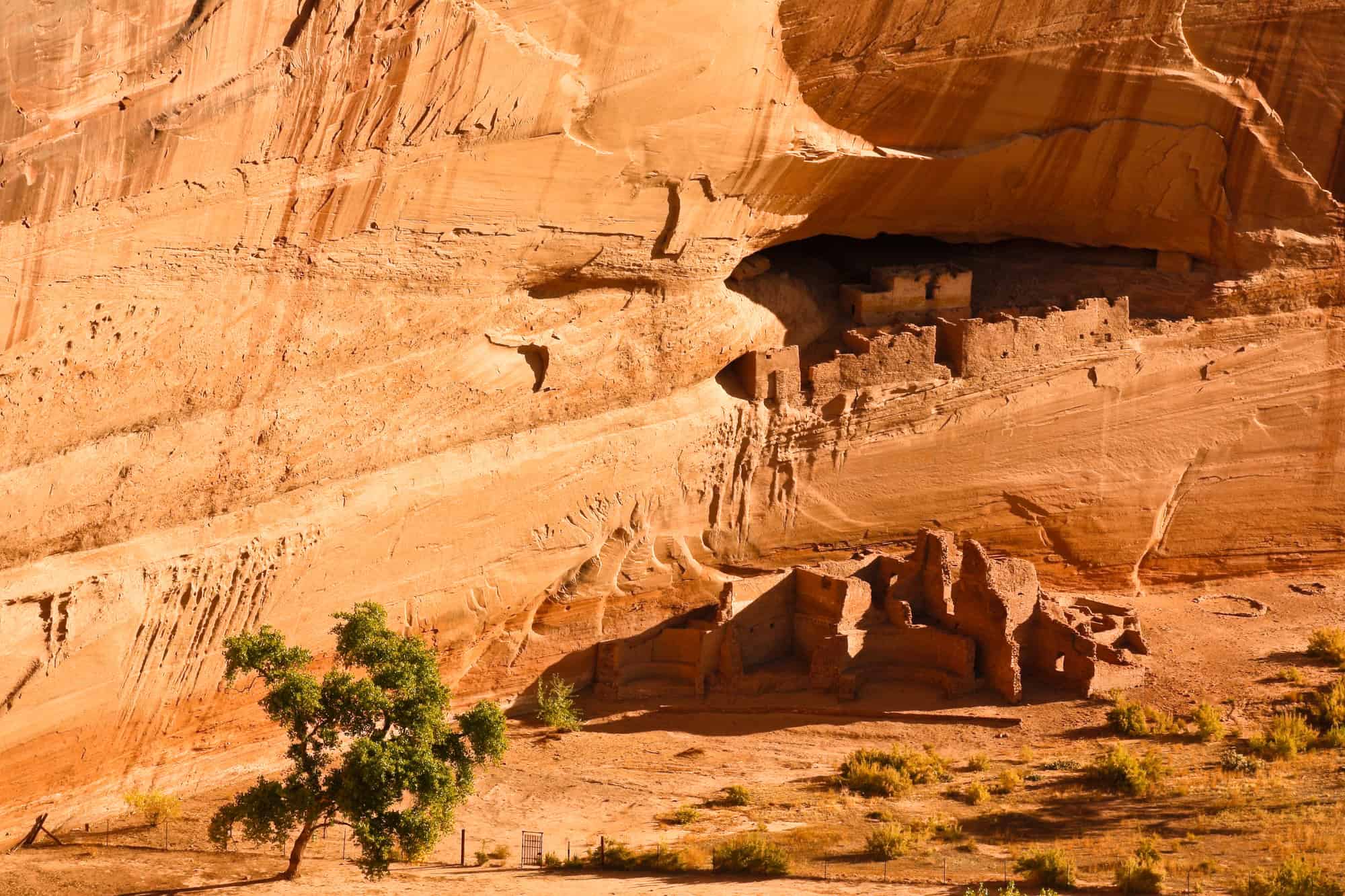
Unlike most national monuments, this one remains home to a living community of Navajo families who still farm the canyon floor. The 800-foot Spider Rock spire stands sentinel over a landscape where ancient pueblos nestle in cliff walls while modern shepherds tend their flocks below. Take a Navajo-guided tour to truly understand the deep connection between the land and its people.
Natural Bridges, Utah: Stars, Stones, and Ancient Stories
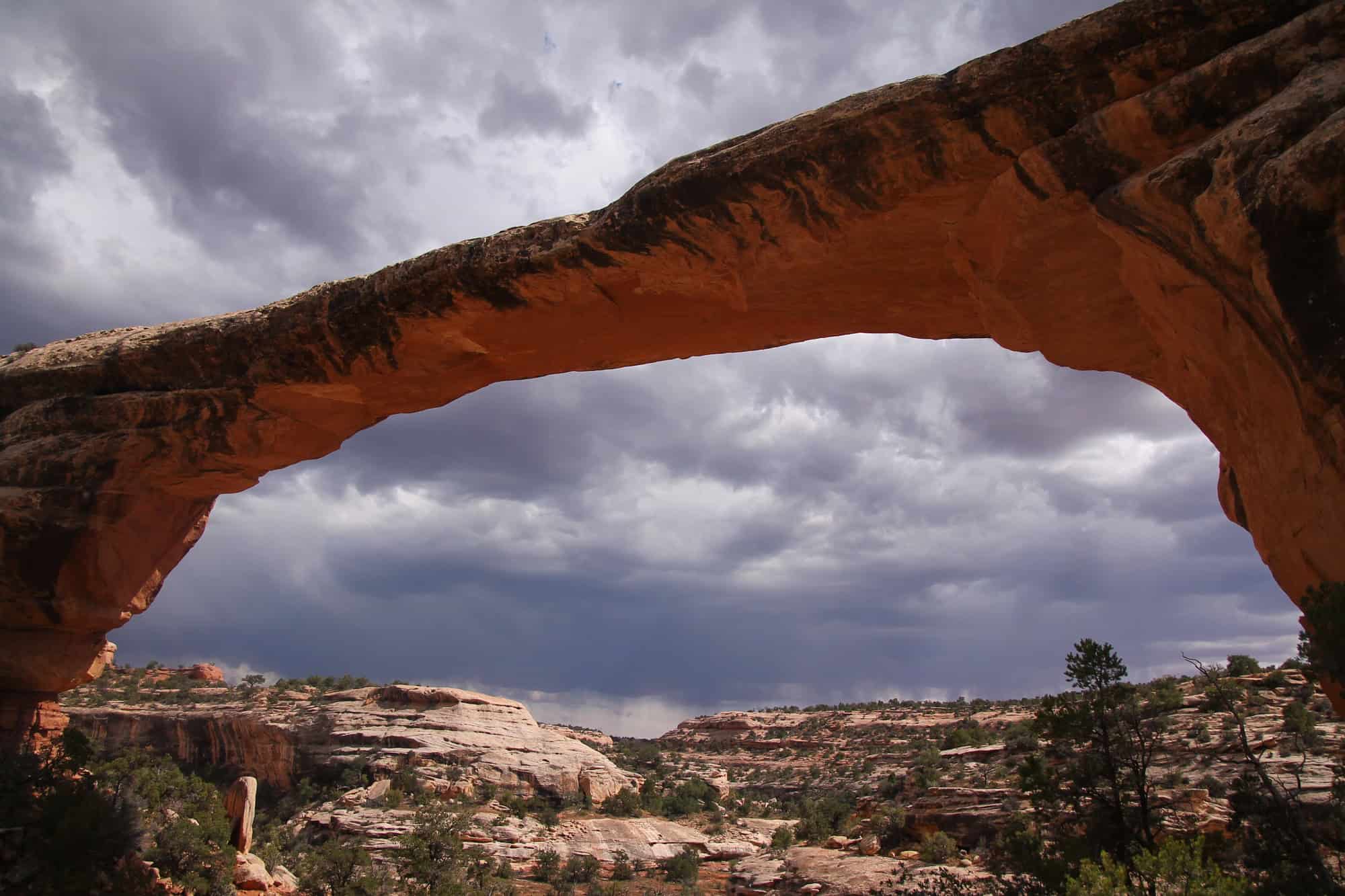
Three majestic bridges arch across desert canyons in this remote corner of Utah, each named in honor of the Native Americans who once called this area home: Kachina, Owachomo, and Sipapu. As the world’s first International Dark Sky Park, the monument offers spectacular stargazing where the Milky Way casts shadows on clear nights.
Tuzigoot, Arizona: The Hilltop Palace Time Forgot
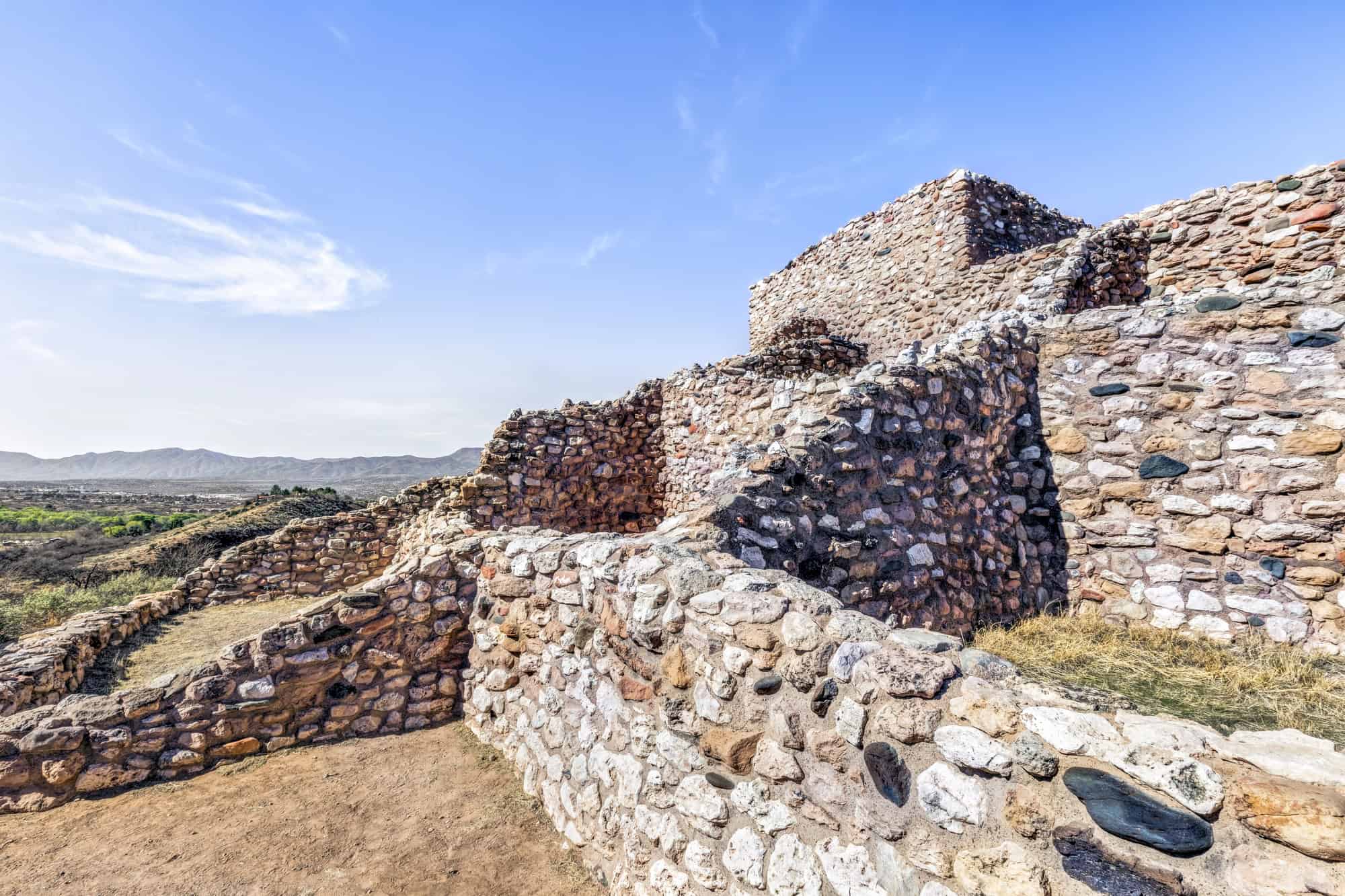
Perched atop a limestone ridge, this 110-room pueblo complex once housed hundreds of residents who enjoyed million-dollar views of the Verde Valley. The name means “crooked water” in Apache, but there’s nothing crooked about the ingenious architecture that’s survived since the 1300s. Visit at sunset when the red rocks glow and you can imagine smoke rising from ancient cooking fires.