

Remember when national parks were about communion with nature, not competing for selfie spots? When you could hear the wind through the pines instead of tour bus engines? These twenty magnificent parks preserve not just wilderness, but that precious sense of discovery we’ve nearly lost at more crowded destinations. Pack your sense of wonder – and leave the crowd anxiety at home.
Great Basin, Nevada: Where Ancient Bristlecones Whisper Secrets
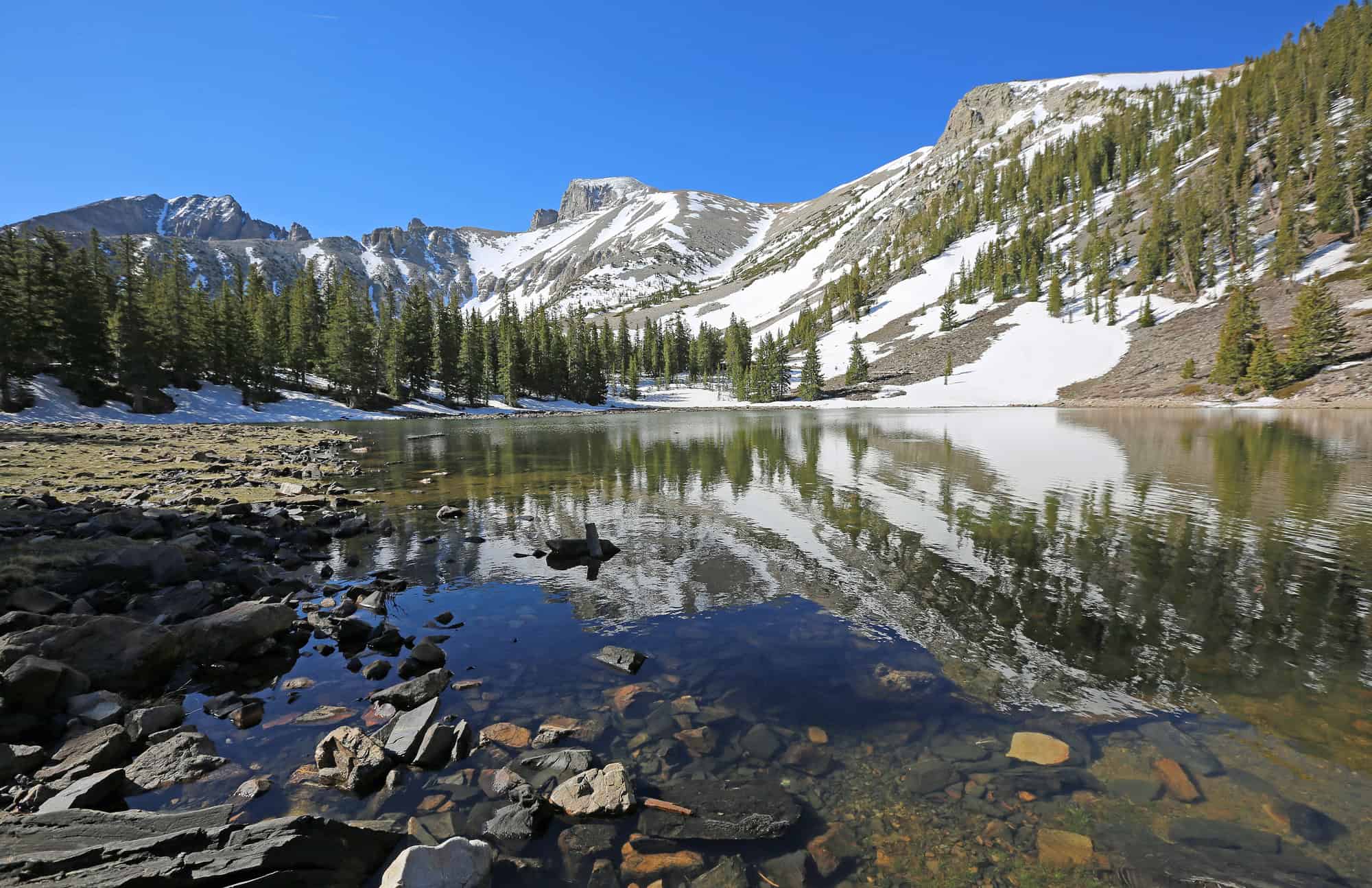
While Yellowstone draws millions, Great Basin quietly harbors trees that were already ancient when Rome was young. The bristlecone pines here have watched over Nevada for 5,000 years, and the night skies are so dark you can see the Milky Way reflected in mountain lakes. Visit in late August for perfect hiking weather and meteor showers that will make you feel like you’re floating in space.
North Cascades, Washington: America’s Alps Without the Avalanche of Tourists
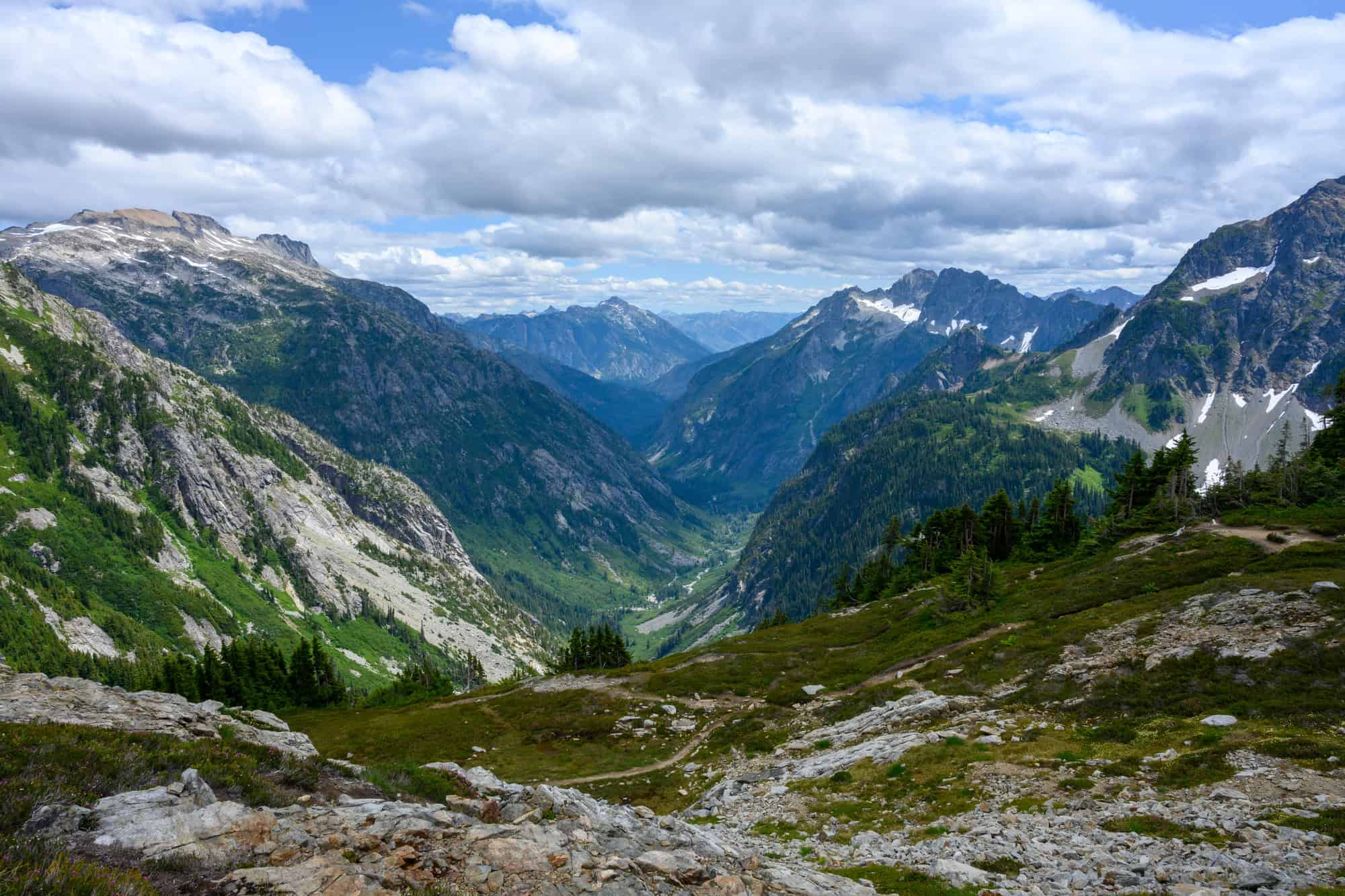
Just three hours from Seattle lies a paradise that sees fewer visitors in a year than Yellowstone gets in a summer week. Over 300 glaciers drape these peaks like frozen waterfalls, and the larches turn gold in autumn against evergreen forests. Time your visit for late September when the crowds are gone and the fall colors paint the valleys in impossible shades.
Congaree, South Carolina: A Firefly Festival in Nature’s Cathedral
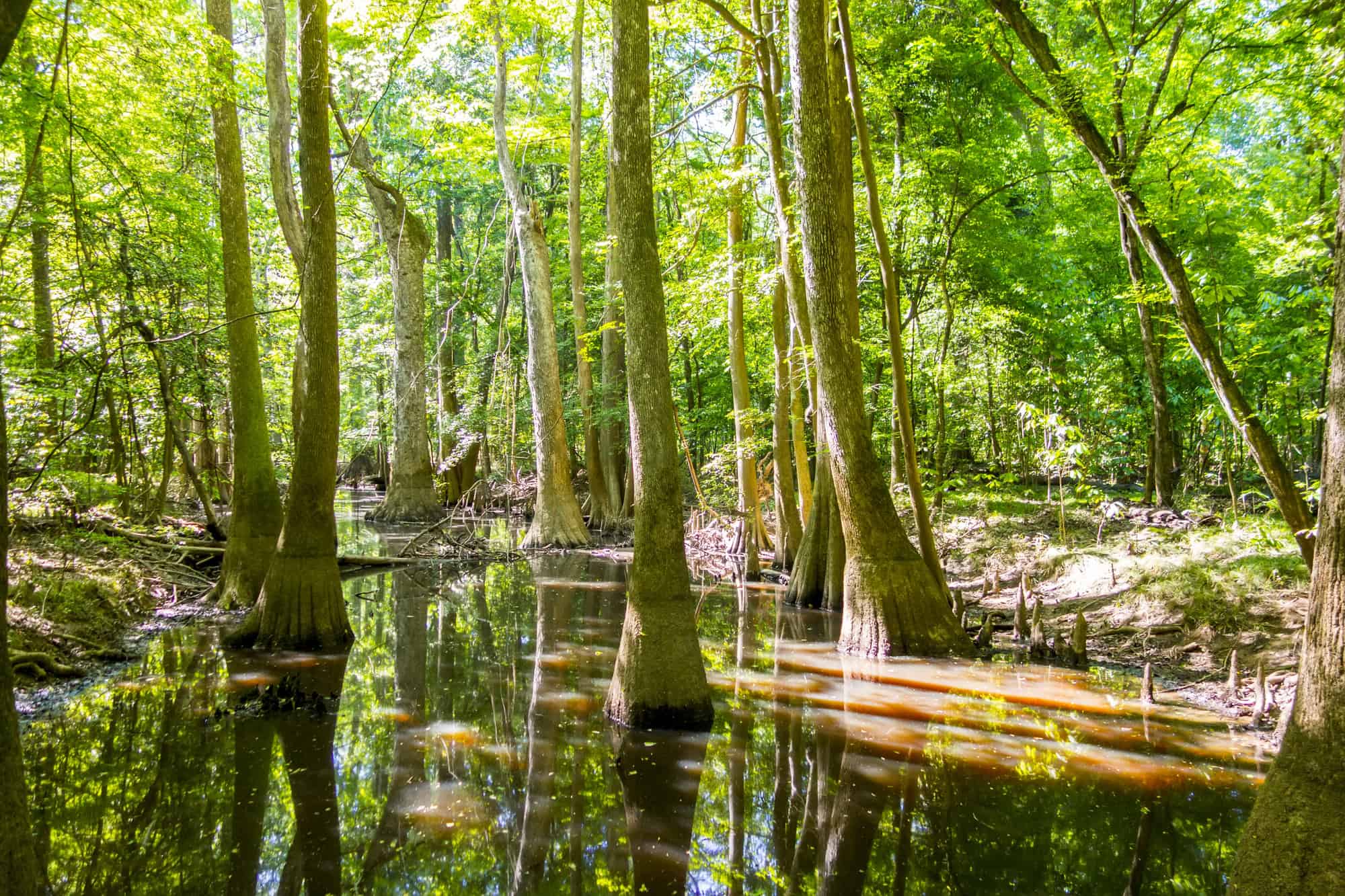
Forget Old Faithful’s schedule – nature’s most enchanting light show happens here in May when thousands of synchronous fireflies perform their courtship dance. The cathedral-like canopy of towering cypress trees harbors the largest intact expanse of old-growth bottomland hardwood forest in North America. Come in spring or fall when the mosquitoes are fewer and the temperatures are kind to wanderers.
Isle Royale, Michigan: Where Wolves Still Rule Their Kingdom
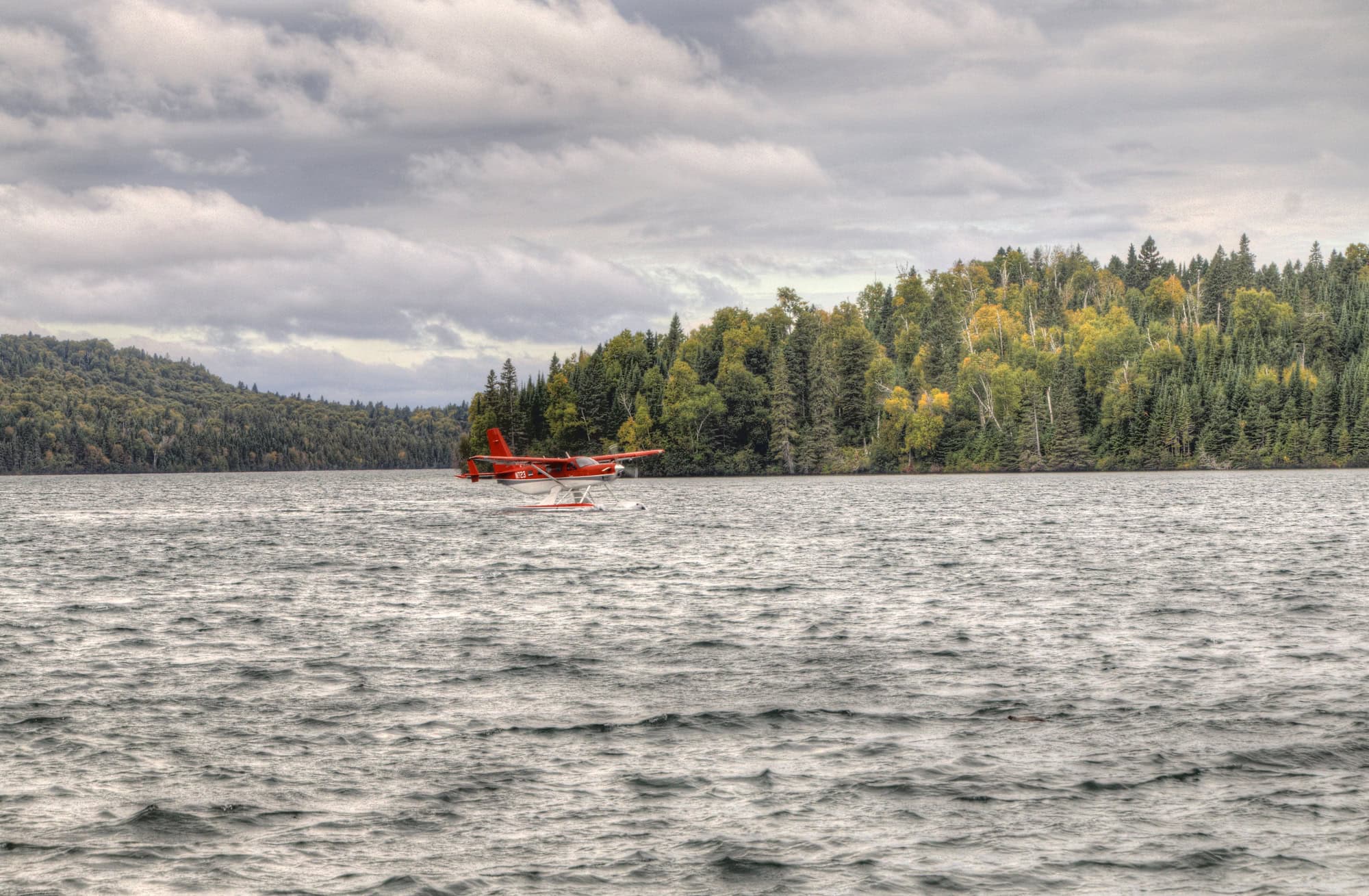
Accessible only by boat or seaplane, this Lake Superior island gets fewer visitors in a year than Yellowstone sees before breakfast. Here, wolves and moose play out an ancient predator-prey dance across 209 square miles of pristine wilderness. Visit mid-August through September when the bugs are gone and the autumn light turns the island’s waters to gold.
Guadalupe Mountains, Texas: The Lone Star’s Hidden Coral Reef
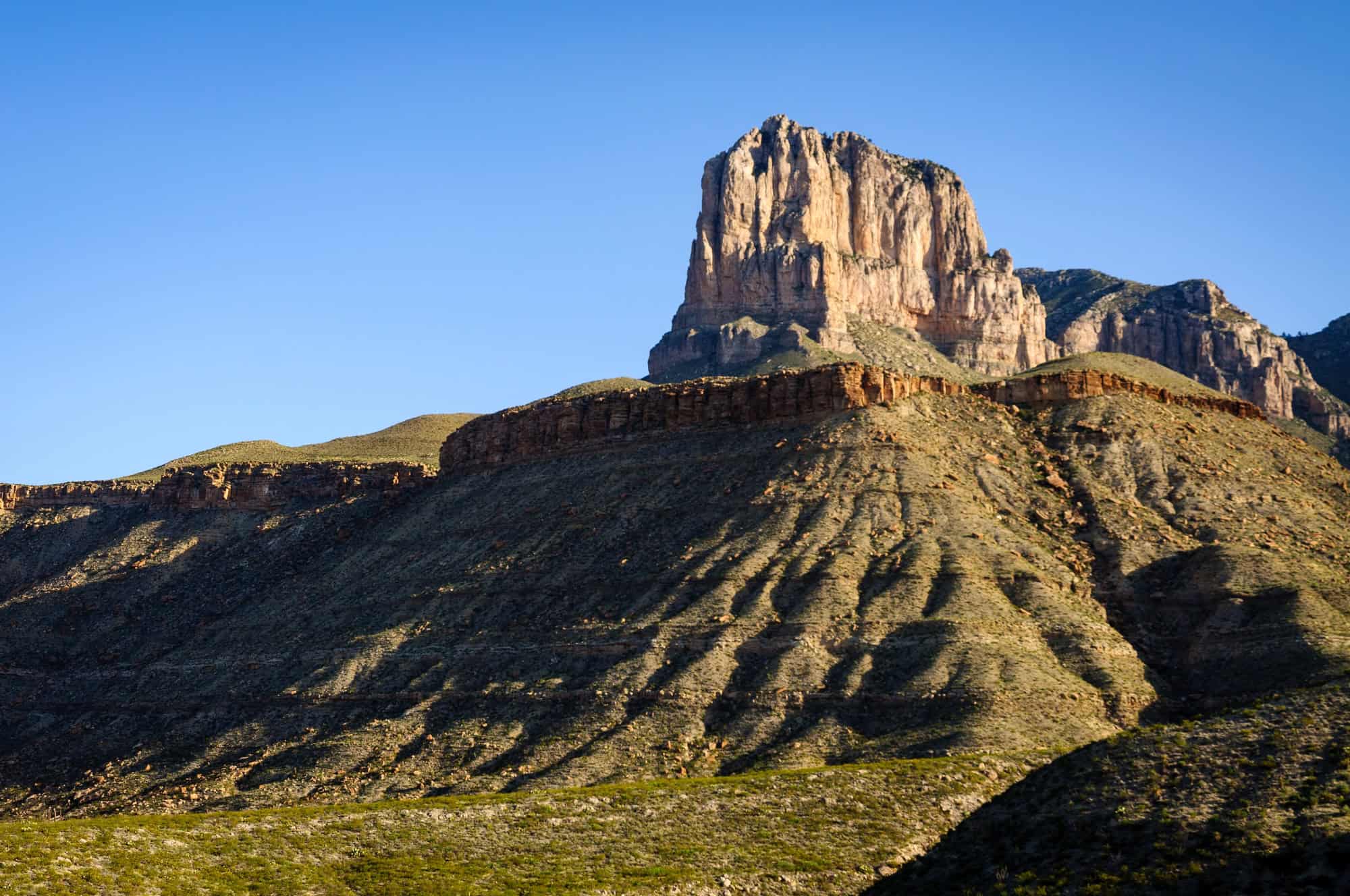
Would you believe these desert peaks were once a tropical reef? The world’s finest example of a fossil reef now stands 8,751 feet above sea level, surrounded by desert wildflowers instead of fish. October through November offers perfect hiking weather and fall colors in McKittrick Canyon that would make New England jealous.
Black Canyon of the Gunnison: Colorado’s Grand Canyon Without the Tour Buses
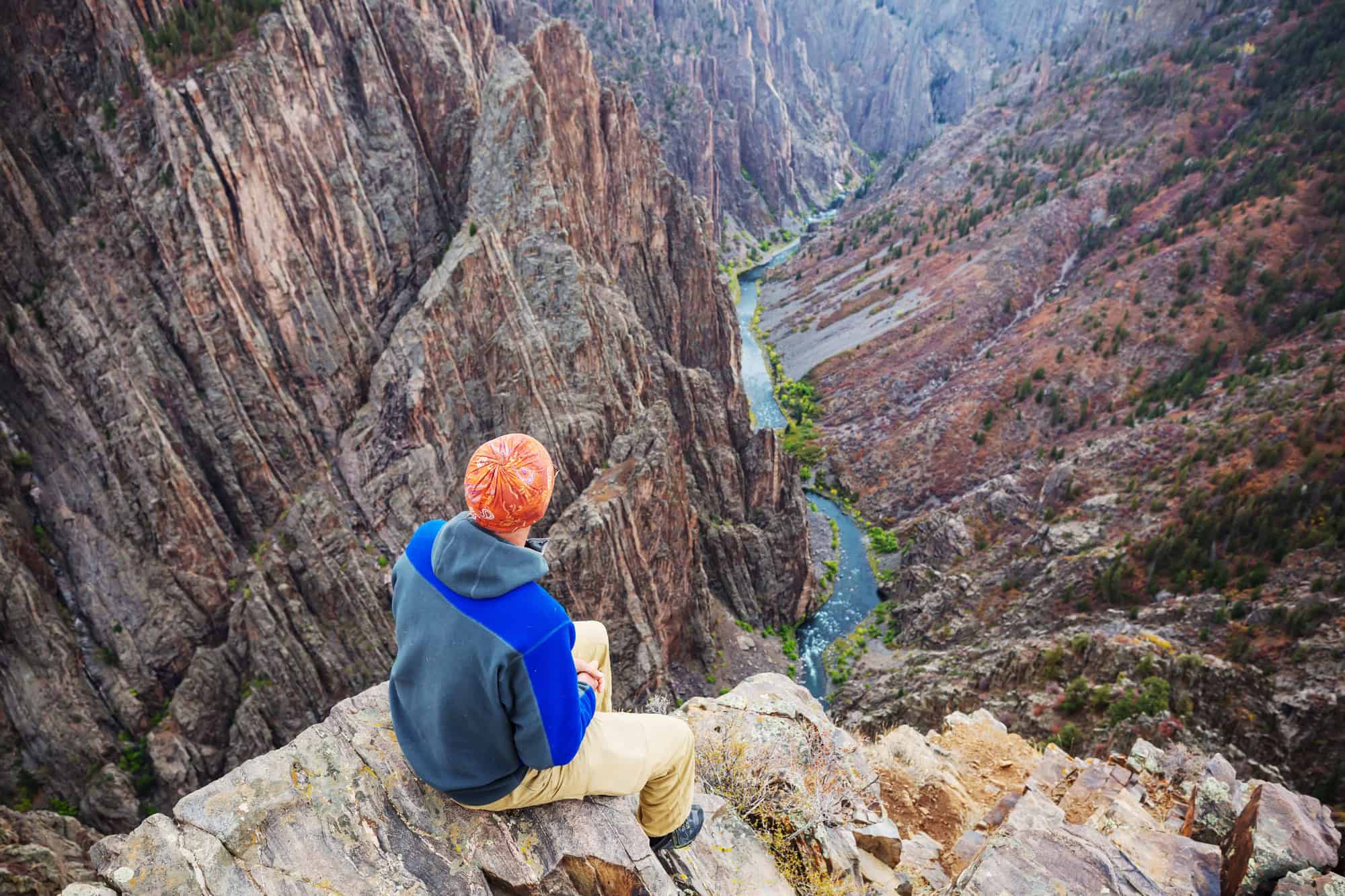
Some canyons are so deep, sunlight only reaches the bottom for 33 minutes a day. The Black Canyon is one of them, with walls so sheer and dark they seem to swallow light itself. Visit at dawn in late May or early June to watch the sun’s first rays illuminate the Painted Wall, and listen for the haunting cry of peregrine falcons echoing off the cliffs.
Dry Tortugas, Florida: The Fort Where Time Stopped in 1865
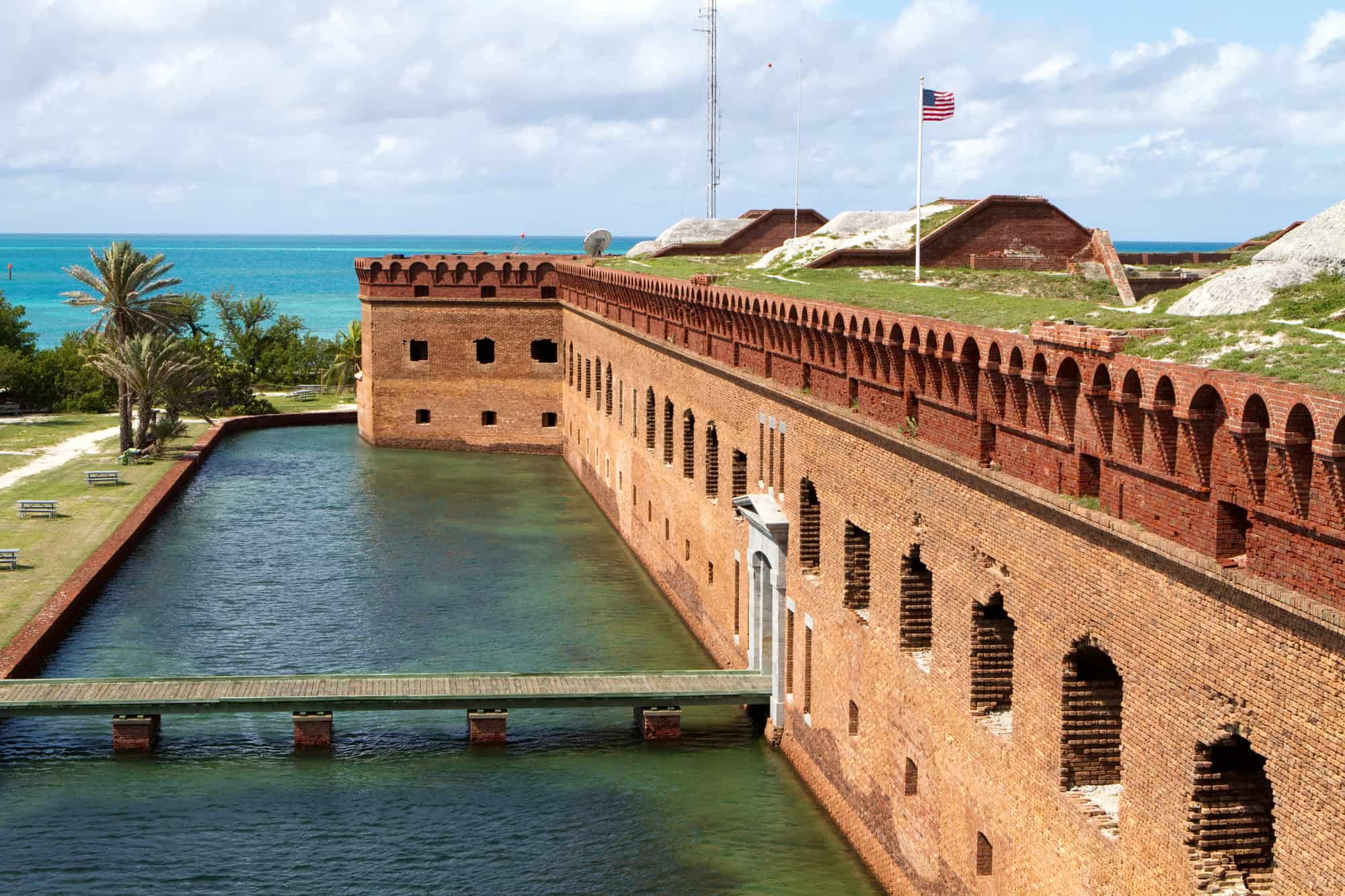
Seventy miles west of Key West, a massive hexagonal fort rises from crystal-clear waters like a mirage. Fort Jefferson’s 16 million bricks tell tales of Civil War prisoners, yellow fever epidemics, and Dr. Mudd’s imprisonment. April through May offers calm seas for the ferry ride and perfect conditions for snorkeling the surrounding coral reefs.
Pinnacles, California: The Volcanic Wonderland Condors Call Home
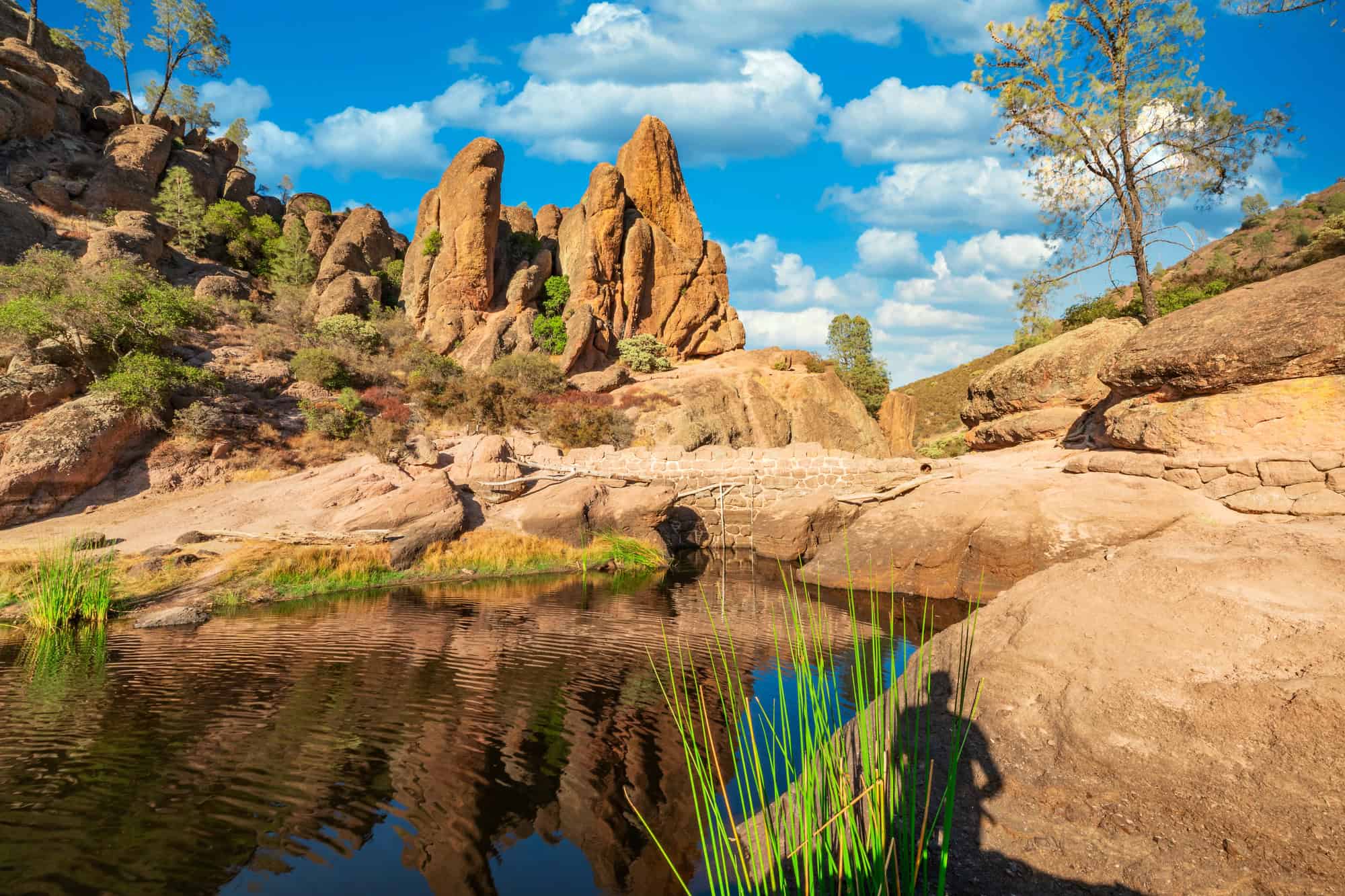
Born from an ancient volcano that walked 195 miles on the San Andreas Fault, Pinnacles is where endangered California condors soar between towering rock spires. March brings wildflower carpets that would make Instagram influencers weep, while November offers perfect temperatures for exploring the park’s mysterious talus caves.
Voyageurs, Minnesota: Where Northern Lights Dance Over 500 Islands
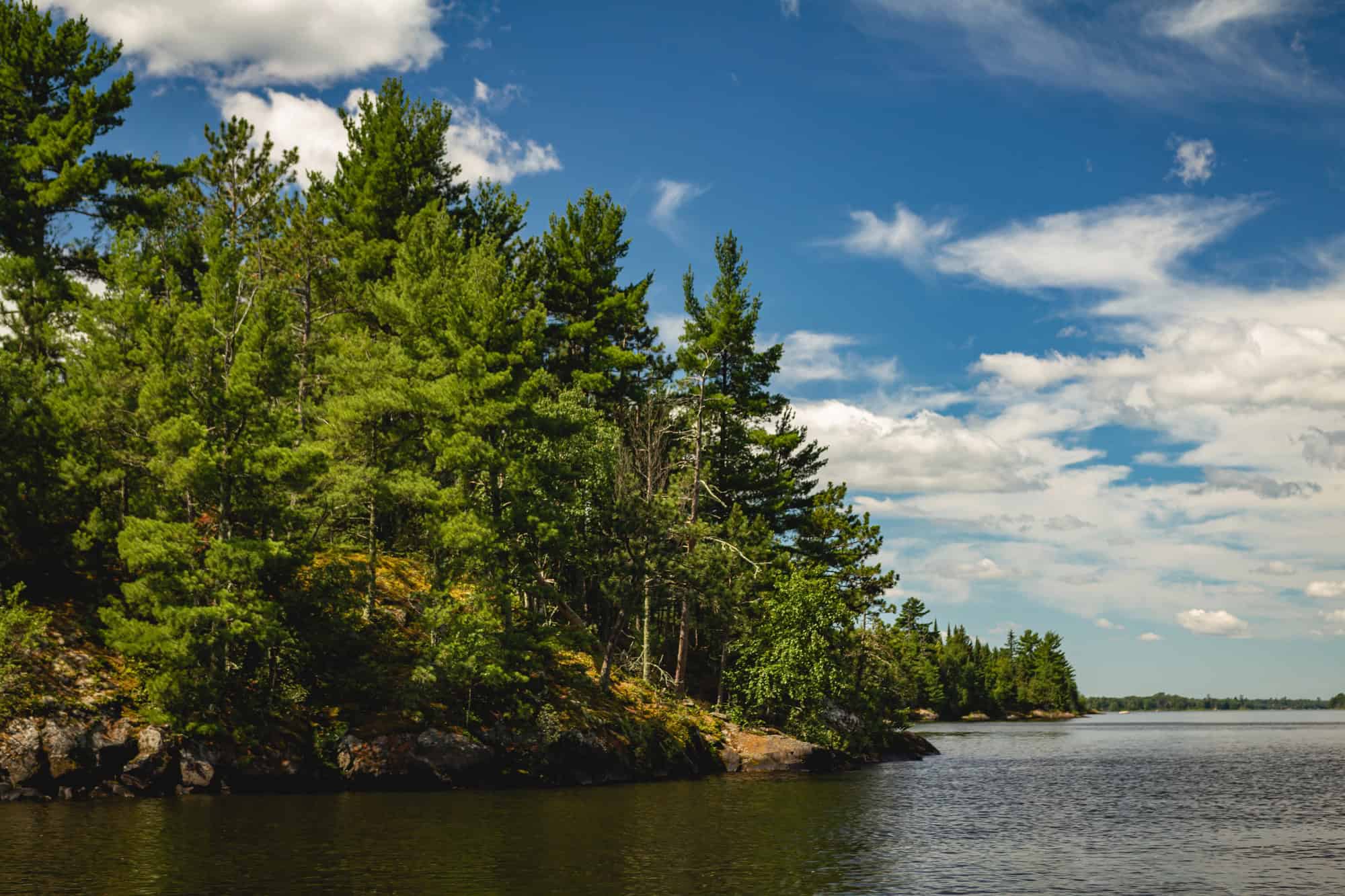
While crowds jostle for Old Faithful photos, you could be watching the aurora borealis reflect off pristine lakes that early French-Canadian voyageurs once paddled. Visit in late August through September when the mosquitoes retreat and the northern lights put on their best show. Bonus: You might hear wolves howling across the water at midnight.
Big Bend, Texas: Desert Solitude Meets Mountain Majesty
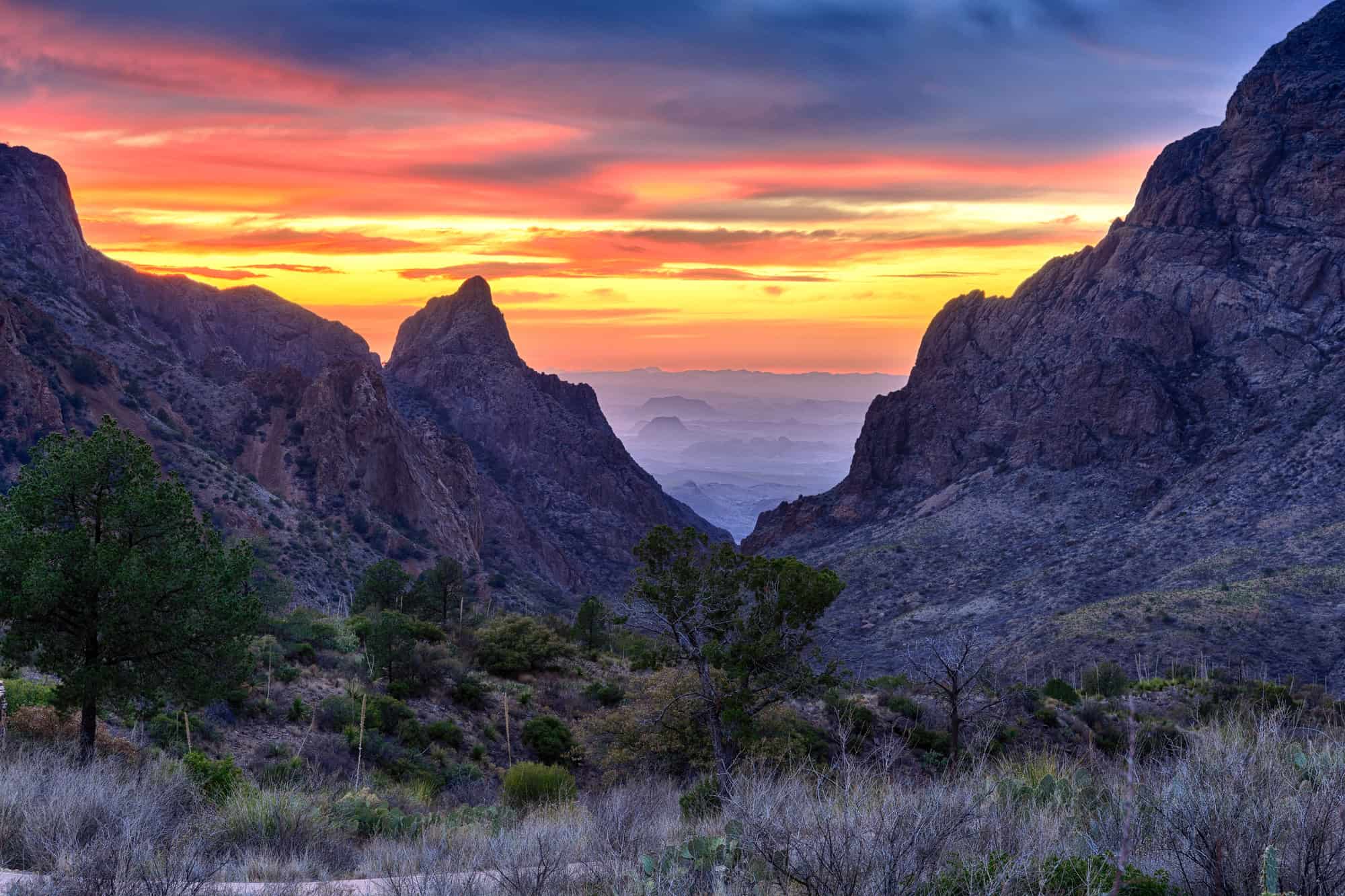
Where else can you soak in hot springs while watching the sun set over Mexico across the Rio Grande? This Texas-sized park offers more species of birds, bats, and cacti than any other national park. March brings perfect temperatures and bluebonnet blooms, while November offers crystal-clear night skies that’ll make you forget city lights exist.
Lassen Volcanic, California: Yellowstone’s Steamy Sister Without the Crowds
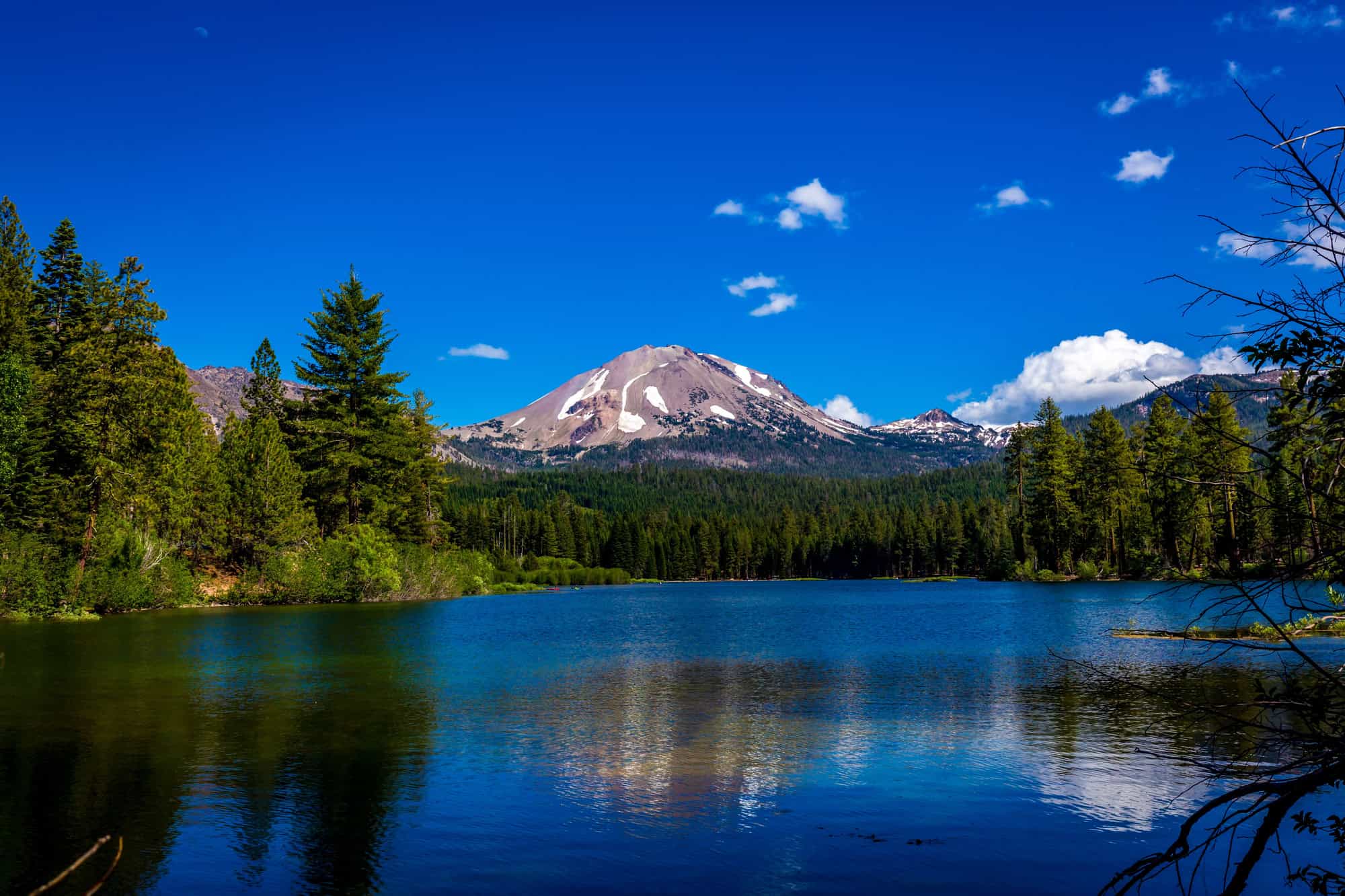
All the geothermal drama of Yellowstone with none of the RV traffic jams. Boiling mud pots, steaming fumaroles, and a volcano that last erupted in 1915 create an otherworldly landscape. July through September offers snow-free hiking trails, while winter brings uncrowded snowshoe adventures beneath stark volcanic peaks.
Theodore Roosevelt, North Dakota: Where Buffalo Still Roam the Badlands
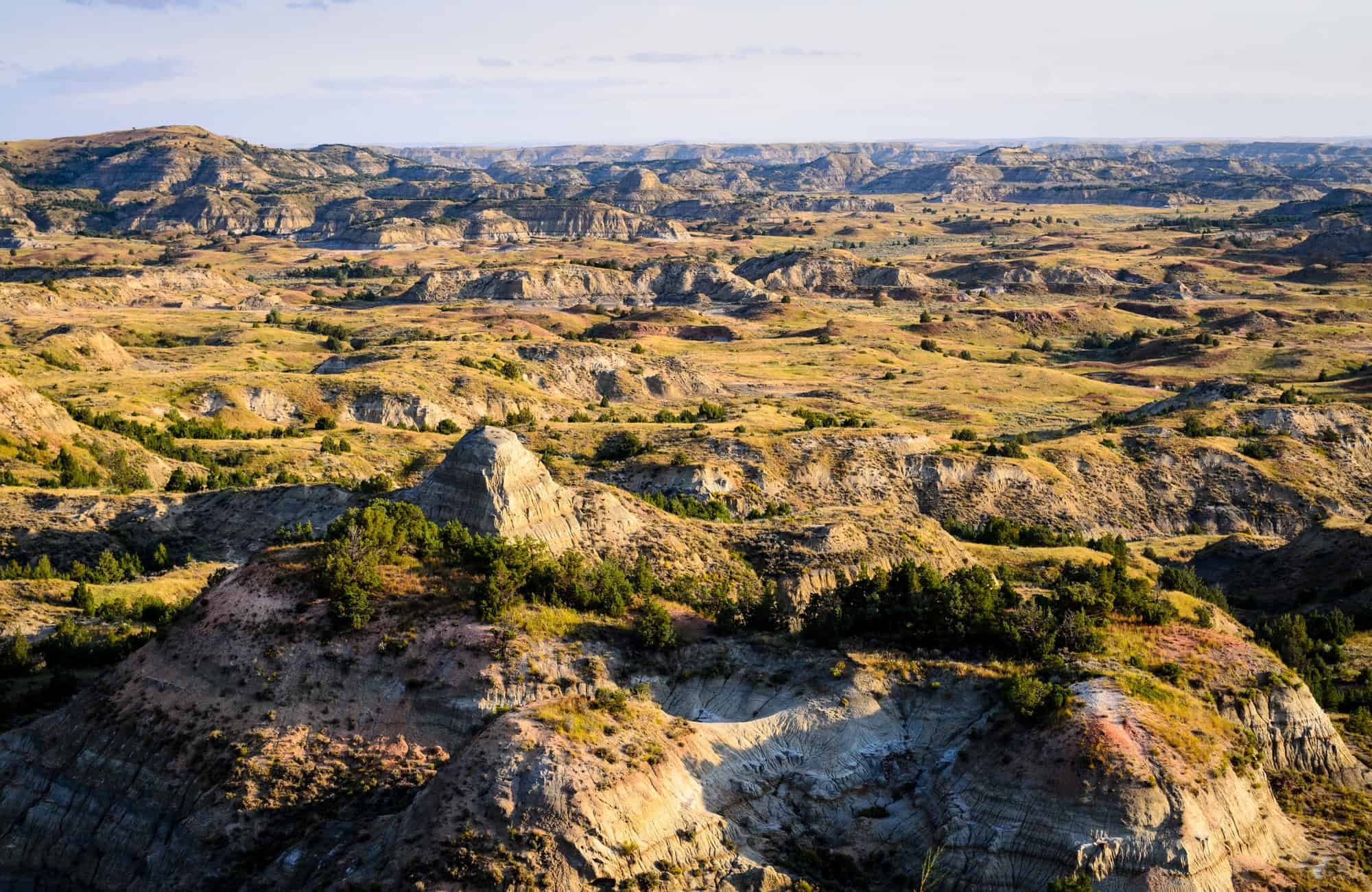
In these painted canyons, a young Theodore Roosevelt transformed from city slicker to conservation champion. Today, free-roaming bison and wild horses still own these badlands, while prairie dog towns provide better entertainment than cable TV. Visit in late May or September when mild temperatures bring out grazing wildlife and paint the badlands in golden light.
Channel Islands, California: California’s Galapagos Without the Cruise Ships
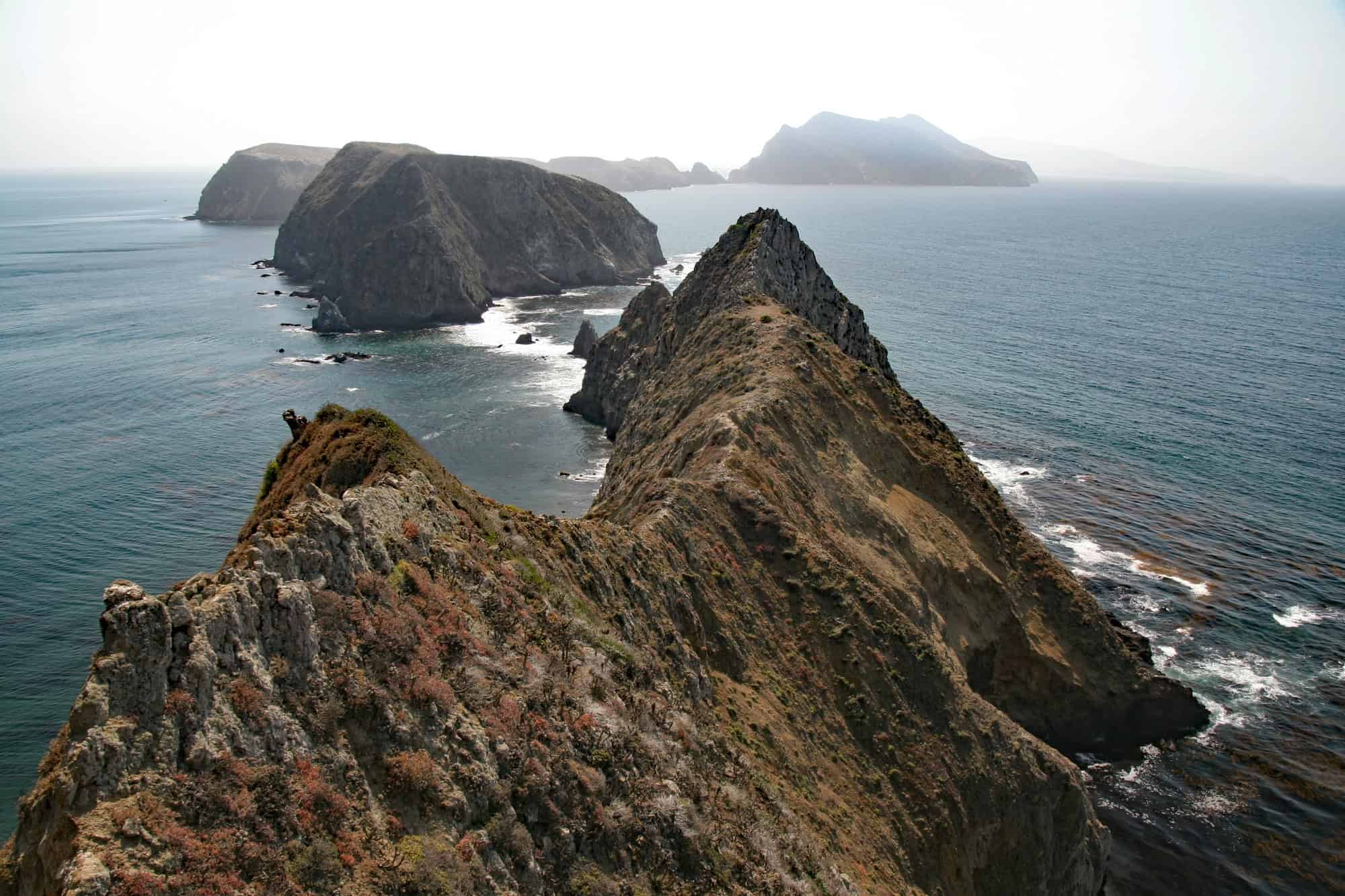
Just off the coast of busy Southern California lies an archipelago where endemic island foxes scamper through ancient oak groves and blue whales breach in pristine waters. April through May brings wildflower blooms and excellent whale watching, while September offers warm water for kayaking through sea caves.
Wind Cave, South Dakota: The Underground Labyrinth Beneath the Prairie
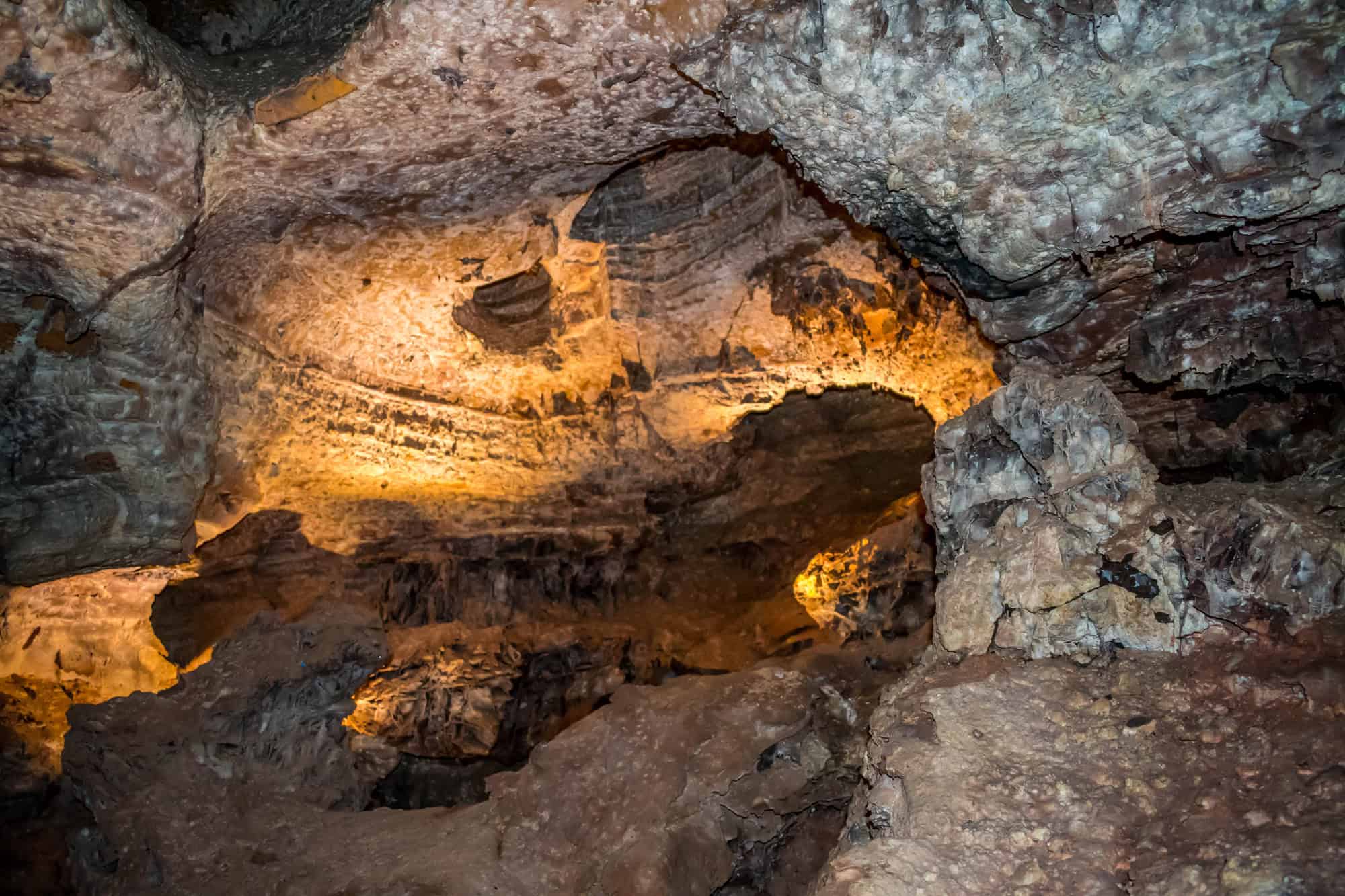
Below waving prairie grasses lies one of the longest and most complex cave systems in the world, featuring 95% of the world’s known boxwork formations. Above ground, bison and elk roam freely across one of America’s last intact prairies. Visit in early June for prairie wildflowers or in October for rutting elk and pleasant hiking weather.
Wrangell-St. Elias, Alaska: America’s Largest Park, Smallest Crowds
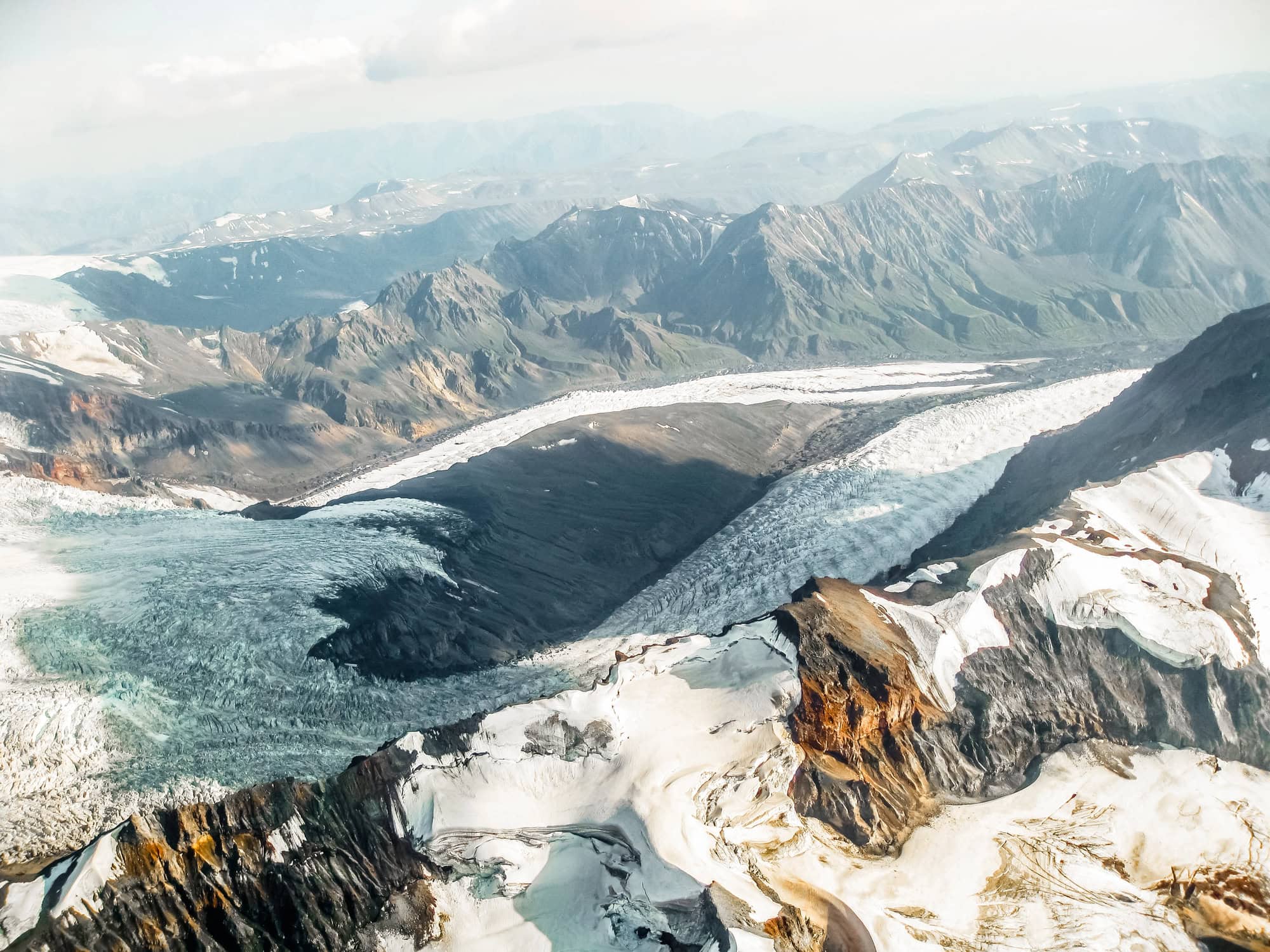
Bigger than Yellowstone, Yosemite, and Switzerland combined, this Alaskan giant houses America’s largest collection of glaciers and peaks above 16,000 feet. Yet it sees fewer visitors in a year than Yellowstone gets in three days. Mid-June through early September offers relatively stable weather and endless daylight for exploring this true wilderness.
Great Sand Dunes, Colorado: Where Desert Meets Snow-Capped Peaks
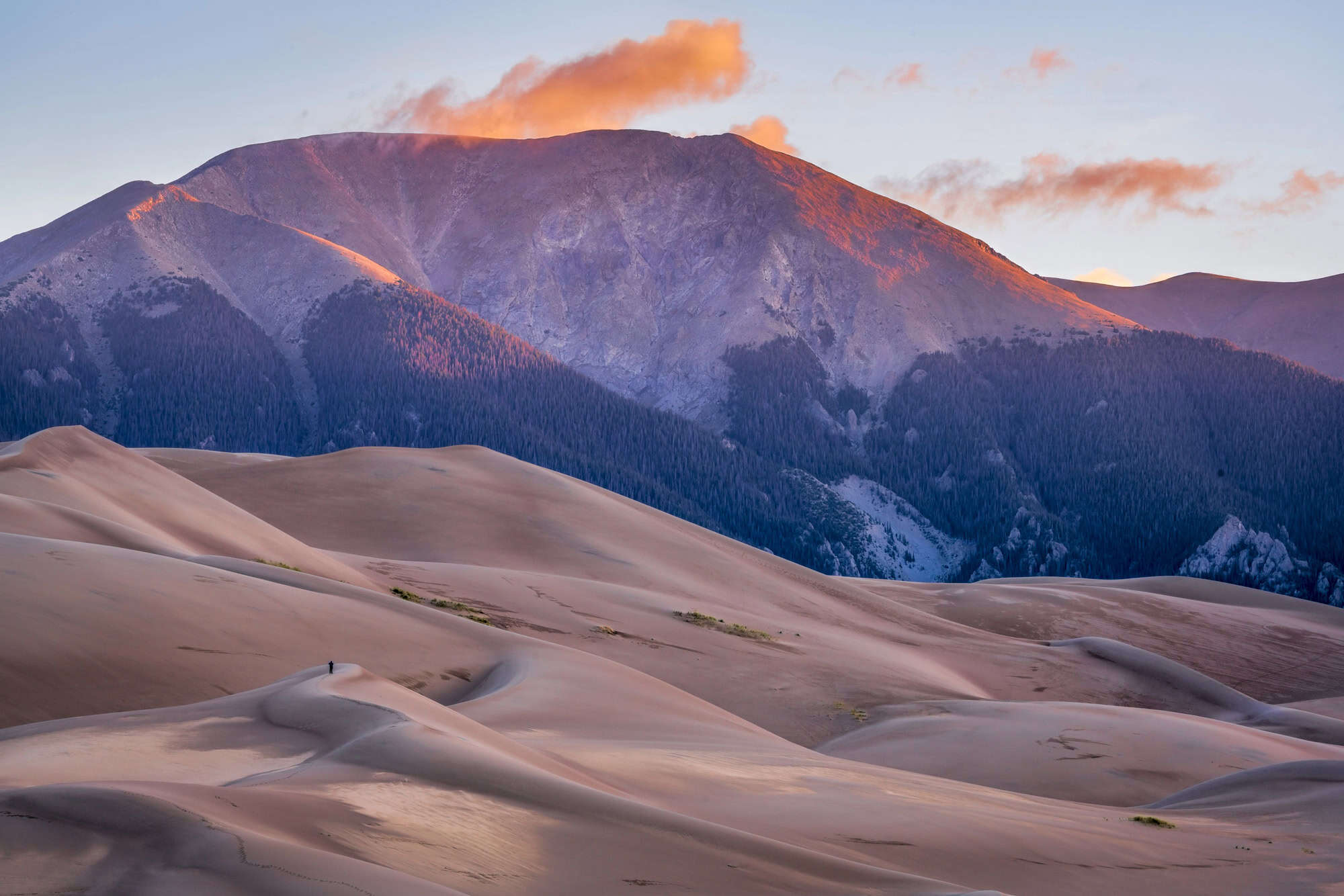
Where else can you sandboard down North America’s tallest dunes while gazing at snow-capped peaks? In late May, Medano Creek creates a beach paradise at 8,000 feet elevation, complete with waves. Visit during full moons from July through September for otherworldly night hikes across illuminated dunes without the daytime heat.
Mammoth Cave, Kentucky: The World’s Longest Cave, Shortest Lines
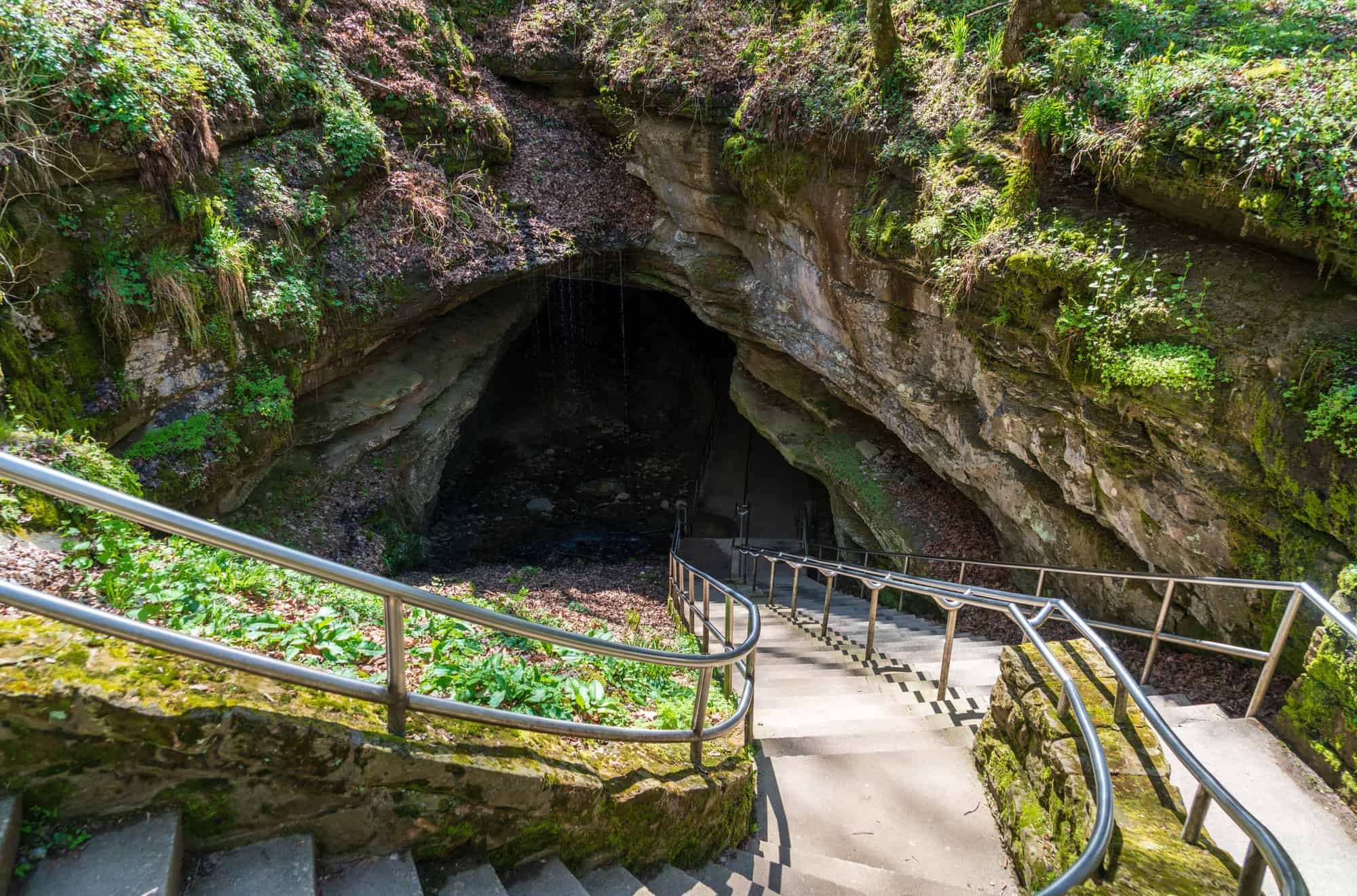
With 400 miles of surveyed passageways, you could fit several Yellowstones underground here. The cave maintains a constant 54°F year-round, making it a perfect escape from summer heat or winter cold. Book a historic lantern tour in March or November for smaller crowds and a taste of how 1800s visitors experienced these mysterious passages.
Katmai, Alaska: Where Bears Fish and Humans Watch (From a Safe Distance)
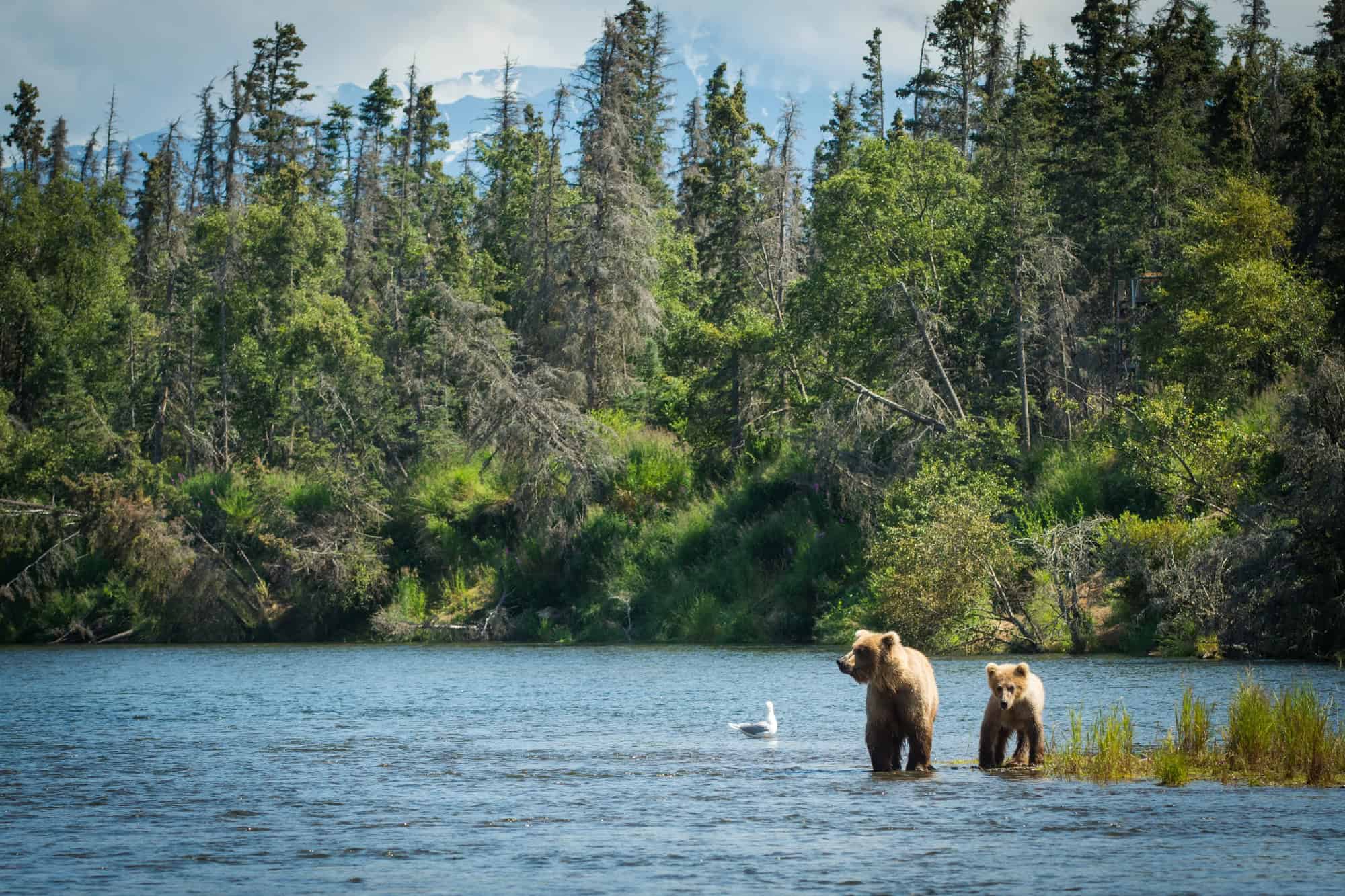
While Yellowstone visitors crowd around distant bears with telephoto lenses, at Brooks Falls, you can watch dozens of massive brown bears catch salmon mid-leap. July brings peak salmon runs and bear activity, while September offers stunning fall colors and fat, pre-hibernation bears without the peak-season crowds.
Capitol Reef, Utah: The Orchard-Filled Park That Time Forgot
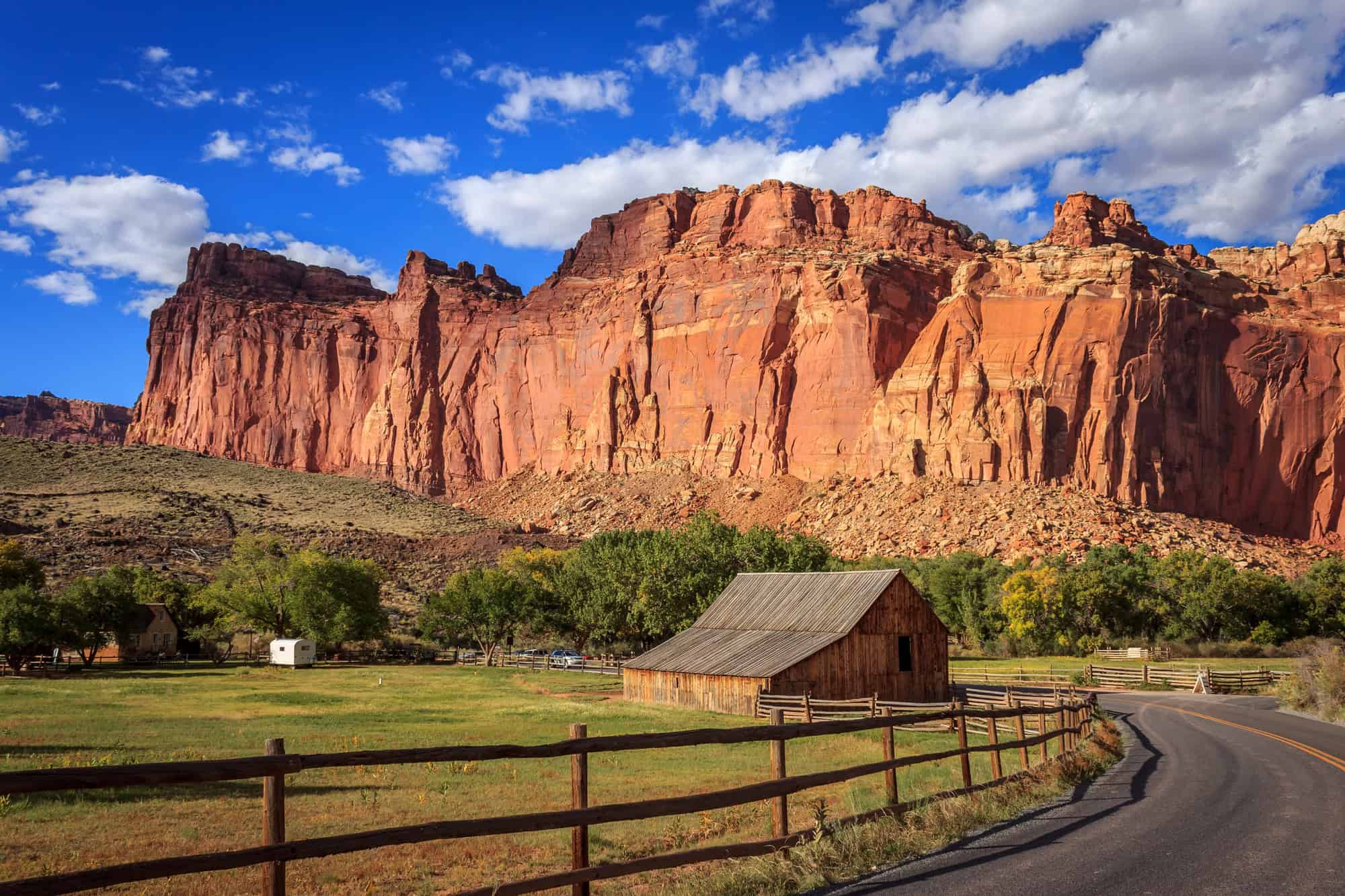
Hidden between Utah’s famous parks lies a red-rock wonderland where you can pick heirloom apples from 19th-century Mormon orchards. The Waterpocket Fold, a 100-mile wrinkle in Earth’s crust, creates a playground of cliffs, canyons, and domes. Visit in late September when the orchards hang heavy with fruit and temperatures are perfect for desert hiking.
Kings Canyon, California: Yosemite’s Quieter, Deeper Sister
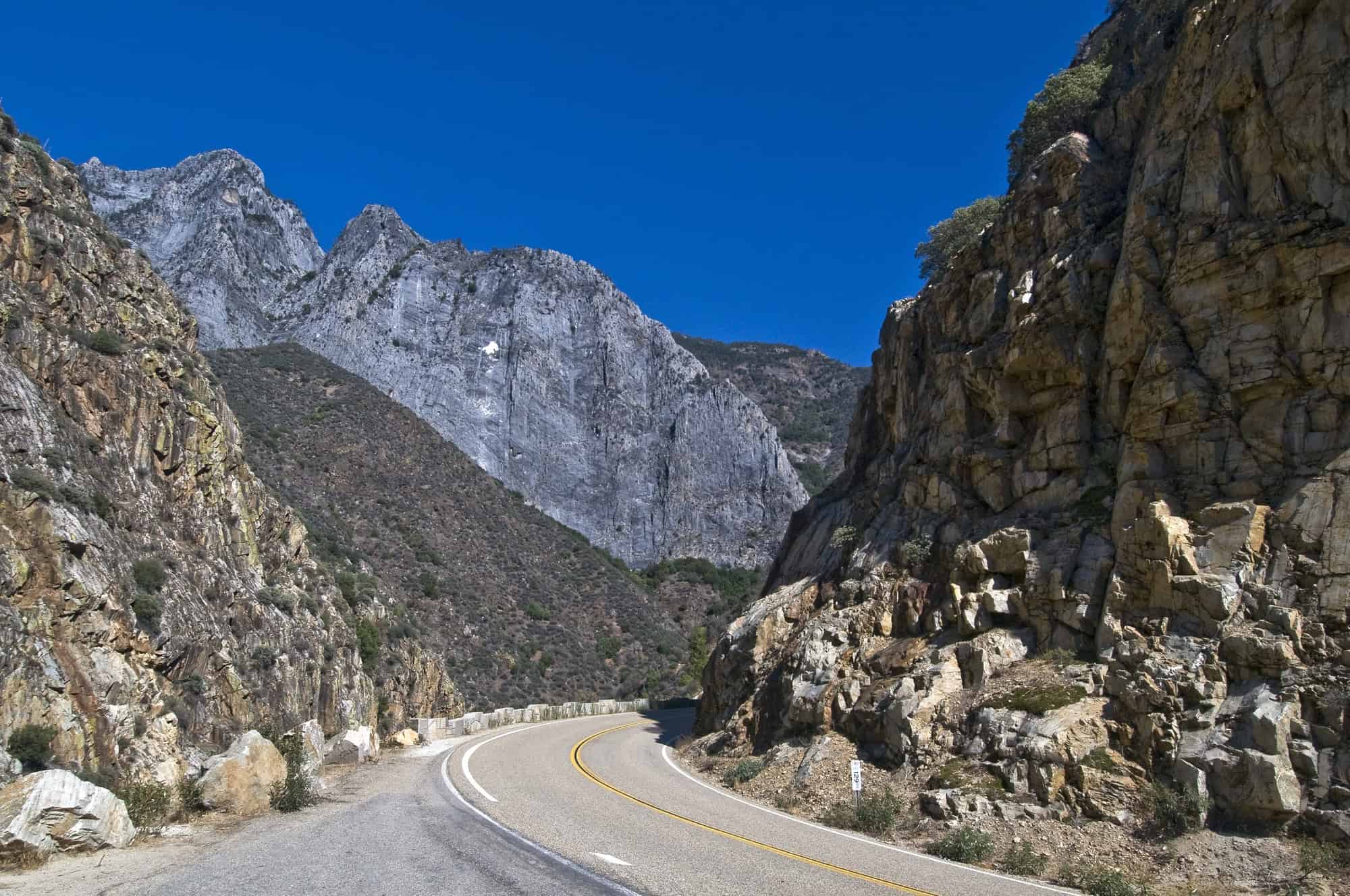
Deeper than the Grand Canyon and home to some of the world’s largest trees, Kings Canyon offers Yosemite-caliber grandeur without the traffic jams. The roar of waterfalls mingles with wind in the sequoias, while high country trails lead to alpine lakes that might see one hiker per day. Visit in June for peak waterfall flow or September for perfect hiking weather and fall colors in the high country.