

Forget everything you thought you knew about American wine country. While California’s Napa Valley has long dominated the domestic wine scene, an unexpected region is crafting award-winning vintages that turn heads in the wine world. With its dramatic seasonal changes and glacier-carved landscapes, the Midwest is emerging as America’s newest wine destination.
The Great Lakes Effect
Michigan’s Leelanau Peninsula has become one of the most exciting wine regions in North America. The secret lies in its unique microclimate, where Lake Michigan’s waters create a natural temperature regulation system that protects delicate vines from harsh winter freezes while extending the growing season. This “lake effect” produces ideal conditions for cool-climate varieties like Riesling, Pinot Noir, and Cabernet Franc.
Local vintners have learned to embrace what makes their terroir unique rather than trying to replicate California’s success story. The result? Wines with distinctive character that speak to their origin – crisp, aromatic whites and elegant reds that carry subtle mineral notes from the peninsula’s glacier-carved soils.
Ohio’s Hidden Gem
Just a few hours southeast, Ohio’s Grand River Valley is writing its own chapter in American wine history. The region’s microclimate, influenced by Lake Erie and the Grand River, creates growing conditions similar to those found in renowned European wine regions.
The area’s boutique wineries are producing standout wines from varieties like Chardonnay, Pinot Gris, and even ice wine – a specialty that requires precise winter conditions to produce. These aren’t your grandfather’s sweet Concord wines but sophisticated vintages that regularly earn spots in prestigious wine competitions.
A Tale of Two Wine Trails
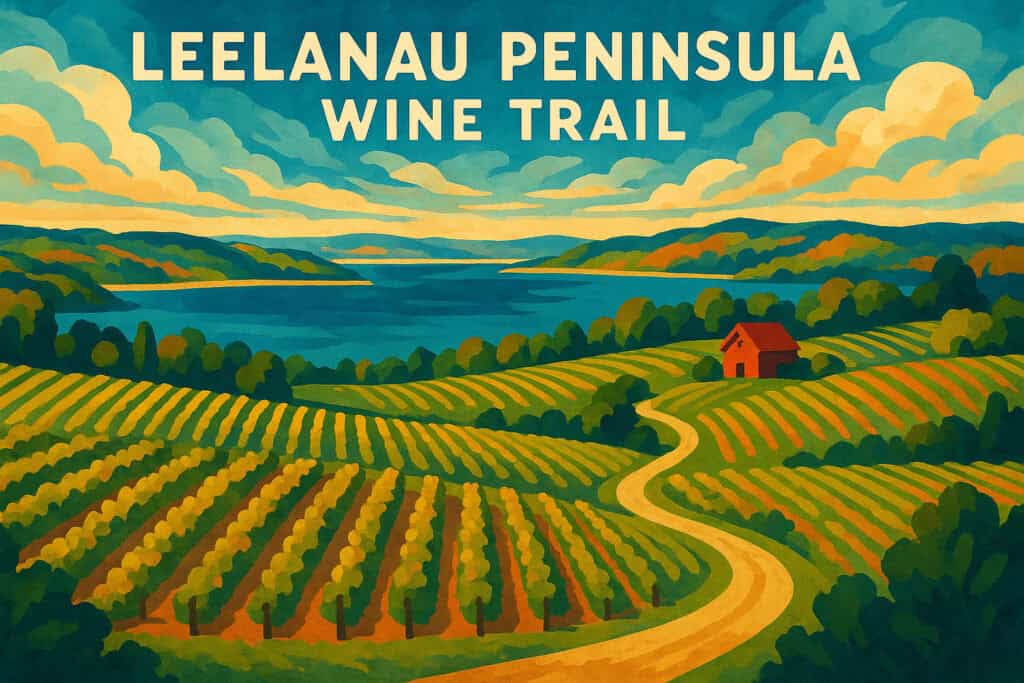
The Leelanau Peninsula Wine Trail connects over 25 wineries, each offering a distinct experience. Black Star Farms, with its luxury inn and farm-to-table restaurant, provides an elevated wine country experience, while family-owned operations like Chateau Fontaine offer intimate tastings where you might find yourself chatting with the winemaker.
Meanwhile, Ohio’s Grand River Valley wine route presents its own charms. Here, historic wineries like Ferrante Winery & Ristorante blend Italian heritage with Midwestern hospitality, while newer establishments like M Cellars push boundaries with their experimental vintages.
Beyond the Tasting Room
What sets these Midwest wine regions apart isn’t just what’s in the glass – it’s the complete experience. In Leelanau, winding roads offer breathtaking views of Lake Michigan, while cherry orchards and lavender fields create a pastoral backdrop that rivals Provence. The peninsula’s small towns, like Suttons Bay and Leland, provide charming stops between tastings.
Grand River Valley complements its wines with a rich cultural heritage. Historic covered bridges dot the landscape, and autumn brings a spectacular display of fall colors that make scenic drives between wineries an attraction in themselves.
A New Chapter in American Wine
This Midwestern wine renaissance isn’t just about producing great wine – it’s about creating a new American wine identity. These regions are proving that exceptional wines can come from unexpected places, and they’re doing it with a distinctly Midwestern approach: unpretentious, welcoming, and focused on quality rather than flash.
For wine enthusiasts looking to explore something new, these emerging regions offer an exciting alternative to traditional wine country destinations. The best time to visit? Late summer through fall, when the weather is mild and harvest activities are in full swing. Just don’t wait too long – this might be the last time you’ll hear these regions described as “undiscovered.”
As these wine regions continue to evolve and gain recognition, they’re not just changing perceptions about Midwest wines but rewriting the story of American winemaking. And for wine lovers, that’s something worth raising a glass to.