

While Marrakech dazzles with its sensory overload, Morocco’s true magic lies in its lesser-known corners. These hidden gems offer authentic encounters with ancient traditions, breathtaking landscapes, and warm Moroccan hospitality, without the aggressive haggling and tourist crowds. From snow-capped mountains to secret seaside towns, these destinations reveal the Morocco that locals cherish.
Chefchaouen: Where Every Shade of Blue Tells a Story
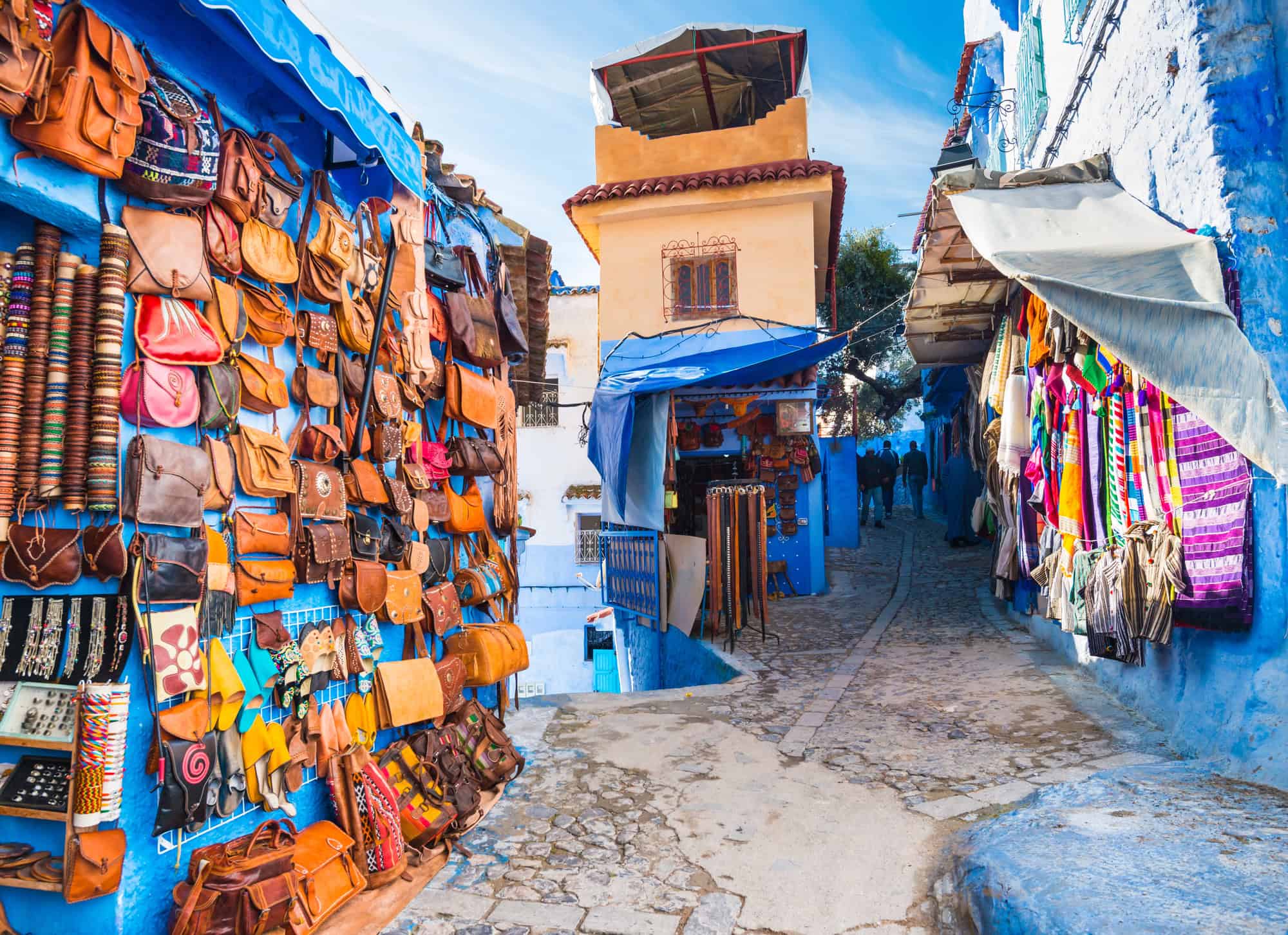
Nestled in the Rif Mountains, this azure-washed city feels like stepping into a living painting. Local legend claims the blue keeps mosquitoes away, while others say Jewish refugees introduced the color as a symbol of heaven. Whatever the reason, wandering these peaceful blue alleyways while cats doze in doorways offers a meditative experience far removed from Marrakech’s sensory assault.
Essaouira: Jimi Hendrix’s Favorite Moroccan Escape
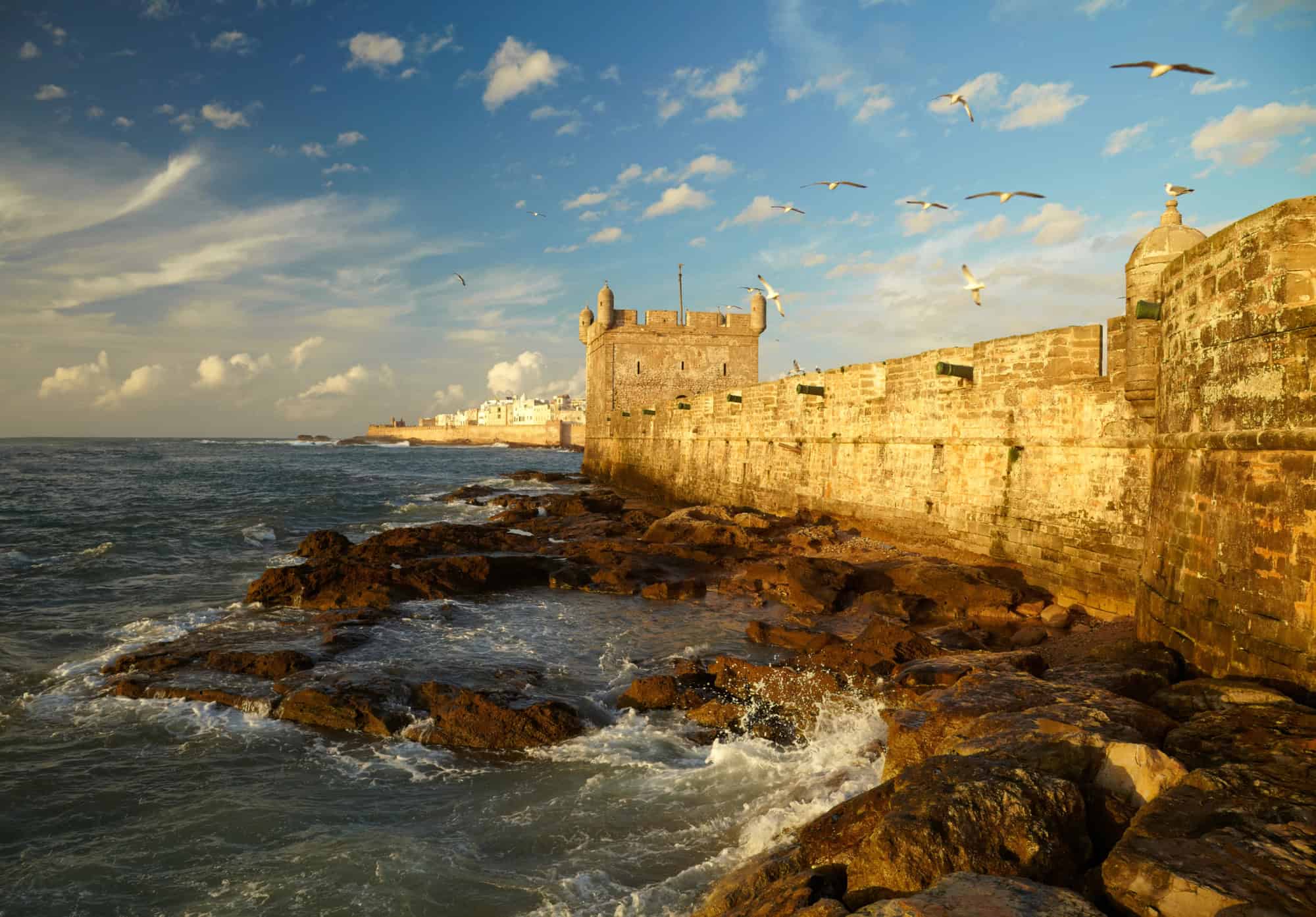
This windswept coastal town captured Hendrix’s imagination in the ’60s, and its bohemian spirit lives on. Watch traditional boat builders work in the harbor, where blue wooden vessels bob against ancient ramparts. The constant Atlantic breeze keeps summer temperatures pleasant, while local artisans craft intricate objects from fragrant thuya wood in centuries-old workshops.
Fez’s Hidden Tanneries: The Ancient Art of Leather-Making Lives On
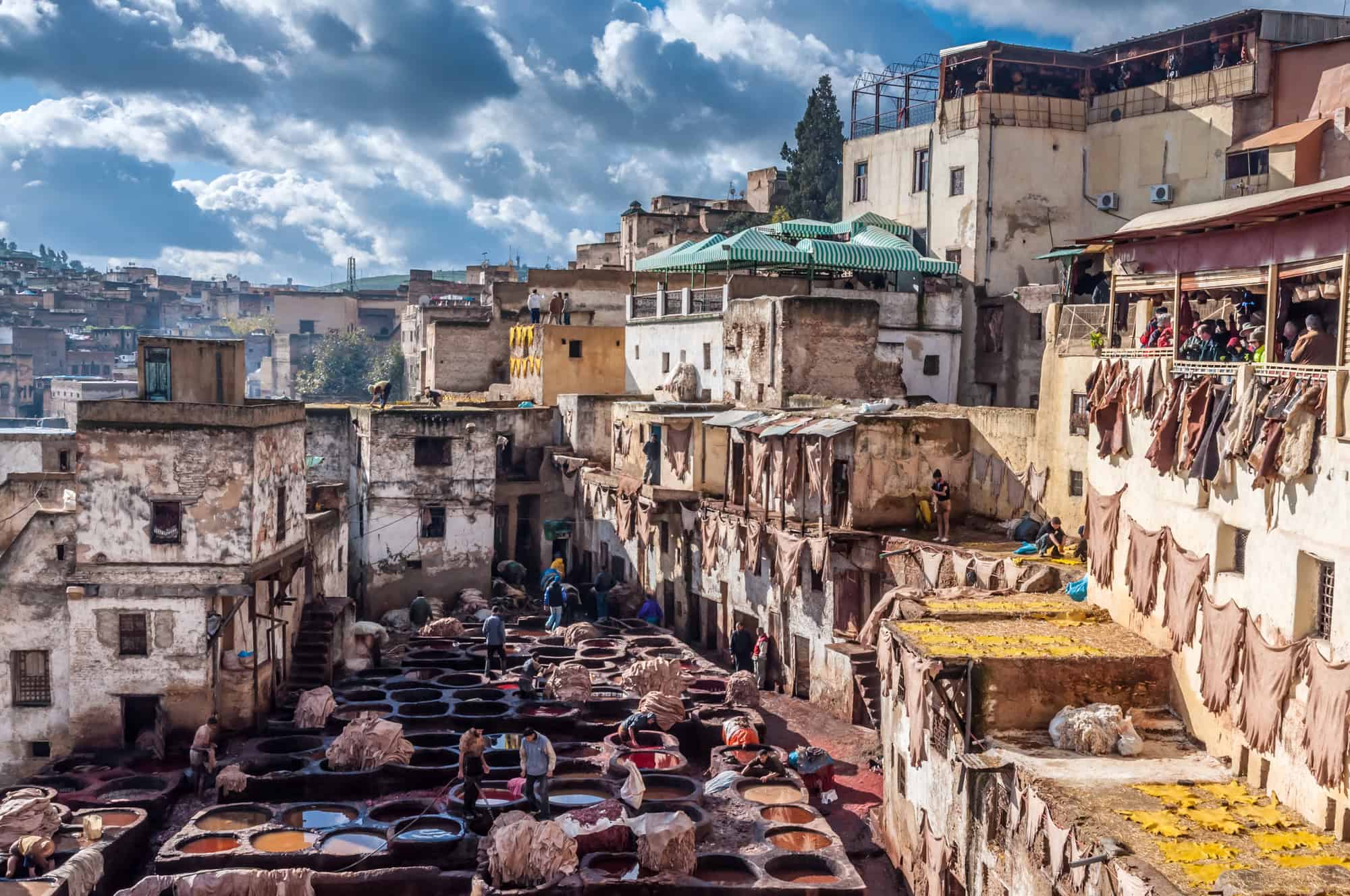
Beyond the famous Chouara Tannery lie smaller, family-run operations where leather-making techniques have remained unchanged since medieval times. Here, artisans still use pigeon droppings and natural dyes to create Morocco’s finest leather, just as their ancestors did centuries ago. Visit early in the morning to watch the vats come alive with color as craftsmen begin their daily work.
Merzouga: Where Sahara Nights Still Feel Like 1001 Tales
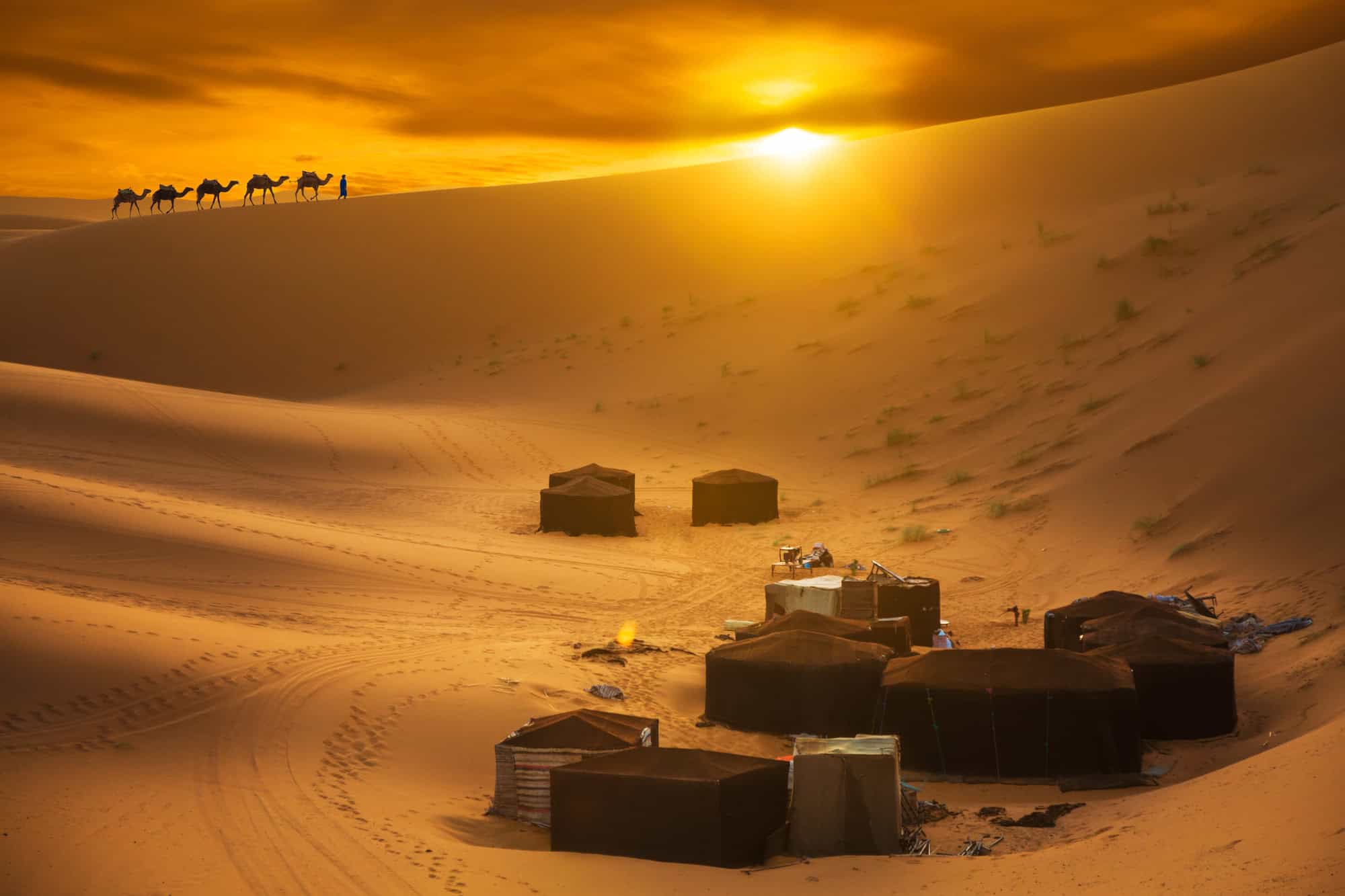
The massive dunes of Erg Chebbi rise like golden waves from the Sahara floor, reaching heights of 500 feet. Unlike more touristy desert camps, Merzouga’s traditional Berber settlements offer authentic desert experiences where you can learn about nomadic culture. As night falls, the star-filled sky becomes so clear you’ll understand why ancient astronomers chose these dunes as their observatories.
Volubilis: Rome’s Lost City in North Africa
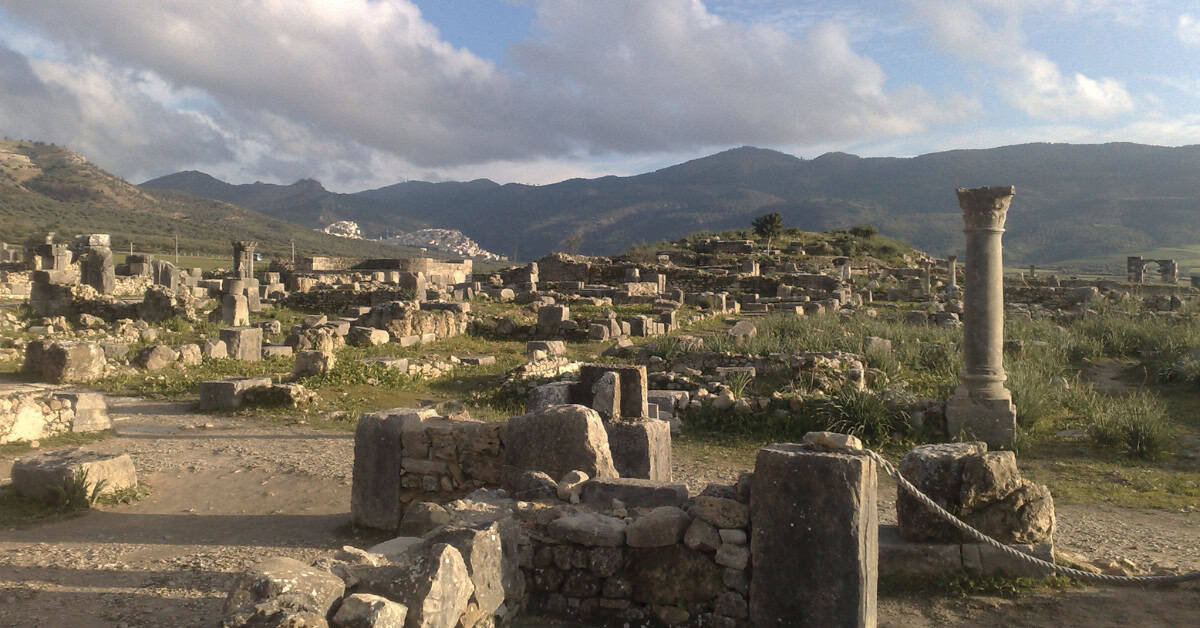
Standing amid these Roman ruins, you’ll find intact mosaics depicting Orpheus charming animals and dolphins playing in the Mediterranean. Unlike Italy’s crowded archaeological sites, here you can often have entire Roman streets to yourself. The hilltop location offers sweeping views of olive groves and wheat fields that haven’t changed much since Roman times.
Tafraoute: The Pink Valley Where Giants Painted Rocks Blue
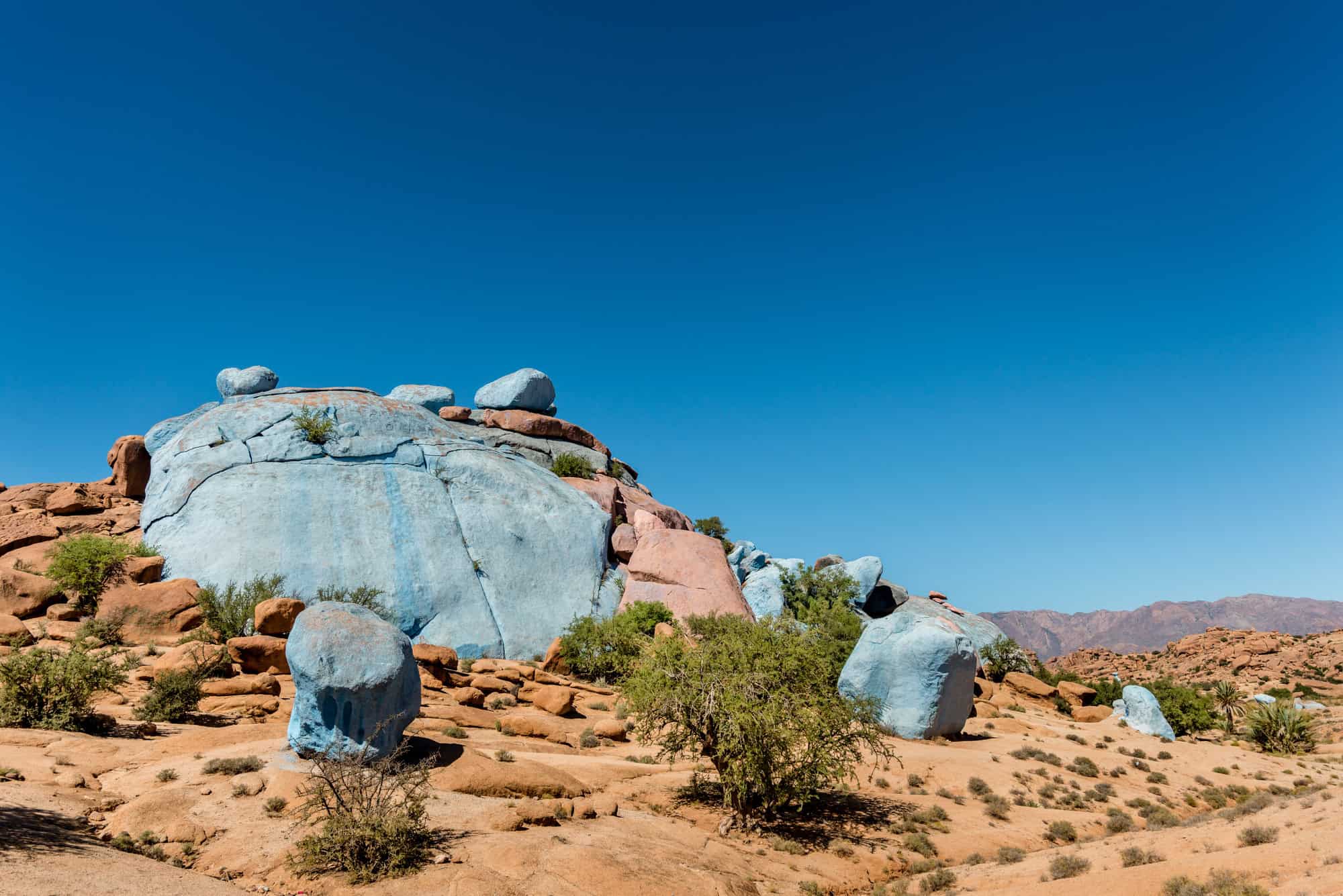
In 1984, Belgian artist Jean Verame transformed this valley’s pink granite boulders with 18 tons of blue paint, creating a surreal landscape that must be seen to be believed. The surrounding Anti-Atlas mountains glow pink at sunset, while ancient villages seem to grow organically from the rocky terrain. Local women still gather argan nuts here, continuing a centuries-old tradition.
Skoura’s Palm Grove: Morocco’s Real Oasis Life
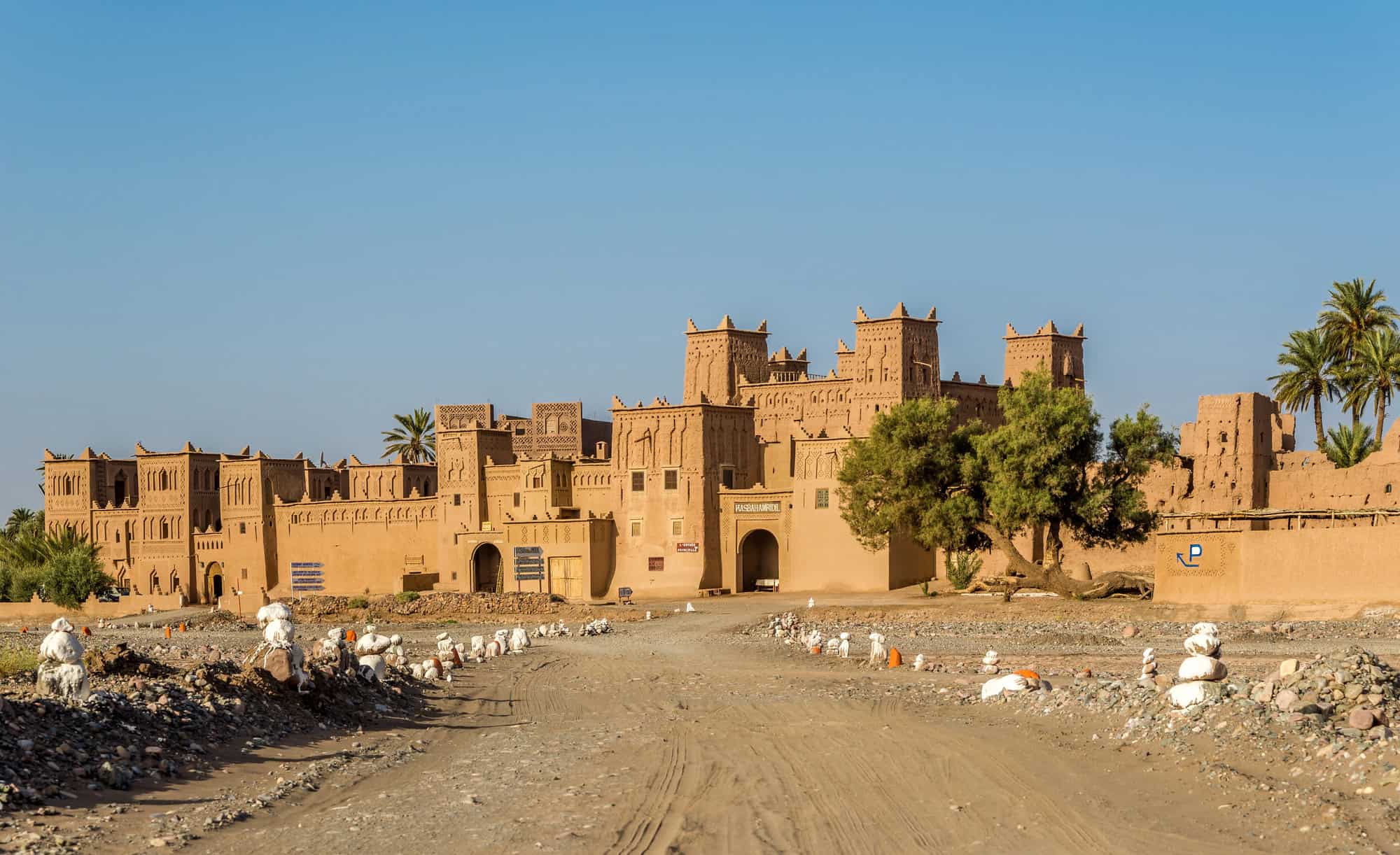
This lush oasis contains a forest of 700,000 palms and dozens of mudbrick kasbahs, earning it the nickname “Valley of One Thousand Kasbahs.” Families still tend their plots using medieval irrigation systems, growing almonds, apricots, and dates. The 17th-century Amridil Kasbah is a testament to desert architecture, its rooms naturally cooled by thick earthen walls.
Moulay Idriss: The Holy City That Tourism Forgot
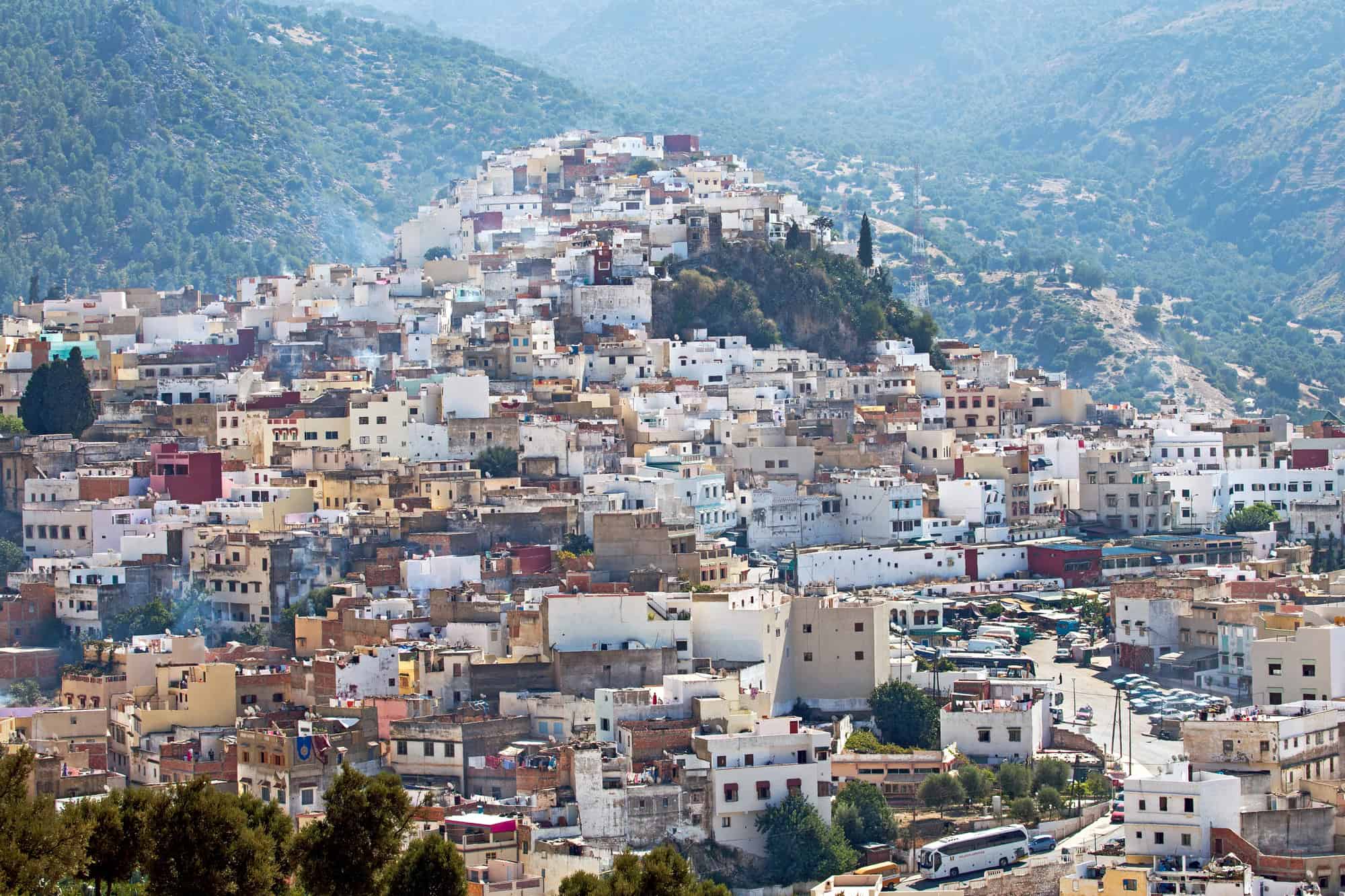
Until 2005, non-Muslims couldn’t stay overnight in this sacred town, founded by Morocco’s first Islamic ruler. The result is a preserved piece of authentic Moroccan life, where donkeys still deliver goods through narrow streets and traditional hammams remain gathering places for locals. The town’s distinctive split-mound shape creates a natural amphitheater filled with the sound of the call to prayer.
Taroudant: The ‘Grandmother of Marrakech’ Without the Chaos
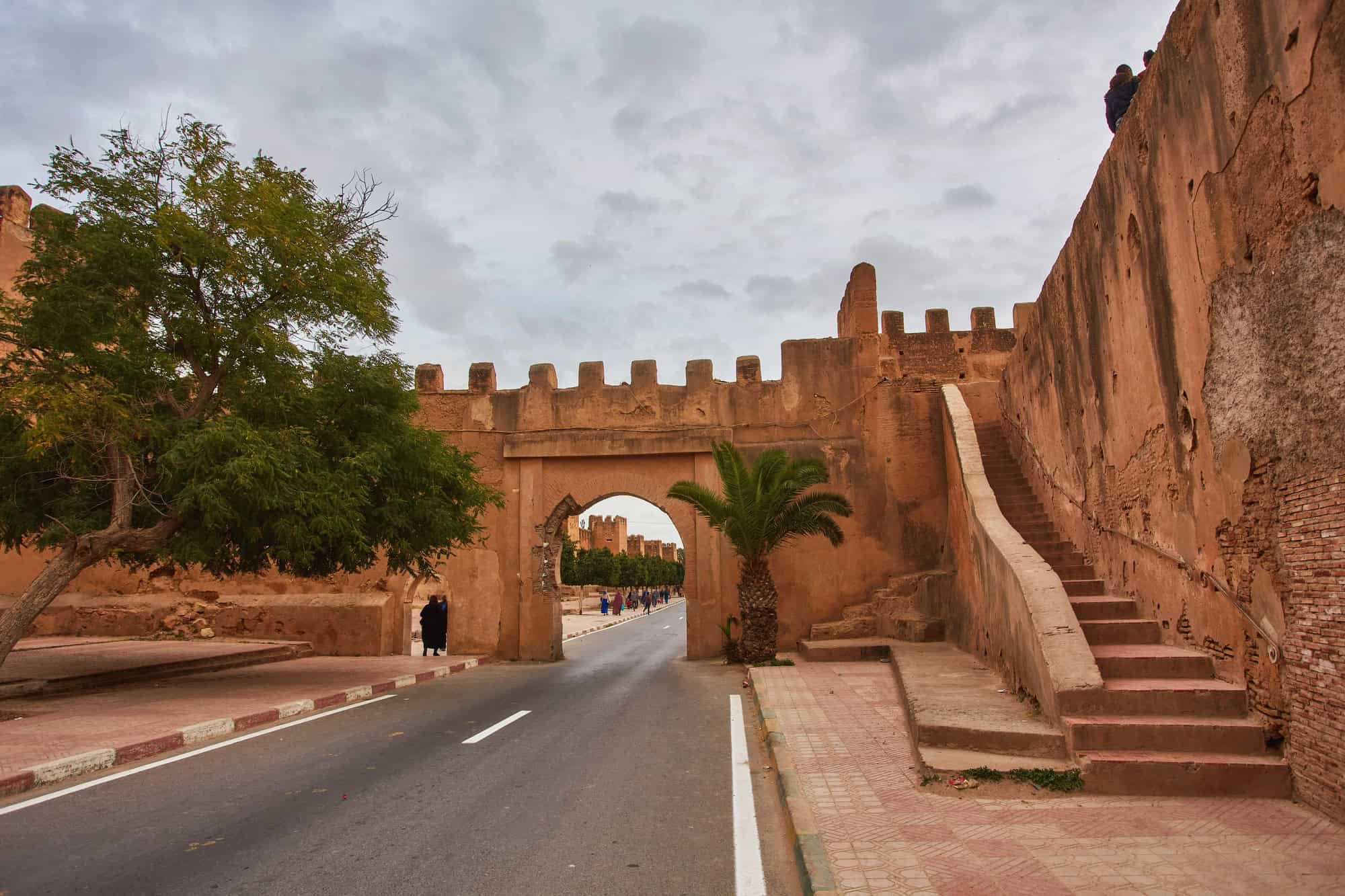
Encircled by magnificent red-mud walls, Taroudant offers all the charm of Marrakech as it was 50 years ago. The souks sell the same handicrafts but without the aggressive bargaining, while elderly men play endless games of checkers in the peaceful square. The evening light on the ancient walls creates a photographer’s paradise.
Mirleft: Where Surfers Meet Berber Traditions
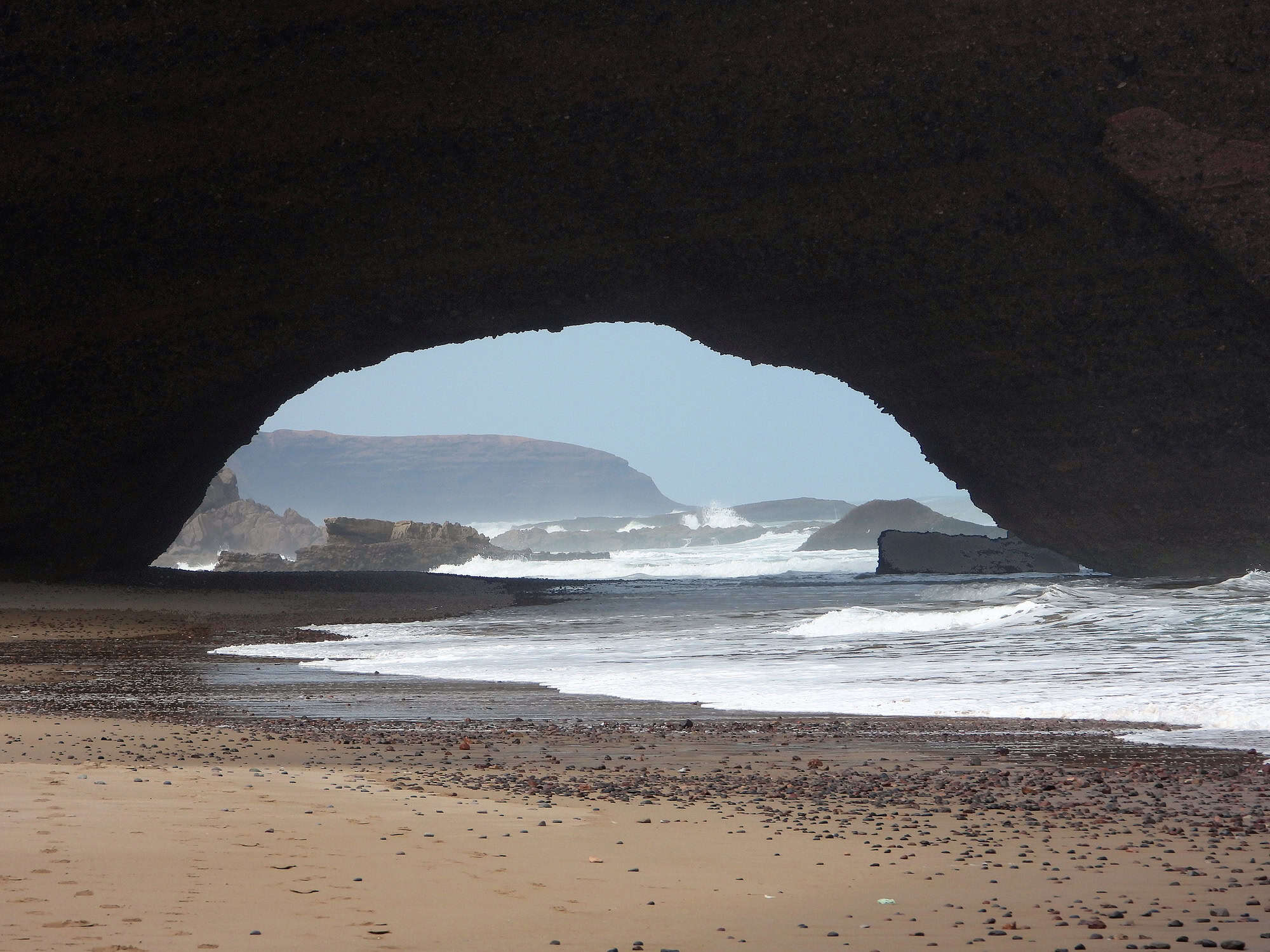
This laid-back coastal village combines world-class surf breaks with traditional Berber culture. Wild beaches tucked between dramatic cliffs offer perfect waves, while in town, elderly craftsmen still work silver using centuries-old techniques. The weekly souk brings mountain Berbers down to trade their goods, creating an authentic market experience unlike anything in tourist-heavy coastal towns.
Assilah: The Whitewashed Artists’ Haven by the Sea
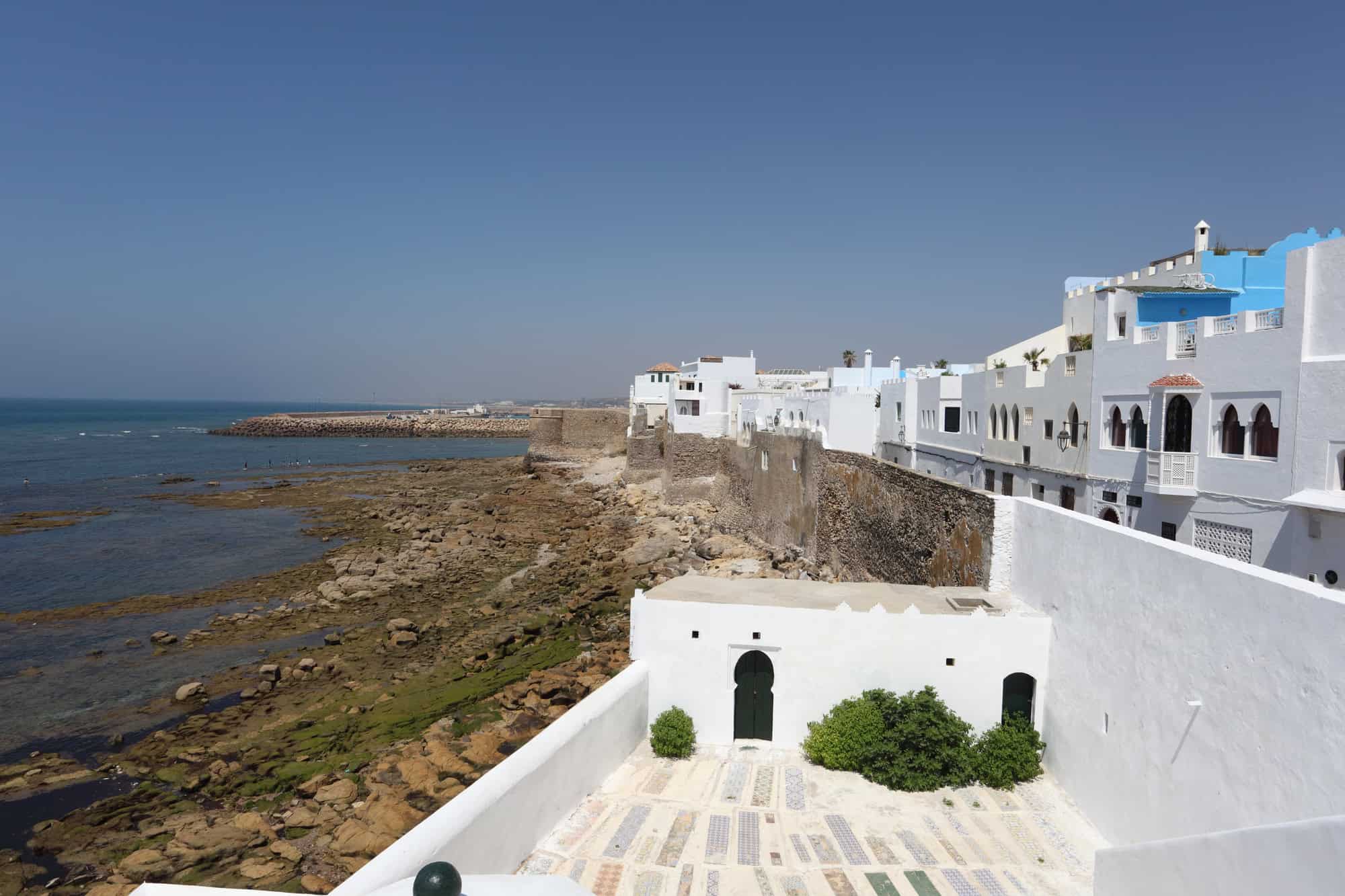
This Portuguese-influenced coastal town transforms into an open-air gallery during its annual cultural festival, when artists paint murals on the medina walls. The rest of the year, it’s a peaceful haven where you can watch Atlantic waves crash against medieval ramparts while enjoying the day’s catch at family-run restaurants. The evening paseo along the sea wall feels more Mediterranean than Moroccan.
Oualidia: Morocco’s Oyster Capital on a Secret Lagoon
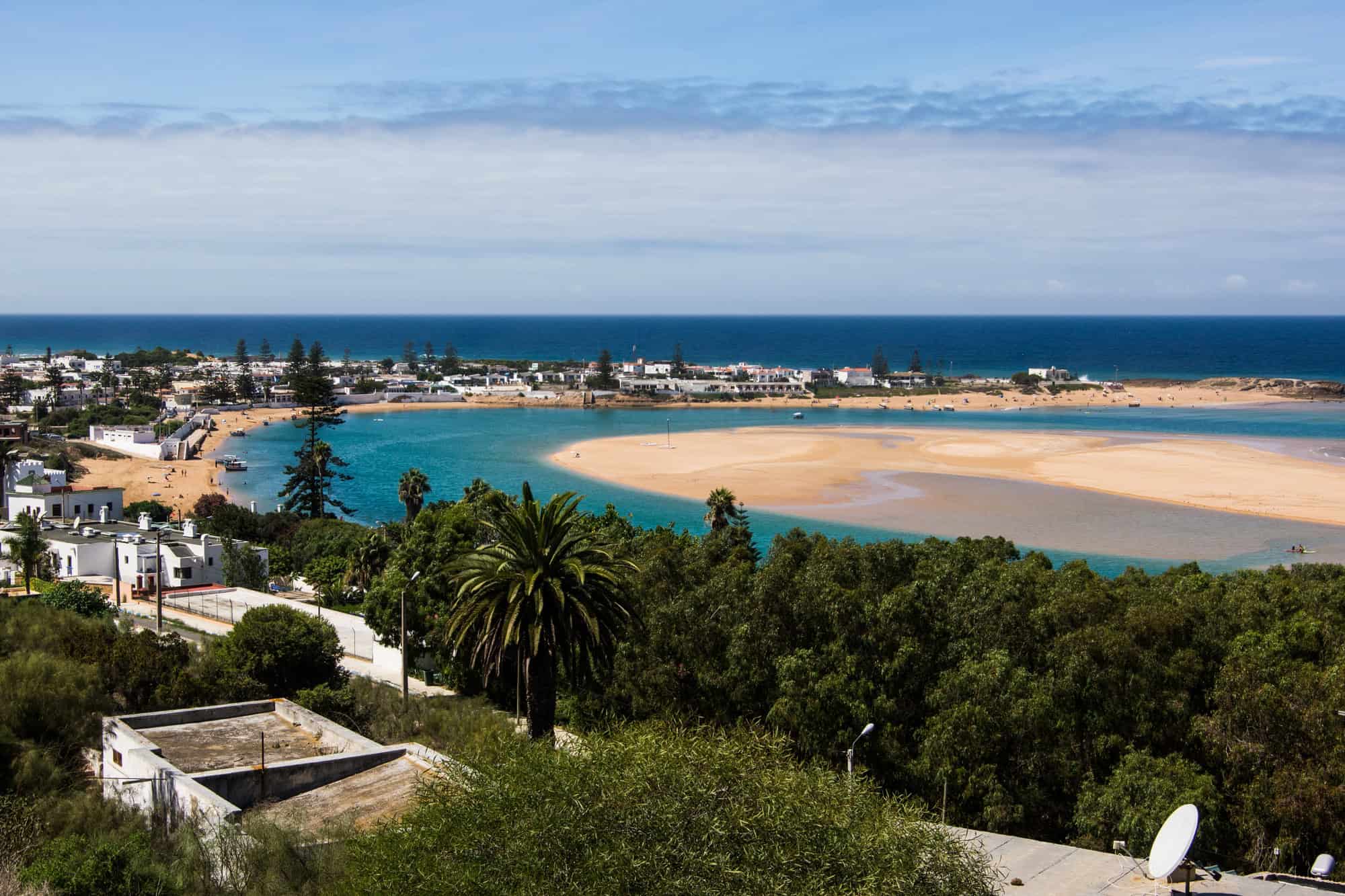
This crescent-shaped lagoon produces some of North Africa’s finest oysters, which have been harvested by traditional methods and have remained unchanged for generations. Flamingos wade in the shallow waters while fishermen pole their boats through the channels. The protected waters make it perfect for swimming, unlike Morocco’s wild Atlantic beaches.
El Jadida: The Portuguese Citadel Frozen in Time
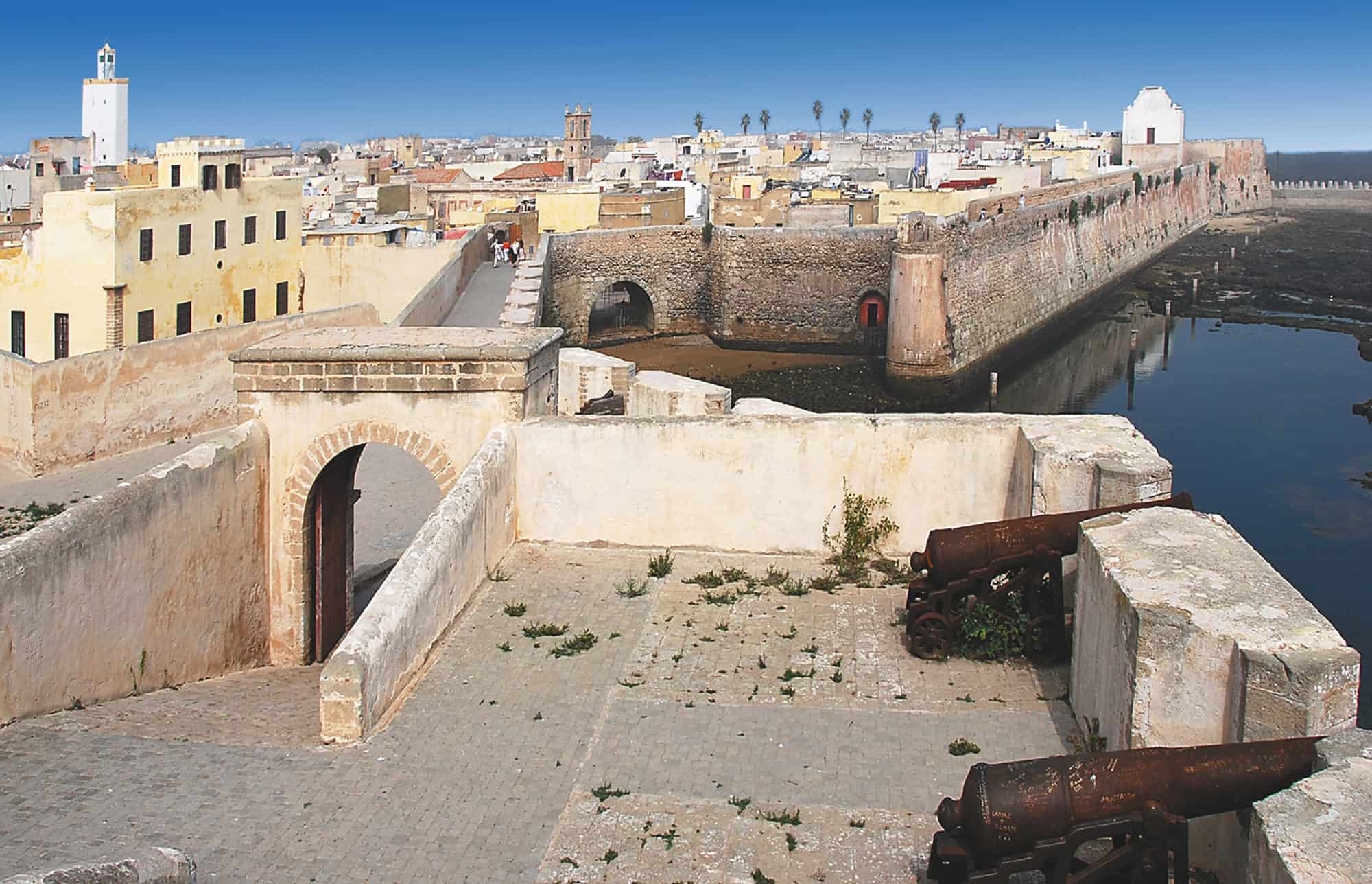
The haunting Portuguese cistern, where a single shaft of light creates perfect reflections in the shallow water, served as a filming location for Orson Welles’ “Othello.” The UNESCO-listed medina blends Portuguese and Moroccan architecture in surprising ways, while the ramparts offer perfect sunset views. Local families still live within the historic walls, giving the city an authentic feel missing from more tourist-oriented destinations.
Ifrane: Africa’s Little Switzerland, Complete with Snow
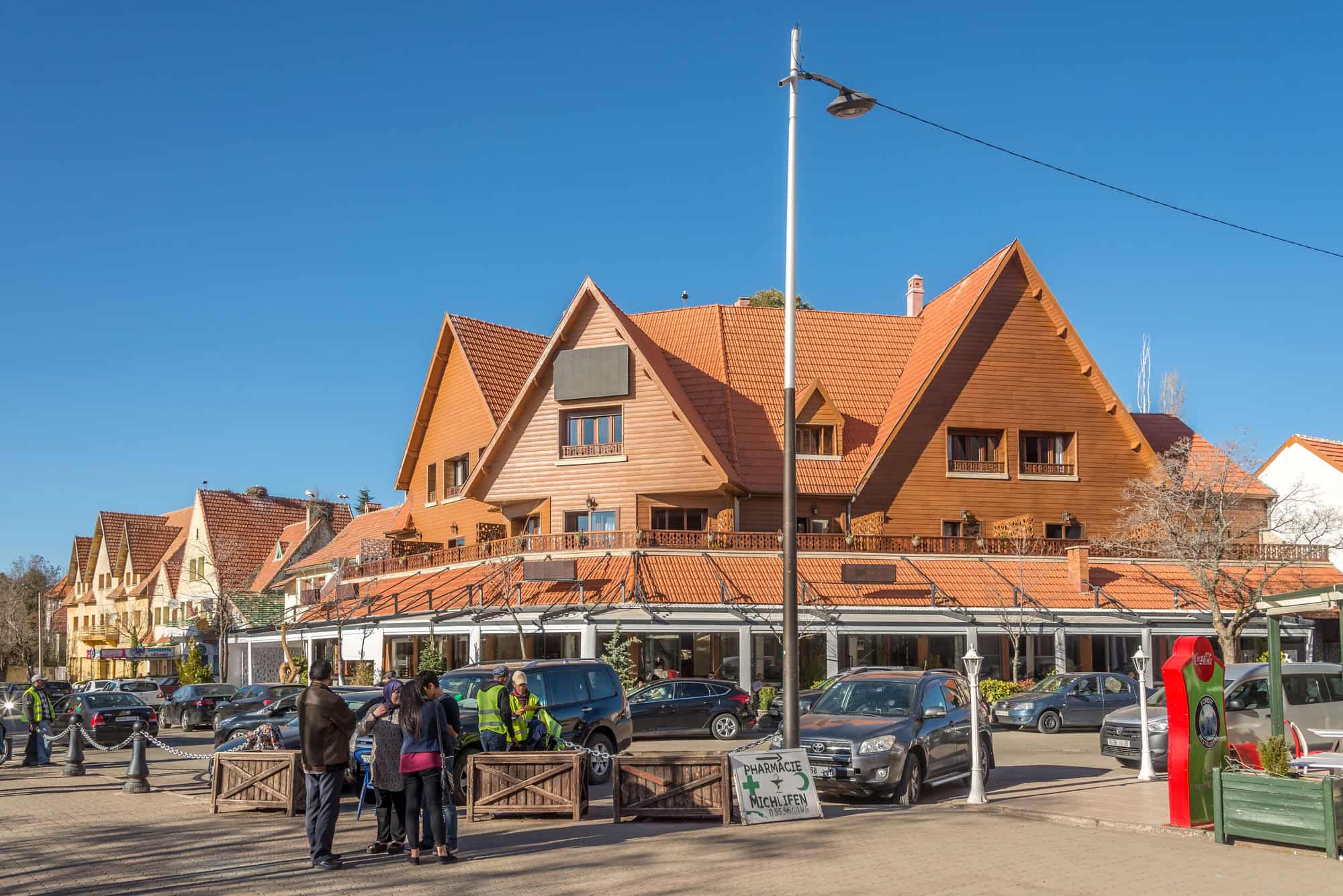
Built by the French in the 1930s to escape the summer heat, this Alpine-style town sits at 5,460 feet above sea level in the Middle Atlas Mountains. Red-roofed chalets and garden-lined streets look more Zurich than Sahara, while the nearby cedar forests harbor Barbary macaques. In winter, it becomes Africa’s premier ski resort, offering a surreal experience of snow in Morocco.
Midelt: Where Fossil Hunters Strike Gold
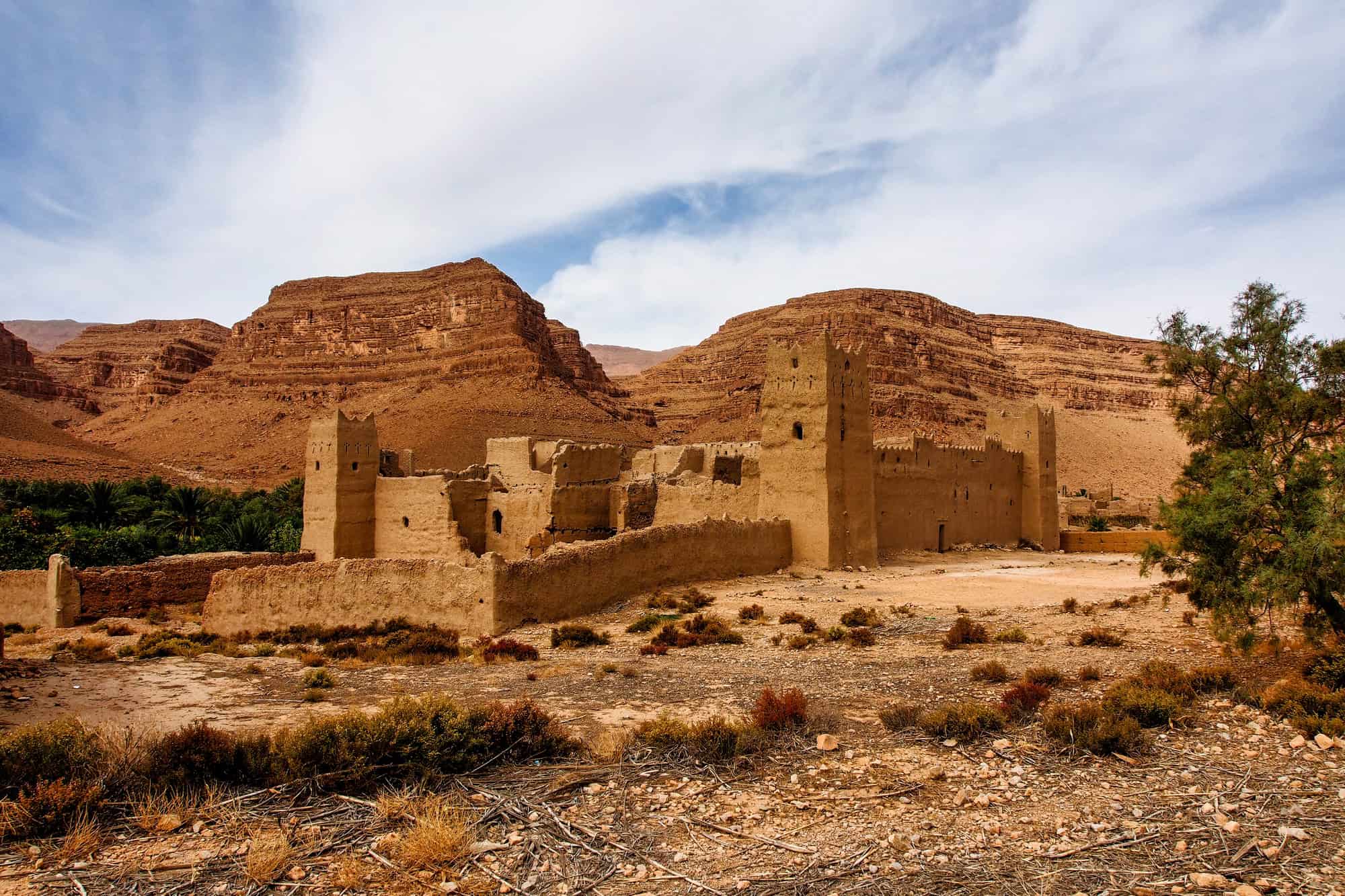
In this high-altitude town, local miners unearth some of the world’s finest trilobite fossils from ancient seabeds. The surrounding mineral-rich mountains produce stunning specimens of quartz, amethyst, and vanadinite crystals. Visit the weekly fossil market where dealers display specimens that would cost thousands in Western museums, all while snow-capped Mount Ayachi looms in the background.