

Are you ready to swap your ceiling for a canopy of stars this summer? Across the United States, there are campsites that not only offer a break from the daily grind but also some of the best starry skies you’re likely to see.
From the remote deserts to lush mountain valleys, this list of ten starry-skied campsites is your ticket to unforgettable summer nights. Grab your tent and let’s find that perfect spot to watch the stars!
Chaco Culture National Historical Park, New Mexico
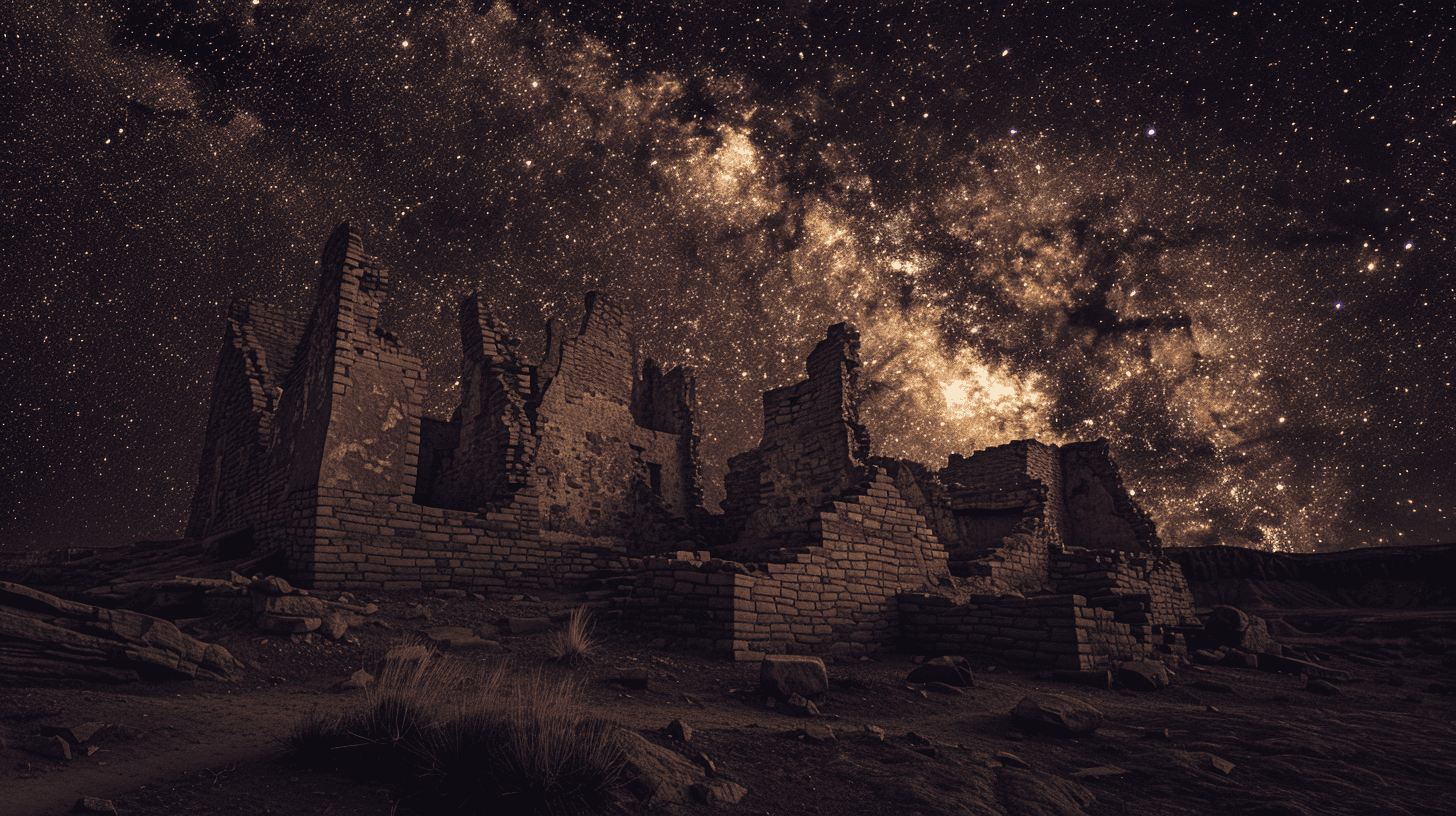
Chaco Culture National Historical Park in New Mexico offers a unique blend of ancient history and celestial spectacle, making it an ideal stop for your summer stargazing adventures. This UNESCO World Heritage Site, known for its well-preserved pre-Columbian ruins, also boasts some of the darkest skies in the nation, thanks to its remote location.
Here, the Milky Way shines with stunning clarity, creating a breathtaking backdrop for the massive stone buildings and ceremonial structures that date back to between 900 and 1150 AD. Whether you’re a history buff or an astronomy enthusiast, Chaco promises a profound connection with both the past and the cosmos above.
Acadia National Park, Maine
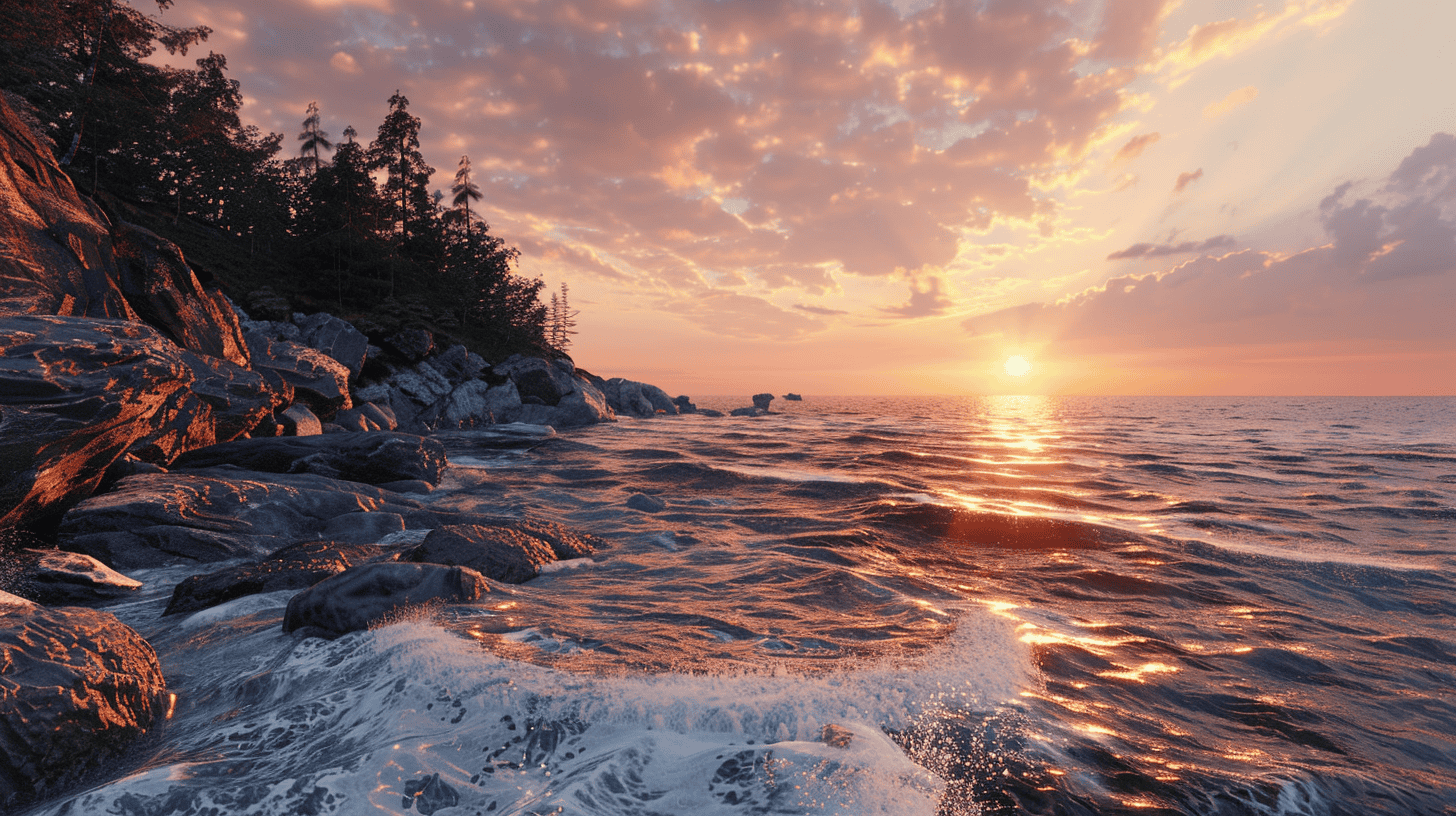
Acadia National Park in Maine offers a sublime mix of rugged coastal beauty and celestial wonders, making it a premier destination for campers and stargazers alike. By day, the park’s diverse landscape—from the soaring heights of Cadillac Mountain to its rocky shores—provides spectacular vistas of the Atlantic Ocean.
As dusk turns to night, Acadia’s status as a designated Dark Sky Park promises some of the clearest views of the Milky Way and star-studded skies in the eastern United States. Whether you’re hiking up mountains or setting up camp under the stars, Acadia National Park is a must-visit for those seeking both natural beauty and astronomical awe.
Death Valley National Park, California
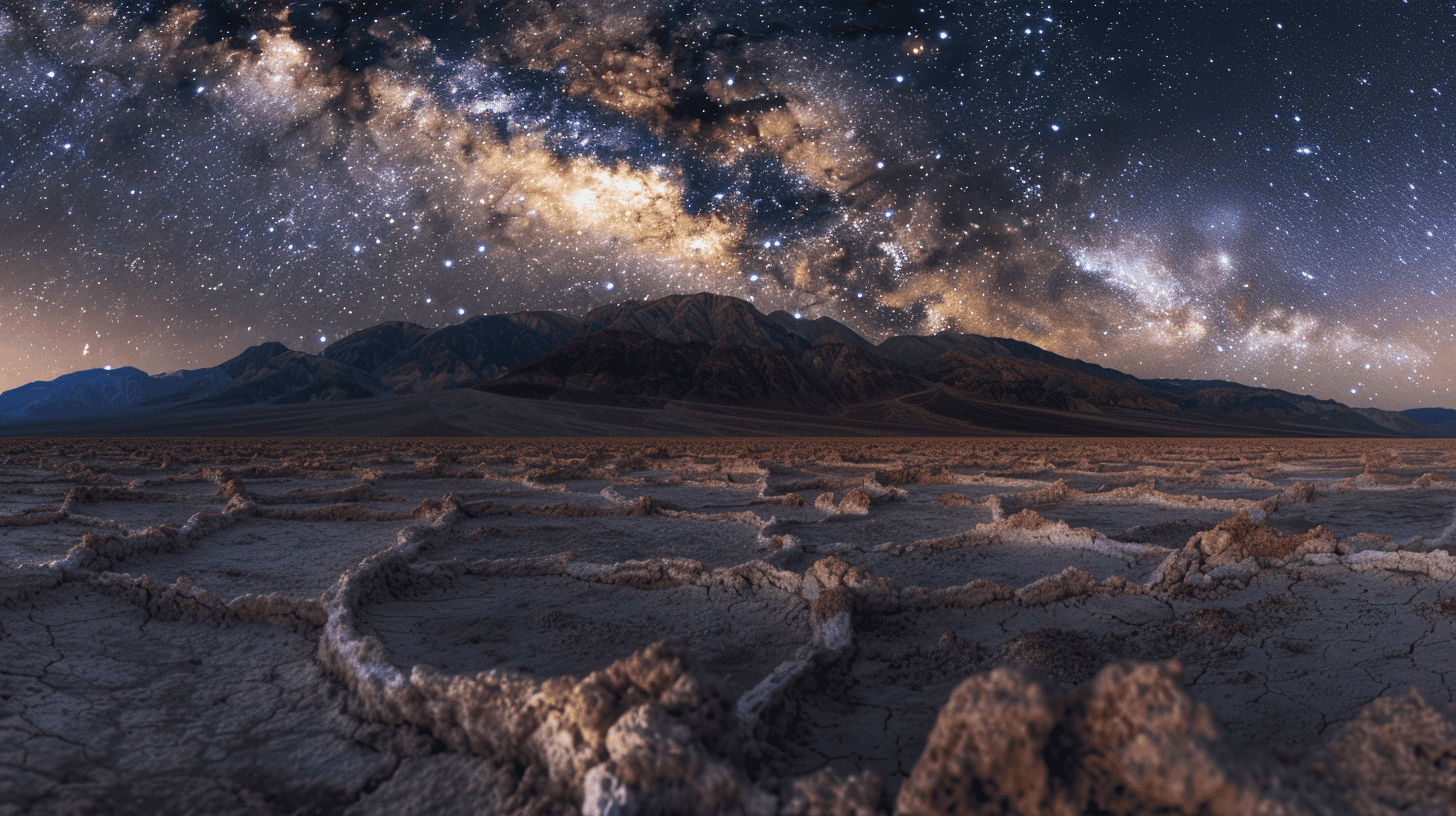
Nestled between California and Nevada, Death Valley National Park offers one of the most striking stargazing experiences in the United States. As an International Dark Sky Park, its vast, arid expanses and minimal light pollution reveal night skies bursting with stars, visible planets, and the Milky Way.
Ideal for both amateur astronomers and seasoned night sky photographers, Death Valley’s iconic spots like Zabriskie Point and the Mesquite Flat Sand Dunes provide a dramatic backdrop for celestial viewing. Don’t miss the park’s ranger-led astronomy programs where you can delve deeper into the wonders of the universe through telescopes and expert talks.
Crater Lake National Park, Oregon
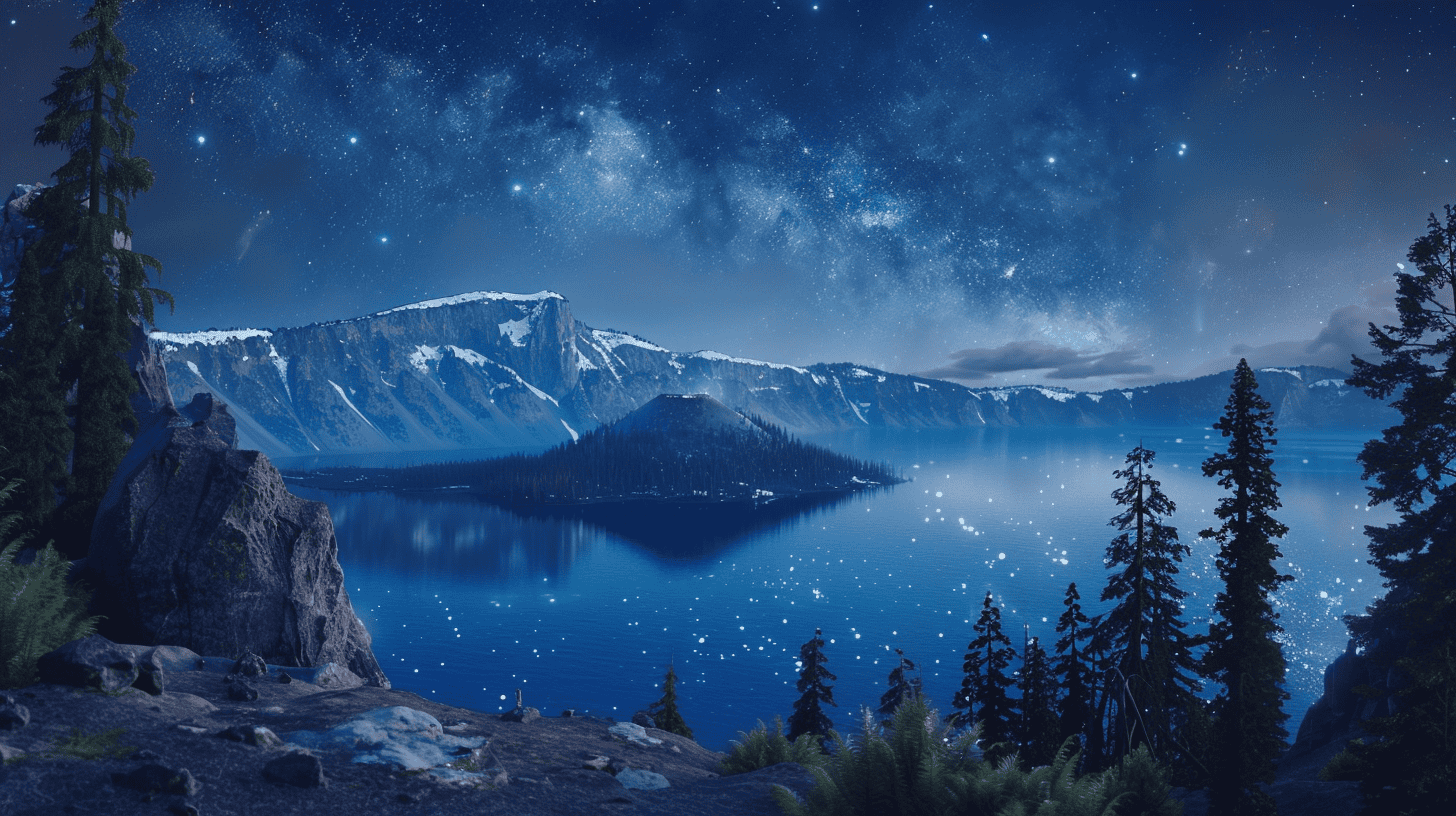
Situated in southern Oregon, Crater Lake National Park is renowned for its deep, crystal-clear waters and striking natural beauty. By day, the blue expanse of the United States’ deepest lake is framed by towering cliffs and lush old-growth forests.
As dusk settles, the park’s secluded setting and high elevation offer an unparalleled stargazing experience, with minimal light pollution to obscure the sparkling night sky. The reflection of stars and the Milky Way on the lake’s surface creates a mesmerizing, otherworldly vista, making Crater Lake a must-visit for both nature lovers and astronomy enthusiasts.
Natural Bridges National Monument, Utah
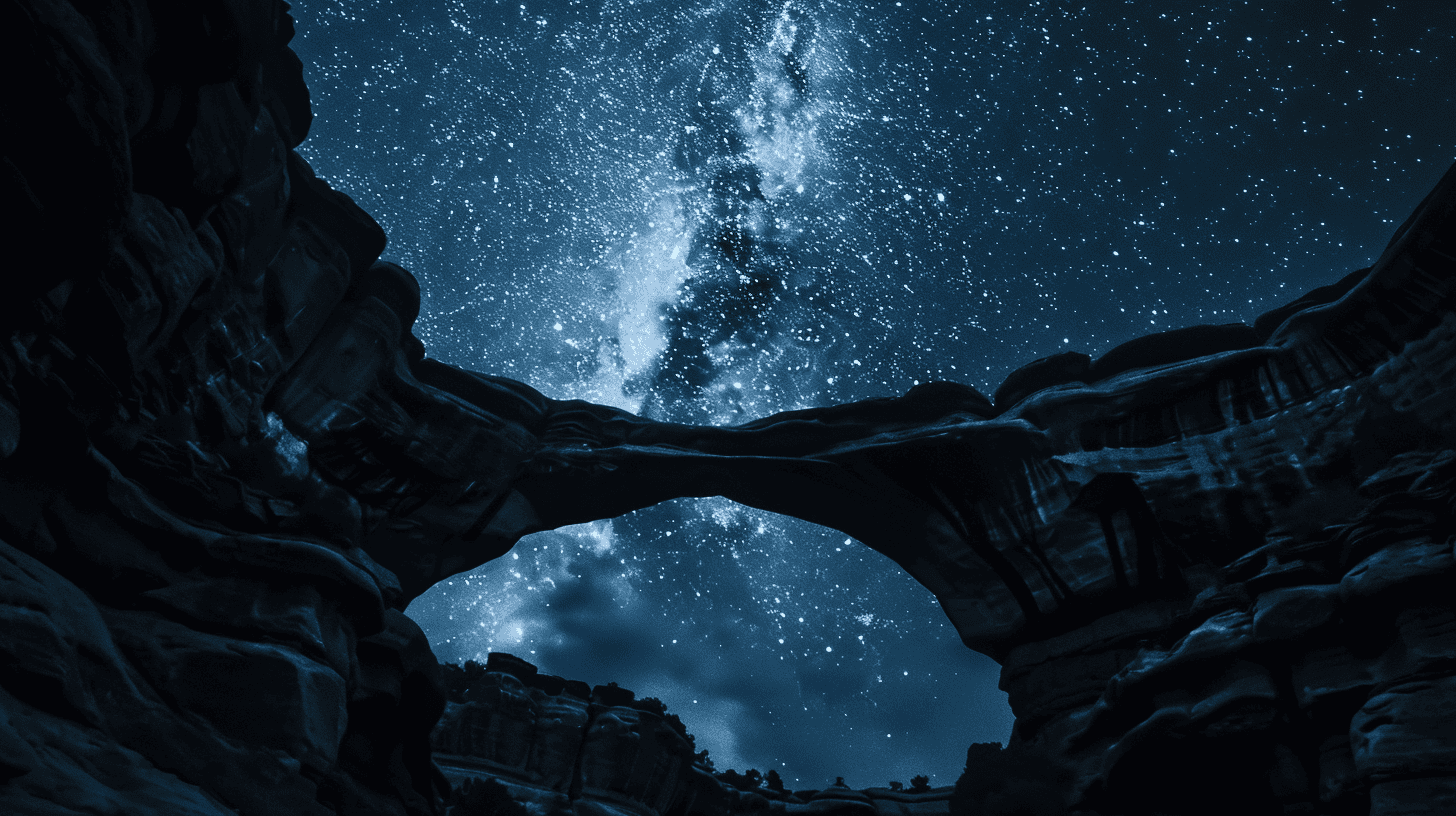
Located in southeastern Utah, Natural Bridges National Monument boasts some of the darkest and clearest skies, making it a premier destination for stargazers. Recognized as the world’s first International Dark Sky Park, the monument offers a spellbinding view of the Milky Way, framed by its iconic natural stone bridges—Kachina, Owachomo, and Sipapu.
These colossal sandstone arches, carved over millennia by the forces of water, stand as dramatic silhouettes against the night sky, providing a perfect backdrop for awe-inspiring night photography and celestial observation. Join one of the ranger-led stargazing programs to deepen your appreciation of the dark, star-filled heavens that crown this ancient landscape.
Big Bend National Park, Texas
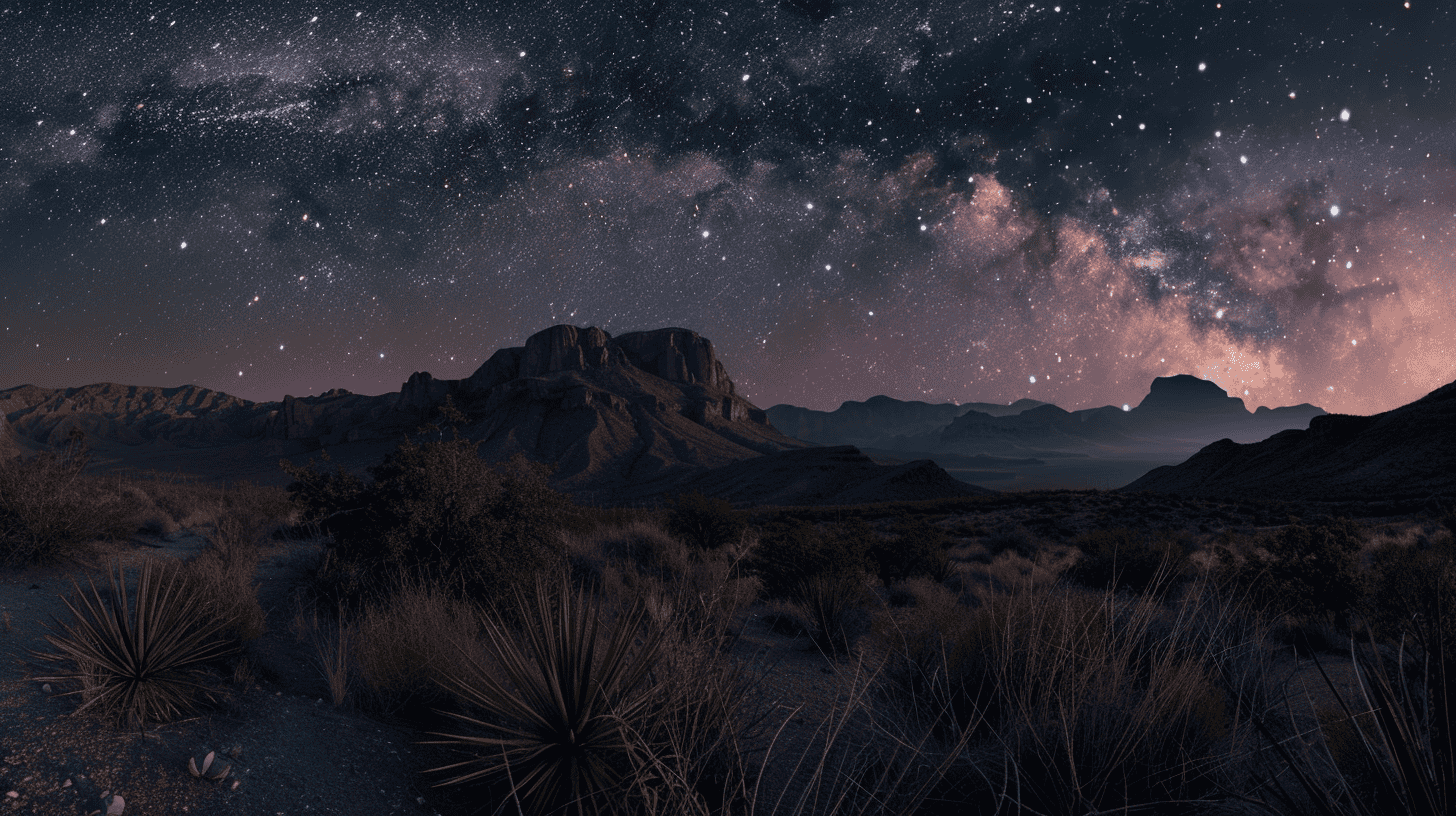
Big Bend National Park in remote Southwest Texas offers a stargazing experience unlike any other, thanks to its designation as an International Dark Sky Park. This vast, secluded park stretches over 800,000 acres, featuring a rare mix of desert, mountain, and river landscapes.
By night, its exceptionally dark skies allow the Milky Way to cast a visible shadow, highlighting the natural celestial clarity. For those passionate about the cosmos, Big Bend’s ranger-led astronomy programs and star parties provide an in-depth look at the stars and planets in one of the darkest spots in North America.
Glacier National Park, Montana
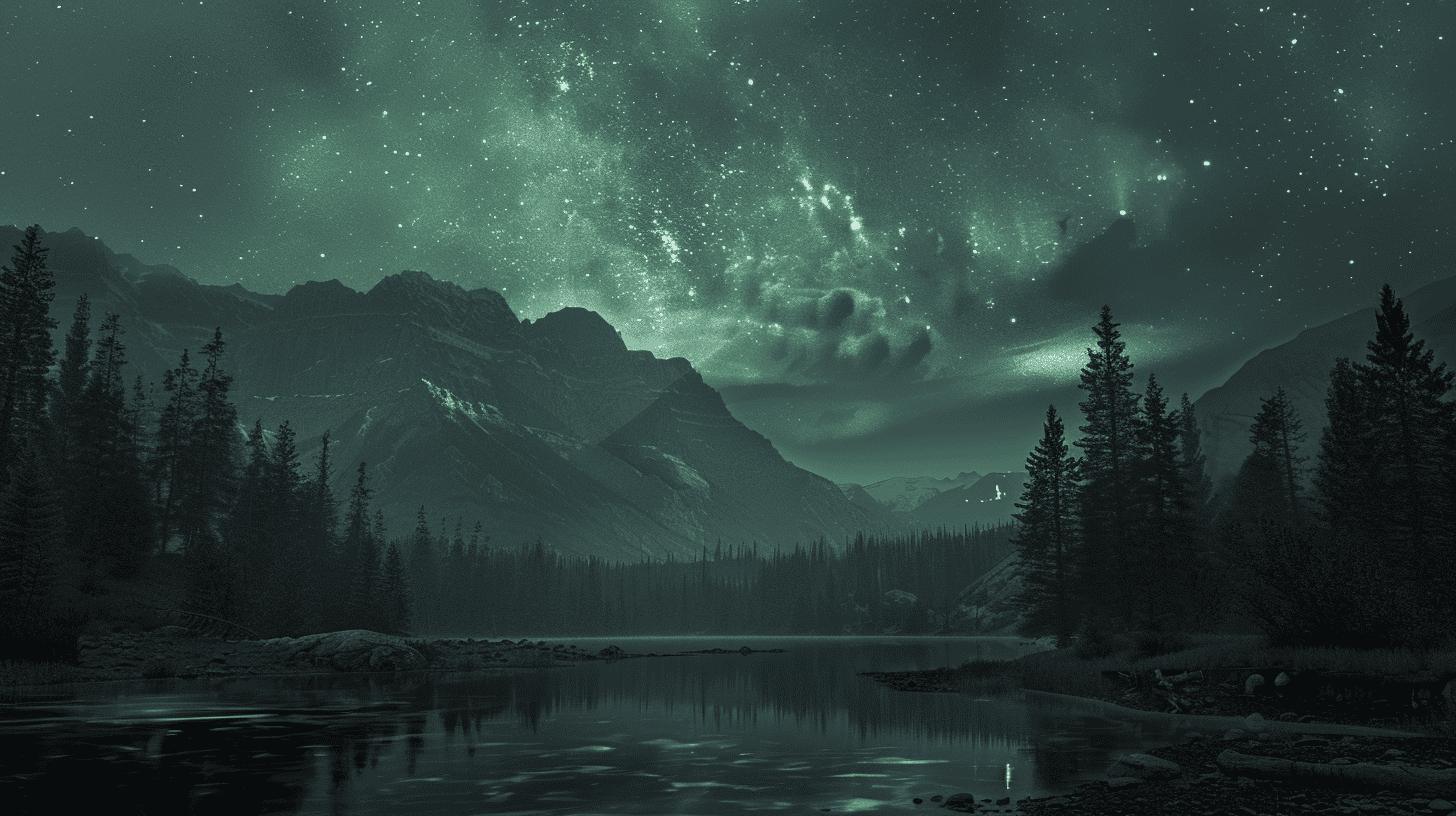
Glacier National Park in northern Montana offers a stellar camping destination with its vast, wild skies ideal for stargazing. By night, the park’s remote location and minimal light pollution allow for clear views of the dazzling Northern Lights amidst a backdrop of rugged mountains and alpine meadows.
The park’s high elevation enhances the visibility of vibrant auroral displays, creating a breathtaking natural light show in hues of green, pink, and purple. For a closer look at the stars, Glacier’s astronomy programs provide insightful ranger-led sessions that explore the mysteries of the cosmos and the science behind the auroras.
Great Basin National Park, Nevada
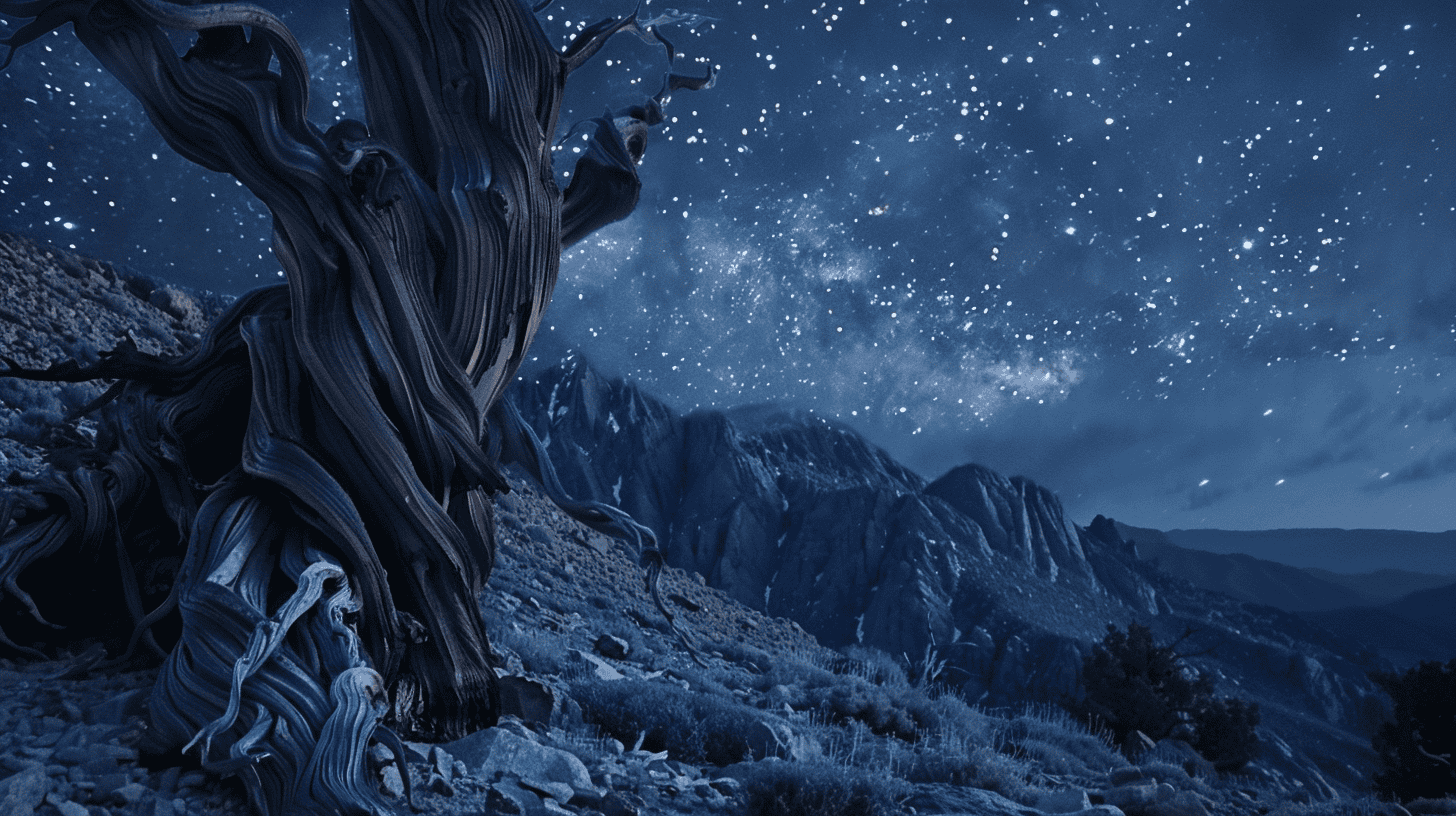
Great Basin National Park in eastern Nevada, near the Utah border, offers a secluded escape into nature with some of the clearest night skies in the continental U.S. Known for its ancient bristlecone pines, which rank among the oldest living trees on Earth, the park provides not only a connection to the ancient natural world but also spectacular mountain vistas from high elevations like Wheeler Peak.
As an International Dark Sky Park, Great Basin transforms at night into a stargazer’s paradise, where the Milky Way and distant galaxies unfold above in stunning clarity. Visitors can deepen their celestial knowledge through the park’s regular astronomy programs, making it a top destination for those eager to explore the universe from a pristine, mountainous backdrop.
Cherry Springs State Park, Pennsylvania
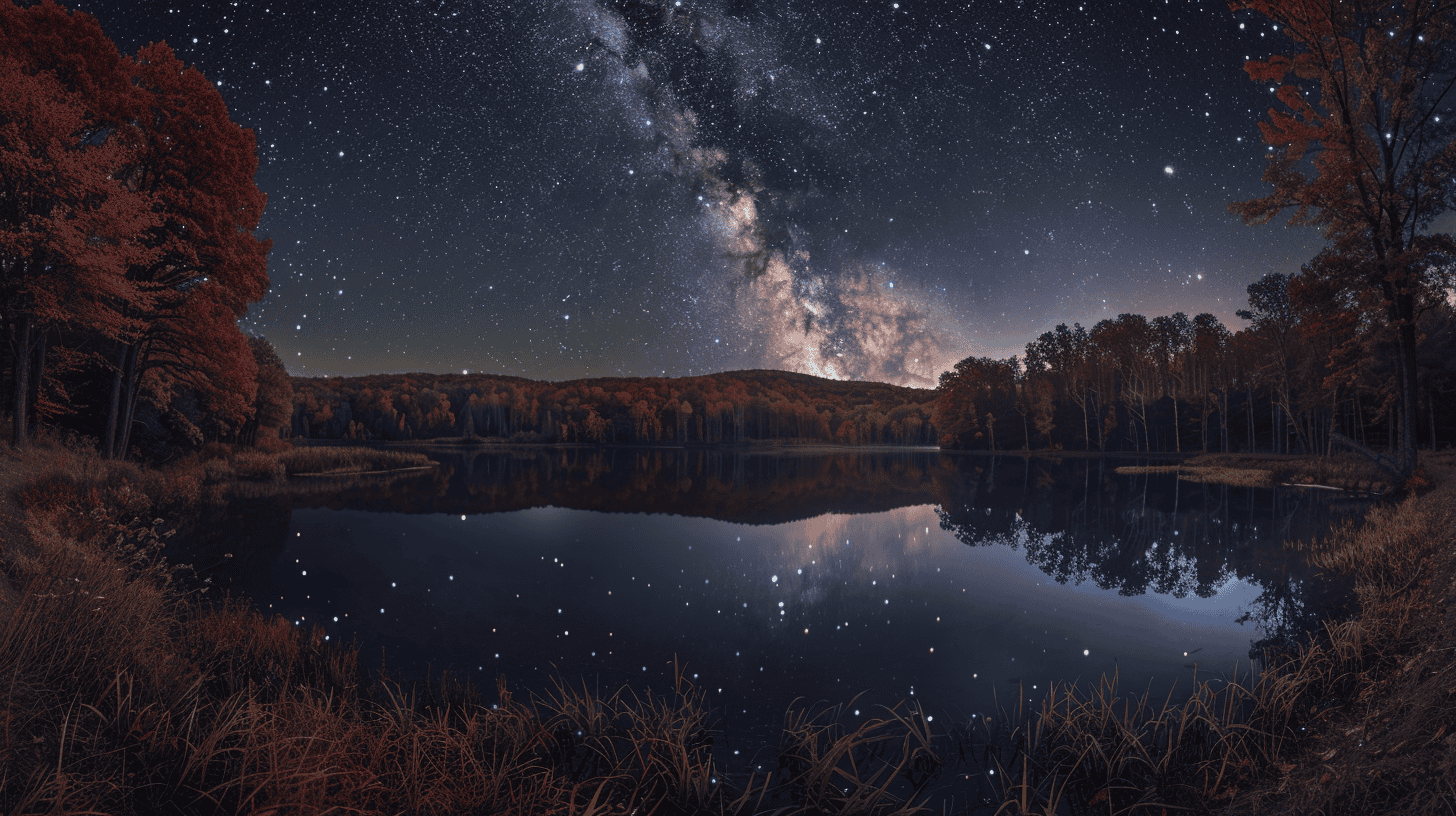
Located atop a 2,300-foot plateau in north-central Pennsylvania, Cherry Springs State Park is a haven for stargazers and amateur astronomers. Named for its black cherry trees and nestled within the Susquehannock State Forest, this park is celebrated for its exceptionally dark skies, minimal light pollution, and panoramic celestial views, thanks to its status as a Gold Level International Dark Sky Park.
Visitors to Cherry Springs can enjoy unobstructed 360-degree views of the night sky, with the Milky Way often visible as a luminous arc across the heavens. The park enhances this experience with special astronomy events, public stargazing programs, and accommodations like red lighting to preserve its renowned dark sky.
Theodore Roosevelt National Park, North Dakota
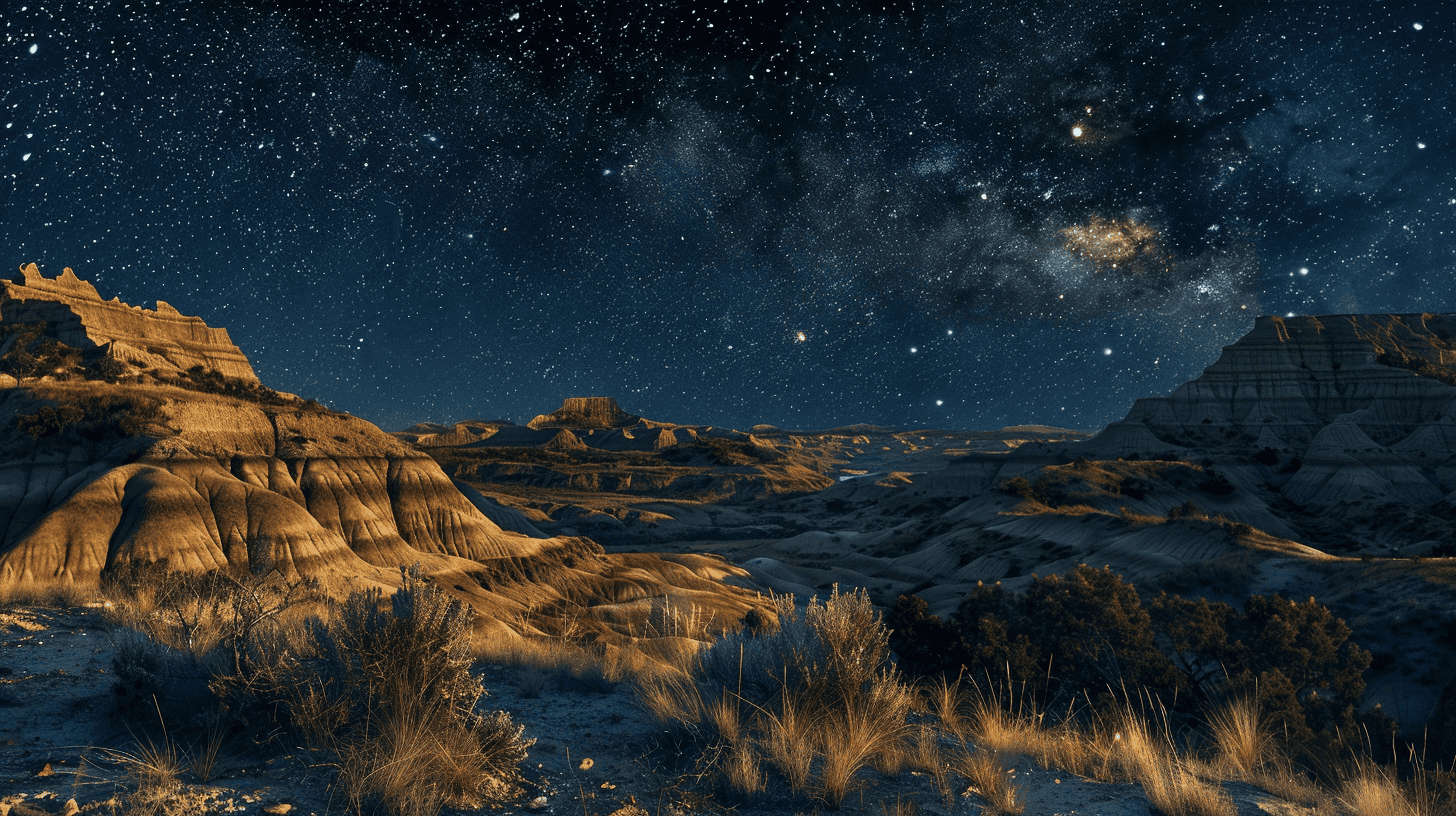
Theodore Roosevelt National Park, nestled in the rugged badlands of North Dakota, promises an unparalleled stargazing experience due to its remote location and minimal light pollution. The dark skies here offer vivid views of the Milky Way, stars, and planets, framed by the park’s dramatic landscape of towering buttes and deep canyons.
Visitors can explore prime viewing spots like Painted Canyon Overlook and Buck Hill, or join in on ranger-led astronomy programs during the summer to learn more about the celestial wonders overhead. This park not only connects you to the wonders of the cosmos but also celebrates the spirit of adventure that Theodore Roosevelt himself championed.