

While you were out traveling, have you ever driven or come across a place that just sent chills down your spine? Maybe even felt that time has forgotten about that place.
Well, my fellow explorers of the eerie and abandoned, join me as we embark on a ghostly adventure through 15 of the most haunting ghost towns from around the globe. Each one holds secrets and stories that will tantalize your curiosity and maybe, just maybe, have you glancing over your shoulder once everything has been said and done.
Centralia, Pennsylvania, USA

Nestled in the once-thriving heart of Pennsylvania’s coal region, Centralia has become a near-phantom town with a story as fiery as the ground beneath it. In the early 20th century, life here buzzed around 14 bustling coal mines, until a persistent mine fire ignited in 1962 transformed it into a smoldering ghost town.
Evacuation orders and a withdrawn ZIP code couldn’t erase the legacy of the stubborn inferno that still rages underground, making Centralia a chilling reminder of nature’s untamed power—where plumes of toxic smoke escape through fissures, and the earth may swallow what little remains. Despite this, a few steadfast residents cling to their heritage, surrounded by the eerie silence of empty streets and the ground’s perilous warmth.
Kolmanskop, Namibia

Step off the beaten track into Kolmanskop, Namibia, where the desert sands have reclaimed a once-thriving diamond mining town. Born from an unlikely diamond find in 1908, it quickly swelled into a bustling German colonial hub, complete with a tram, x-ray station, and all the plush comforts of high society—only to be outshone and abandoned as fortune seekers moved on to richer grounds post-World War I.
Today, it stands silent but for the whispering sands, a frozen tableau of opulence and decay, enticing travelers and photographers with its eerie beauty and half-buried houses. This ghost town, now an open-air museum, echoes stories of a sudden rise and fall, wrapped in the relentless embrace of the Namib Desert.
Pripyat, Ukraine
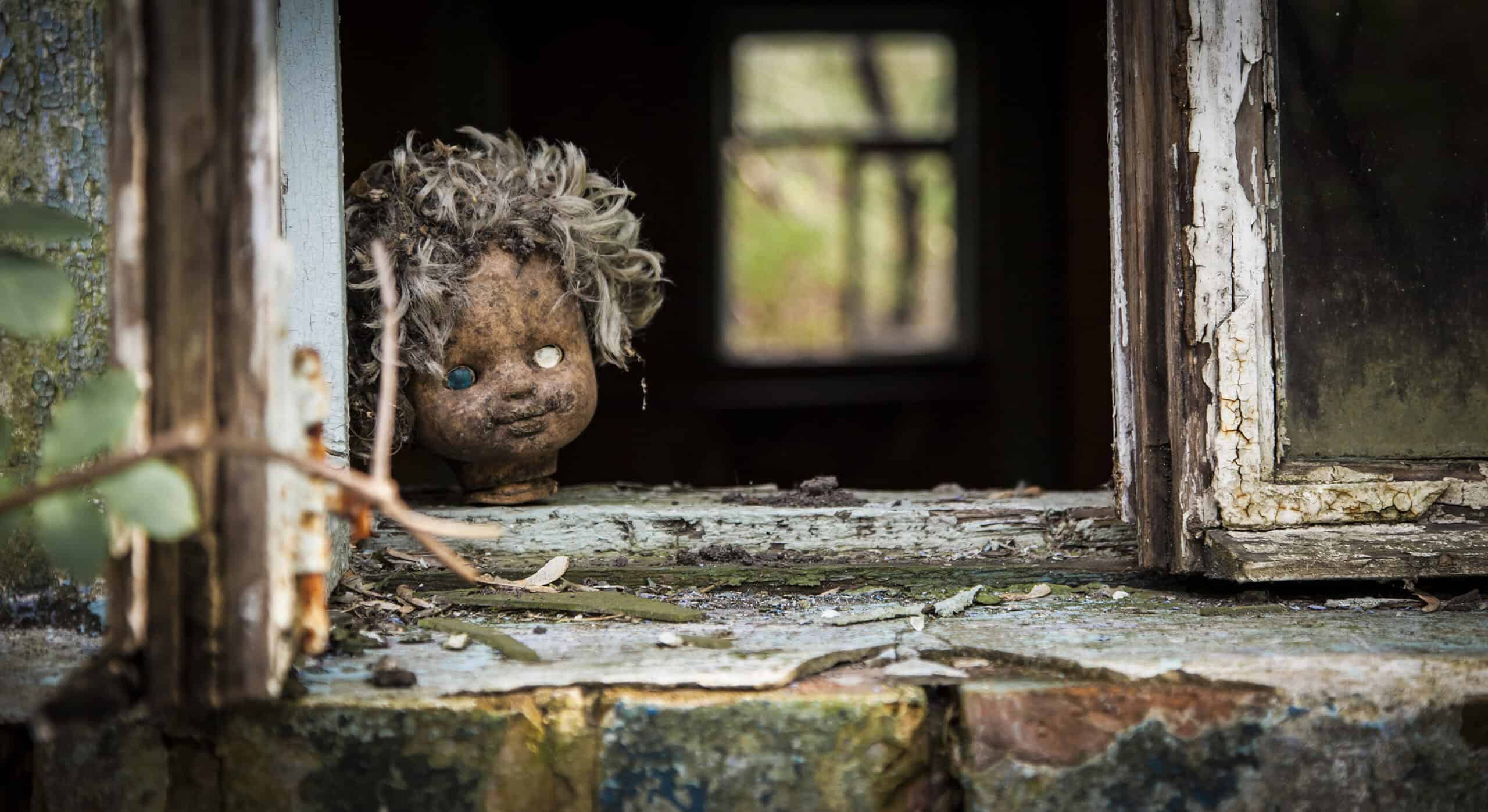
Pripyat, Ukraine stands as a post-apocalyptic time capsule, with remnants of Soviet life untouched since the disastrous day in 1986 when the Chernobyl Nuclear Station’s reactor 4 exploded. Once a symbol of Soviet prosperity and technological progress, the city—home to 49,000 people and complete with modern amenities—was evacuated overnight, leaving behind a haunting spectacle: schools and homes lie as though just abandoned, propaganda posters still clinging to walls, and an amusement park that never opened.
Today, beyond the ghostly streets and radiation warning signs, a surreal sense of life persists, with workers still managing the aftermath, a reminder of humanity’s resilience and the city’s inextricable link to one of history’s worst nuclear tragedies. As nature slowly reclaims the buildings and the hammer and sickle rust in the silent air, Pripyat invites the brave to witness the chilling intersection of catastrophe and the march of time.
Bodie, California, USA
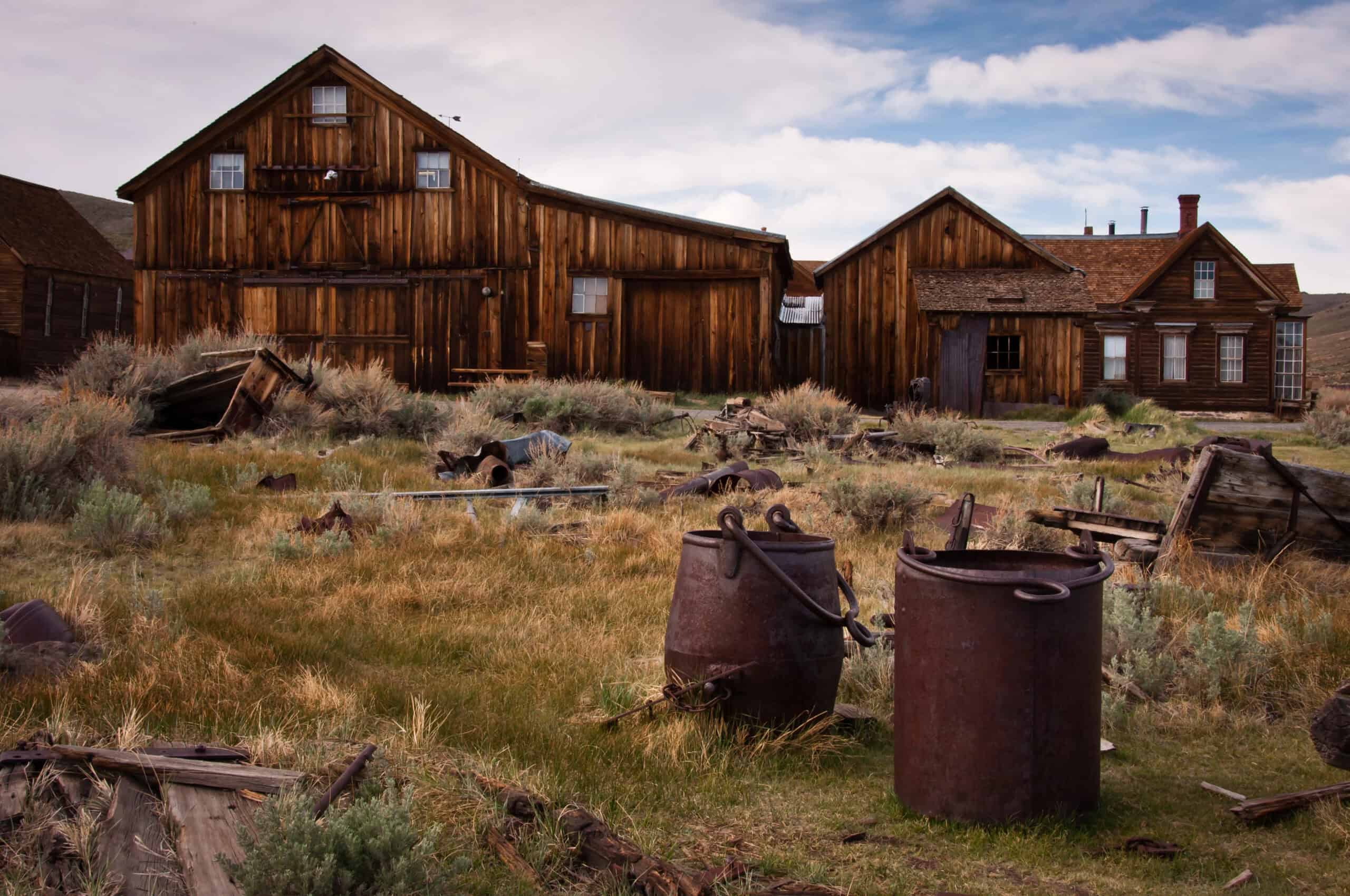
Amble through the dusty streets of Bodie, California, a true Wild West ghost town frozen in time since its last residents departed. At its 1880s peak, Bodie was a tapestry of the American frontier, teeming with miners, outlaws, and entrepreneurs drawn by the promise of gold and the town’s electrifying atmosphere—home to the first long-distance electrical transmission network.
Today, it’s a state-protected historical site, where over a hundred structures still stand, maintaining their stoic vigil under the Sierra sky, and echoing tales of a thriving, raucous past. As you wander past the remains of the saloons, churches, and silent mills, Bodie’s spirit of both innovation and wildness endures, captivating those who visit this monument to California’s golden heyday.
Hashima Island (Gunkanjima), Japan
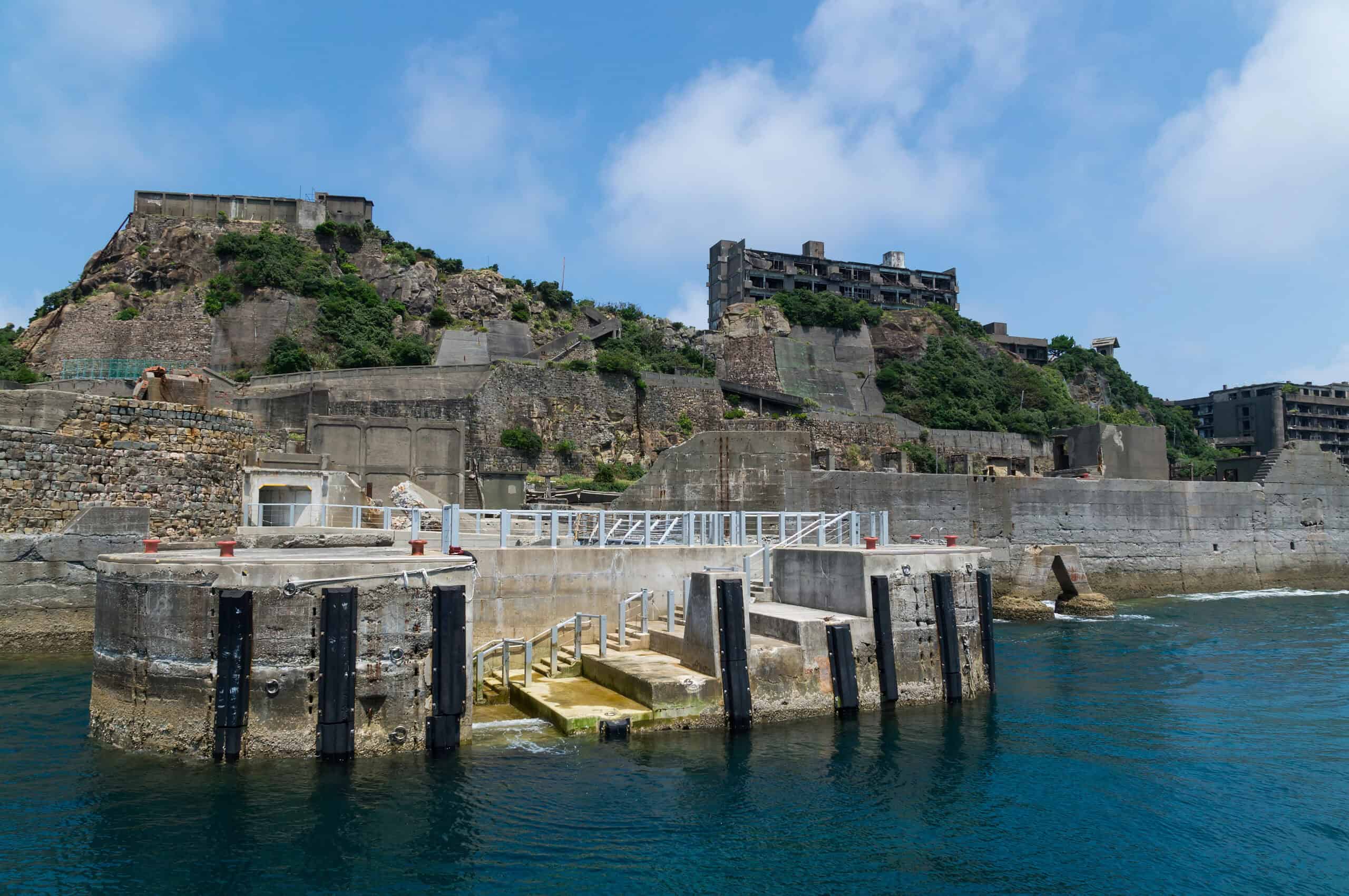
Once a bustling symbol of Japan’s industrial might, Hashima Island, or Gunkanjima (“Battleship Island”), sits eerily silent, an hour’s boat ride from Nagasaki’s vibrant life. Its deserted concrete buildings, which housed a dense population of miners working for the Mitsubishi Corporation during the island’s peak, now stand as haunting sentinels to a bygone era of relentless coal extraction.
Abandoned in 1974 as Japan turned to alternative energy sources, this island’s ghostly silhouette against the sea tells a stark tale of rapid progress and equally swift decline. Gunkanjima, now a peculiar attraction for the curious traveler, bears the scars of weather and time, offering a haunting memorial to those who once toiled within its cramped confines.
Humberstone, Chile
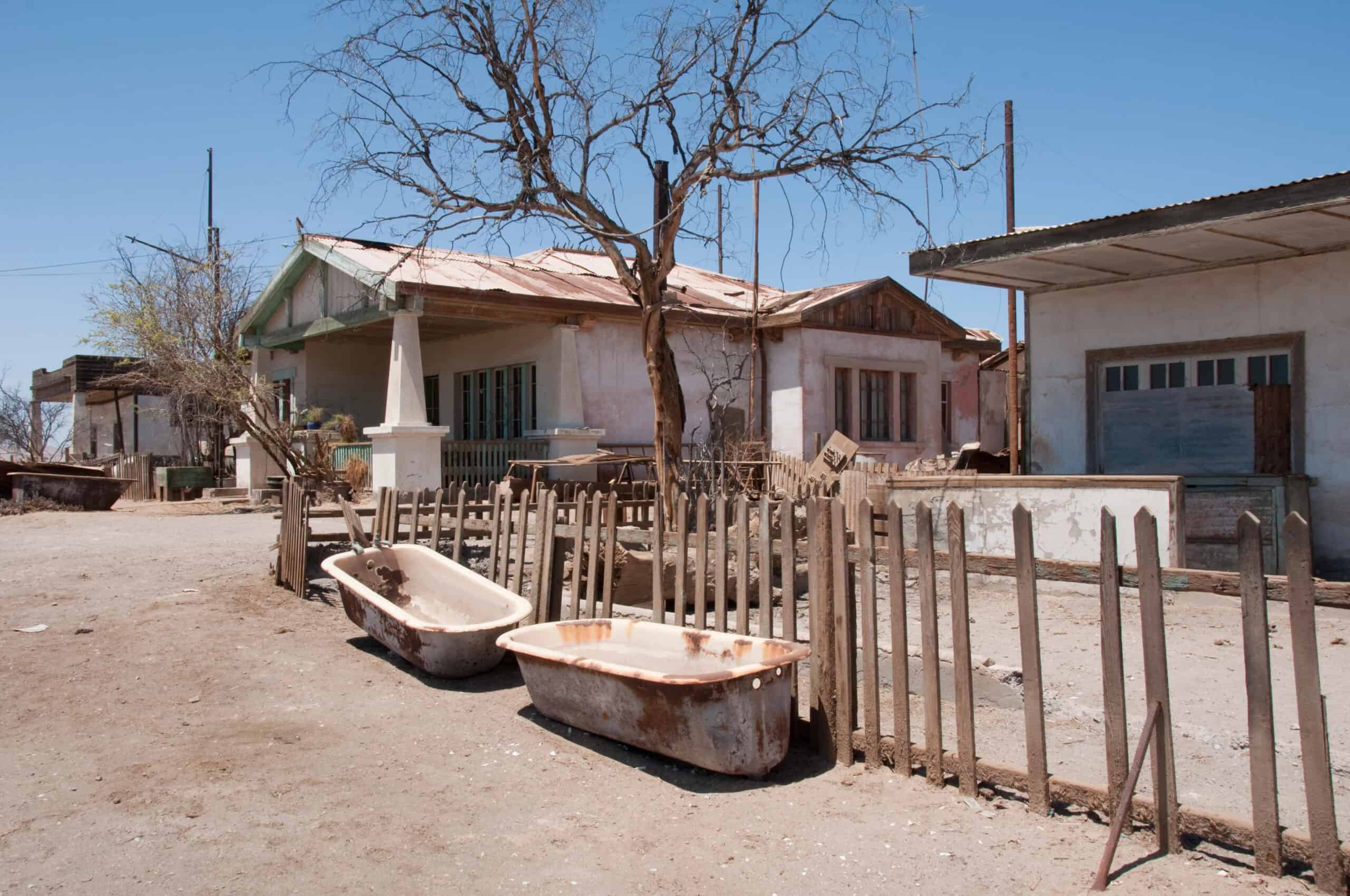
Deep in the arid expanse of Chile’s Atacama Desert lies the ghostly remains of Humberstone, a former saltpeter mining town that once thrived in the harsh landscape. Founded in 1872, the town became a bustling community, with a population peaking at 3,000, all drawn by the promise of wealth from the vital fertilizer ingredient.
Yet, as the sun set on the saltpeter industry, Humberstone’s fate was sealed, and by 1960 it had been left to the mercy of the desert winds. Now a UNESCO World Heritage site, the town’s desolate but enduring structures invite visitors to walk through a haunting chapter of industrial history, under the relentless Atacama sun that witnessed its rise and fall.
Oradour-sur-Glane, France
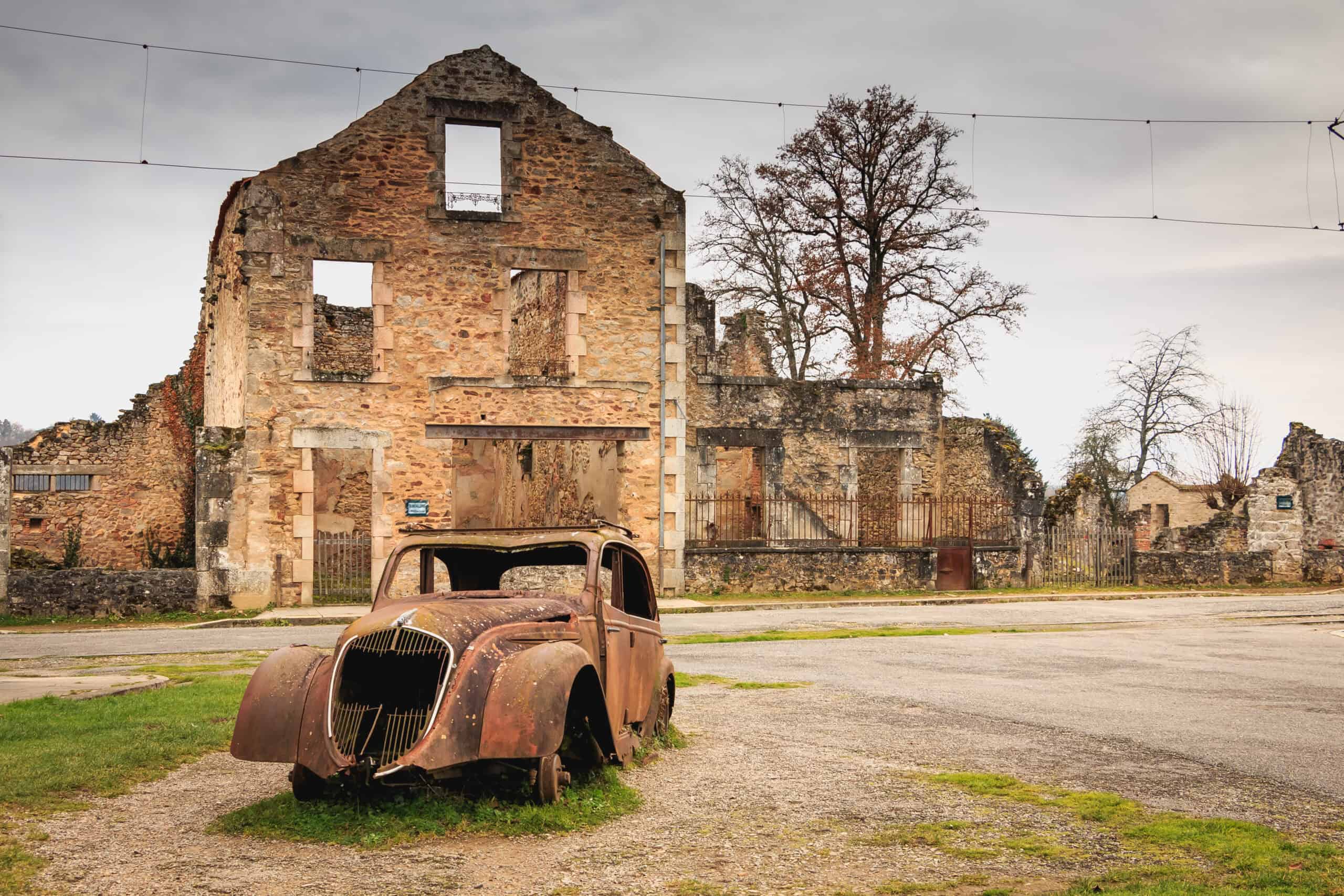
Oradour-sur-Glane, France, stands as a solemn testament to the horrors of war, its ruins are a powerful memorial to the 642 innocent lives lost to a brutal massacre by the Waffen-SS in 1944. The village has been left as it was found after that fateful day, with charred buildings, rusted cars, and personal possessions still scattered where they fell.
Today, visitors walk in silent reflection among the remnants of this once-peaceful rural community, now a stark and enduring symbol of the atrocities committed during World War II. The site, preserved on the orders of Charles de Gaulle, serves not only as a museum dedicated to those who perished but also as a poignant reminder of the fragility of peace and the cost of violence.
Kayaköy, Turkey
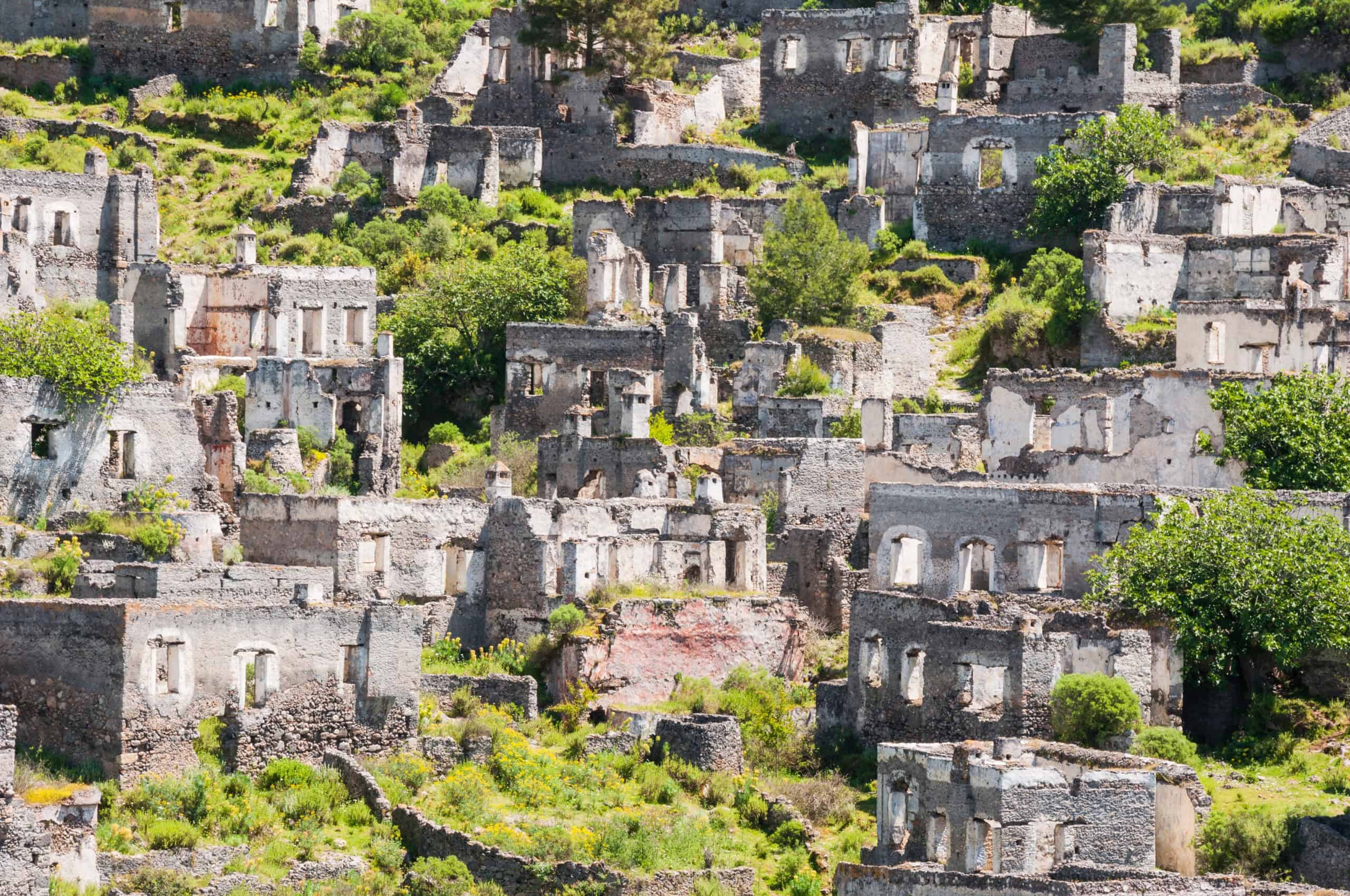
Perched on a hillside in Turkey, Kayaköy whispers stories of upheaval and abandonment through its empty stone houses and silent streets. Once known as Levissi, home to around 6,000 Greeks before a mandated population exchange with Turkey in 1923, this village has become an open-air museum, its ghostly charm preserved in over 500 weathered structures and the Gothic remains of the Basilica of Panayia Pyrgiotissa.
Today, as you wander the deserted paths, you’ll find the echoes of a vibrant past juxtaposed with the inviting aromas from nearby outdoor cafes, hinting at the area’s potential rebirth as a symbol of Turkish-Greek friendship. Though abandoned, Kayaköy’s spirit endures, offering a poignant experience of beauty and history etched into its very landscape.
Craco, Italy
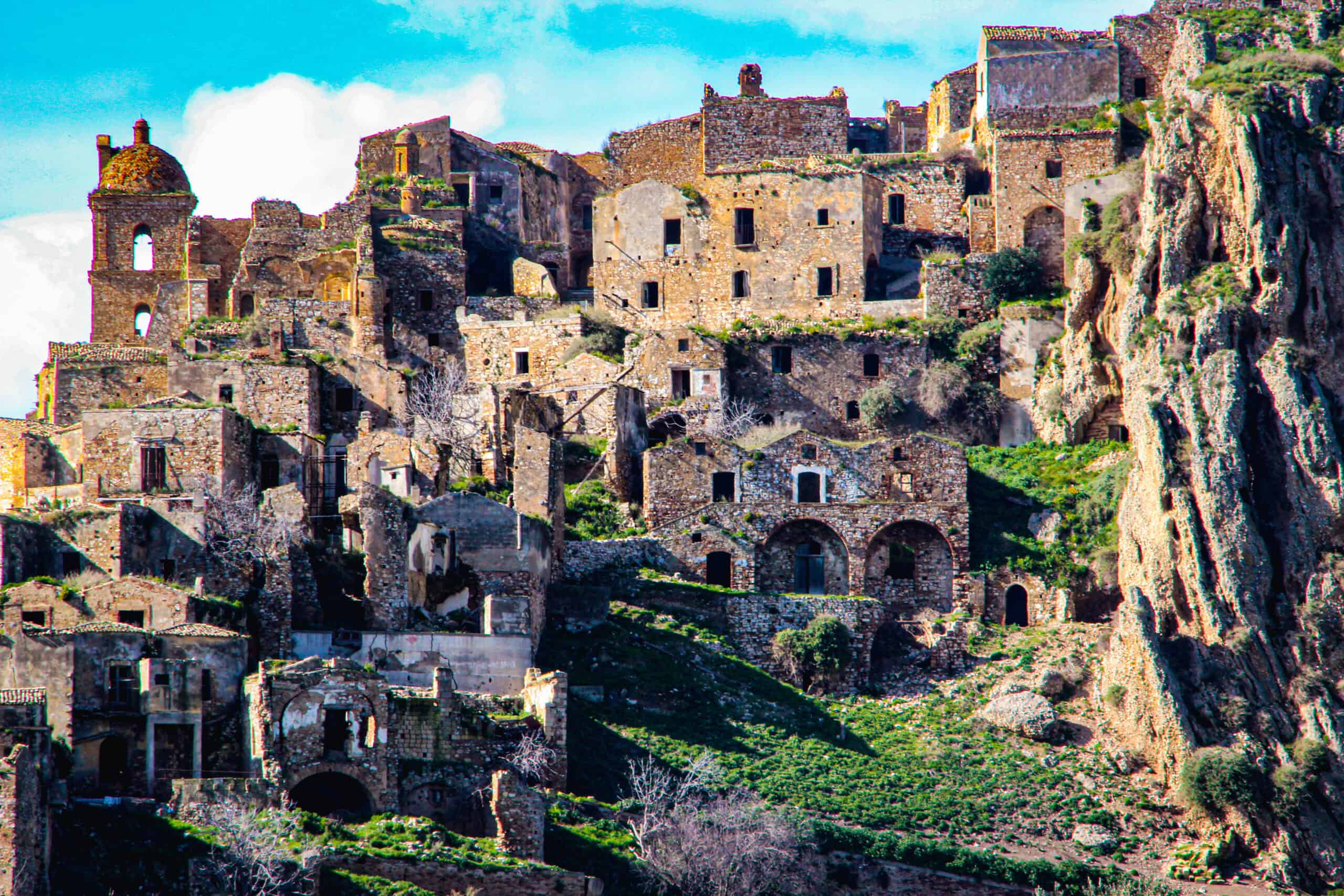
Rising eerily from the Basilicata badlands of southern Italy, the ancient town of Craco stands as a stark testament to the fragility of human settlements. Settled since the 8th century BC and later built up by the Normans as a medieval fortress, Craco’s crumbling palazzi and silent streets have now been left to the elements.
A series of earthquakes and landslides led to its abandonment in 1980 and today, visitors don hard hats to navigate its precarious ruins, a haunting maze reminiscent of an MC Escher drawing. Amidst the bell towers that no longer ring and overgrown altars open to the heavens, Craco’s desolation is a poignant reminder of a once-thriving community now frozen in time.
Kennecott, Alaska, USA
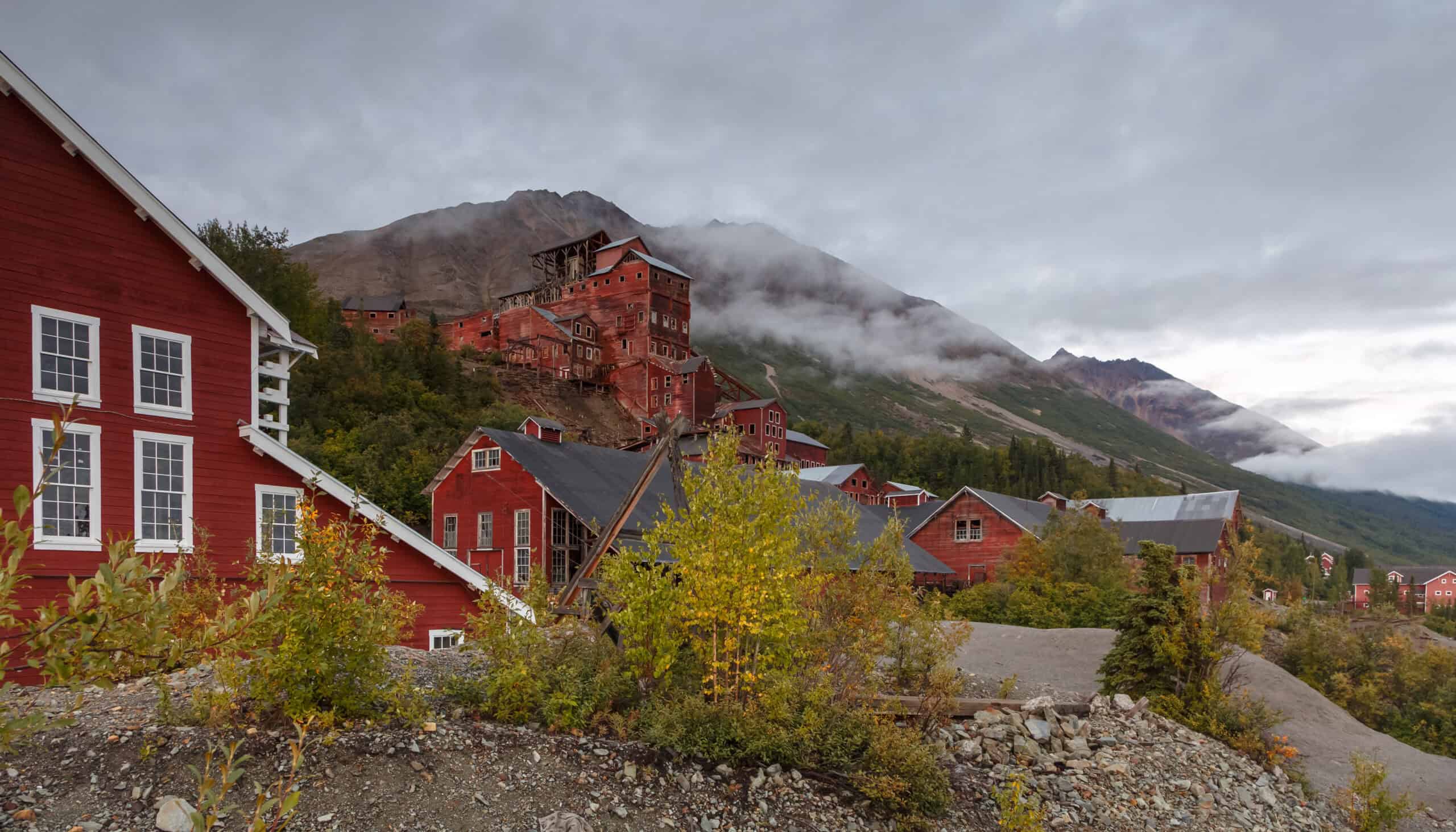
Tucked away in the vast Alaskan wilderness, Kennecott stands as a monumental tribute to early 20th-century enterprise, its towering mill buildings and deserted mines painting a picture of a bygone era of industry. This isolated corporation town, once the heart of the lucrative Kennecott Copper Corporation, thrived with a pioneering spirit, churning out nearly $200 million in copper from 1911 to 1938.
Abandoned as the copper veins ran dry and the world around it evolved, the town has been echoing silence for decades, with the National Park Service and preservationists laboring to keep its history alive for future generations. Visitors today can wander among the stabilizing structures, gain insights into the past lives of its industrious inhabitants, and marvel at the tenacity of both the people and the buildings that stand resilient against the Alaskan elements.
Ross Island, India

In the haunting quiet of Ross Island, India, the echoes of a dark colonial past linger amidst the ruins overtaken by the roots and branches of the unforgiving jungle. This secluded island, once the administrative heart of the British penal colony in the Andamans, is a stark contrast of decay and bygone luxury—with remnants of grand mansions and lavish social spaces standing as relics of the “Paris of the East.”
Thousands of prisoners suffered under brutal conditions here, while British officers enjoyed tennis courts and ballrooms, an eerie duality forever imprinted on the island’s history. Today, as nature continues to reclaim the land, Ross Island serves as a somber reminder of oppression and the resilience of the human spirit amidst the Bay of Bengal’s turquoise embrace.
Villa Epecuén, Argentina

Villa Epecuén, set in the vast plains of Argentina, was once a bustling lakeside resort, only to be engulfed by the very waters its visitors came to admire. After an unusually long rainfall period breached its defenses in 1985, the town succumbed to a creeping flood, eventually disappearing beneath 10 meters of briny lake water.
For years, it lay submerged and forgotten, until 2009 when the waters began to retreat, gradually unveiling a ghost town of skeletal buildings and dead trees encrusted with salt. Today, the ruins of Villa Epecuén invite the curious to walk its desolate streets, a silent witness to nature’s power to both give and mercilessly take away.
Glenrio, Texas/New Mexico, USA
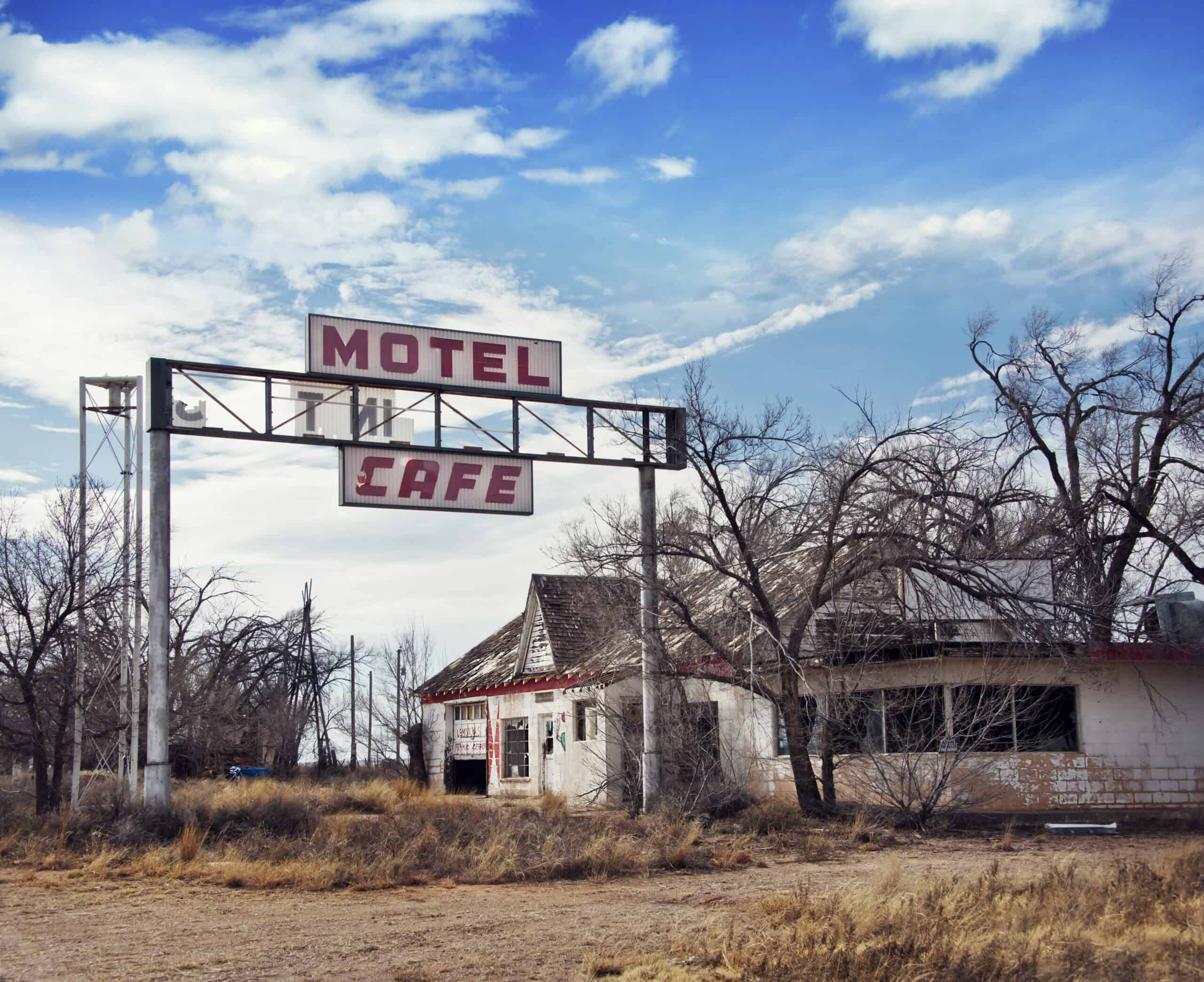
Glenrio, an unassuming ghost town perched on the border of Texas and New Mexico, bears silent witness to the bygone era of cross-country travel. Established in 1908 and named by the Rock Island and Pacific Railroad, this town once thrived with travelers of the Ozark Trail, its earliest buildings crafted from adobe.
Its unique location meant a life split by state lines: fuel pumps sat only on the Texas side to avoid New Mexico’s higher taxes, while the dry county of Deaf Smith meant a tipple could only be had on the New Mexico side. Now bypassed by the relentless march of Interstate 40, Glenrio’s dusty streets and abandoned facades stand as a monument to the rise and fall of American road towns.
Dhanushkodi, India
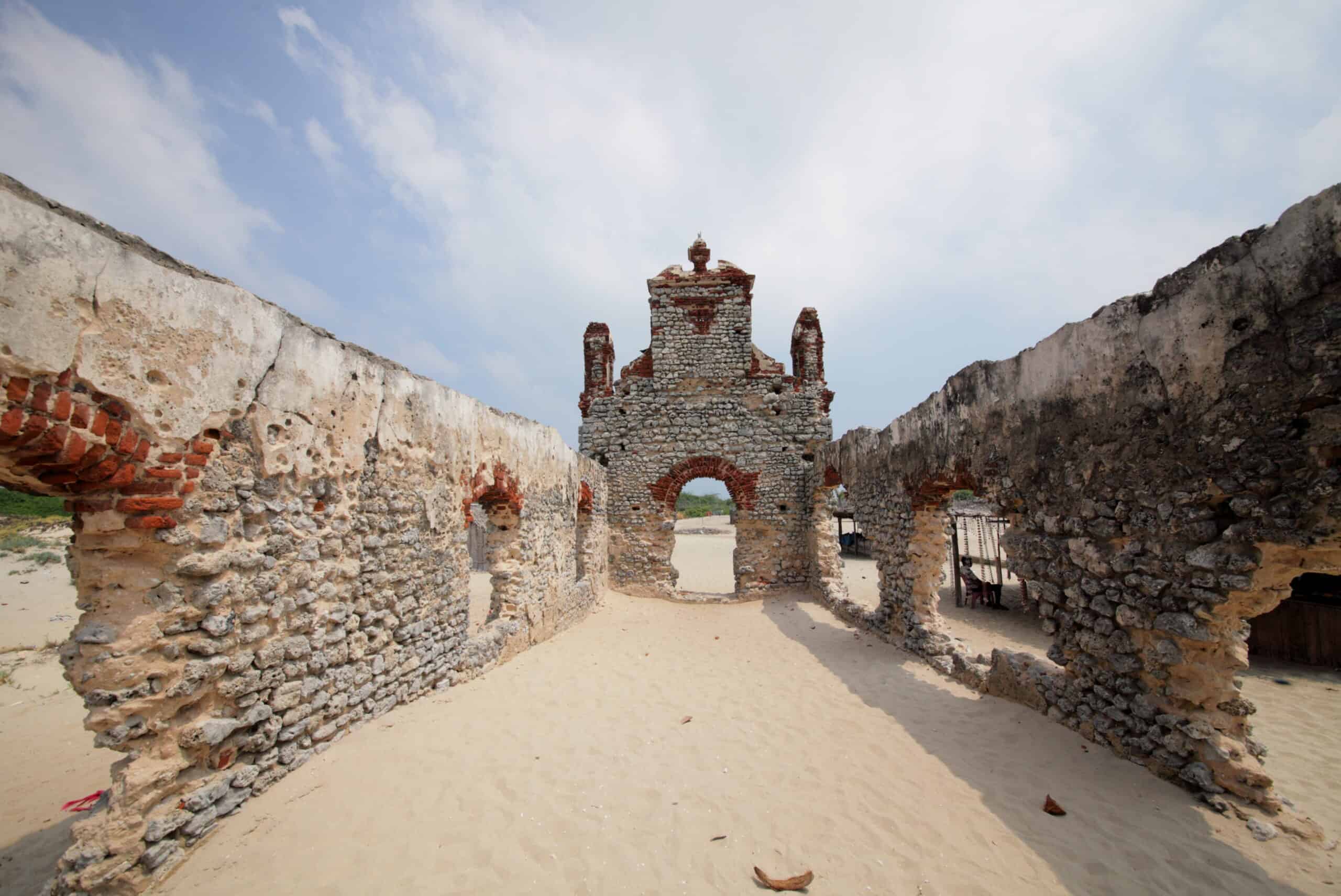
Straddling the edge of India’s Pamban Island, the desolate town of Dhanushkodi is a haunting tableau of nature’s fury and historical intrigue. Struck by a merciless cyclone in 1964, this once-vibrant port town was left in ruins, its population forced to flee, leaving only the skeletons of buildings against a backdrop of converging seas.
Today, the remnants of a railway station and post office stand eerie amidst the stark beauty where the Bay of Bengal meets the Indian Ocean, drawing travelers to a place that is as much an open-air museum as it is a testament to the indomitable human spirit. Dhanushkodi whispers stories of its mythological past and its tragic undoing, luring the curious to explore its profound, silent serenity.
Garnet, Montana, USA
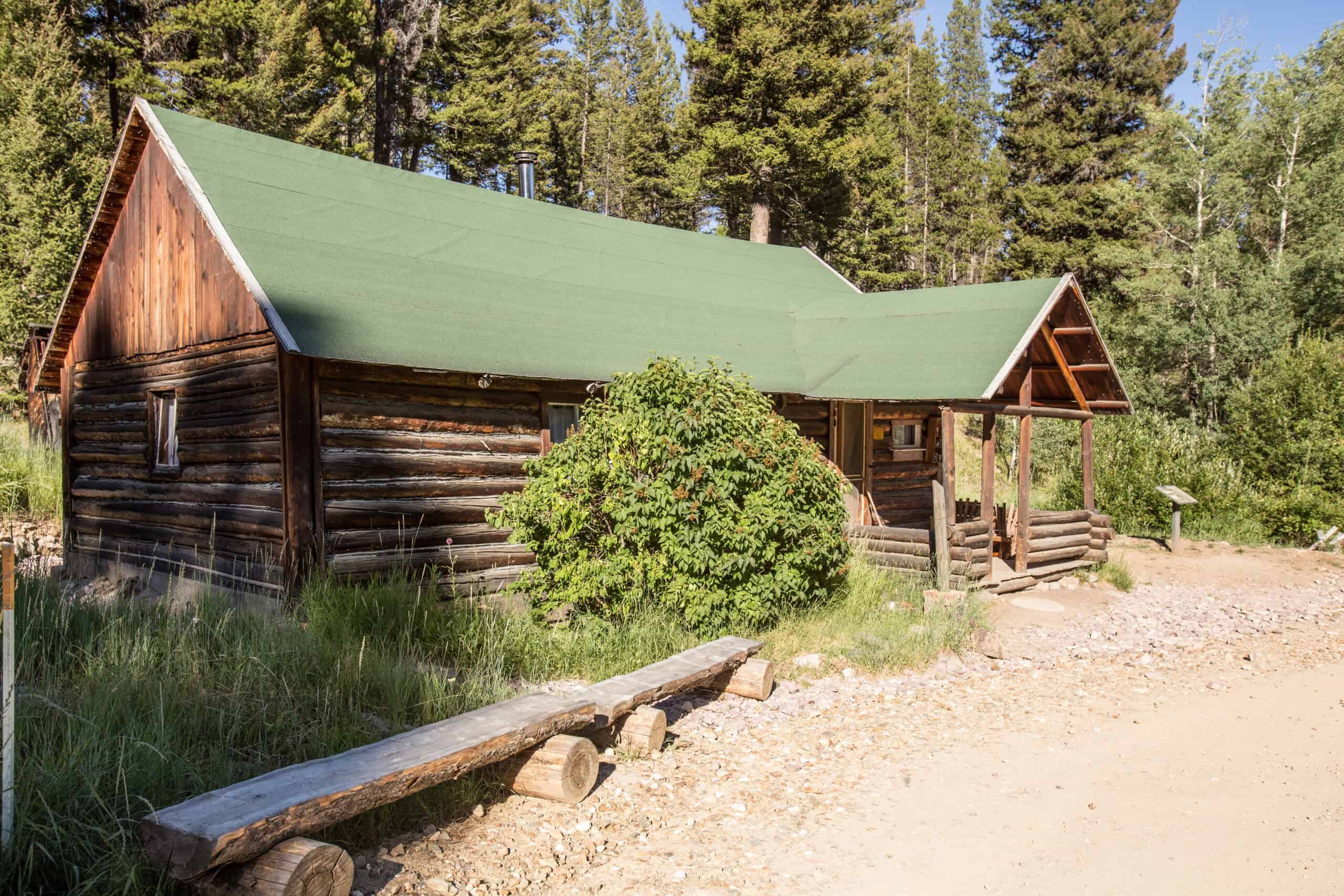
Garnet, Montana, tucked away in the shadow of the Garnet Mountains, is a silent relic where the gold rush dreams quietly faded into the whispers of the past. Named for the rich, ruby-colored stone found in the area, this old mining town once buzzed with over a thousand souls during its 1890s boom, sustained by the golden veins running deep through the hills.
After gold became elusive and a devastating fire in 1912, Garnet’s saloons, stores, and homes were gradually abandoned, leaving behind a ghost town with creaking cabins and the remnants of daily life as if frozen in time. Today, Garnet stands as a poignant monument to Montana’s mining heritage, its historical tales preserved by the relentless efforts of volunteers and the haunting beauty of its steady decline.